

Step by Step Guide to Phone Case Manufacturing Standards in 2026
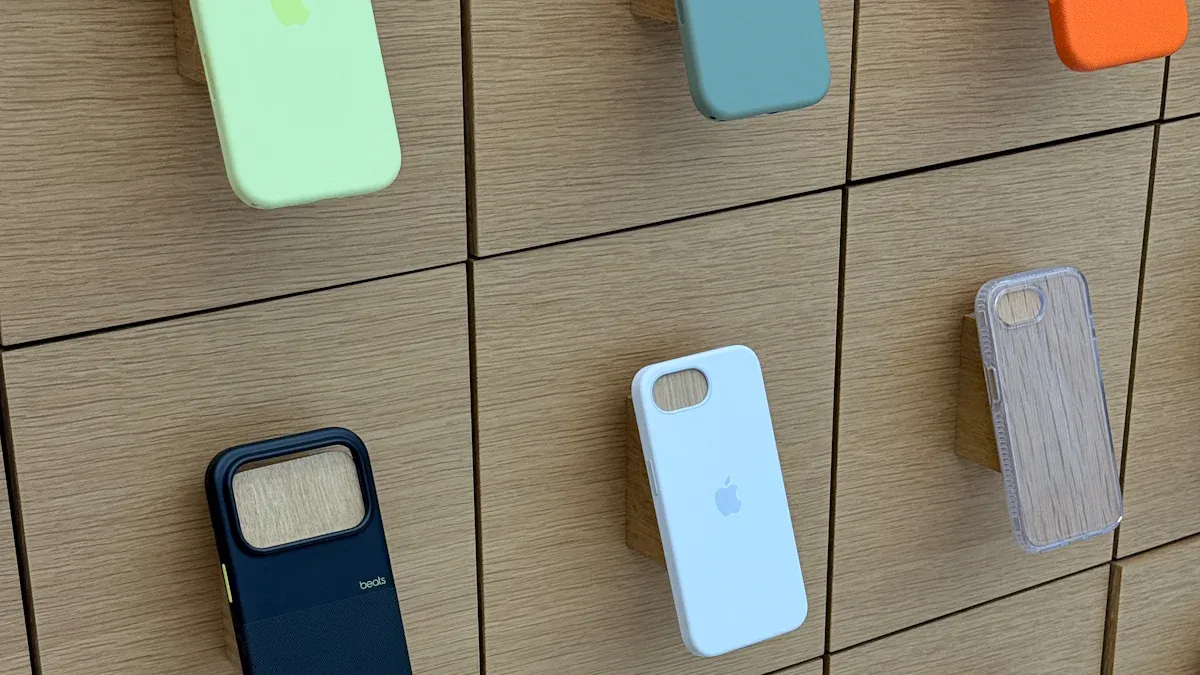
In 2026, you must adhere to strict rules during the phone case manufacturing process. These regulations are essential for ensuring safety and protecting your business. It’s important to be familiar with every guideline, including certifications and the use of safe materials. Pay close attention to each step in the phone case manufacturing process. Innovations, such as stronger magnets and improved silicone designs, are influencing customer preferences. Refer to this guide if you need to review your regulations or enhance your product.
Key Takeaways
- Learn about the strict rules for making phone cases in 2026 so you can keep people safe and follow the law.
- Get to know worldwide standards like REACH, RoHS, and ISO so you do not make expensive errors.
- Pick safe and earth-friendly materials that follow chemical rules to keep people and nature safe.
- Put clear labels on your products with material details, safety notes, and recycling steps so customers trust you.
- Check your phone cases for quality and safety, like drop tests and magnet checks, to make sure they follow the rules.
- Pick good suppliers and check their certificates so you do not use bad materials.
- Keep good records of all tests, certificates, and supplier papers so you are ready for checks and reviews.
- Watch for new rules and trends so you always follow the law and make your products better.
Phone Case Regulations: 2026 Overview
Knowing phone case rules helps you avoid big mistakes. It keeps your products safe for people. You must follow en standards and local laws to sell phone cases in 2026. These rules cover chemicals, safety, labels, and packaging. You need to learn how global and local rules affect your business.
Global Standards & Compliance
REACH, RoHS, ISO
You must meet many en standards before selling a phone case. REACH controls chemicals and heavy metals in materials. RoHS limits dangerous substances like lead and mercury in electronics. ISO sets worldwide rules for quality and safety. You should check every standard before making phone cases.
| Standard | What It Covers | Why It Matters |
|---|---|---|
| REACH | Chemicals and heavy metals rules | Keeps users and nature safe |
| RoHS | Dangerous substances | Makes sure materials are safe |
| ISO | Quality and safety | Helps products work well |
Environmental & Safety
You must think about the environment when picking materials. Many en standards want you to use recyclable or biodegradable materials. You should not use things that hurt people or nature. Safety rules also talk about magnet strength and wireless charging. You need to test your phone cases so they do not mess up devices or hurt anyone.
Tip: Always ask your supplier for papers that show they follow environmental and safety rules.
EU & US Phone Case Regulations
Chemical Restrictions
You must follow strict chemical and heavy metal rules in the EU and US. These places ban some chemicals in phone cases. You need to look at the list of banned substances before buying materials. If you break these rules, you can get fines or have your products taken back.
Labeling & Lab Testing
You must put clear labels on your phone cases. Labels should say what materials are used, safety warnings, and recycling steps. You need to send your products to trusted labs for testing. Lab reports show your phone cases meet en standards and eu product rules.
- Fines can be as high as EUR 15 million or 2.5% of your company’s yearly sales, whichever is more.
- The market authority can stop or limit products that do not follow the rules.
- Products that do not follow the rules can be removed or recalled if you do not fix the problem.
Industry-Specific Standards
Magnet Strength Guidelines
You must follow en standards for magnet strength. Strong magnets can break phones or cause safety problems. You need to test magnet strength and make sure it is in the safe range. You should keep records of your tests for future checks.
Wireless Charging Compatibility
You must make phone cases that work with wireless charging. En standards say you need to test if they work with popular devices. You should not use materials or designs that block charging signals. You need to put this info on your packaging and labels.
Note: Following en standards and packaging rules helps you earn trust from customers and stay out of trouble.
You must watch every detail in phone case rules. Meeting en standards and packaging rules keeps your business safe and your products for sale.
Phone Case Manufacturing Process: Key Steps
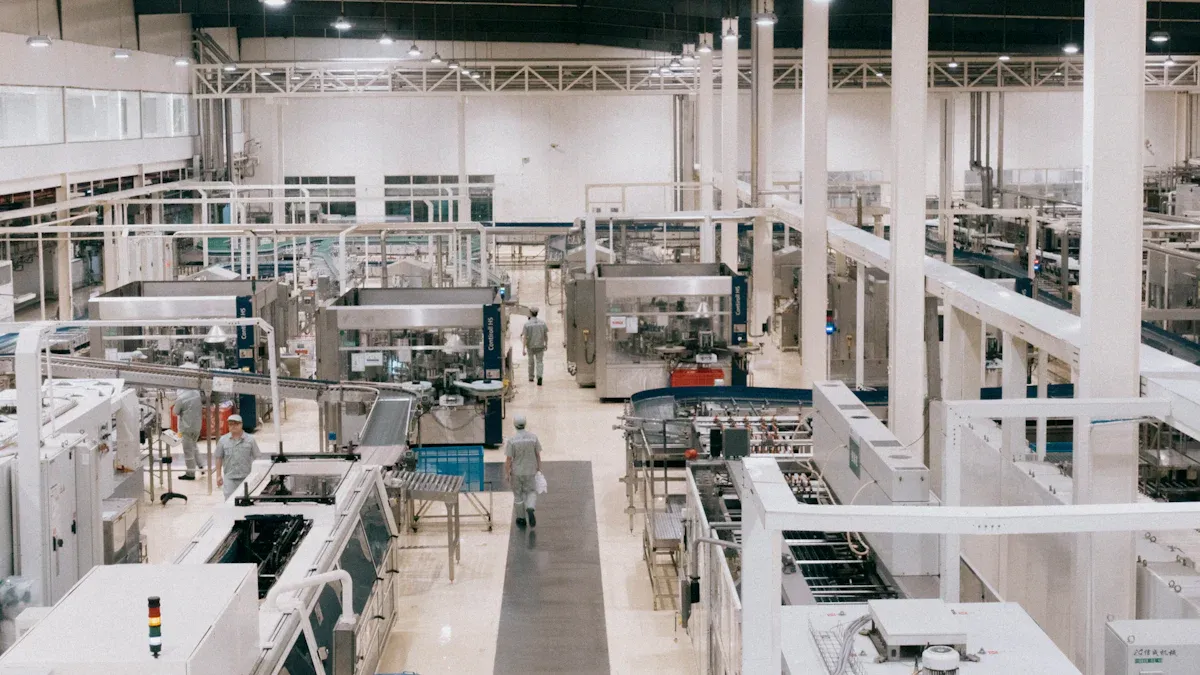
You need to follow steps to make safe phone cases. Start by picking good materials. End by checking if your cases meet all rules. Each step helps you avoid mistakes. This keeps your business strong.
Material Selection & Sourcing
TPU, Silicone, and Other Materials
Pick the best materials for your customers. The most used materials in 2026 are:
- TPU (Thermoplastic Polyurethane): This material is great for strong cases. It bends and does not break. It also absorbs shocks.
- Silicone: Many people like silicone. It feels soft and looks nice. It is good for fashion cases.
- Acrylic: This material looks shiny and modern. But it can crack if dropped.
- Hard Plastic (Polycarbonate): This material makes tough and cheap cases. It is used in mixed designs.
- Leather (PU Leather): This material looks fancy. It is good for luxury buyers.
- Eco-Friendly Options: You can use wheat straw or biodegradable plastics. These help the environment.
Match your material to what your customers want. Use TPU for drop protection. Use silicone for comfort.
Sourcing & Supplier Verification
Find good suppliers for your phone case materials. The best countries for materials in 2026 are:
- Vietnam
- India
- Morocco
- Indonesia
- Mexico
- Turkey
Always check your supplier’s certificates. Ask for test reports. This helps you avoid fake or bad materials. You can visit factories or use outside checks. Make sure your supplier follows the rules.
Tip: Talk often with your suppliers. Good communication solves problems fast.
Design & Prototyping
Customization Options
Offer custom designs to stand out. Many people want cases with names or favorite colors. You can use digital printing, embossing, or laser engraving. Add features like card holders, kickstands, or lanyard holes.
Emerging Design Trends
Watch for new trends in phone case design. In 2026, popular trends are:
- Slim cases that are not bulky
- Clear cases that show the phone’s color
- Cases with magnets for wireless charging
- Eco-friendly designs with recycled materials
Test your designs for drop protection and wireless charging. This helps you avoid problems later.
Production & MOQs
Minimum Order Quantities
Learn about minimum order quantities (MOQs) before making cases. In 2026, the usual MOQ for old molds is 1,000 to 3,000 units. For new molds, the MOQ is 5,000 to 10,000 units. High MOQs can be hard for small businesses. You need more money at the start.
- Old mold: 1,000–3,000 units
- New mold: 5,000–10,000 units
Plan your budget and sales before you order.
Quality & Durability Considerations
Check your cases for quality and strength. Common problems and fixes are:
| Issue | Mitigation Strategy |
|---|---|
| Material Quality | Use dual-layer cases (TPU + PC), strong corners, and non-slip textures. Do not use thin plastics. |
| Drop Protection | Make sure your cases meet MIL-STD-810G or similar rules. Get lab test results. |
| Color Retention | Use UV coatings to stop clear cases from turning yellow. |
| Design Flaws | Do not use designs that trap heat, drain batteries, or have weak glue. |
| Safety Concerns | Test magnets so they do not affect pacemakers or RFID chips. |
Test your cases for drop protection at every step. This helps you find problems early. It keeps your customers safe. Keep records of all tests for rule checks.
Note: Good quality control keeps your brand safe. It helps you pass audits.
Follow each step to make phone cases that meet market needs. Your products will pass safety checks. You will build trust and grow your business.
Compliance & Standards in Manufacturing
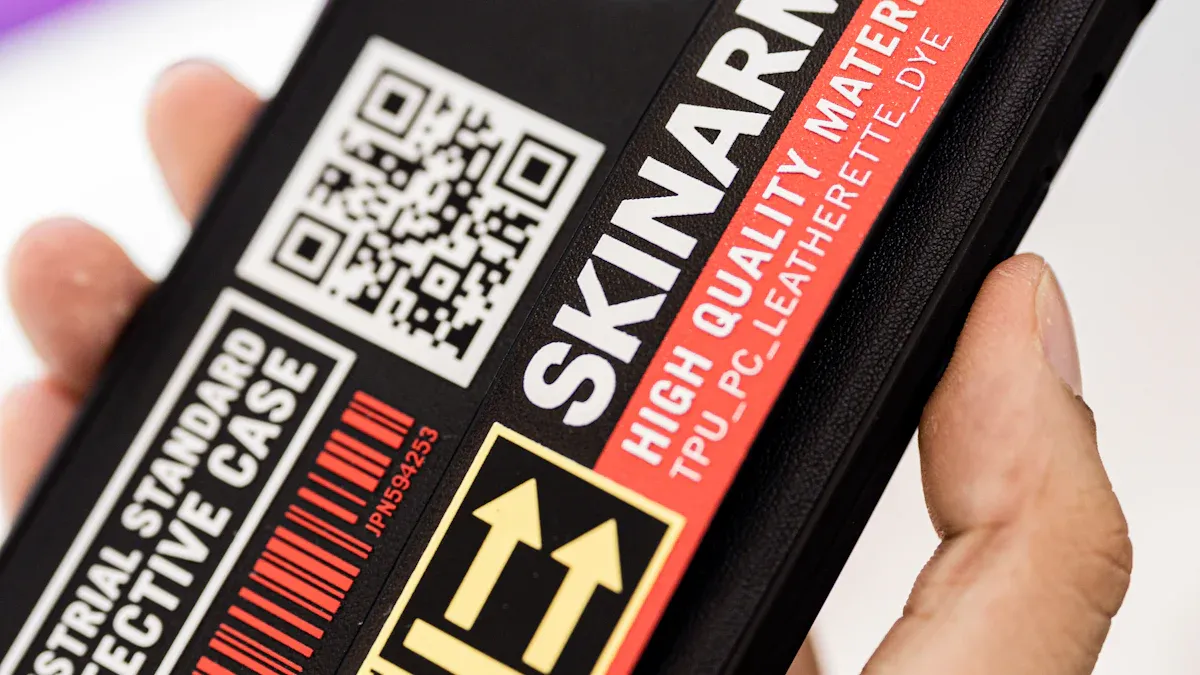
Quality Control & Testing
Mechanical & Chemical Testing
You have to check phone cases for strength and safety. Use different tests to see if cases can handle drops and bending. Mechanical tests help you find weak spots. Chemical tests look for things like lead or phthalates. You must follow world safety rules when you test. Always use compliance tests to make sure your cases meet all rules. Good quality control keeps your cases safe and trusted.
Tip: Test samples from every batch, not just the first one. This helps you find problems early.
Accredited Lab Selection
Pick a lab with the right approvals. Accredited labs know the newest rules and use the best tools. They give you reports that show your cases pass global checks. Ask for proof of their certificates before sending products. Trusted labs help you avoid mistakes and keep your business safe.
Certifications & Documentation
CE, FCC, and Other Certifications
You need the right certifications before selling phone cases. In the EU, you need a CE mark to show you follow safety and environmental rules. In the US, the FCC mark is needed if your case has magnets or electronics. Some countries want extra marks. Always check what your market needs. These marks show you follow world safety rules and help you avoid fines.
Recordkeeping & Renewals
Keep all your test reports, certificates, and supplier papers together. You may need to show these for audits or renewals. Set reminders to renew your documents before they expire. Good recordkeeping proves you follow rules and helps you pass checks from market authorities.
Packaging & Labeling Standards
Eco-Labels & Recyclability
You must follow new rules for packaging and labeling. Many places want you to use less packaging and more recyclable materials. By January 1, 2030, you must lower packaging weight and volume. You also need to keep empty space in packages below 50%. If you use reusable packaging, it must meet set conditions by February 11, 2025. By August 12, 2028, you must use a label that shows what materials are in your packaging. These steps help you follow rules and protect the environment.
| Article | Description |
|---|---|
| 10 | Packaging minimization: Lower packaging weight and volume by January 1, 2030. |
| 11 | Reusable packaging: Must meet set conditions by February 11, 2025. |
| 12 | Labeling of packaging: Use a label for material composition by August 12, 2028. |
| 24 | Excessive packaging: Keep empty space below 50% by January 1, 2030. |
| 39 | EU declaration of conformity: Shows what you need for compliance. |
Required Product Information
You must put clear info on your packaging. Show the material type, recycling steps, and safety warnings. Add the country of origin and any needed compliance marks. This helps customers trust your product and shows you follow all rules. Good labeling helps you sell your product in different places.
Note: Always check for updates to packaging and labeling rules. Rules can change each year.
Choosing a Phone Case Manufacturer
Picking a phone case manufacturer is very important for your business. You need a partner who follows safety rules and makes good products. Use these steps to help you choose the best one.
Evaluating Manufacturer Credentials
Certifications & Audits
Always check if your manufacturer has the right certifications. Look for marks like RoHS, REACH, and FCC-ID. These marks show the factory follows safety and chemical rules. Ask for audit reports from the factory. Audit reports prove the factory passed safety and quality checks. A good manufacturer will give you these papers.
Material Quality & Customization
Material quality is important for every phone case. Ask your manufacturer for material data sheets or test reports. These papers show if the materials are strong and safe. Check if the cases pass drop tests like MIL-STD-810G. This means the cases protect phones from falls. Make sure the factory uses templates for each phone model. This helps the case fit well and lets you use all buttons and ports.
You might want custom options for your cases. Ask if the manufacturer can print your logo or use special colors. See if they can make custom packaging for you. Some factories can make new molds for your designs. Mold costs are usually $100 to $500.
Here is a table to help you remember what to check:
| Criteria | Description |
|---|---|
| Material Quality | Ask for data sheets or test reports for strength and safety. |
| Drop Protection Rating | Check for MIL-STD-810G or other drop-test results. |
| Precision Fit | Make sure they use phone model templates for a good fit. |
| Customization Options | See if they offer logo printing, color choices, and custom packaging. |
| Tooling & Molds | Ask about mold making time and cost ($100–$500). |
| Compliance Certifications | Look for RoHS, REACH, and FCC-ID for safety and rules. |
Factory Assessment
Pricing & MOQs
You need to know the price and minimum order quantity (MOQ). Some factories give lower prices for bigger orders. Ask for a clear price list from the factory. Check if the MOQ matches your budget and sales plan. Small businesses may want a lower MOQ to start.
Communication & Support
Good communication helps you avoid problems. Pick a manufacturer who answers your questions fast. You should feel okay asking about changes or problems. A helpful support team can fix issues before they get worse. Try to talk by video call or visit the factory if you can.
Tip: Keep all messages and deals in writing. This helps you fix problems if they happen later.
Choosing the right phone case manufacturer helps your brand grow strong. You get safe and good products that follow all rules.
Ongoing Compliance & Audit Preparation
You need to keep your phone case business ready for checks at all times. Ongoing compliance helps you avoid problems and keeps your products in the sustainable product market. You must train your team and check your work often. This section shows you how to prepare for audits and inspections.
Internal Audits & Training
Audit Checklists
You should use audit checklists to review your process. These checklists help you find mistakes before they become big problems. Internal audits are not just a rule—they help you keep your quality management system strong. Trained auditors look for gaps in your work. If you use untrained auditors, you might miss important issues. This can lead to losing certifications like ISO 13485, which can stop you from selling your eco-friendly phone case in many places.
- Review all steps in your process with a checklist.
- Make sure auditors have proper training.
- Check if your team follows eco-friendly rules.
- Store audit results in one place for easy access.
Tip: Use a learning management system (LMS) to keep all training records safe and easy to find.
Staff Awareness
Your staff must know the rules for making eco-friendly products. You should train your team on new laws and safety steps. Keep training records in a safe place. Automate your training records to avoid mistakes. Protect all staff data with strong security. Use data analytics to see if your training works well.
- Train staff on eco-friendly materials and safety.
- Update training when rules change.
- Keep records of all training sessions.
- Use data to improve your training.
Note: Good training helps your team spot problems early and keeps your business safe.
External Inspections
Responding to Findings
When outside inspectors visit, you must show your records and answer questions. If they find a problem, act fast. Fix the root cause, not just the surface issue. Untrained staff may not fix problems well, which can lead to more trouble later. Always keep your documents ready for checks.
- Show all audit and training records to inspectors.
- Respond quickly to any findings.
- Fix the main cause of each problem.
- Review your process after every inspection.
Continuous Improvement
You should always look for ways to get better. Routine compliance audits help you find new risks. Use what you learn to improve your eco-friendly process. This helps you stay ahead in the sustainability movement. Customers want eco-friendly products, so you must keep improving to stay in the market.
- Check your process often for new risks.
- Update your eco-friendly steps as needed.
- Listen to feedback from audits and inspections.
- Aim for better results each year.
Callout: Continuous improvement keeps your business strong and helps you lead in the eco-friendly and sustainable product market.
Final Checklist & Resources
Step-by-Step Compliance Checklist
You need a simple checklist to follow all the rules for making phone cases in 2026. This helps you avoid mistakes and keeps your business safe.
Pre-Production
- Look at all rules for your market.
- Pick safe materials that meet chemical rules.
- Check your supplier’s certificates and test papers.
- Plan your packaging to match new rules.
- Make labels with all needed information.
- Set up your quality control steps.
- Make sure your design works with wireless charging and magnet safety.
Tip: Use a checklist before you buy materials or molds. This saves you time and money.
Production
- Test materials for strength and chemical safety.
- Check each batch for drop protection and durability.
- Make sure packaging uses recyclable or reusable materials.
- Put all needed marks and labels on your packaging.
- Keep records of all tests and certificates.
- Teach your team about safety and packaging rules.
- Watch for any rule changes during production.
Post-Production
- Check finished cases for mistakes and label accuracy.
- Make sure packaging meets rules for weight and empty space.
- Store all rule papers in one place.
- Send samples to a trusted lab for final tests.
- Get ready for audits by checking your checklist.
- Change your process if you find problems.
- Watch for new rules for future batches.
Note: Always check your checklist before you ship products. This helps you follow all rules and avoid recalls.
Essential Resources
You need trusted resources to keep up with rules and packaging laws. Use these links and contacts to help your business.
Regulatory Bodies
- European Chemicals Agency (ECHA): Makes chemical rules for the EU.
- U.S. Consumer Product Safety Commission (CPSC): Sets safety rules for the US.
- International Organization for Standardization (ISO): Shares global rules for quality and safety.
- European Commission: Updates packaging and labeling rules.
Testing Labs & Industry Links
- SGS: Tests wireless device performance and phone case certification. SGS helps you follow safety and packaging rules.
- Intertek: Checks chemicals and packaging for phone cases.
- TÜV Rheinland: Tests for drop protection and packaging rules.
- UL Solutions: Checks electrical safety and packaging rules.
- Phone Case Manufacturers Association: Shares updates on rules and packaging trends.
Callout: Use these labs and links to test your products and learn about new rules. Trusted labs like SGS help you follow all packaging and safety rules.
| Resource | What It Helps With |
|---|---|
| SGS | Testing and certification |
| Intertek | Chemical and packaging testing |
| TÜV Rheinland | Drop and packaging testing |
| UL Solutions | Electrical and packaging safety |
| ECHA | Chemical requirements |
| CPSC | Safety requirements |
Stay connected with these resources to keep up with changing rules and packaging laws. This helps you protect your business and make safe products.
You protect your business when you follow every step in this guide. Staying updated on new rules and trends helps you avoid costly mistakes. Use the checklist and resources to keep your process strong. For extra support, talk with compliance experts or join industry groups.
Tip: Regular reviews and expert advice help you stay ahead in the phone case market.
FAQ
What makes a good case for a phone in 2026?
You want a good case that protects your phone from drops and scratches. A good case uses safe materials and fits your phone well. You should check if the phone case factory follows all safety rules before you buy.
How do I choose a phone case factory?
You should look for a phone case factory with strong safety records. A good case comes from a phone case factory that uses quality materials. Ask for test reports and check if the phone case factory has certifications. Visit the phone case factory if you can.
Why do I need to check for certifications on a good case?
Certifications show that a good case meets safety and chemical rules. You should ask the phone case factory for proof. A good case with the right certifications protects your phone and keeps you safe.
How can I tell if a good case is eco-friendly?
You should look for labels that show the good case uses recycled or biodegradable materials. Ask the phone case factory about their eco-friendly steps. A good case should have clear recycling instructions on the packaging.
What tests should a good case pass?
A good case should pass drop tests and chemical safety checks. The phone case factory must test each batch. You should ask for test results before you buy a good case. This helps you trust the product.
How do I know if a good case works with wireless charging?
You should check the packaging for wireless charging symbols. A good case from a trusted phone case factory will say if it works with wireless charging. You can also ask the phone case factory for proof.
Can I order a custom good case from a phone case factory?
Yes, you can ask the phone case factory for custom colors, logos, or designs. A good case can match your style. The phone case factory will tell you about mold costs and order sizes for your good case.
How often should I check if my good case meets new rules?
You should check for new rules every year. Ask the phone case factory if your good case still meets all standards. A good case must follow the latest laws to stay safe and legal.


 English
 Arabic
 Chinese (Simplified)
 Dutch
Dutch French
 German
 Italian
 Portuguese
 Russian
 Spanish