

How to Identify Reliable B2B Partners for Phone Case Supply

I know how important reliability is in the b2b supply chain for phone cases. I always start by searching for a genuine provider who values trust and open communication. I use online platforms, talk with buyers, and reach out to other suppliers for references. I check every supplier’s background and test their products before making a decision. These steps help me find reliable phone case suppliers and build lasting partnerships.
Key Takeaways
- Start your search for phone case suppliers on trusted B2B platforms like Alibaba, Globalsources, and DHGate.
- Network with industry peers at trade shows and forums to gain insights and recommendations on reliable suppliers.
- Always ask for references from previous clients to verify a supplier’s reliability and quality.
- Check business licenses and certifications to ensure suppliers meet industry standards and avoid scams.
- Request product samples to evaluate quality before placing large orders, ensuring they meet your expectations.
- Discuss lead times and delivery performance to find suppliers who can meet your business needs efficiently.
- Negotiate minimum order quantities (MOQs) and seek volume discounts to save money as your business grows.
- Maintain clear communication with suppliers to build trust and address any issues quickly during the partnership.
Finding Reliable Phone Case Suppliers
Using B2B Supply Chain Platforms
I always start my search for a phone case supplier by exploring trusted B2B supply chain platforms. These platforms help me connect with suppliers from around the world. I focus on three main platforms: Alibaba, Globalsources, and DHGate.
Alibaba, Globalsources, DHGate
Alibaba gives me access to thousands of phone case manufacturers. I use filters to narrow down my options based on location, certifications, and product range. I read reviews and ratings from other buyers. Globalsources helps me find high-quality phone case suppliers with verified business licenses. I check their profiles and look for detailed company information. DHGate offers a wide selection of suppliers, and I compare prices and minimum order quantities. I always message suppliers directly to ask about their production capacity and delivery times.
Tip: I never rely on just one platform. I cross-check supplier details across multiple sites to avoid scams and ensure I find a reliable manufacturer.
I use a simple table to compare suppliers:
| Platform | Supplier Name | Certifications | MOQ | Reviews |
|---|---|---|---|---|
| Alibaba | ABC Cases | ISO9001 | 500 | ⭐⭐⭐⭐ |
| Globalsources | XYZ Covers | CE, RoHS | 300 | ⭐⭐⭐⭐⭐ |
| DHGate | 123 Cases | None | 100 | ⭐⭐⭐ |
This table helps me shortlist the best phone case supplier for my needs.
Industry Networking and Peer Recommendations
I know that online research is important, but industry networking gives me extra confidence in my choices. I talk to other buyers and suppliers at trade shows and forums. These events let me see products in person and ask direct questions.
Trade Shows and Forums
Trade shows like Global Sources Mobile Electronics and Canton Fair introduce me to new phone case manufacturers. I walk the floor, collect business cards, and inspect samples. Forums such as Reddit and specialized B2B groups allow me to read honest feedback from buyers. I ask questions about sourcing and learn which suppliers have a good reputation.
Note: I always pay attention to suppliers who have positive feedback from multiple buyers. This shows they are consistent and trustworthy.
Asking for Supplier References
Before I choose a supplier, I ask for references from other clients. I contact these references and ask about their experience with the supplier. I want to know if the supplier delivers on time, maintains quality, and communicates well. Reliable suppliers never hesitate to share references.
- I ask these questions:
- Did the supplier meet your delivery deadlines?
- Was the product quality consistent?
- How did the supplier handle problems or complaints?
Peer recommendations and supplier references help me avoid risks in the b2b supply chain for phone cases. I trust feedback from real buyers more than online ads.
Reminder: I always keep a record of supplier feedback and reference responses. This helps me make better decisions in future sourcing projects.
By combining online platforms, networking, and peer recommendations, I build a strong list of high-quality phone case suppliers. I know that careful research and direct communication lead to successful partnerships in the b2b supply chain for phone cases.
Verifying Supplier Legitimacy
When I look for a reliable manufacturer in the b2b supply chain for phone cases, I always verify supplier legitimacy before moving forward. I want to make sure every phone case supplier I work with meets strict standards for quality and reliability.
Business Licenses and Certifications
Checking business licenses and certifications helps me avoid risky suppliers. I ask each supplier for a full set of business licenses. I look for official stamps and clear expiration dates. I also request copies of industry certifications, such as ISO9001 or CE. These documents show that the supplier follows recognized quality standards.
Required Documents
I use a simple process to check the authenticity of documents. I compare the license details with government records. I ask for membership proof in industry associations. I sometimes arrange on-site inspections if I need extra assurance. Here is a table that summarizes my verification steps:
| Verification Step | Description |
|---|---|
| Business License Verification | Require suppliers to provide a full set of business licenses and verify their authenticity. |
| Reputation Checks | Conduct checks within the industry and require at least two positive reviews from buyers. |
| Association Membership | Check if suppliers are registered members of relevant associations. |
| Founder Familiarity | Consider the supplier’s familiarity to the founder based on industry experience. |
| On-site Inspections | Arrange for staff to conduct on-site inspections if necessary. |
Tip: I never skip document checks. Authentic licenses and certifications protect me from scams and poor quality.
Industry Certifications
I always ask about certifications that prove the supplier meets industry standards. Certifications like ISO9001 show that the supplier has strong quality control systems. I look for CE and RoHS marks when sourcing phone cases for markets with strict safety rules. These certifications give me confidence in the supplier’s reliability.
Company Background and Reviews
I research each supplier’s company background before making a decision. I want to know how long the supplier has been in business and what kind of reputation they have.
Online Research
I search for online reviews from other buyers. I read feedback on B2B platforms and social media. Positive reviews about quality and delivery times help me trust the supplier. I also check for any complaints or negative comments. I look for suppliers with a history of reliable service.
Note: I always contact at least two buyers who have worked with the supplier. Honest feedback helps me avoid problems later.
Third-Party Verification
I sometimes use third-party services to verify supplier information. These services check business licenses, certifications, and company backgrounds. They also inspect factories and test product samples. Third-party verification adds another layer of security to my sourcing process.
By following these steps, I make sure every phone case supplier I choose meets high standards for quality and reliability. Careful verification helps me build strong partnerships and avoid costly mistakes in the b2b supply chain for phone cases.
Assessing Quality from Phone Case Manufacturers
Material and Manufacturing Standards
Material Types
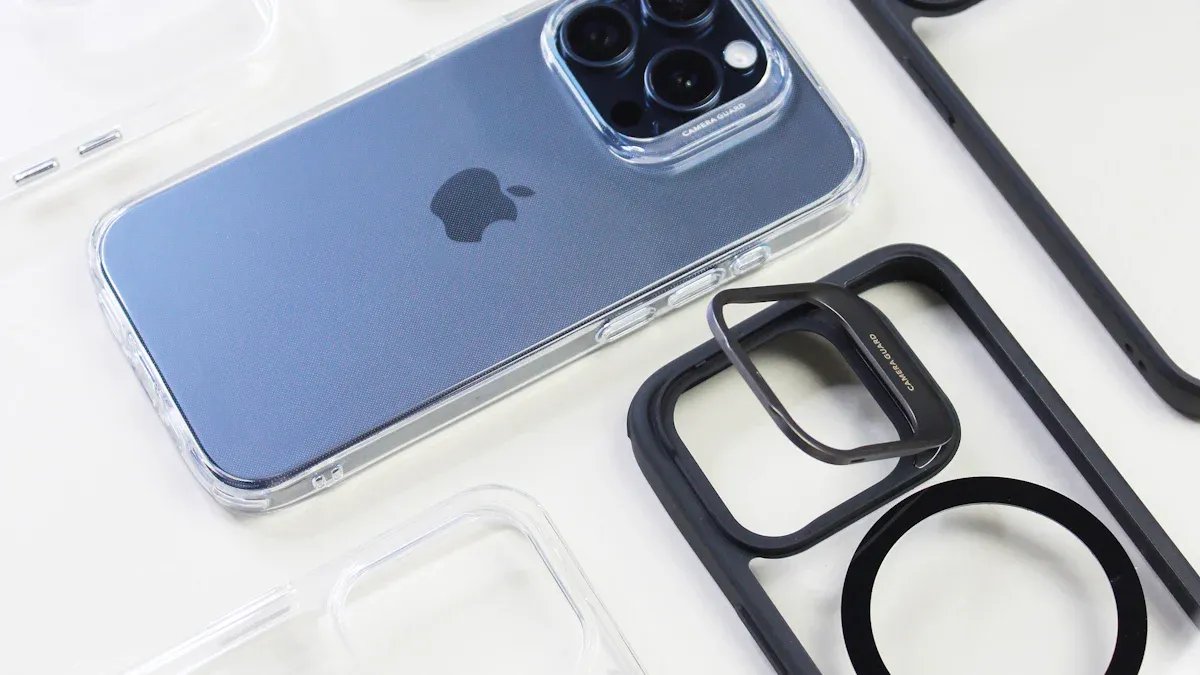
When I assess a phone case manufacturer, I always start by looking at the materials they use. I ask each supplier about their material options. Some manufacturers offer silicone, TPU, polycarbonate, or even eco-friendly choices. I prefer durable materials because they give better durability and protect phones from drops. I also check if the supplier can provide customization for colors, textures, and finishes. Customization helps me match my brand and meet customer needs.
Tip: I keep a list of material types and compare them for durability and appearance. This helps me choose high-quality manufacturers who use the best materials.
Compliance Checks
I never skip compliance checks. I ask every phone case supplier for proof that their products meet safety and environmental standards. I look for certifications like RoHS or REACH. These documents show that the manufacturer follows strict rules and uses safe materials. I also check if the supplier can handle customization requests while still meeting compliance requirements. This step protects my business and ensures stable quality.
Quality Control Processes
In-House QC
A strong quality control process is a must for any reliable manufacturer. I ask each supplier about their in-house QC team. I want to know how they inspect products during and after production. Some suppliers use advanced machines to test for strength and fit. Others rely on trained staff to check for defects. I always ask for details about their quality management systems and how they track product quality over time.
Third-Party Inspections
Sometimes, I arrange for third-party inspections. These inspections give me an unbiased view of the manufacturer’s quality. I hire independent agencies to check the factory, review the quality control process, and test finished products. Third-party reports help me spot issues early and confirm that the supplier meets my standards for the b2b supply chain for phone cases.
Requesting and Testing Samples
Sample Evaluation
Before I place a big order, I always request samples from the phone case manufacturer. I test these samples for durability, fit, and finish. I check if the supplier can deliver customization options as promised. I compare samples from several suppliers to find the best product quality. This step helps me avoid surprises and choose dependable phone case manufacturers.
Feedback Loop
After testing samples, I share my feedback with the supplier. I ask for changes or improvements if needed. Good suppliers respond quickly and adjust their process to meet my needs. This feedback loop builds trust and helps me work with high-quality phone case suppliers who value long-term partnerships. Customization, open communication, and a focus on quality make sourcing easier and more successful.
Production Capacity and Scalability
Lead Times and Delivery Performance
When I choose a phone case manufacturer, I always ask about their lead times and delivery performance. Fast and reliable delivery matters to my business. I check how often suppliers deliver orders on time. High on-time delivery rates show that a supplier values quality and keeps promises. I also look at how they handle large or urgent orders. Some suppliers use advanced logistics and technology to manage demand changes. They focus on the four R’s of supply chain management: reliability, responsiveness, resilience, and relationships. These qualities help them ship products quickly and keep customers happy.
On-Time Delivery Rates
I ask each supplier for their on-time delivery statistics. I compare these rates with industry averages. If a supplier has a history of late shipments, I look for other options. I want a partner who can meet deadlines and maintain quality. Many suppliers now offer 24-hour shipping because e-commerce has raised customer expectations. I prefer suppliers who use automated warehouses. Automation helps them respond fast to new orders and avoid delays.
Handling Large Orders
Handling large orders tests a supplier’s scalability. I ask how they manage sudden spikes in demand. Some suppliers use just-in-time methods to keep inventory low but still deliver quickly. Others rely on efficient logistics and strong relationships with shipping partners. I look for suppliers who can adjust their production schedules and use technology to track orders. These steps help them stay flexible and reliable during busy seasons.
Tip: I always ask for examples of how a supplier handled a big or urgent order in the past. Real stories show their true capabilities.
Inventory and Flexibility
Inventory management plays a key role in sourcing phone cases. I want suppliers who can adapt to changes and keep products in stock. Good inventory practices help them stay flexible and meet my needs.
Stock Management
I ask about the supplier’s stock management system. Lean inventory techniques help reduce costs and waste. Nearly 30% of companies now use lean principles to improve flexibility. I look for suppliers who use real-time updates for inventory information. Automation reduces errors and speeds up the process. Some suppliers use just-in-case strategies to keep extra stock for emergencies. This approach helps them respond to supply chain shocks and demand peaks.
- Lean inventory management reduces waste and improves flexibility.
- Real-time updates give accurate inventory information.
- Automation cuts down on manual tasks and mistakes.
- Just-in-case inventory keeps extra stock for business continuity.
Scalability
Scalability means a supplier can grow with my business. I ask if they can handle bigger orders as my company expands. Suppliers who use automation and advanced technology can scale up production quickly. They adjust their inventory levels and processes to match demand. I want a supplier who can support my growth and maintain quality at every stage.
Note: I always discuss future plans with my supplier. Clear communication helps us prepare for changes and avoid problems.
By focusing on production capacity and scalability, I make sure my sourcing process stays strong. Reliable suppliers with good inventory management and flexible systems help me deliver quality products to my customers.
Comparing Pricing and Terms
When I compare phone case suppliers, I always look closely at their pricing and terms. This helps me avoid surprises and keeps my business profitable.
Unit Price and Cost Structure
Transparent Pricing
I ask every supplier for a clear breakdown of their unit price. I want to see what each part of the cost covers. Some suppliers include packaging, shipping, and customization in the price. Others list these as extra charges. I use a table to compare costs from different suppliers:
| Supplier | Unit Price | Packaging Included | Shipping Included | Customization Fee |
|---|---|---|---|---|
| Supplier A | $1.20 | Yes | No | $0.10 |
| Supplier B | $1.10 | No | Yes | $0.15 |
| Supplier C | $1.25 | Yes | Yes | $0.05 |
This table helps me spot the best value, not just the lowest price.
Hidden Fees
I always ask about hidden fees. Some suppliers charge extra for samples, rush orders, or changes after confirming an order. I read the contract carefully and ask questions if I see unclear terms. I want to avoid surprise costs that can hurt my profit.
Tip: I keep a checklist of possible hidden fees and review it with every new supplier.

MOQs and Discounts
Negotiation Tips
I never accept the first offer on minimum order quantities (MOQs). I ask if the supplier can lower the MOQ for my first order. I explain my business goals and show that I plan to order more in the future. Many suppliers agree to smaller MOQs for new clients.
- I prepare my negotiation points.
- I stay polite but firm.
- I ask for written confirmation of any changes.
Volume Discounts
I always ask about discounts for larger orders. Suppliers often give better prices when I order in bulk. I compare discount rates and see which supplier offers the best deal for my order size. This helps me save money as my business grows.
Payment Terms
Payment Methods
I check which payment methods each supplier accepts. In my experience, the most common options include credit and debit cards. Many suppliers also accept electronic wallets, bank transfers, and peer-to-peer payments. I choose the method that works best for my business and offers the most security.
- Credit and debit cards
- Electronic wallets (e-wallets)
- Bank transfers
- Peer-to-peer payments
Risk Mitigation
I protect my business by using safe payment terms. I avoid paying the full amount upfront. I prefer to pay a deposit first and the rest after I receive the goods. I use secure payment platforms and keep records of every transaction. This reduces the risk of fraud and helps me resolve disputes if they arise.
Note: I always confirm payment details directly with the supplier before sending any money.
By comparing pricing, MOQs, discounts, and payment terms, I make smarter decisions and build stronger relationships with my phone case suppliers.
Communication and Customer Service
Clear communication helps me build trust with my phone case suppliers. I always pay attention to how quickly they respond and how well they support me during and after the order process.
Response Times and Support
Communication Channels
I use different channels to talk with suppliers. Email works well for sharing documents and keeping records. Instant messaging apps like WhatsApp or WeChat help me get quick answers. Some suppliers also offer video calls for detailed discussions. I choose the channel that matches the urgency of my question. Fast replies show me that a supplier values my business.
Tip: I always test response times before placing a big order. I send questions at different times and see how quickly the supplier answers.
After-Sales Service
Good after-sales service makes a big difference. I ask suppliers how they handle returns, replacements, or product issues. Some suppliers offer a warranty or free replacements for defective items. I check if they have a dedicated support team. This support helps me solve problems quickly and keeps my customers happy.
Here is a simple checklist I use to evaluate after-sales service:
- Do they offer a warranty?
- How do they handle returns?
- Is there a support team for urgent issues?
- What is the process for reporting defects?
Language and Cultural Fit
Avoiding Miscommunication
Language barriers can cause mistakes in orders. I always check if the supplier’s team speaks English well. I use clear and simple words in my messages. When I am not sure about something, I ask for confirmation. Sometimes, I use pictures or diagrams to explain my needs. This helps me avoid miscommunication and ensures my orders are correct.
Building Rapport
Building rapport with suppliers helps me create strong partnerships. I learn about their culture and business practices. I show respect for their holidays and working hours. I share my business goals and listen to their suggestions. This open approach leads to better cooperation and higher customer satisfaction.
Note: I keep a record of important dates and cultural notes for each supplier. This small step helps me build trust and long-term relationships.
By focusing on communication and customer service, I make sure my supply chain runs smoothly. Good support and clear conversations help me solve problems fast and keep my business growing.
Practical Supplier Evaluation Steps
Requesting Samples and Documentation
I always start my supplier evaluation by asking for product samples and important documents. Samples let me check the actual quality of the phone cases. I look at the material, color, and finish. I test the durability by bending and dropping the case. If the sample matches my expectations, I feel more confident about the supplier.
I also ask for documents like business licenses, certifications, and quality control reports. These papers show that the supplier follows industry standards. I compare the information on the documents with what the supplier told me. If I see any differences, I ask questions right away.
Tip: I keep a checklist for every supplier. I mark off each document and sample as I receive them. This helps me stay organized and avoid missing important steps.
Factory Visits or Virtual Tours
Visiting the factory gives me a clear picture of how the supplier works. I walk through the production area and see the machines in action. I talk to the workers and ask about their daily tasks. I check if the factory is clean and safe. These visits help me spot any problems before I place a big order.
Sometimes, I cannot travel to the factory. In these cases, I ask for a virtual tour. The supplier shows me the factory using a video call. I ask them to focus on the production line, storage area, and quality control section. A virtual tour still gives me valuable information, even if I am far away.
Here is a simple table I use to compare my impressions:
| Factory Name | Cleanliness | Equipment | Staff Skill | QC Area |
|---|---|---|---|---|
| Factory A | Good | Modern | High | Yes |
| Factory B | Fair | Basic | Medium | Yes |
Contacting Client References and Reviews
I always ask the supplier for client references. I contact these clients and ask about their experience. I want to know if the supplier delivered on time and if the product quality stayed the same for every order. I also ask how the supplier handled any problems.
Reading online reviews helps me learn more about the supplier. I look for comments about communication, delivery, and product quality. I trust feedback from real buyers because it gives me honest insights. If I see many positive reviews, I feel more confident in my choice.
Note: I write down the answers from client references and keep them for future use. This record helps me make better decisions when I need to choose between suppliers.
By following these steps, I make sure I choose reliable partners for my phone case supply chain.
Third-Party Inspections
I always include third-party inspections in my supplier evaluation process. These inspections give me an unbiased view of the supplier’s operations and product quality. I want to make sure that the phone case manufacturer meets my standards before I commit to a large order.
I start by choosing a reputable inspection agency. Some popular options include SGS, Intertek, and Bureau Veritas. These agencies have experience with phone case factories and know what to look for during an inspection. I contact the agency and explain my requirements. I ask them to check the production line, storage areas, and finished products.
Here is a simple checklist I use for third-party inspections:
- Inspect raw materials for quality and compliance
- Review the production process for consistency
- Check finished phone cases for defects or damage
- Verify packaging and labeling accuracy
- Confirm safety and environmental standards
The inspection agency sends me a detailed report after their visit. I read the report carefully and look for any issues. If the agency finds problems, I discuss them with the supplier. I ask the supplier to fix the issues before I place my order. This step helps me avoid costly mistakes and ensures that I receive high-quality phone cases.
Tip: I always request photos and videos from the inspection. Visual evidence helps me understand the factory’s condition and the quality of the products.
Sometimes, I use third-party inspections for random checks during production. These spot checks help me catch problems early. I also arrange final inspections before shipment. This way, I know that the products meet my standards before they leave the factory.
I compare inspection results from different suppliers. I use a table to keep track of the findings:
| Supplier | Raw Material Quality | Production Process | Finished Product | Packaging | Compliance |
|---|---|---|---|---|---|
| Supplier A | Good | Consistent | No defects | Accurate | Yes |
| Supplier B | Fair | Some issues | Minor defects | Needs fix | No |
Third-party inspections give me confidence in my sourcing decisions. I trust the results because the agency has no stake in the outcome. This step protects my business and helps me build strong relationships with reliable phone case suppliers.
Building Long-Term Partnerships
Setting Expectations and Agreements
I always start a long-term partnership by setting clear expectations with my phone case manufacturer. I outline my quality standards, delivery timelines, and product requirements. I use written agreements to avoid confusion. These documents cover every detail, from material choices to packaging. When I work on oem and odm projects, I make sure both sides understand the process and responsibilities. This helps prevent misunderstandings and builds trust from the beginning.
I use the Request for Information (RFI) process to learn about a supplier’s capabilities. This step gives me early insight into their strengths and new innovations. I can shape my agreements based on real market data. I find that high-quality manufacturers respond well to this approach. They share their best practices and suggest ways to improve durability and product quality.
Tip: I always review agreements with the supplier before production starts. This keeps everyone on the same page.
Ongoing Communication and Feedback
Regular communication keeps my partnerships strong. I schedule check-ins to discuss order progress and address any issues. I use email, phone calls, and instant messaging to stay connected. When I see a problem, I share feedback right away. This helps the supplier fix issues quickly and maintain quality.
I also encourage open feedback from the supplier. They often have ideas to improve the product or streamline the process. I listen to their suggestions, especially during oem/odm partnership projects. This two-way communication leads to better results and higher customer satisfaction.
- I keep a log of all feedback and changes.
- I ask for updates on new materials or technology.
- I celebrate successes together, like on-time deliveries or improved durability.
Performance Monitoring
I monitor supplier performance to ensure long-term success. I track key metrics, such as delivery times, defect rates, and customer satisfaction scores. I use a simple table to record these numbers:
| Metric | Target | Actual |
|---|---|---|
| On-time Delivery | 98% | 97% |
| Product Quality | 99% | 98.5% |
| Customer Satisfaction | 4.5/5 | 4.6/5 |
Continuous monitoring alerts me to changes that might affect compliance or risk. I review reports and address any gaps right away. Industry experts say that ongoing compliance monitoring is essential for strong partnerships. This approach helps me stay ahead of problems and keep my supply chain running smoothly.
Note: I update my performance records after every order. This habit helps me spot trends and make better decisions for future oem and odm projects.
By setting clear agreements, maintaining open communication, and monitoring performance, I build reliable, long-term partnerships with my suppliers. These steps ensure consistent quality, strong durability, and lasting customer satisfaction.
I always follow a clear process to find reliable B2B phone case suppliers. I use online platforms, talk with industry peers, and check every supplier’s background. I test samples and review feedback before making a decision. Combining digital tools with real-world insights gives me the best results. I encourage you to use these steps. Careful research and strong relationships help you build a successful phone case supply chain.
FAQ
How do I know if a phone case supplier is legitimate?
I always check business licenses and certifications. I verify company details on official government websites. I ask for references from other buyers. I trust suppliers who provide clear documents and respond quickly to my questions.
What certifications should a reliable phone case manufacturer have?
I look for ISO9001 for quality management. I also check for CE and RoHS certifications, especially for markets with strict safety rules. These certifications show that the supplier meets industry standards.
How can I test the quality of phone cases before placing a large order?
I request samples from each supplier. I test the cases for durability, fit, and finish. I compare samples from different manufacturers. I also ask for third-party inspection reports if available.
What is the best way to negotiate minimum order quantities (MOQs)?
I explain my business goals and future plans. I ask if the supplier can lower the MOQ for my first order. I stay polite and clear during negotiations. Many suppliers agree to smaller MOQs for new clients.
How do I handle communication with suppliers in different countries?
I use clear and simple language. I choose email or instant messaging for quick replies. I confirm important details in writing. I respect time zones and cultural differences to build strong relationships.
Why should I use third-party inspections?
Third-party inspections give me an unbiased view of the supplier’s quality and processes. I trust inspection agencies to spot problems early. This step helps me avoid costly mistakes and ensures I receive high-quality products.
What payment methods are safest for international orders?
I prefer secure payment platforms like PayPal or bank transfers. I avoid paying the full amount upfront. I use deposits and keep records of every transaction. This protects my business from fraud.
How do I build a long-term partnership with a supplier?
I set clear expectations and use written agreements. I communicate regularly and share feedback. I monitor performance and celebrate successes together. Strong partnerships lead to better quality and reliable supply.


 English
 Arabic
 Chinese (Simplified)
 Dutch
Dutch French
 German
 Italian
 Portuguese
 Russian
 Spanish