

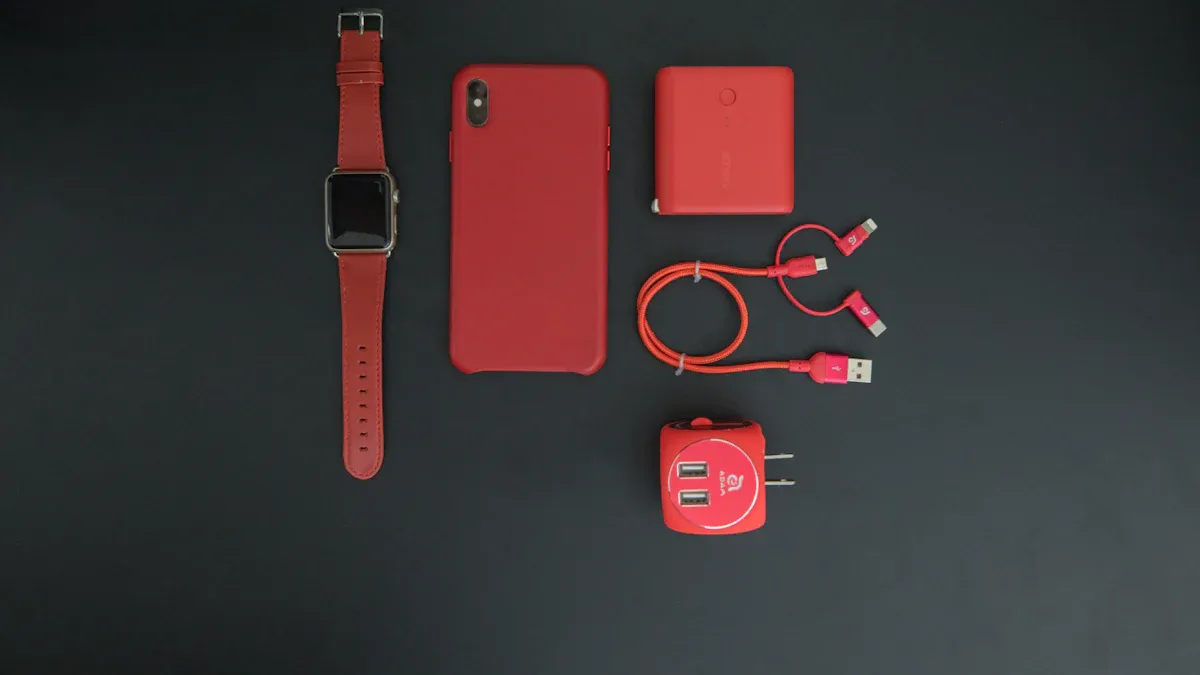
Brands usually set clear goals before selecting a manufacturer for branded phone case manufacturing. They choose the case styles they prefer and decide on branding elements, as well as identifying their target customers. Additionally, they consider the quantity of cases required. Many brands seek options that allow for flexibility and materials that align with their vision.
We have always wanted to use our own materials to create phone cases, and casefty provided us with a comprehensive set of solutions and numerous tips.
Quality, price, design options, and customer support are essential factors. The global market for branded phone case manufacturing may reach £38.3 billion by 2025. With the increasing number of smartphone users, there is a growing demand for personalised products. The rapid growth of online shopping facilitates this trend. Brands should also contemplate future expansion and be prepared for emerging market demands.
Key Takeaways
- Look for quality and strength when picking a manufacturer. Try samples to see if they keep phones safe.
- Read what customers say and check ratings. Good reviews help people trust your brand.
- Look at prices from many suppliers. Buying in large amounts can make things cheaper and help you compete.
- Choose manufacturers with good customer service and green choices. This makes your brand look better and more attractive.
- Make a checklist to judge each manufacturer. This helps you remember all the important things before you choose.
Branded Phone Case Manufacturing Criteria
Product Quality and Durability
Brands need to focus on quality when picking a manufacturer. Good cases keep phones safe from scratches and drops. Manufacturers use special tests like DROP+ Certification and Military Standard Test. These tests show if the cases are tough enough. The materials and how the case is made are very important. Strong plastics and rubber help protect phones better. Brands should ask about the tests and get samples first. This helps them check the quality before buying many cases.
Manufacturer Reputation and Ratings
A manufacturer’s reputation can affect how well branded phone cases sell. Brands should look at customer ratings and reviews online. These reviews show what people think about the products and service.
- Customer ratings and reviews help people decide what to buy.
- Good reviews make a brand look better, but bad reviews hurt it.
- More reviews mean more people know about the product and may buy it.
- Different types of reviews can change how likely people are to buy.
- Online reviews matter more for brands that are not well known.
Awards and certifications also show if a manufacturer is trusted. Here are some important awards:
| Award/Certification | Description |
|---|---|
| EB100 | Top SME for growth, money, culture, and service. |
| The Queen’s Awards | Given for trade and new ideas, showing export growth. |
| Employer of the Year | For helping workers learn and grow. |
| Fast Track 100 | One of Britain’s fastest-growing private companies. |
| Financial Times 1000 | Named as one of Europe’s fastest-growing companies. |
| Disability Confident | Shows the company hires people fairly. |
| Soil Association | For handling organic products. |
| 5 Star Food Rating | Highest hygiene rating from the Food Standards Agency. |
Manufacturers with these awards usually have high standards.
Pricing and Affordability
Price matters a lot when making branded phone cases. Brands should check prices from different manufacturers and places. For example, China often has lower prices than Western countries. Buying many cases at once can lower the price per case. Minimum order amounts set how much brands must buy. Payment rules, like discounts for big orders, help brands save money. Bulk buying helps brands spend less and stay competitive.
- Checking prices from different sellers helps brands save money.
- Payment rules and discounts for big orders help manage costs.
- Buying in bulk saves money and helps brands compete.
Customer Support and Added Features
Good customer support is important for branded phone case manufacturing. Reliable manufacturers answer questions quickly and clearly. Brands also like extra features, such as eco-friendly materials.
The eco-friendly device protection materials market has five main types: Bio-based, Biodegradable, Recyclable, Recycled, and Compostable. These include bamboo, cork, and recycled ocean plastic.
Eco-friendly cases use materials that break down naturally in a few years. This is better for the environment than regular plastic cases. Manufacturers may use bamboo, cork, wood, flax, hemp, recycled plastic, recycled rubber, or paper. These choices help brands show they care about the planet.
- Eco-friendly cases help cut down on waste.
- They lower carbon emissions from making and throwing away cases.
- They fit with a lifestyle that cares about the planet.
Brands should pick manufacturers with good support and new features. These things make the experience better and help brands stand out.
Choosing the Right Phone Case Supplier
Finding Manufacturers Online and Offline
Brands usually look for suppliers on the internet first. Online directories and marketplaces show many suppliers. It is easy to compare them there. Some brands go to trade shows and events. These places help brands find new partners and products.
- Trade shows let brands meet new partners.
- Buyers can look at many products and services.
- Brands talk to suppliers in person and see products up close.
- Events help brands learn about new trends and what others are doing.
Tip: Going to trade shows helps brands build strong supplier relationships and find better business chances.
Local vs Overseas Options
Brands need to choose between local and overseas suppliers. The table below shows the main good and bad points:
| Sourcing Type | Advantages | Disadvantages |
|---|---|---|
| Local | Lower transport costs Faster delivery Better community ties Meetings in person Easy inspections |
Fewer choices Possible quality problems Local economy effects Risk from local disasters |
| Global | More choices Cheaper production Special resources New market chances |
Tariffs and rules Quality control problems Harder to talk to suppliers |
Evaluating Experience and Reliability
Brands should check some things before picking a supplier.
- Communication: Suppliers must reply fast and clearly.
- Reputation: Brands should read reviews and ask old customers.
- Ethics: Suppliers should use fair sourcing and care for the planet.
- Experience: Brands need to know how long the supplier has worked.
- Quality checks: Suppliers must have strong ways to check quality.
- Capacity: Suppliers should be able to grow with the brand.
- Customisation: Suppliers must let brands change products.
- Lead times: Brands should know how long orders and delivery take.
- Pricing: Suppliers must explain prices and discounts.
- Supply chain: Brands should ask about stock and order handling.
Brands should look out for warning signs. These include no proper website, no company name, only WhatsApp contact, very low prices, no real address, and asking for payment on platforms that cannot be tracked.
Types of Phone Cases and Design Options
Style and Material Choices
Brands can pick from many phone case types. Hard cases use strong materials like polycarbonate or leather. These cases keep phones safe from drops and scratches. Soft cases use silicone or bendy plastic. They soak up shocks and fit tightly. Wallet cases hold cards and cash. Rugged cases have extra layers for tough hits and water. Slim cases are light and easy to carry.
The table below shows how materials change how tough and good-looking cases are:
| Case Type | Material Used | Durability Features | Appearance Features |
|---|---|---|---|
| Standard cases | Silicone, Leather | Light, protects well, raised edge for screen | Many designs, simple to use |
| Tough cases | Many layers of materials | Made for hard hits, keeps out water and dust | Thicker but feels safer |
| Flip cases | Faux leather, leather | Covers screen, space for cards and cash | Looks nice, can be used as a stand |
| Plastic cases | Soft silicone, polycarbonate | Can be changed, can be recycled, stops bumps | Clear ones show off the phone |
| Silicone cases | Silicone | Bends, stops shocks, raised edge | Light, fits tightly |
| Polycarbonate cases | Tough polycarbonate | Very strong, protects weak spots | Comes in shiny or dull looks |
| Leather cases | Real leather | Tough, does not slip easily | Looks cool, stands out |
| Faux leather cases | Fake leather | Stays looking good, protects well | Can add pictures |
Eco-friendly cases use bamboo or recycled plastic. These cases last a long time and protect phones well. Brands like Pela Case and Nimble use green materials for better strength.
Customisation and Branding
Brands use custom choices to make cases special. They upload pictures from phones or social media. They add words with different styles, sizes, and colours. They pick case types and materials to make them personal. Templates help people add names or initials. Custom branding helps brands match cases to their style and what people want.
| Customisation Option | Description |
|---|---|
| Upload Images | People can upload pictures from phones or social media like Facebook and Instagram. |
| Add Text | You can change words with different styles, sizes, and colours. |
| Choose Case Types and Materials | Many case types and materials can be picked for personal use. |
| Design Templates | Ready-made templates let people add their names or initials. |
Custom branding links brand style to what customers expect. Psychographic segmentation helps brands know what people like. Segmentation lets brands make things that feel special.
Prototyping and Market Testing
Brands try out custom designs before selling them. They make samples of hard cases, soft cases, wallet cases, rugged cases, and slim cases. Prototyping helps brands check if cases fit and work well. Market testing shows which case types and extra features people like most. Brands use feedback to make designs better and pick the best ones for their buyers.
Tip: Brands should choose designs that fit their audience and what is popular. Trying different case types and custom features helps brands do well.
Final Selection and Partnership
Shortlisting and Sample Requests
Brands make a list of manufacturers that fit their needs. They check reviews and prices. They see if the manufacturer can make custom moulded cases. After choosing a few, brands ask each supplier for samples. These samples help brands check the quality. Brands look at how well the printed sample cases match their designs. They also ask for branded sample cases. This lets them test how logos and colours look on different materials.
A simple checklist helps brands decide what to do next:
| Step | Action |
|---|---|
| Research | Compare manufacturers and read reviews |
| Request samples | Ask for printed sample cases and branded sample cases |
| Test functionality | Check how cases fit and protect devices |
| Assess durability | Drop and scratch tests on samples |
| Review customisation | Evaluate custom moulded options |
| Compare costs | Look at pricing and discounts |
Tip: Brands should always test printed sample cases for colour and print quality before buying lots of cases.
Building Long-Term Partnerships
Good partnerships with phone case manufacturers need a few things. Brands talk clearly with manufacturers. This helps everyone work towards the same goals. Brands build friendly relationships with manufacturers. This makes trust and teamwork stronger. Regular follow-up keeps both sides happy and working well together.
- Clear talking helps brands and manufacturers fix problems fast.
- Friendly relationships help people work together and be honest.
- Regular follow-up makes sure printed sample cases and branded sample cases are good.
Brands often order printed sample cases before selling new designs. These samples show if the manufacturer can make cases that work well and look nice. Brands use printed sample cases to try new materials and finishes. By checking samples often, brands keep printed sample cases at a high standard and make sure the quality stays the same.
Note: Brands should keep notes about all printed sample cases and feedback from each round of samples. This helps them see what gets better and find any problems with how the cases work or last.
Picking the right bibercas branded phone case maker takes a few steps. Brands should look for ways to save money. They need lots of choices and ways to make cases special. Brands must pick materials that match their style and last long. It is important to check if the maker has a good name and cares about the planet. Using a checklist helps brands spot problems and choose wisely. This way, brands keep their style strong and do well for a long time. Brands should keep checking how the maker does to keep their style strong.
- Saving money helps brands earn more.
- Many choices help brands please buyers.
- Special designs make brands stand out.
- Material picks show what a brand is like.
- Strong cases help brands stay trusted.
- Good name and green choices make brands better.
| Checklist Item | Description |
|---|---|
| Vendor Due Diligence | Careful check for any vendor problems |
| Risk Review Structure | Matches with business and industry risks |
| Informed Decision-Making | Helps brands avoid mistakes when choosing |
Tip: Brands should use a checklist to make picking easier and keep their style safe.
FAQ
What is branding in phone case manufacturing?
Branding means putting a company’s name or logo on cases. It helps people remember the company. Good branding makes products easy to spot. Companies use branding to show their style. Branding also helps customers trust the company.
How does branding affect the choice of phone case manufacturer?
Branding helps companies pick the right manufacturer. Companies want someone who can match their branding needs. The best manufacturer offers lots of branding choices. They use good printing for logos and designs. Strong branding brings in more buyers.
What are the most popular branding methods for phone cases?
Manufacturers use different ways to brand cases. These include UV printing, embossing, engraving, and screen printing. Each way makes the case look and feel special. Companies pick the method that suits their style. Good branding makes cases stand out.
Why is case branding important for businesses?
Case branding helps businesses get noticed in the market. It shows what the company is like. Customers remember the brand when they see the logo. Case branding helps people stay loyal. People trust brands they know and recognise.
Can eco-friendly materials support branding goals?
Eco-friendly materials help with branding goals. They show a company cares about the planet. Many customers like brands that use green materials. Eco-friendly branding brings new buyers. It also helps companies look good.


 English
 Arabic
 Chinese (Simplified)
 Dutch
Dutch French
 German
 Italian
 Portuguese
 Russian
 Spanish