

What Makes a Hard Plastic Phone Case Eco-Friendly
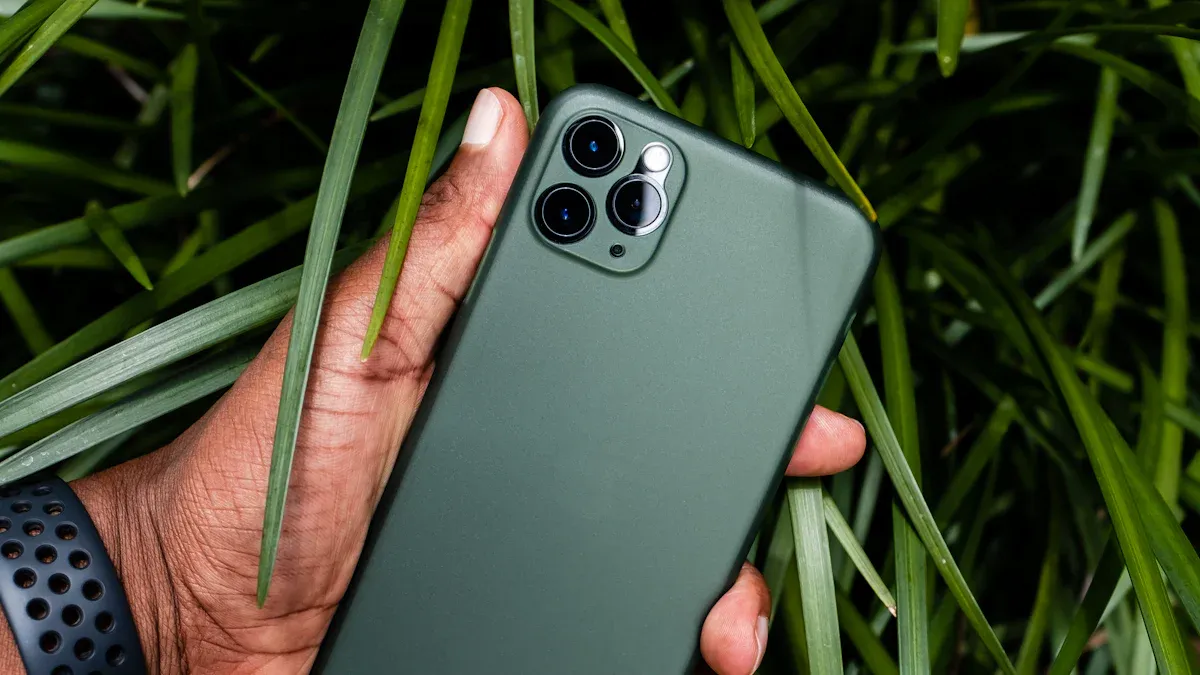
An eco-friendly hard plastic phone case uses bio-based or recycled materials and considers its full lifecycle for environmental protection. Companies define an eco-friendly product by reducing synthetic, petroleum-based content and ensuring the case decomposes quickly without releasing microplastics or toxins. The most environmentally friendly phone case limits its impact on the environment from creation to disposal. Shoppers should look for clear eco-friendly features and third-party verifications that confirm the product’s positive environmental impact.
Key Takeaways
- Eco-friendly phone cases use recycled or bio-based materials to reduce environmental impact.
- Look for clear eco-friendly labels and third-party certifications when shopping for sustainable phone cases.
- Durable eco-friendly cases provide the same protection as traditional cases, reducing the need for replacements.
- Choose cases made from compostable materials to minimize landfill waste and support a circular economy.
- Participate in take-back programs to help recycle old phone cases and reduce plastic waste.
- Ask manufacturers about materials and end-of-life options to verify sustainability claims.
- Sustainable manufacturing practices lower energy use and waste, benefiting both the environment and consumers.
- Innovations in materials, like bioplastics and plant fibers, are making eco-friendly phone cases more accessible and effective.
Eco-Friendly Materials
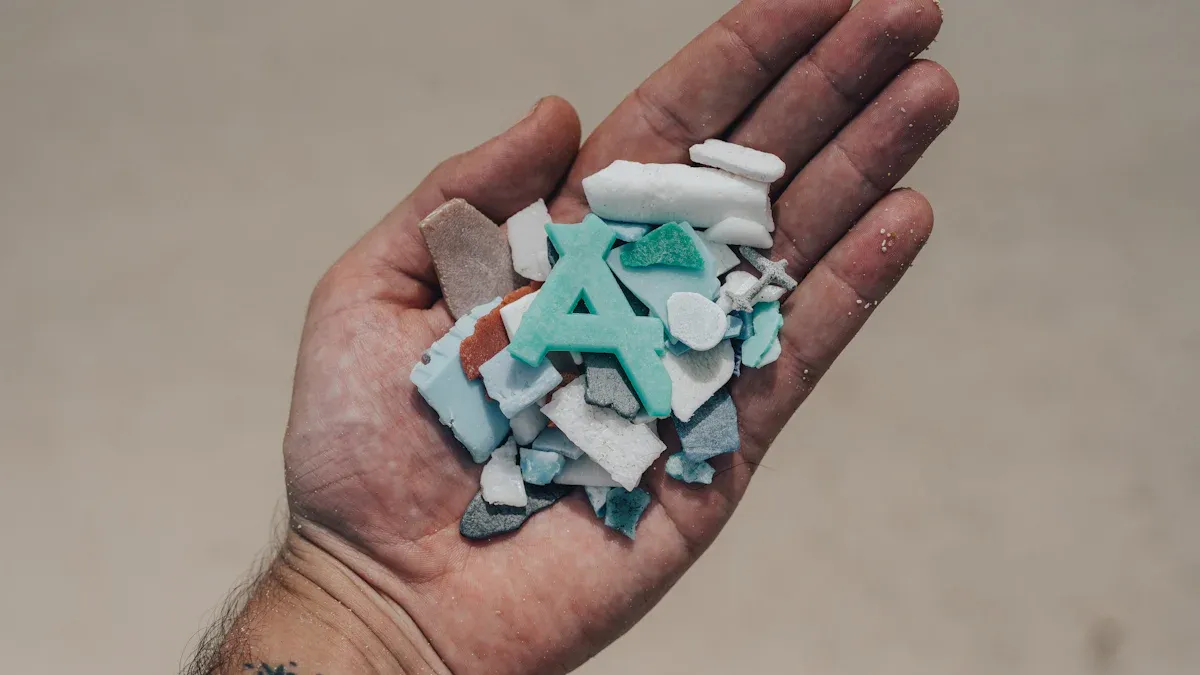
Eco-friendly phone cases use a variety of green materials to reduce their environmental impact. The choice of material plays a key role in sustainable design and the overall lifecycle of a hard plastic phone case. Manufacturers select recycled materials, bioplastics, plant-based composites, and non-toxic additives to create eco-friendly phone cases that are both protective and environmentally sustainable.
Recycled Plastics
Recycled materials form the backbone of many eco-friendly phone cases. By reusing plastics that have already served their original purpose, manufacturers help keep waste out of landfills and oceans. This approach supports a circular economy and reduces the need for new, petroleum-based plastics.
Ocean-Based Plastics
Some eco-friendly phone cases use plastics collected from oceans and waterways. These ocean-based plastics help clean up marine environments while providing a valuable resource for new products. By turning waste into a useful material, companies offer eco-conscious alternatives that protect both devices and the planet.
Post-Consumer Content
Post-consumer recycled materials come from items that people have already used and recycled, such as water bottles or packaging. Using post-consumer content in a hard plastic phone case lowers the demand for virgin plastic and reduces the carbon footprint of production. This method also encourages responsible recycling habits among consumers.
Bioplastics & Plant-Based
Bioplastic phone cases use renewable sources like cornstarch, sugar cane, or bamboo. These materials break down more quickly than traditional plastics, making them a popular choice for biodegradable phone cases. The environmental profile of these cases is superior because they decompose faster in composting conditions and do not persist in landfills for centuries.
| Type of Plastic | Materials Used | End of Life | Circularity |
|---|---|---|---|
| Bioplastics (PLA) | Renewable resources (e.g., corn) | Composting in industrial facilities | Organic recycling, creating compost for new plants |
| Conventional Plastics | Finite resources (petrochemicals) | Landfill or incineration | Limited recycling, often loses functionality |
Bioplastics can reduce greenhouse gas emissions by up to 70% compared to conventional plastics. They sequester carbon during the growth of their feedstocks, which further lowers their environmental impact. The overall carbon balance depends on how the crops are grown and the energy used in production.
Flax, Hemp, Castor Bean
Some eco-friendly phone cases use plant fibers such as flax, hemp, or castor bean. These green materials add strength and durability while remaining biodegradable. Plant-based composites offer a natural look and feel, appealing to consumers who want environmentally sustainable products.
Biodegradable Glues
Manufacturers often use biodegradable glues to assemble eco-friendly phone cases. These adhesives break down naturally, ensuring that every part of the case supports a lower environmental impact. This attention to detail helps create truly biodegradable materials from start to finish.
Non-Toxic Additives
Eco-friendly phone cases avoid harmful chemicals and toxins. Non-toxic additives ensure that the case does not release dangerous substances during use or disposal. This choice protects both users and the environment, making the product safer throughout its lifecycle.
Tip: When shopping for eco friendly phone cases, check for labels that mention recycled materials, bioplastic, or plant-based content. These features signal a commitment to environmentally responsible manufacturing.
Eco-friendly phone cases stand apart from traditional options because they use biodegradable materials and recycled content. Biodegradable cases decompose naturally, reducing landfill waste and pollution. The production of eco-friendly cases also uses less energy and renewable resources, which lowers their carbon footprint. Manufacturers face challenges such as balancing aesthetics and functionality, managing complex supply chains, and ensuring responsible sourcing. However, increasing consumer demand for eco-conscious alternatives drives innovation in sustainable design.
Sustainable Manufacturing
Energy Use
Sustainable manufacturing focuses on reducing energy consumption during production. Companies that make eco-friendly phone cases often use renewable energy sources and energy-efficient equipment. For example, manufacturers like Pela save up to 50% less non-renewable energy when producing bioplastic phone cases compared to traditional plastic cases. This approach also results in up to 60% less greenhouse gas emissions. Lower energy use means fewer fossil fuels burned and less pollution released into the air. These changes help protect the environment and support a cleaner future.
Waste Reduction
Waste reduction plays a key role in sustainable manufacturing. Many companies use several strategies to limit waste and conserve resources:
- Use of plant-based bioplastics, recycled plastics, and natural fibers reduces the demand for new resources and diverts waste from landfills.
- Ethical production methods, such as energy and water conservation, non-toxic dyes, and waste reduction practices, minimize environmental impact.
- Eco-friendly cases lead to a reduced carbon footprint, less plastic pollution, and conservation of resources.
By choosing these methods, manufacturers create products that are both eco-friendly and efficient. Waste reduction not only saves money but also helps keep the planet cleaner for future generations.
Non-Toxic Processes
Non-toxic processes ensure that eco-friendly phone cases do not harm people or the environment. Manufacturers avoid using dangerous chemicals and instead choose safer alternatives. This practice protects workers during production and users during daily use. Non-toxic dyes and glues prevent harmful substances from entering the soil or water when the case reaches the end of its life. As more consumers prefer environmentally responsible products, companies invest in safer materials and cleaner processes. Raising awareness about these benefits encourages more brands to adopt sustainable manufacturing.
Note: A lifecycle-wide perspective helps companies assess the true environmental impact of their products. Open discussions about sustainability can improve recycling habits and promote better choices in the phone case industry.
Certifications
Eco-Friendly Labels
Eco-friendly labels help shoppers identify products that meet strict sustainability standards. These labels appear on packaging or product descriptions and signal that the manufacturer has taken steps to reduce harm to the planet. Many consumers look for these labels when choosing a hard plastic phone case.
- Eco-friendly labels on hard plastic phone cases align with the increasing consumer awareness and preference for sustainable products.
- Younger generations are particularly influenced by these labels, as they prioritize sustainability and are willing to pay more for eco-friendly options.
- The demand for eco-friendly phone cases is driven by a significant shift in consumer behavior towards environmental consciousness.
Manufacturers use these labels to show their commitment to environmentally responsible practices. Labels often indicate that the product uses recycled materials, plant-based components, or non-toxic additives. Some labels also highlight energy-saving production methods or reduced packaging waste. When shoppers see these labels, they can feel confident that the product meets certain environmental certifications.
Tip: Always check for clear and recognized eco-friendly labels before making a purchase. These labels provide assurance that the product supports a healthier planet.
Third-Party Verification
Third-party verification adds another layer of trust to eco-friendly claims. Independent organizations review the manufacturing process, materials, and overall impact of a phone case. EcoVerify stands out as a leading third-party group in the phone case industry. Their process follows international standards such as ISO 14001 and ISO 14068-1. These standards require companies to provide clear data and undergo impartial reviews. EcoVerify’s rigorous approach ensures that only products with proven sustainability receive their approval.
Manufacturers who earn third-party verification can display this achievement on their products. This recognition helps shoppers make informed choices. It also encourages more companies to adopt sustainable practices. Third-party verification supports the growth of environmentally friendly products and builds trust between brands and consumers.
Durability & Protection
Longevity
A phone case must protect a device from drops, scratches, and daily wear. Eco-friendly cases meet these needs by using strong materials and smart designs. Many eco-friendly hard plastic phone cases offer the same level of protection as traditional options. For example:
- Eco-friendly phone cases can withstand drops just as well as traditional phone cases.
- CASETiFY cases are military-grade drop-tested, ensuring 6.6 feet of drop protection.
These features show that eco-friendly cases do not sacrifice safety for sustainability. Manufacturers test their products to make sure they meet high standards. A durable case means fewer replacements over time. This reduces plastic waste and saves money for the user. When a case lasts longer, it also lowers the impact on the environment by cutting down on the resources needed for new products.
Eco-friendly phone cases are designed to last longer than single-use or short-lived alternatives. This longevity minimizes waste and the environmental impact associated with the manufacturing and disposal of phone cases. These cases often use sustainable materials that are recyclable, biodegradable, or compostable. This approach further reduces the overall environmental footprint.
Tip: Choose a phone case with proven drop protection and a reputation for lasting quality. A durable case protects both your device and the planet.
Reducing E-Waste
Electronic waste, or e-waste, grows every year as people replace devices and accessories. Phone cases contribute to this problem when they break easily or go out of style quickly. Eco-friendly hard plastic phone cases help reduce e-waste in several ways:
- They use sturdy materials that resist cracking and fading.
- Their longer lifespan means fewer cases end up in landfills.
- Many eco-friendly cases are recyclable or compostable, which cuts down on plastic waste.
By choosing a case that lasts, consumers help keep plastic waste out of the environment. This choice also supports a more environmentally responsible lifestyle. Companies that design for durability encourage people to buy less often and think about the impact of their purchases. As a result, the cycle of constant replacement slows down, and the amount of discarded plastic waste drops.
A focus on durability and protection does not only benefit the user. It also plays a key role in reducing the impact on the environment. Eco-friendly phone cases prove that strong protection and sustainability can go hand in hand.
Recyclable & Compostable Options
Recyclable Hard Plastic Phone Case
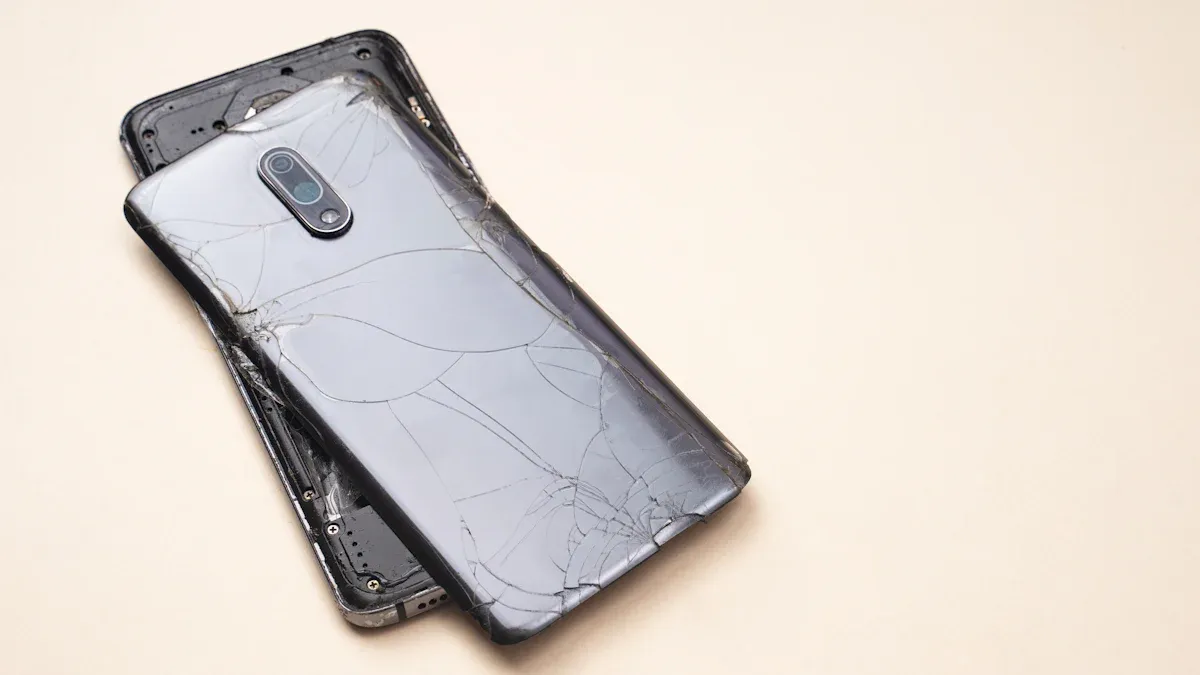
A recyclable hard plastic phone case offers a solution to the growing problem of plastic waste. Manufacturers design these cases using single-type plastics, which makes recycling easier. However, most plastic phone cases on the market are not recyclable. Companies often blend different types of plastics, which complicates the recycling process. As a result, the majority of these cases end up in landfills or get incinerated. In Sweden, less than 10% of all plastic produced each year is recycled. This low recycling rate highlights the need for better design and clearer labeling for recyclable phone cases.
Key facts about recyclable phone cases:
- Most plastic phone cases are not recyclable due to mixed materials.
- The majority end up in landfills or are incinerated.
- Less than 10% of plastic produced annually is recycled in some countries.
Consumers should look for clear recycling symbols and instructions on packaging. When a hard plastic phone case is truly recyclable, it can be processed and reused, reducing the demand for new raw materials and lowering environmental impact.
Compostable Materials
Compostable materials provide another eco-friendly option for phone cases. These materials break down naturally and return nutrients to the soil. Manufacturers use renewable resources to create biodegradable phone cases that decompose in real-world composting environments. Common compostable materials include:
- Bamboo fiber: A renewable resource that breaks down naturally.
- Corn: Biodegradable and non-toxic after decomposition.
- Flax: Supports sustainable practices and is compostable.
- Hemp: Known for durability and eco-friendliness.
- Wood pulp: Breaks down into non-toxic elements, aiding composting.
A completely compostable phone case will not leave harmful residues behind. These cases help reduce landfill waste and support a circular economy. Biodegradable phone cases made from plant-based materials offer a practical solution for consumers who want to minimize their environmental footprint.
Take-Back Programs
Take-back programs play a vital role in reducing landfill waste from phone cases. Companies collect used cases and reuse the materials, which prevents waste from ending up in landfills. These programs encourage recycling and resource conservation by recovering valuable materials. They also minimize the need for raw material extraction. Take-back programs ensure the safe disposal of hazardous substances, protecting the environment. Many brands use these programs to promote corporate social responsibility, which improves their reputation and builds customer loyalty.
Tip: Consumers can support sustainability by choosing brands that offer take-back programs for hard plastic phone cases. Participation helps close the loop and keeps valuable resources in use.
Recyclable and compostable features impact the end-of-life stage of phone cases. They reduce landfill waste, conserve resources, and support a healthier planet. By choosing recyclable phone cases, biodegradable phone cases, or participating in take-back programs, consumers make a positive difference for the environment.
Choosing Eco-Friendly Phone Cases
What to Look For
Shoppers should focus on several important features when selecting sustainable phone cases. Experts recommend choosing cases made from recycled materials, natural fibers, or biodegradable polymers. These options help reduce plastic waste and support a circular economy. Many eco friendly phone cases use plant-based plastics or recycled fibers, which lower the environmental footprint compared to traditional silicone or petroleum-based plastics.
Key features of eco-friendly phone cases include:
- Recycled content: Cases made from recycled plastics or fibers.
- Natural materials: Options crafted from bamboo, flax, or hemp.
- Non-toxic additives: Materials that do not release harmful chemicals.
- Durability: Products that protect devices and last longer.
- Compostable or recyclable design: Cases that can be reused or safely break down at the end of their life.
Eco-friendly phone cases often provide health benefits by avoiding toxic substances. They also offer durability comparable to traditional cases. Many users find that these cases have a better grip and resist yellowing, even with heavy use.
Tip: Look for clear labeling about recycled, plant-based, or biodegradable content. These details signal a commitment to sustainability.
Questions to Ask
Consumers should ask manufacturers specific questions to verify sustainability claims. The following table lists important questions and explanations:
| Question to Ask | Explanation |
|---|---|
| What materials are used in the phone case? | This helps assess the environmental impact and resource use. |
| How much of the product is plant-based? | Knowing the percentage of bio-based materials shows sustainability. |
| What are the end-of-life options for the case? | Compostable or recyclable cases minimize waste. |
| Is there a third-party certification for compostability? | Certifications verify claims and reduce greenwashing. |
Buyers should also watch for vague terms like “eco-friendly” or “all natural.” Third-party certifications provide extra assurance that the case meets environmental standards.
Balancing Protection & Sustainability
A sustainable phone case must protect devices while supporting the environment. Designers now focus on creating environmentally friendly phone cases that meet consumer expectations for durability and usability. Many sustainable phone cases use strong materials and smart engineering to offer shatter-proof protection. For example, the PlusOne case uses 100% biodegradable PLA and provides robust defense against drops for popular devices.
Sustainable phone cases balance environmental, economic, and social factors. They use recyclable or compostable materials and avoid synthetic polymers with high environmental footprints. These cases prove that users do not need to sacrifice protection for sustainability. Eco friendly phone cases can last as long as traditional options and help reduce waste.
Note: The most environmentally friendly phone case considers both protection and sustainability. Choosing a sustainable phone case supports a healthier planet and keeps devices safe.
Future of Sustainable Phone Cases
Material Innovations
Manufacturers continue to explore new materials for sustainable phone cases. They focus on reducing environmental impact while maintaining durability and protection. Many companies now use bioplastics made from renewable resources like corn, sugarcane, or algae. These materials break down faster than traditional plastics. Some brands experiment with mushroom-based packaging and case materials. Mycelium, the root structure of mushrooms, grows quickly and decomposes naturally. This innovation offers a strong and compostable alternative to petroleum-based plastics.
Researchers also develop advanced plant fiber composites. Flax, hemp, and bamboo fibers add strength and flexibility to phone cases. These fibers come from fast-growing plants that require fewer chemicals and less water. Some companies use recycled ocean plastics, turning waste into valuable products. This approach helps clean up waterways and reduces the need for new plastic production.
Note: Material innovations often lead to better performance and a smaller carbon footprint. As technology improves, more eco-friendly options become available to consumers.
Industry Trends
The market for sustainable phone cases grows rapidly. More consumers want products that protect both their devices and the environment. Companies respond by offering a wider range of eco-friendly designs and materials. Many brands now provide take-back programs and clear recycling instructions. These efforts help reduce waste and encourage responsible disposal.
The following table shows the projected growth of the sustainable phone case market:
| Region | CAGR (%) | Projected Market Value (USD) |
|---|---|---|
| Overall Market | 6.5 | 35 billion by 2033 |
| Asia Pacific | 7.2 | N/A |
| North America | N/A | N/A |
| Europe | N/A | N/A |
A compound annual growth rate (CAGR) of 6.5% signals strong demand worldwide. The Asia Pacific region leads with a 7.2% CAGR, showing that interest in sustainable products is rising quickly in that area.
Switching to sustainable phone cases can lead to a significant reduction in waste and pollution. Traditional cases often end up in landfills, where they can take centuries to decompose. Sustainable alternatives use biodegradable materials that break down naturally. Their production also requires less energy, which lowers the carbon footprint compared to conventional plastic cases.
Tip: As more people choose eco-friendly phone cases, the industry will continue to innovate. Consumers can expect new materials, better recycling options, and more responsible brands in the years ahead.
A truly eco-friendly hard plastic phone case uses sustainable materials, ethical manufacturing, and clear end-of-life solutions. Recent research shows that circular economy programs and plant bioplastics improve both product function and environmental impact. Companies like OtterBox now use recycled plastics and recyclable packaging to reduce waste.
| Criteria for Eco-Friendly Phone Cases |
|---|
| Recycled, compostable, or sustainable materials |
| Ethical and transparent manufacturing |
| Low waste packaging/delivery is a bonus |
| End of life is being recycled or composted |
Consumers should research product claims, use their current hard plastic phone case until it breaks, and choose compostable options when possible. These steps help minimize environmental impact and support a healthier planet.
FAQ
What materials make a phone case eco-friendly?
Eco-friendly phone cases use recycled plastics, plant-based bioplastics, or natural fibers like flax and hemp. These materials reduce waste and lower the environmental impact compared to traditional petroleum-based plastics.
Can a hard plastic phone case be both durable and sustainable?
Yes. Many sustainable phone cases use strong recycled or plant-based materials. These cases protect devices from drops and scratches while also reducing waste and pollution.
How can someone tell if a phone case is truly recyclable?
Look for clear recycling symbols and instructions on the packaging. Single-type plastics are easier to recycle. Third-party certifications or take-back programs also show a company’s commitment to recycling.
Are compostable phone cases safe for the environment?
Compostable phone cases break down into non-toxic elements in composting conditions. They do not leave harmful residues or microplastics, making them a safe choice for the environment.
Do eco-friendly phone cases cost more than regular cases?
Some eco-friendly phone cases cost slightly more due to sustainable materials and ethical manufacturing. However, their durability and environmental benefits often justify the price.
What certifications should buyers look for?
Buyers should look for certifications like EcoVerify, ISO 14001, or compostability labels. These third-party verifications confirm that the phone case meets strict environmental standards.
Can eco-friendly phone cases protect against drops and impacts?
Many eco-friendly phone cases offer military-grade drop protection. Brands test these cases to ensure they meet high safety standards, so users do not have to sacrifice protection for sustainability.
How should someone dispose of an old eco-friendly phone case?
Check the packaging for recycling or composting instructions. Many brands offer take-back programs. Proper disposal ensures the case returns to the circular economy or decomposes safely.


 English
 Arabic
 Chinese (Simplified)
 Dutch
Dutch French
 German
 Italian
 Portuguese
 Russian
 Spanish