

B2B consumer behavior mobile accessories secrets you should know
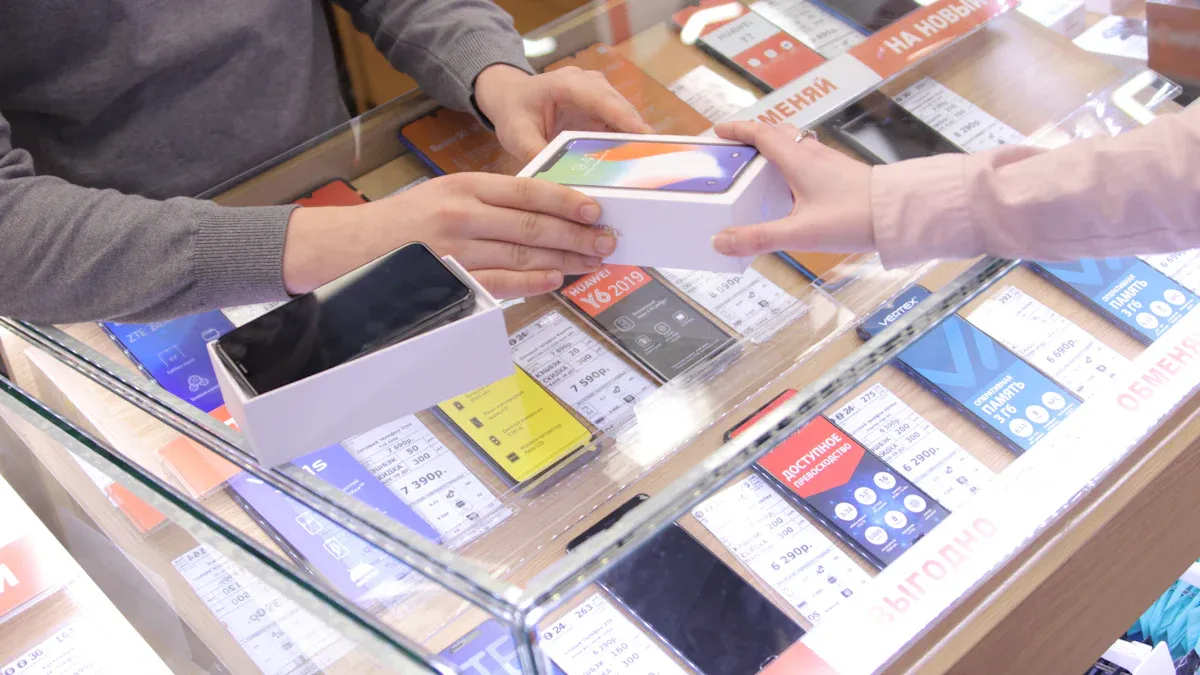
When I look at the mobile accessories market, I see four main B2B buyers. These are producers, resellers, government agencies, and institutions. Each group acts in its own way. They want different things. Sometimes their choices surprise me. I know it is important to understand B2B consumer behavior mobile accessories. This is important for suppliers and brands like bibercas.
If you want to reach these buyers, you must know what they like.
Key Takeaways
- Learn about the four main B2B buyer types. These are producers, resellers, government agencies, and institutions. Each group wants different things and likes different things.
- Keep up with market trends like sustainability and personalization. These trends affect what people buy and can help you sell more.
- Make good relationships with buyers by talking to them well and checking in often. This helps them trust you and want to buy again.
- Change your sales plans for each buyer type. Focus on what each group needs to get them interested and make more sales.
- Use technology and listen to customer feedback to make your products better. Changing fast to what buyers want helps your business stay ahead.
B2B Buyer Segments in Mobile Accessories
Producers Overview
When I think about producers, I see companies that make mobile accessories. They design and build the products. Sometimes, they also put their own brand on them. Producers are very important in the supply chain. They choose how good the products are and what features they have. I think of them as the first step in this market. If there were no strong producers, people would not have good products to buy or sell.
Resellers Overview
Resellers get mobile accessories from producers or distributors. They sell these items to other businesses or sometimes to people. I see that resellers care a lot about having many choices and good prices. They want to sell new products at prices that are fair. Their job is to match the right products with the right buyers. In b2b marketing, resellers help brands find new customers and grow bigger.
Government Agencies Overview
Government agencies buy mobile accessories for their workers and offices. They need products that are safe and last a long time. I notice that government buyers want suppliers they can trust. They want their orders to arrive when promised. They also need clear paperwork and rules to be followed. These agencies can buy a lot at once, so they are important for suppliers who want regular sales.
Institutions Overview
Institutions are businesses, schools, and other groups. Each one needs something different. I see that businesses want to save money and get devices that fit their work. Schools and colleges care about using green products and having tech that works well in class.
| Institution Type | Unique Needs |
|---|---|
| Businesses | Saving money, devices that fit their work |
| Educational Institutions | Green products, tech that works in class |
I also see that institutions want buying to be easy, prices to be good, and one person to talk to for help. They often ask for advice about technology that is fair and not just about one brand.
Tip: If you know what each group wants, you can make better connections and sell more.
B2B Consumer Behavior Mobile Accessories Analysis
Producers’ Buying Behavior
When I talk to producers, I see they do more than just make things. They always want new technology. But they face some big problems. It is hard for them to add new tech to their old systems. They worry about stopping work or picking the wrong tech. Security and privacy are very important to them. Producers want to know if a new idea will help their business.
Here is a table that shows what matters most to them:
| Factor | Impact |
|---|---|
| Difficulty in integrating new advanced technologies with existing systems | 0.046 |
| Disruption of production for the integration of new technologies | 0.033 |
| Ensuring security and privacy of data | 0.027 |
| Challenges in identifying appropriate technologies | 0.080 |
| Determining how new technologies will positively impact the business | -0.057 |
| Regulatory constraints or uncertainties | 0.026 |
| Customer resistance | 0.072 |
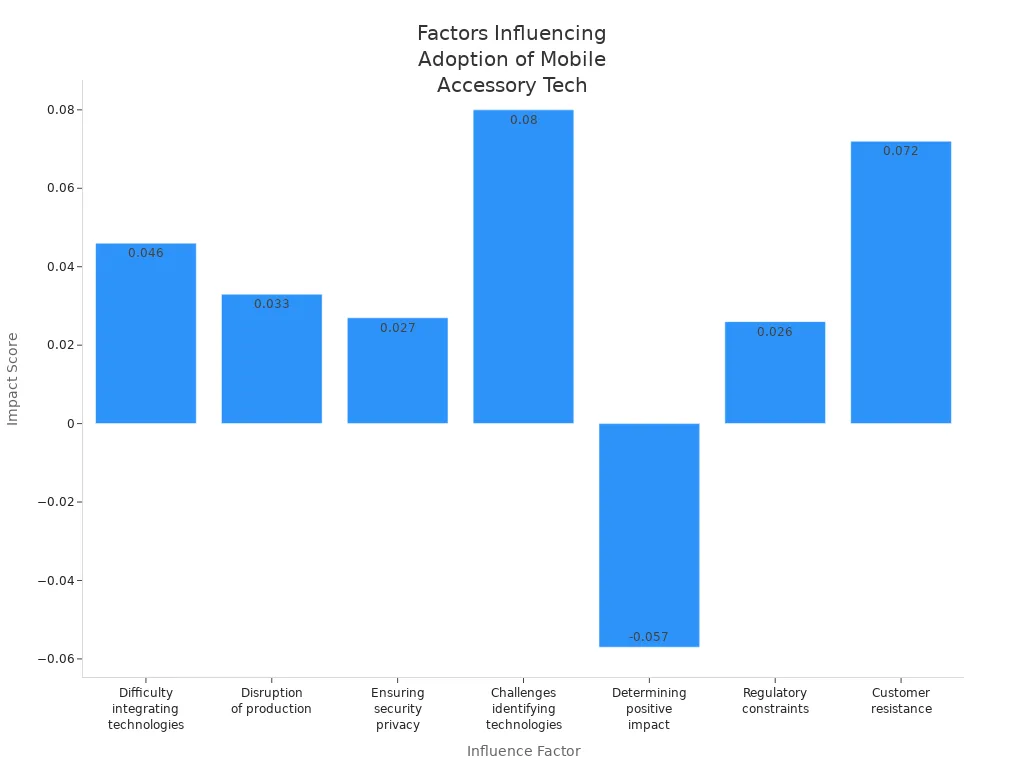
The hardest part for producers is finding the right tech. Customer resistance is also a big deal. Producers listen to people who make choices and those who push for new features. They want things like device protection or eco-friendly materials. Personalization is getting more popular now. Producers want their products to be special. So, they look for ways to change designs or packaging.
Resellers’ Buying Behavior and End-Users
Resellers connect producers and end-users. I see that resellers care about what their customers want. They watch trends like sustainability and personalization. If end-users want eco-friendly cases or cool designs, resellers change their orders fast.
People in reseller companies collect feedback from end-users. They share this with decision makers. This helps them pick the best products. Resellers want to keep new accessories on their shelves. They care about device protection because end-users want their phones to last. Personalization helps resellers sell more. When they offer custom colors or branded items, more people buy from them.
Tip: If you listen to end-users and follow trends, you can help resellers make better b2b buying decisions.
Government Agencies’ Decision Process
Government agencies buy mobile accessories in a special way. Their process has many steps. Here is how it goes:
- The telecommunications coordinator starts the buying process.
- They check devices and plans on a safe website. They look at network coverage and want everything to be the same.
- They place an order by phone, email, or in person. The coordinator does this step.
Government agencies must follow strict rules. They need to meet safety laws like the Canada Consumer Product Safety Act. They also have to:
- Lower any risks linked to mobile accessories.
- Tell Health Canada about any dangers or how they will fix them.
People who make choices in these agencies want suppliers who follow the rules. They want safe, reliable, and easy-to-track products. Sustainability is getting more important. Agencies now ask for accessories made from eco-friendly materials or with less packaging.
Institutions’ Needs and Challenges
Institutions like schools, hospitals, and businesses all want different things. I see that their goals shape what they buy. Schools want tech that is safe for students and good for the planet. Hospitals need accessories that are easy to clean and work well. Businesses want to save money and keep their teams connected.
Personalization is important here, too. Institutions often want accessories with their logo or special features for staff. People who help with sales show decision makers how products fit their needs.
Sustainability is a big trend. Many institutions now pick suppliers who care about the environment. I read that 74% of Canadians like companies that focus on sustainability. Over 60% will pay more for eco-friendly packaging. More people want to help the planet. This means institutions look for accessories made from recycled materials or with less waste.
Note: Sustainability is not just a trend. It is now a key part of purchasing decisions for many institutions.
Device protection is also important. Institutions want accessories that keep devices safe and last a long time. This helps them save money and not buy new ones often.
Engaging and Identifying B2B Buyers
Recognizing Buyer Types
When I try to spot different B2B buyers in the mobile accessories world, I look for clues. Social media tells me a lot. If someone from a company likes or comments on my LinkedIn post, I know they might want to talk. I also watch for company news. If a business just got new funding or started hiring, they may need more accessories. During sales calls, I listen for questions about bulk orders or custom features. These signs help me figure out if I am talking to a producer, reseller, government agency, or institution.
I learned that companies who pay attention to these signals see a big jump in lead-to-customer conversion. Marketers who track online buying signals also get better email engagement. That means more people open and reply to their messages.
Tailoring Sales Strategies
I use different strategies for each buyer type. For producers, I talk about new tech and how it can help their business. With resellers, I focus on trends and what end-users want. Government agencies care about safety and rules, so I make sure to highlight certifications. Institutions want easy buying and good prices, so I keep things simple.
Here is a table that helps me segment buyers:
| Indicator Type | What I Look For |
|---|---|
| Persona-based segmentation | I match my message to the buyer’s role and needs |
| Behavioral triggers | I follow up with people who click my emails or visit my site |
| Data enrichment tools | I keep my contact list up to date for better targeting |
Sometimes, I use AI to find small groups with special needs. I also follow up with leads who clicked my last email but did not reply. This helps me boost engagement and drive growth.
Building Relationships
Building strong relationships takes time. I spend a lot of time online because most B2B sales now happen on digital channels. I make sure my website works well on mobile devices since almost half of digital ad clicks come from phones. I also work on my SEO so buyers can find me when they search online.
After a sale, I keep in touch. I know it costs less to keep a customer than to find a new one. I check in to see if they need help or want to reorder. This post-purchase engagement keeps buyers happy and loyal. When I support my customers, I see more repeat business and steady growth.
Tip: Never forget the power of a simple follow-up. It can turn a one-time buyer into a long-term partner.
Success Secrets for B2B Mobile Accessories Sales
Best Practices for Suppliers
When I want to boost sales and keep my B2B customers coming back, I focus on a few key things. I always try to make my brand stand out. I use targeted marketing to reach the right buyers. I check platforms like Amazon Business to see what people want. I make short product videos because they grab attention fast. Sometimes, I ask my customers to share their own photos or reviews. This helps others trust my products. I also know that half of B2B buyers want a personal touch. So, I try to give each customer a unique experience.
Here are some best practices I follow:
- Create marketing that speaks to each buyer group.
- Use online platforms to learn what’s trending.
- Share videos and real customer stories.
- Personalize every interaction.
Avoiding Common Pitfalls
I have made mistakes before. I learned that ignoring trends or customer feedback can hurt sales. If I do not offer enough choices or make buying too hard, buyers leave. I also avoid using only one way to talk to customers. Some like email, others want a quick call. I keep my website and support easy to use. I never forget to follow up after a sale.
Tip: Listen to your buyers and make changes fast. This keeps them happy and loyal.
Leveraging Market Trends
I watch the market closely. I see that smart technology and creative designs sell well. More buyers now ask for eco-friendly products, like phone cases that break down naturally or packaging that uses less plastic. Fast shipping matters, too. Brands like bibercas stand out by offering many products with no minimum order, focusing on green options, and having local teams for quick support. They even help big sellers with custom tech tools.
| Trend | How I Respond |
|---|---|
| Smart technology | Add new features to accessories |
| Sustainability | Offer eco-friendly products |
| Fast logistics | Use local warehouses for quick delivery |
I stay ahead by following these trends and always looking for new ways to serve my buyers.
I just walked you through the four main B2B buyer types—producers, resellers, government agencies, and institutions. Each group acts in its own way. If you want business growth, you need to know what makes each buyer tick. Try looking at your current approach. Ask yourself if you match your sales style to each group. Stay curious and keep an eye on new trends. That’s how I keep moving forward.
FAQ
What is the role of mobilizers in the b2b customer journey?
I see mobilizers as the people who push for change inside a company. In the b2b world, they guide the customer journey. Mobilizers help others see new ideas. They make sure the journey moves forward. I always look for important sales mobilizers to speed up deals.
How does marketing automation help the b2b customer journey?
I use marketing automation to keep the b2b customer journey smooth. It sends the right messages at the right time. Marketing automation tracks every step of the journey. I can see what works and what needs fixing. This helps me stay focused on customer-centricity.
Why do cfo and mobilizers matter in b2b sales?
The cfo controls the money. Mobilizers push for new solutions. In b2b sales, I talk to both. Mobilizers start the journey. The cfo checks if the journey makes sense for the budget. I always include both in my plan.
How can I spot mobilizers during the b2b customer journey?
I watch for people who ask smart questions or share new ideas. Mobilizers often lead meetings or suggest changes. In the b2b customer journey, I listen for their voice. They keep the journey moving. I use marketing automation to track their actions.
What makes customer-centricity important in the b2b journey?
Customer-centricity means I put buyers first. In the b2b journey, I listen to what mobilizers want. I use marketing automation to learn about their needs. This helps me build trust and make the journey better for everyone.


 English
 Arabic
 Chinese (Simplified)
 Dutch
Dutch French
 German
 Italian
 Portuguese
 Russian
 Spanish