

Phone Case Manufacturing Process Injection Molding vs Overmolding Explained
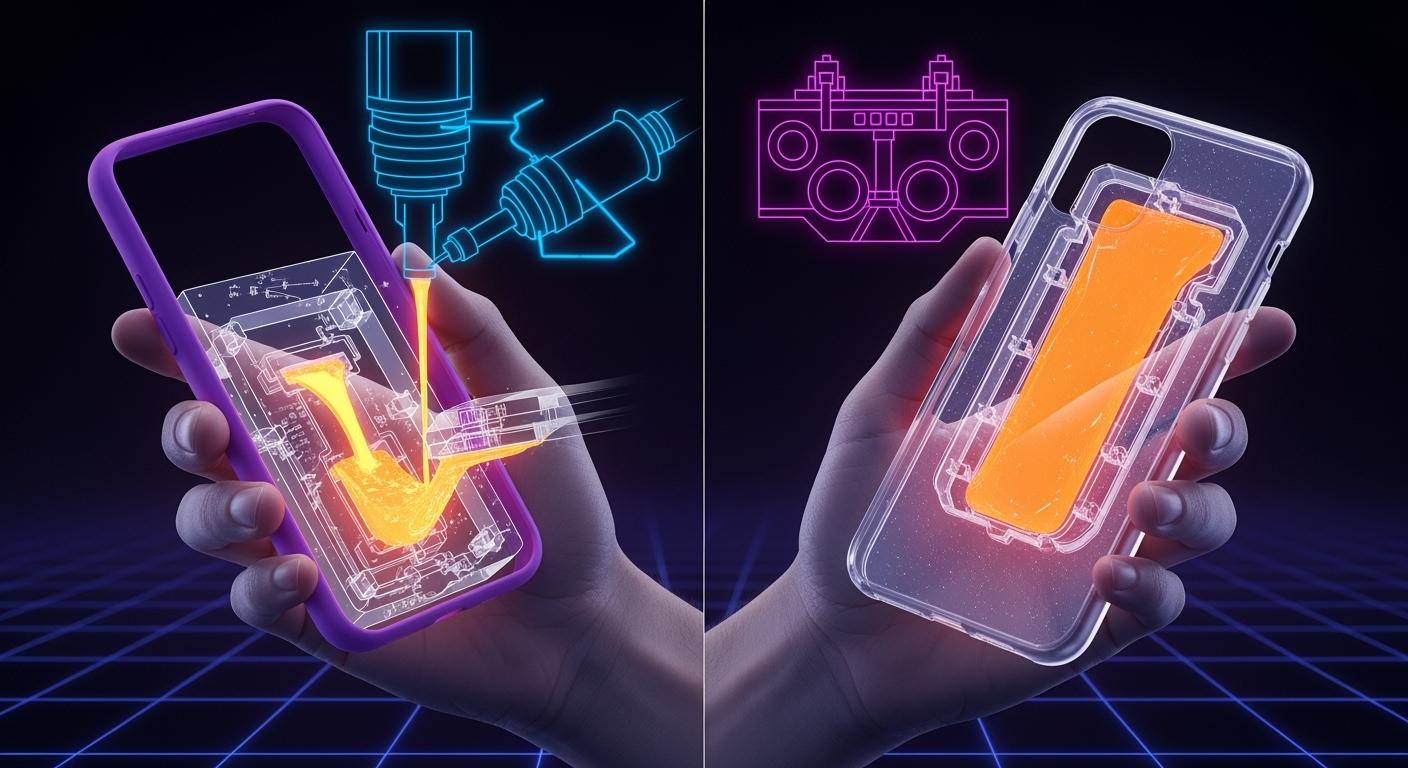
When you look at how phone cases are made, you find two main ways. These are injection molding and overmolding. Injection molding uses one material to make a phone case. Overmolding uses two materials to add more features. The way you make the phone case changes its design and strength. It also changes how many cases you can make. Think about these things:
- The phone case manufacturing process with two-shot injection molding makes a strong bond. This helps the phone case last longer.
- Overmolding in the phone case manufacturing process lets you use different materials. This gives you more choices for how the case feels and looks.
- Choosing the right phone case manufacturing process changes the price, quality, and how you can customize the case.
Key Takeaways
- Injection molding uses one material. It makes phone cases fast and saves money.
- Overmolding uses two materials together. This lets you make special designs and better features.
- Picking the right way to make cases changes the cost, quality, and how you can customize them.
- Picking the right material is very important. Different plastics are strong or bendy in different ways.
- Checking quality is very important in overmolding. This makes sure the materials stick together and do not have problems.
- Injection molding works best for making lots of cases. Overmolding is better for special or fancy cases.
- Think about your money and how many cases you need before you choose injection molding or overmolding.
- Learn about new materials and eco-friendly ways to make your phone cases better.
Phone Case Manufacturing Process Overview
When you want to understand how phone cases are made, you need to look at the main steps. Each step shapes the final product. Here is a simple table that shows the main stages from raw material to finished phone case:
| Stage | Description |
|---|---|
| Raw Material Selection | You choose the right materials, like plastic types such as TPU or PC, for your phone case. |
| Injection Molding | You heat plastic pellets and use a mold to form the main shape of the phone case. |
| 3D Printing | You use this for custom designs or prototypes, giving you more design freedom. |
| CNC Machining | You use this for metal cases or to make precise molds for plastic cases. |
| Surface Treatments | You add textures or coatings to improve how the phone case looks and feels. |
Injection Molding Basics
Injection molding stands as the most common way to make phone cases. You use this process when you want to create many cases quickly and with high quality. You start by heating plastic until it melts. Then, you inject the melted plastic into a mold shaped like your phone case. The mold cools, and you remove the finished case. This method works well for both simple and complex designs.
Material Selection
You need to pick the right plastic for your phone case. Common choices include PC, TPU, and blends like PC+ABS. The type of plastic you choose affects the strength, flexibility, and feel of your case. You also need to think about how the plastic will flow into the mold and fill every part of the design. Good material selection helps you avoid defects and makes your phone case last longer.
Mold Setup
You must set up the mold with care. The mold needs to match the exact shape of your phone case. You control the temperature of the mold and the speed of injection. High mold temperatures can make the surface of your case look better and reduce stress in the plastic. You also need to set the screw speed and injection pressure just right. This helps the plastic fill the mold evenly and prevents problems like bubbles or weak spots.
Overmolding Process Basics
Overmolding gives you more options for your phone case. You use the overmolding process when you want to add extra features, like a soft grip or a colorful accent. Overmolding uses two-shot injection molding or insert molding to combine two materials in one case. This makes your phone case stronger and more attractive.
Initial Mold Creation
You start with the first mold to create the main component of your phone case. This part often uses a hard plastic for strength. You use injection to shape this base layer. The first component must fit perfectly because it will hold the second material.
Second Material Application
After you make the first component, you use two-shot molding or insert molding to add a second layer. This layer can be a softer plastic or rubber. You inject the second material over or around the first component. The overmolding process bonds the two materials together. This step can improve grip, add color, or protect the phone better. You need to make sure the two plastics work well together so the finished case stays strong.
Tip: Overmolding and insert molding let you create phone cases with unique looks and better protection. You can mix hard and soft plastics for the best results.
Injection Molding in Phone Case Manufacturing
Process Steps
The injection molding process for phone cases has clear steps. Each step helps make strong and nice-looking cases.
- Design: First, you make a prototype design. This design shows where the camera and buttons go.
- Mold Design and Fabrication: Next, you build a mold with CNC machining and EDM. The mold is made from strong steel or aluminum.
- Material Selection and Preparation: Then, you pick the best plastic for your case. You dry and mix the plastic with any needed extras.
- The Injection Molding Process: You melt plastic pellets and push them into the mold. The plastic is pressed and cooled in the mold.
- Trimming and Surface Finishing: You cut off extra plastic and add special finishes. These can be UV coating or silk screen printing.
- Assembly and Quality Control: You put on extra parts and check the quality. This makes sure every case is made well.
Injection Phase
In the injection phase, you heat the plastic until it melts. You use two-shot injection molding or two-shot molding to fill the mold with the first material. This step shapes the phone case. If you want, you add a second material for grip or color. Two-shot injection molding lets you mix plastics for better style and use.
Cooling and Ejection
After injection, the plastic cools inside the mold. Cooling helps the case keep its shape and strength. When the plastic is hard, you open the mold and take out the case. You can use two-shot molding again to add more layers or details. This step makes sure each case fits right and looks good.
Materials Used
You have many plastics to choose from for injection molded parts. Each one has different good points for phone cases. Here is a table to compare them:
| Material | Durability | Flexibility | Clarity | Best Use Case |
|---|---|---|---|---|
| ABS | Good | Low | Opaque | Fashion cases, budget protection |
| TPU | Very Good | High | Translucent | Shock absorption, everyday use |
| Polycarbonate (PC) | Excellent | Low-Medium | Transparent | Clear cases, rugged protection |
| Silicone | Excellent | Very High | Translucent/Opaque | Soft grip, extreme environments |
You can use two-shot injection molding or two-shot molding to mix these plastics. This gives you more choices for how your case works and looks.
Typical Applications
Injection molding is used for many kinds of phone cases. It helps in lots of ways:
| Application Type | Description |
|---|---|
| Performance | Injection molding makes strong cases for good protection. |
| Aesthetics | You can make cases look special and cool. |
| Sustainability | You can use green materials for eco-friendly buyers. |
| Scalability | You can make lots of cases or just a few for special needs. |
- Custom phone cases are great for giveaways. You can use them for ads or trade shows.
- When you use your phone, you show the case and help share a brand.
Injection molding lets you make cases that protect phones and show your style. You can use two-shot injection molding or two-shot molding to add color, grip, or cool features. This process lets you make cases for daily use, special events, or limited-edition styles.
Overmolding Process in Phone Case Manufacturing
Overmolding lets you make phone cases that look special. You can add soft grips, bright colors, and more protection. In this process, one part goes inside another part. This means you use two materials in one phone case. Overmolding makes the case bend better and the layers stick together well. You get a phone case that works better and looks cooler than with just injection molding.
Overmolding Steps
Sequential Material Molding
First, you mold the main part of the phone case. This part is usually made from hard plastic. Then, you put a second material over or around the first part. The second material is softer and helps you hold the phone better. Overmolding lets you make cases that feel nice to touch. You can also use different colors or textures to make your case stand out.
Overmolding helps phone cases last longer. The two materials work together to keep your phone safe.
Quality Control Challenges
You need to watch quality control closely during overmolding. If the two materials do not stick well, you might see peeling or weak spots. You should check for bubbles, cracks, or places where the layers do not stick. Good quality control keeps the phone case strong and safe. You also need to test the grip and make sure the case fits the phone right.
Material Compatibility
It is very important to pick materials that work well together. If the materials do not match, the layers can come apart or not stick. This can make the phone case break more easily. You have to look at how each material acts and what it is made of. When you choose the right materials, your phone case will last longer and work better.
Design Flexibility
Overmolding gives you more ways to design your phone case than regular injection molding. You can make shapes and features that you cannot make with just one material. Here is a table that shows what you can do with overmolding:
| Design Feature | Description |
|---|---|
| Improved Grip | Soft materials can be overmolded onto hard substrates to enhance grip. |
| Enhanced Comfort | The use of softer materials increases comfort for users. |
| Aesthetic Appeal | Overmolding allows for more visually appealing designs with varied textures. |
| Complex Shapes | Enables the creation of intricate shapes that standard molding cannot achieve. |
| Mechanical Bonding | Features like undercuts and grooves ensure strong bonding between materials. |
You can use special shapes like undercuts and grooves to make the bond stronger. Overmolding lets you mix hard and soft parts in one phone case. This gives you more choices for how your case looks and works.
Tip: Overmolding lets you make phone cases with better grips, cool colors, and fun shapes. You can make cases that feel nice, look good, and protect your phone better.
Injection overmolding puts more than one material into one phone case. You get a case that is both strong and bendy. This is important for making a phone case that works well and lasts a long time.
Injection Molding vs Overmolding Comparison
Advantages of Injection Molding
You can count on injection molding for making phone cases quickly and at a low cost. This process works best when you need to produce many cases in a short time. Here are some reasons why you might choose injection molding:
- You save money as you make more cases. The cost per case drops when you increase production.
- You can meet market demand fast. The injection process moves quickly, so you do not have to wait long for finished cases.
- You can scale your production up or down. If you need only a few cases or want high-volume production, injection molding can handle both.
- You get consistent quality. Each case comes out of the mold with the same shape and finish.
- You can use two-shot injection molding to add color or texture without slowing down the process.
Tip: If you want to launch a new phone case line and need thousands of cases, injection molding gives you speed and cost savings.
Advantages of Overmolding
Overmolding lets you create phone cases that stand out. You can combine two materials in one case using two-shot injection molding. This process gives you more design options and improves how the case feels in your hand.
- You can cover sharp edges and add non-slip grips. This makes your phone case safer to use.
- You improve comfort. Soft-touch overmolds make it easier to hold your phone for a long time.
- You boost the look of your case. Overmolding lets you add bright colors and cool textures.
- You can use two-shot injection molding to join hard and soft plastics. This makes your case more durable and unique.
- You improve the user experience. A case that feels good and looks good helps your product stand out.
- You can show your brand identity with special designs and colors.
- You can add extra features, like stands or card holders, during the injection process.
Note: Overmolding helps you make cases that people want to touch and use every day.
Drawbacks and Challenges
Injection Molding Limitations
You may face some limits with injection molding, even though it works well for many cases.
- You cannot always add soft grips or mix materials unless you use two-shot injection molding.
- You may find it hard to create complex shapes or special features with only one material.
- You need to make sure your mold is perfect. Any mistake can affect the quality of every case you make.
- You may see less product differentiation if you use only basic injection.
Overmolding Limitations
Overmolding brings more steps and challenges to the phone case manufacturing process.
- You spend more money on molds and longer production times. Overmolding costs more than single-material injection.
- You must pick materials that stick together well. If you choose the wrong ones, the layers can peel or break.
- You need higher technical skills to control the injection process and keep quality high.
- You may find it harder to recycle cases made with two materials.
- You must check for bubbles, cracks, or weak spots. Quality control takes more time and care.
- You may face design limits because not all materials work with overmolding.
Tip: If you want to use overmolding, plan for extra time and cost. Make sure you test your materials and check quality at every step.
Cost and Production Volume
When you choose how to make phone cases, you need to think about both cost and how many cases you want to produce. Injection molding and overmolding have different costs and work best for different production sizes.
Injection Molding: Lower Cost for Large Volumes
Injection molding works well when you want to make a lot of phone cases. The mold costs a lot at first, but each case costs less as you make more. You can make thousands or even millions of cases quickly. This process helps you save money when you need high volume.
| Factor | Injection Molding |
|---|---|
| Mold Cost | High upfront |
| Cost Per Case | Low for large batches |
| Production Speed | Very fast |
| Best For | Mass production |
- You pay more at the start for the mold.
- You save money on each case when you make many cases.
- You can fill big orders fast.
Tip: If you want to launch a popular phone case or supply stores, injection molding gives you the best price per case.
Overmolding: Higher Cost, More Features
Overmolding costs more because you need two molds and more steps. Each case takes longer to make. The cost per case stays higher, even if you make many cases. Overmolding works best when you want special features, like soft grips or two colors.
| Factor | Overmolding |
|---|---|
| Mold Cost | Very high (needs two molds) |
| Cost Per Case | Higher, even for big batches |
| Production Speed | Slower than injection molding |
| Best For | Custom, premium, or unique cases |
- You spend more money on molds and setup.
- You pay more for each case, even if you make a lot.
- You get more design choices and better features.
Note: Overmolding makes sense if you want to sell special cases or offer something unique.
Which Process Should You Choose?
Think about your goals:
- If you want to make many cases and keep costs low, choose injection molding.
- If you want to offer special designs or features, and you do not mind higher costs, choose overmolding.
Here is a quick guide:
| Your Goal | Best Process |
|---|---|
| Lowest cost per case | Injection Molding |
| Fastest production | Injection Molding |
| Most design options | Overmolding |
| Premium or custom cases | Overmolding |
You can match your budget and your needs to the right process. This helps you make smart choices for your phone case business.
Choosing the Right Manufacturing Process
Selecting the best way to make your phone case depends on what you want from your product. You need to think about the features you want, how much you can spend, and how many cases you plan to make. Each method—whether injection molding or overmolding—offers different benefits and challenges.
Product Features
You should start by thinking about the features you want in your phone case. Some cases need to be strong and simple. Others need soft grips, bright colors, or special textures. The table below helps you compare two-shot molding and overmolding for different features:
| Feature | Two-Shot Molding | Overmolding |
|---|---|---|
| Number of Shots | Two materials injected in one continuous cycle | Two separate molding operations |
| Tooling | Needs special two-shot mold and machine | Uses standard molds and machines |
| Material Bond | Strong chemical/mechanical bond | May rely on mechanical adhesion |
| Cycle Time | Faster once set up | Longer due to multiple steps |
| Cost Efficiency | Better for high-volume runs | Better for lower volumes or flexible designs |
| Design Complexity | Great for high-precision, complex parts | Flexible for changing or updating designs |
You might choose two-shot molding if you want a strong bond between materials or if you need to combine hard and soft plastics in one step. This method works well when you plan to make many cases with the same design. Overmolding gives you more freedom to change your design or add new features later. You can use it to update an old case or add a soft grip after making the main part.
Tip: If you want a phone case with a unique look or feel, overmolding lets you add new features without starting from scratch.
Budget Considerations
Your budget plays a big role in your decision. Two-shot molding costs more at the start because you need special molds and machines. However, the cost per case drops when you make many cases. Overmolding uses standard molds, so you spend less at the beginning. The cost per case stays higher, especially if you make only a few cases.
- Two-shot molding works best when you have a big budget for tools and plan to make thousands of cases.
- Overmolding fits smaller budgets or when you want to test new designs before making a lot.
If you want to keep costs low for a small project, overmolding may be the better choice. If you want to save money in the long run and make many cases, two-shot molding can help you reach your goal.
Note: Always match your budget to your production plan. Spending more on the right process can save you money later.
Production Scale
How many phone cases you want to make affects your choice. Injection molding, including two-shot molding, is the best choice for large runs. The cost per case drops as you make more. Overmolding works better for small batches or special designs, but each case costs more.
- If you plan to make over 10,000 cases, injection molding can lower your cost to less than $0.50 per case.
- Overmolding suits smaller runs or custom cases, but the cost per case stays higher.
You should ask yourself:
- Do you want to make a few special cases or thousands of the same case?
- Do you need to change your design often, or will it stay the same?
If you want to fill big orders and keep costs down, choose injection molding. If you want to offer custom designs or test new ideas, overmolding gives you more flexibility.
Tip: Think about your future needs. If you plan to grow your business, investing in injection molding now can help you scale up later.
By looking at your product features, budget, and production scale, you can choose the best manufacturing process for your phone case. This helps you make a case that fits your needs and your customers’ wants.
Real-World Applications
Single-Material Cases
Single-material cases are very common. These cases use just one kind of plastic, like TPU or polycarbonate. They are light and thin. They protect your phone from scratches and small drops. Injection molding is the best way to make these cases. You can make lots of cases fast and keep the price low. Many brands use this method for simple phone protection.
You can choose from many colors and finishes. Some cases are smooth and shiny. Others have a matte or bumpy grip. You can also put your logo or a pattern on the case during molding. This makes your case special and helps people remember your brand.
Tip: If you want a cheap and easy case for every day, a single-material case is a good pick.
Multi-Material Cases
Multi-material cases use more than one material for extra features. You might see a hard plastic shell with a soft rubber edge. This design helps take in shocks and keeps your phone safe if you drop it. Overmolding or two-shot injection molding makes these cases. The layers stick together well, so the case lasts longer.
Some cases have stands or card holders built in. These parts are made during the molding process. You do not need to add them later. Multi-material cases often look cooler and feel better in your hand. You get a better grip, more color choices, and extra comfort.
Note: Multi-material designs let you mix protection, style, and function in one case.
Custom Designs
Custom phone cases let you show off your style or brand. You can use special computer software to make a 3D model that fits your phone. You can pick from many textures, like shiny, matte, or rough. These finishes make your case stand out and feel nice.
You can match any color you want. Injection molding gives you bright colors that last. You can add your logo or a special design right into the case. Some cases even have kickstands or card holders built in. You can pick eco-friendly materials if you care about the planet.
Here is a quick look at what you can do with custom designs:
| Feature | What You Get |
|---|---|
| Mold Design Flexibility | Exact fit and creative shapes |
| Surface Finishes | Matte, glossy, or rugged textures |
| Color Customization | Bright, lasting colors |
| Functional Add-Ons | Built-in stands or card slots |
| Branding Elements | Logos and brand marks that last |
| Material Selection | Eco-friendly or high-performance plastics |
| Customization | Unique looks for every customer |
Custom designs help you make cases that people like to use and show to friends.
Trends in Phone Case Manufacturing
Material Innovations
There are lots of new materials used for phone cases now. These new materials make your phone case last longer and look nicer. They also help protect your phone better. Some materials can even keep your phone cleaner or help the environment. Here is a table that shows some new materials and what they do:
| Material | Key Features |
|---|---|
| Polycarbonate | 20 times tougher than regular plastic; works in hot or cold places. |
| ABS Plastic | Strong and bends easily; simple to shape into many designs. |
| Silicone | Takes in shocks well; can stretch a lot before it breaks. |
| Thermoplastic Polyurethane | Mixes good things from silicone and hard plastic; stretches a lot. |
| Aerospace-Grade Aluminum | Very strong but not heavy; helps your phone stay cool. |
| Carbon Fiber Composites | Super strong and light; blocks some waves from getting through. |
| Antimicrobial Materials | Stops germs from growing; keeps your phone case cleaner. |
| Eco-Friendly Alternatives | Made from plants or other green sources; can cut pollution by half. |
Tip: If you want a tough, clean, or earth-friendly phone case, you have more choices now.
Process Technology
New machines and technology help make phone cases better today. Factories use robots and smart computers to make every case the same. These machines keep the heat and pressure just right for each batch. IoT systems let workers check machines from far away and fix problems fast.
Here is a table that shows some new things used in making phone cases:
| Feature | Description |
|---|---|
| Automated Controls | Keep heat, pressure, and timing the same for every case. |
| IoT Integration | Lets you watch machines and get alerts if something needs fixing. |
| Pressure Control | Makes sure each case has smooth edges and strong parts. |
| Digital Regulators | Spreads force evenly so cases do not bend or leak. |
| Heating System | Uses smart heaters to keep the right temperature. |
| Automation Features | Touchscreens and smart computers make setup faster and cut mistakes. |
- Robots and computers help make better cases with fewer mistakes.
- AI checks each case for problems and fixes them right away.
- Special back pressure control helps make cases more exact.
- Smart temperature control makes the process faster and keeps heat even.
Note: These new machines help you get phone cases faster and for less money.
Sustainability
You can pick phone cases that are better for the earth now. Many brands use plastics that can be recycled, like TPU, TPE, and PLA made from plants. These materials help cut down on trash and use less new plastic. Factories also use machines that save energy and make less pollution.
| Evidence Type | Description |
|---|---|
| Material Choice | Using recycled or plant-based plastics means less new plastic is needed. |
| Process Efficiency | Machines that save energy help lower pollution. |
| Waste Reduction | Factories use leftover plastic to make new cases, so less goes in the trash. |
| Environmental Standards | Many brands use up to half recycled stuff to help the planet. |
- Companies use recycled TPU and plant-based plastics to meet safety rules.
- Green labels help brands sell in places like Europe and North America.
Tip: When you choose a phone case made from recycled or plant-based stuff, you help the earth.
Now you know injection molding is good for making lots of cases fast. Overmolding helps you add things like grip and color to your case. To pick the best way, think about these things:
- Choose materials that fit what you want your case to do.
- Think about how tricky or simple your case design should be.
- Check if your tools can make cases that look and feel good.
In the future, phone cases will use more smart tech, 3D printing, and earth-friendly materials. Both ways of making cases will keep getting better for style and helping the planet.
FAQ
What is the main difference between injection molding and overmolding?
Injection molding uses one material for a phone case. Overmolding uses two materials in one case. Overmolding gives extra features, like soft grips or more colors.
Can you recycle phone cases made with overmolding?
It is harder to recycle overmolded cases. The two materials stick together tightly. This makes it tough to separate them for recycling.
Which process is better for custom phone cases?
Overmolding is best for custom designs. You can add special colors, textures, or grips. Injection molding works well for simple cases with one color.
How long does it take to make a phone case with injection molding?
Injection molding makes a phone case in a few minutes. The process is fast. You can make many cases each day.
What materials work best for phone cases?
You can use TPU, polycarbonate, ABS, or silicone. Each material has its own benefits. TPU is flexible. Polycarbonate is strong. Silicone gives a good grip.
Is overmolding more expensive than injection molding?
Overmolding costs more than injection molding. You need two molds and extra steps. The price per case stays higher, even if you make lots of cases.
Can you add logos or patterns during the molding process?
You can add logos or patterns during molding. The design goes into the mold. The finished case comes out with the logo or pattern built in.
Why do some phone cases feel soft and others feel hard?
Soft cases use silicone or TPU. Hard cases use polycarbonate or ABS. Overmolding lets you mix both. Your case can feel soft in some spots and hard in others.


 English
 Arabic
 Chinese (Simplified)
 Dutch
Dutch French
 German
 Italian
 Portuguese
 Russian
 Spanish