

A Practical Guide to Phone Case Production Capacity
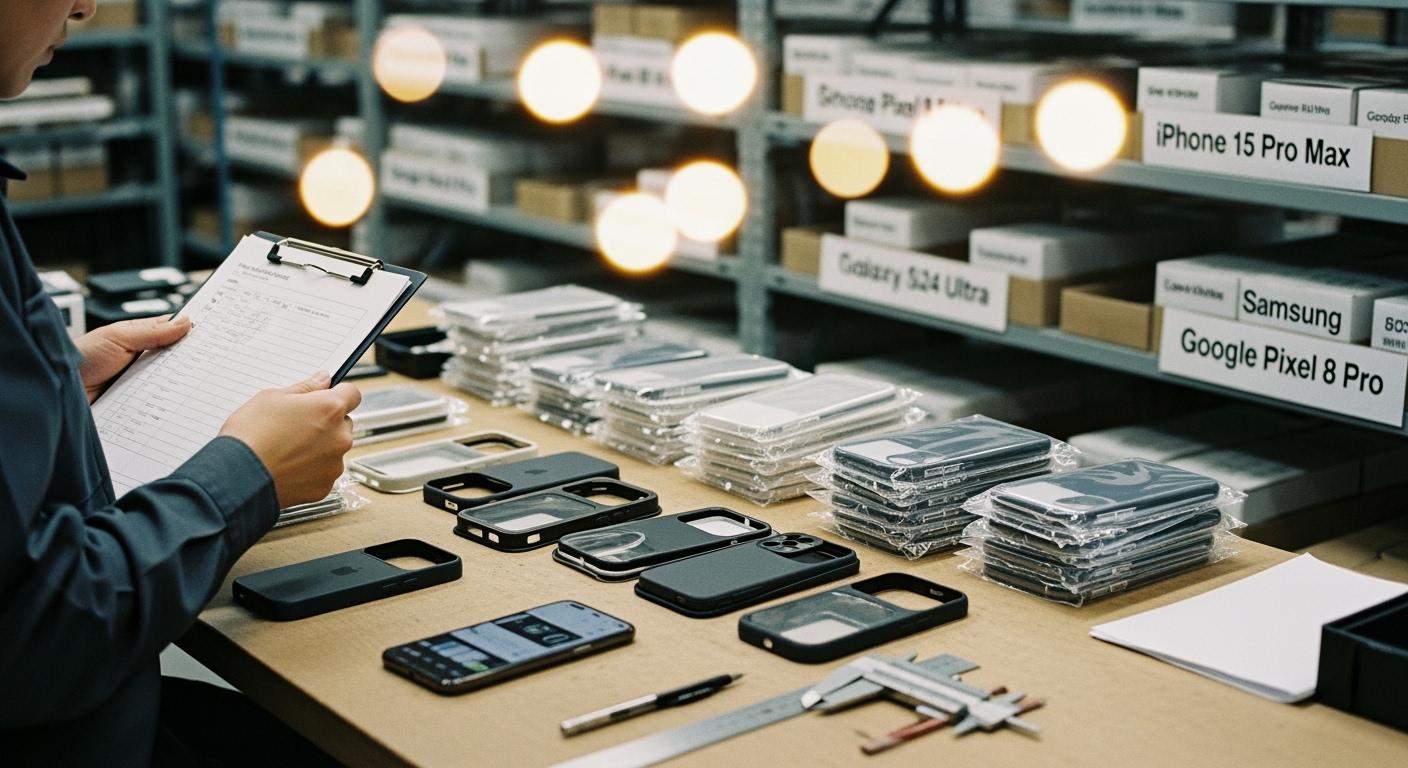
I have learned that choosing the right phone case manufacturer means looking beyond price and design. I always check the company’s production capacity first. The global phone case market now reaches billions of dollars each year. I see brands like bibiercas and QRS Mobile Gear Inc. lead the way because they fill large orders on time, offer custom designs, and keep quality high. I know that a strong production capacity helps me avoid delays and problems with my orders.
Key Takeaways
- Production capacity is crucial when choosing a phone case manufacturer. It ensures timely delivery and meets order demands.
- The global phone case market is growing rapidly, with an expected annual growth rate of 7% until 2028. This means more options for buyers.
- Always verify a manufacturer’s claimed production capacity. Real output may be 30-50% lower due to operational challenges.
- Quality control is essential. A factory with strong production capacity should also have robust quality checks at every stage.
- Ask about the factory’s supply chain for materials. A reliable supply chain prevents delays and ensures consistent production.
- Site visits and audits provide valuable insights into a factory’s operations. Look for cleanliness, modern equipment, and skilled workers.
- Be aware of red flags like poor communication, lack of transparency, and outdated equipment. These can indicate potential issues.
- Building a long-term partnership with a manufacturer can lead to better support and adaptability as your business grows.
Phone Case Market Overview

Market Size and Growth
I see the phone case market growing fast. In 2024, the global market value reached over $15 billion. Many people buy new phones every year, so demand for cases keeps rising. I read that experts expect the market to grow by about 7% each year until 2028. This growth means more companies enter the market, and buyers like me have more choices. I notice that large orders become common, and brands must keep up with demand. I always check if a manufacturer can handle big orders because production capacity matters more than ever.
Tip: I suggest looking at recent market reports before choosing a supplier. These reports show which brands lead the market and how fast the industry grows.
Leading Materials and Trends
I see many materials used in phone cases. Plastic, silicone, and TPU (thermoplastic polyurethane) are the most popular. I prefer TPU because it feels soft and protects my phone well. Some brands use eco-friendly materials like recycled plastics or biodegradable polymers. I notice that clear cases and cases with bold colors are trending. Custom designs and prints attract buyers who want something unique. Wireless charging compatibility also shapes new designs. I always ask about material options when I contact a manufacturer.
Here is a simple table showing common materials and their features:
| Material | Feature | Popularity |
|---|---|---|
| Plastic | Durable, lightweight | High |
| Silicone | Flexible, shock-absorbing | High |
| TPU | Soft, strong, flexible | High |
| Eco-friendly | Sustainable, unique | Growing |
Major Manufacturers
I see several brands stand out in the phone case industry. QRS Mobile Gear Inc. and bibiercas lead the market. These companies fill large orders and offer many custom options. I trust bibiercas because they deliver on time and keep quality high. Other brands focus on niche markets or special designs. I notice that strong manufacturing helps brands grow and meet demand. I always compare production capacity between suppliers before placing an order.
Note: I recommend visiting a manufacturer’s website to check their certifications and customer reviews. This helps me choose a reliable partner.
I believe that understanding the market helps me make better choices. I focus on production capacity because it affects order size, customization, and quality. As the market grows, I see that only brands with strong manufacturing can keep up.
Understanding Production Capacity
Definition and Key Concepts
When I choose a phone case supplier, I always ask about their production capacity. This term means the highest number of phone cases a factory can make when everything works perfectly. I learned that factories often share big numbers, but these do not always match what they can really produce.
Production capacity in phone case manufacturing refers to the maximum output a factory can achieve under ideal conditions. However, manufacturers often claim higher capacities than what can realistically be achieved due to various operational challenges. It is advised to consider a reduction of 30-50% from these claimed figures to account for potential issues during production.
I always keep this in mind. I do not just trust the numbers I see. I ask for proof and look for signs that the factory can keep up with my orders. I know that real production numbers can change because of machine problems, worker shortages, or supply delays.
Why Production Capacity Matters
I care about production capacity because it affects my business. If a factory cannot make enough cases, my orders arrive late. My customers get upset, and I lose sales. I want to work with a supplier who can handle my needs, even when I place large or custom orders.
Here are some reasons I focus on this topic:
- I avoid delays and backorders.
- I get more options for custom designs.
- I trust the quality stays high, even with big orders.
- I can plan my sales and marketing better.
I always check if a supplier has sufficient production capacity before I sign a contract. This helps me avoid problems later.
Common Myths
I hear many myths about production capacity. Some people think bigger factories always work better. Others believe that new machines solve every problem. I learned that these ideas are not always true.
Here are a few myths I want to clear up:
- Myth: The biggest factory always delivers the fastest.
Fact: Size does not always mean speed. Good management and skilled workers matter more. - Myth: Automation means no mistakes.
Fact: Machines can break down. People still need to check quality. - Myth: One factory can handle any order size.
Fact: Every factory has limits. I always ask for real numbers and check their past work.
I always look for a balance between technology, skilled workers, and strong management. I know that true production capacity comes from all these parts working together.
Factors Affecting Production Capacity
Factory Size and Layout
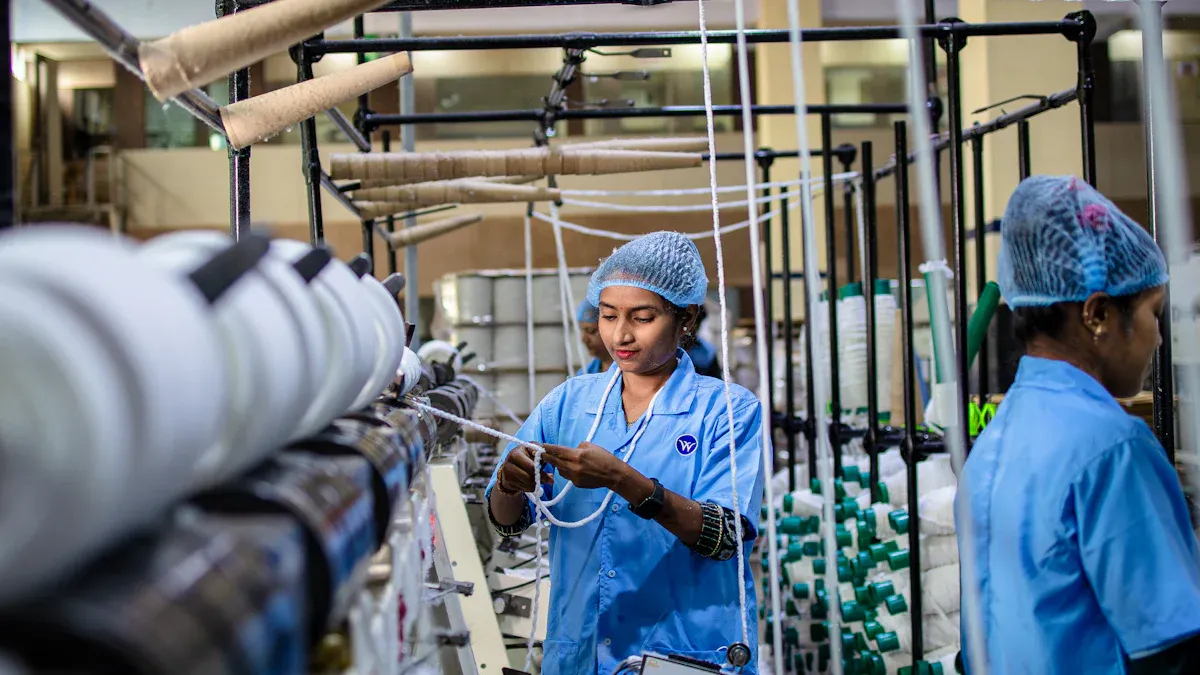
I always look at the size and layout of a factory when I visit a phone case manufacturer. A large factory can hold more machines and workers. This often means the factory can make more products at the same time. I notice that a smart layout helps workers move quickly and safely. When machines and workstations sit close together, workers waste less time walking. I see that a clean and organized space helps prevent mistakes. I always ask how the factory uses its space to boost production capacity.
Tip: I suggest asking for a factory floor plan. This helps me understand how the company manages space and workflow.
Equipment and Technology
I pay close attention to the machines and technology in a factory. Modern equipment can make phone cases faster and with fewer errors. I see that old machines break down more often. This slows down production and can cause delays. I always ask what type of machines the factory uses and how often they upgrade their technology. I know that new machines can handle more complex designs and materials.
Automation Impact
I have seen many factories add robots and automated systems. Automation helps speed up the manufacturing process. Robots can cut, mold, and paint phone cases with high accuracy. This reduces mistakes and keeps quality high. I notice that automation also helps when I place large orders. The factory can keep running for longer hours without getting tired. I always ask how much of the process is automated. This tells me if the factory has sufficient production capacity for my needs.
Semiconductor Manufacturing Capacity
I learned that semiconductors play a big role in making smart phone cases. Some cases have chips for wireless charging or tracking. The factory must have access to enough semiconductors to meet my order. I always ask about their semiconductor manufacturing capacity. If the factory cannot get enough chips, my order might get delayed. I also check if the factory has plans for capacity expansion. This shows me they can grow with my business. I know that the global semiconductor market faces shortages sometimes. I want my supplier to have a strong supply chain for semiconductors.
Here is a table showing how semiconductors affect phone case production:
| Feature | Role of Semiconductor | Impact on Production |
|---|---|---|
| Wireless Charging | Power management | Needs more chips |
| Smart Tracking | Data processing | Needs sensors |
| LED Lighting | Control circuits | Needs controllers |
Workforce and Skills
I believe skilled workers are just as important as machines. Workers set up machines, check quality, and fix problems. I always ask about worker training programs. A well-trained team can spot mistakes early and keep the line moving. I notice that factories with happy workers have fewer delays. I also check if the factory has enough staff to handle busy seasons. Good workers help the factory reach its full production capacity.
Note: I recommend talking to workers during a site visit. This gives me a better idea of their skills and attitude.
Material Supply Chain
I always pay close attention to the material supply chain when I choose a phone case manufacturer. The supply chain decides if the factory can get enough raw materials like plastic, silicone, or TPU. If the supply chain breaks down, production stops. I have seen factories run out of materials because their suppliers faced delays. This can lead to late orders and unhappy customers.
The supply chain does more than just deliver materials. It also affects how fast and efficiently the factory can make phone cases. When the supply chain works well, the factory receives steady shipments of everything it needs. This keeps the machines running and workers busy. I know that a weak supply chain can slow down the whole process. Even a small delay can cause big problems for my business.
Here are some ways the material supply chain shapes production capacity:
- The supply chain controls the availability of raw materials. Without enough plastic, silicone, or TPU, the factory cannot meet my order.
- The speed and reliability of the supply chain affect how quickly the factory can produce cases.
- The location of suppliers and the resources they have can limit or boost the factory’s overall manufacturing capabilities.
I always ask my suppliers about their main sources for materials. I want to know if they have backup suppliers in case something goes wrong. I also check if they keep extra materials in stock. This helps them handle sudden spikes in demand or unexpected delays.
The supply chain for semiconductors is especially important for smart phone cases. Many new cases use chips for wireless charging, tracking, or LED features. If the factory cannot get enough semiconductors, production slows down or stops. I have learned that global shortages can affect even the biggest brands. I always ask about their semiconductor supply and how they manage risks. Some factories invest in better semiconductor manufacturing capacity to avoid these problems.
I also look at how the supply chain handles quality. Poor-quality materials lead to weak or faulty phone cases. I want my supplier to test all incoming materials, including every batch of semiconductor chips. This keeps the final product strong and reliable.
I believe that a strong material supply chain is the backbone of high production capacity. It supports every part of the process, from the first shipment of plastic to the final assembly of smart features. I always choose manufacturers who invest in their supply chain and plan for the future.
Tip: I suggest asking your supplier how they handle supply chain disruptions. This shows if they can keep your orders on track during tough times.
Evaluating a Phone Case Manufacturer
Assessing Production Capacity
When I start looking for a phone case manufacturer, I always check how well they can handle my orders. I do not just trust what they say. I want to see proof of their actual production capacity. I ask for details about their machines, the number of workers, and how many cases they make each month. I compare these numbers with my needs. If I plan to order 50,000 cases, I want to know if the factory can really deliver that amount on time.
I also look at how the factory manages busy seasons. Some factories slow down when they get too many orders. I ask if they have handled large orders before. I check if they have backup plans for machine breakdowns or worker shortages. I want to see if they can keep up with demand even when things get tough.
I always compare different suppliers. For example, I look at bibiercas and other major brands. I check their track records for on-time delivery and quality. I read reviews from other buyers. This helps me find a reliable partner who can support my business as it grows.
Tip: I suggest asking for a recent production schedule. This shows how many orders the factory handles at the same time.
Questions to Ask Suppliers
I believe that asking the right questions helps me choose the best phone case manufacturer. I always prepare a list before I contact a supplier. These questions help me understand their strengths and weaknesses. I want to know about their technology, quality control, and how they protect my ideas.
Here is a table of questions I use when I talk to suppliers:
| Question | Description |
|---|---|
| What specific manufacturing technologies are available in-house? | I want to know what machines and processes the factory uses. |
| What is the typical lot size? | This helps me see if they can handle small or large orders. |
| Is the facility certified for the relevant industry standards? | I check for certifications to make sure they follow the rules. |
| What specific metrology equipment is used for quality control? | I want to know how they check the quality of each case. |
| Do you source all materials (turnkey) or do we need to supply components (consignment)? | I need to know who provides the materials. |
| What cleanroom classes are available for assembly and packaging? | This tells me about their cleanliness standards. |
| What protocols are in place to protect customer intellectual property? | I want to make sure my designs stay safe. |
| Where is the manufacturing facility located? | Location affects shipping time and costs. |
| Do you offer Design for Manufacturing (DFM) feedback? | I want to know if they can help improve my designs. |
I always write down the answers. This helps me compare different suppliers and make a smart choice.
Data and Documentation
I never make a decision without checking the data. I ask each phone case manufacturer for documents that show their production capacity. I want to see output data from the past year. I ask for production schedules to see how they plan their work. I also request copies of certifications, like ISO 9001, to check their quality standards.
I look for clear records of on-time deliveries and defect rates. If a supplier cannot provide this information, I see it as a red flag. I also ask for photos or videos of their factory. This helps me see if their claims match reality.
I compare the data from bibiercas with other major brands. I look for patterns in their performance. If one supplier always delivers on time and keeps quality high, I feel more confident working with them.
Note: I recommend keeping all documents in one place. This makes it easy to review and share with your team.
Site Visits and Audits
I always make time for a site visit before I choose a phone case manufacturer. I believe nothing replaces seeing the factory with my own eyes. A site visit helps me check if the factory matches what the supplier claims. I can see the machines, meet the workers, and watch the production process. I learn more in one visit than in a hundred emails.
I use audits to dig even deeper. An audit means I check the factory’s systems, records, and quality controls. I want to see proof that the factory can handle my orders and keep quality high. I sometimes bring an expert with me for technical audits. This helps me spot problems I might miss.
Why I Value Site Visits
- I see the real working conditions. Clean, safe factories show good management.
- I check if the machines are modern and well-maintained.
- I watch how workers handle materials and assemble cases.
- I ask questions and get honest answers face-to-face.
Tip: I always take notes and photos during my visit. This helps me remember details and compare different factories later.
What I Look For During a Visit
I use a checklist to guide my visit. Here are some things I always check:
| Area | What I Check For |
|---|---|
| Factory Cleanliness | Floors, workstations, and storage areas |
| Equipment | Age, maintenance, and safety |
| Workforce | Skill level, training, and morale |
| Production Flow | Organization and efficiency |
| Quality Control | Testing stations and inspection steps |
| Storage | Material and finished goods management |
I talk to workers when I can. I ask how long they have worked there and if they get training. Happy, skilled workers make better products.
How I Conduct an Audit
I plan my audit before I arrive. I ask the supplier to prepare documents like production schedules, quality reports, and certifications. I check these records against what I see on the factory floor.
During the audit, I:
- Review recent production data and delivery records.
- Inspect quality control logs for defects and fixes.
- Check how the factory stores raw materials and finished cases.
- Look for safety signs and emergency exits.
If I see problems, I ask the manager how they fix them. I want to know if the factory learns from mistakes.
Comparing bibiercas With Other Manufacturers
I have visited factories from both bibiercas and other major brands. I notice that bibiercas keeps their factory clean and organized. Their workers seem well-trained and motivated. I see clear quality control steps at every stage. Other factories sometimes cut corners or skip checks. I trust bibiercas more because I see their strong systems in action.
Note: I always compare my notes from each visit. This helps me choose the best partner for my business.
Red Flags I Watch For
I stay alert for warning signs during visits and audits. Here are some red flags:
- Dirty or unsafe work areas
- Old, broken, or unused machines
- Workers who seem tired or untrained
- Missing or incomplete quality records
- Delays in answering my questions
If I see these problems, I think twice before placing an order.
Making the Most of Your Visit
I always prepare questions before my visit. I stay curious and ask for details. I walk through the whole factory, not just the showroom. I talk to workers, not just managers. I check if the factory can handle my order size and special requests.
Tip: I recommend bringing a checklist and a camera. This helps you remember what you see and share it with your team.
I believe that site visits and audits are the best way to judge a phone case manufacturer’s true production capacity. I never skip this step. It helps me avoid costly mistakes and find a reliable partner for my business.
Production Capacity and Business Impact
Order Fulfillment
I always pay close attention to how production capacity affects order fulfillment. When I place a large order, I want my phone case manufacturer to deliver on time. I have learned that strong production capacity helps factories meet big demands quickly. If a factory manages its production well, it can shorten lead times and boost productivity. This means I get my products faster and can keep my customers happy. I notice that factories with enough machines and skilled workers rarely miss deadlines. They plan their schedules carefully and use their workforce wisely. When I choose a supplier, I always ask how they handle large orders and what steps they take to avoid delays.
Tip: I suggest asking for examples of past large orders. This helps me see if the factory can really deliver on time.
Customization Options
I know that many customers want unique phone cases. They ask for special colors, prints, or features. I always check if a factory can handle custom requests. High production capacity gives a manufacturer more flexibility. They can switch between different designs and materials without slowing down. I have seen factories with advanced machines offer more options for customization. They can make small batches of special cases or add new features like wireless charging. When I work with a factory that has strong capacity, I feel confident they can handle my custom ideas.
Here is a table showing how production capacity supports customization:
| Custom Option | Impact of High Capacity |
|---|---|
| Special Colors | Faster color changes |
| Unique Prints | More design choices |
| Smart Features | Easier to add new technology |
| Small Batch Orders | Quick setup for short runs |
Quality Control
I always look for strong quality control in any factory I choose. High production capacity means nothing if the products are not good. I have learned that the best factories invest in both capacity and quality. They set up checkpoints at every stage of manufacturing. Workers inspect cases for defects and test smart features before shipping. I ask about their quality control systems during my visits. I want to see clear records and regular inspections. When a factory balances speed with quality, I know I can trust their products.
Note: I recommend asking for quality reports from recent orders. This shows how well the factory maintains standards.
I believe that production capacity shapes every part of my business. It helps me get orders on time, offer custom options, and keep quality high. I always choose partners who invest in their people, machines, and systems.
Risk Management
I always think about risk management when I choose a phone case manufacturer. I know that strong production capacity helps reduce many risks in my business. If a factory cannot handle my order, I might face delays, lost sales, or unhappy customers. I want to avoid these problems before they happen.
I start by looking at the main risks in phone case production. Here are some common risks I watch for:
- Machine breakdowns that stop production
- Shortages of raw materials like plastic or semiconductors
- Worker shortages during busy seasons
- Quality problems that lead to returns or complaints
- Shipping delays from the factory to my warehouse
I ask each supplier how they manage these risks. I want to see real plans, not just promises. For example, I check if the factory has backup machines or extra parts. I ask if they keep extra materials in stock. I also want to know if they have enough trained workers to cover for sick days or busy times.
I use a simple table to help me compare how different factories handle risk:
| Risk Type | Factory Solution | My Checklist |
|---|---|---|
| Machine Failure | Backup machines, fast repairs | Yes / No |
| Material Shortage | Multiple suppliers, stockpile | Yes / No |
| Worker Shortage | Cross-training, temp workers | Yes / No |
| Quality Problems | Strong quality control system | Yes / No |
| Shipping Delays | Reliable logistics partners | Yes / No |
I always ask for proof. I want to see records of past problems and how the factory fixed them. If a supplier cannot show this, I worry about their risk management.
I believe that strong risk management also means good communication. I want my supplier to tell me right away if something goes wrong. Fast updates help me make new plans and keep my customers informed.
Here are some tips I use to manage risk with my suppliers:
- I ask for regular updates on production and shipping.
- I keep in touch with more than one supplier in case I need a backup.
- I review contracts to make sure there are clear rules for delays or quality issues.
I know that no factory can avoid every problem. But a supplier with strong risk management can fix issues quickly and keep my business running smoothly. I always choose partners who plan ahead and invest in systems that protect both of us.
Choosing the Right Manufacturer
Aligning Capacity with Needs
I always start by matching my business needs with the factory’s real abilities. I look at my order size, how often I need shipments, and if I want custom features. I ask the phone case manufacturer for their monthly output and compare it to my sales plan. If I plan to launch a new product, I check if the factory can handle a sudden increase in orders. I also ask about their experience with special requests, like cases with wireless charging or tracking. These features often need extra steps and sometimes more semiconductor parts. I want to make sure the factory can get enough semiconductor supplies for my project.
Tip: I write down my needs before I talk to any supplier. This helps me ask better questions and avoid surprises later.
Cost, Speed, and Quality Balance
I know that every business wants low prices, fast delivery, and high quality. I learned that I cannot always get all three at the same time. I ask each factory how they balance these goals. Some factories use advanced machines to speed up production. Others invest in better training for workers. I pay close attention to how they manage their supply chain, especially for semiconductor components. If a factory has a strong relationship with semiconductor suppliers, they can avoid delays and keep costs steady.
Here is a table I use to compare factories:
| Factor | What I Check For | Why It Matters |
|---|---|---|
| Cost | Price per unit, extra fees | Affects my profit |
| Speed | Lead time, rush order options | Helps me meet deadlines |
| Quality | Defect rate, quality checks | Keeps my customers happy |
| Semiconductor Supply | Source, backup plans | Prevents production delays |
I always ask for real examples. I want to see how the factory handled a big order with special semiconductor needs. This shows me if they can keep promises under pressure.
Long-Term Partnerships
I believe that building a long-term partnership brings the best results. I look for a phone case manufacturer who wants to grow with my business. I ask about their plans for new technology and capacity upgrades. I want to know if they plan to invest in more semiconductor equipment or expand their supplier network. A strong partner will share updates about the semiconductor market and warn me about possible shortages. I also value clear communication. If a problem comes up, I want my supplier to tell me right away.
Note: I set up regular meetings with my main supplier. We talk about new trends, like smart cases that use more semiconductor parts. This helps both of us plan for the future.
I know that choosing the right partner takes time. I always check their track record, visit their factory, and ask about their plans for growth. A good partnership helps me stay ahead in a fast-changing market.
Red Flags
When I choose a phone case manufacturer, I always watch for warning signs. These red flags help me avoid costly mistakes. I have learned that not every factory tells the whole truth. Some hide problems or make promises they cannot keep. I want to share the main red flags I look for during my search.
1. Lack of Transparency
If a supplier avoids my questions or gives vague answers, I get concerned. I always ask for clear data about production capacity, quality control, and delivery times. When a factory refuses to share documents or show their facility, I see this as a major warning sign.
2. Poor Communication
Good communication builds trust. I notice problems when a supplier takes too long to reply or changes their answers often. If I cannot get clear updates, I worry about bigger issues down the line.
3. Dirty or Disorganized Factory
During my site visits, I pay close attention to cleanliness and organization. A messy factory often means poor management. I see more mistakes and delays in these places. I always check work areas, storage rooms, and even restrooms.
Tip: I bring a checklist to every visit. This helps me spot problems I might miss otherwise.
4. Outdated or Broken Equipment
Modern machines help factories work faster and make better products. If I see old or broken equipment, I know the factory may struggle with big orders or custom designs. I ask how often they maintain and upgrade their machines.
5. High Staff Turnover
Skilled workers keep production running smoothly. If I notice many new faces or hear about frequent staff changes, I ask why. High turnover can lead to mistakes and slowdowns.
6. Missing Certifications
I always ask for industry certifications like ISO 9001. These show that the factory follows quality standards. If a supplier cannot provide proof, I see this as a red flag.
Here is a table that summarizes the main red flags I look for:
| Red Flag | Why It Matters |
|---|---|
| Vague answers | Hides real problems |
| Slow communication | Signals poor management |
| Messy factory | Increases risk of defects |
| Old equipment | Limits production and quality |
| High staff turnover | Causes delays and errors |
| No certifications | Lacks quality assurance |
Alert: If I see more than one red flag, I walk away. I know that choosing the wrong manufacturer can hurt my business.
I trust my instincts and always do my homework. These red flags help me find reliable partners who support my goals.
I believe that understanding production capacity helps me choose the right phone case manufacturer. I always follow the steps I shared to make sure my supplier can meet my needs. Reliable brands like bibiercas give me confidence in quality and delivery.
I encourage you to review your current or future suppliers. Make sure they have the capacity to support your business growth.
FAQ
How do I estimate the production capacity I need?
I start by looking at my sales forecast. I add a buffer for growth or unexpected demand. I always ask the manufacturer for their maximum monthly output and compare it to my needs.
What documents should I request from a manufacturer?
I ask for production schedules, output data, and quality certifications. I also request photos or videos of the factory. These documents help me check if the supplier can meet my requirements.
Why does production capacity affect customization?
High production capacity lets a factory handle custom orders without slowing down. I see that factories with advanced machines can switch designs quickly. This means I get more options for my products.
How do I check a supplier’s quality control?
I ask for recent quality reports and defect rates. I visit the factory to see inspection steps. I also talk to workers about their training. Good quality control gives me confidence in the final product.
What should I do if my supplier faces a material shortage?
I ask if they have backup suppliers or extra stock. I keep in touch with more than one manufacturer. I also plan for possible delays in my schedule.
Can small factories handle large orders?
Some small factories manage big orders with good planning and skilled workers. I always check their past performance and ask for proof before I place a large order.
What are the signs of a reliable phone case manufacturer?
I look for clear communication, clean facilities, modern equipment, and strong certifications. I trust suppliers who share data and answer my questions honestly.
Tip: I always visit the factory before making a final decision.


 English
 Arabic
 Chinese (Simplified)
 Dutch
Dutch French
 German
 Italian
 Portuguese
 Russian
 Spanish