

Trends in Phone Case Material Sourcing and Supply Chain Management 2026
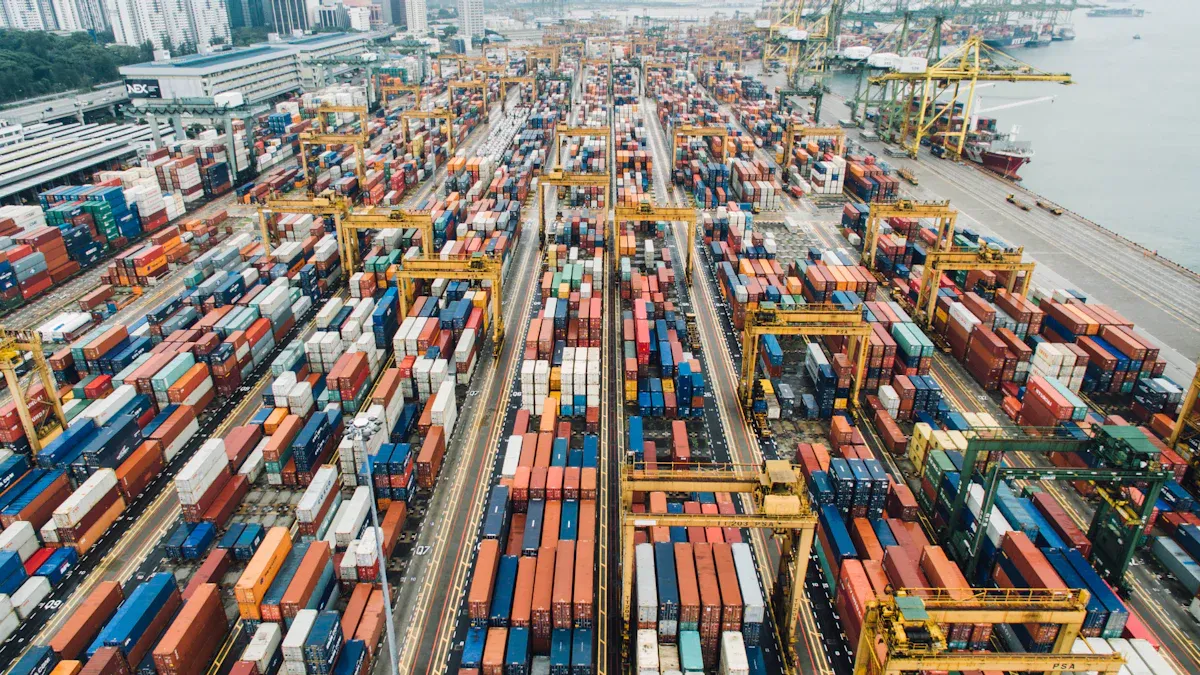
I see big changes coming in how phone case materials are found and how supply chains work in 2026. The industry is now worth more than $30 billion. About 87.2% of people use smartphones. Brands like CASETiFY are growing very fast. I see more brands selling straight to customers instead of using OEMs. Many companies use bio-based TPU and degradable PLA. These materials break down fast. I use a phone case material sourcing guide to help me pick the best ones. Gen Z cares a lot about supply chains that are good for the planet. So, I focus on local delivery and smart inventory systems. My study shows that technology helps me handle the supply chain better.
- The market is worth over $30 billion
- 87.2% of people have smartphones
- CASETiFY grows 45% each year
- More brands sell direct to customers
- Bio-based TPU and degradable PLA break down 92% in 180 days
- Local delivery takes less than 7 days and there is cross-border warehousing
- The inventory system can predict 91% of SKUs correctly
Key Takeaways
- The phone case market is growing fast. It is worth over $30 billion. More people want cool and strong cases for their phones.
- Gen Z cares about the environment. They want eco-friendly materials like bio-based TPU and degradable PLA for their cases.
- More brands now sell straight to customers. This helps brands talk to buyers better. They can also follow trends faster.
- New ways to make things help companies work better. Flexible production systems help save time and cut down on waste.
- Good relationships with suppliers help everyone work together. This teamwork brings new ideas and better products.
- Using data helps spot supply chain problems early. This means companies can fix issues fast and keep customers happy.
- People like to make their phone cases special. They can pick colors, designs, and features they like.
- Knowing about new rules is very important. It helps companies follow laws and stay ahead in the market.
Market Trends 2026
Global Demand Growth
I see more people buying phone cases every year. The number of smartphone users keeps rising. This means more demand for phone cases. I notice that people want new designs and better protection for their phones. Many customers also look for cases that match their style. I track sales data and talk to suppliers to understand what people want. My analysis shows that the market grows fast in Asia and North America. I see new brands entering the market, which makes it more competitive. I must keep up with these changes to stay ahead.
- More smartphone users mean more phone case buyers.
- People want stylish and protective cases.
- Asia and North America lead in market growth.
Gen Z and Sustainability
Gen Z cares a lot about the planet. I see this group asking for eco-friendly phone cases. They want brands to use recycled or biodegradable materials. I choose suppliers who offer these options. I also check if they follow green practices. Gen Z likes to see clear labels about how products help the environment. I make sure to share this information on my website. I believe that focusing on sustainability helps my brand connect with younger buyers.
Note: Gen Z often checks if a brand uses recycled materials before buying.
Direct-to-Consumer Shift
I notice more brands selling phone cases directly to customers. This means they skip the middleman. I use my own website and social media to reach buyers. This helps me learn what customers like and want. I can also offer better prices and faster shipping. Many brands now use this model to build strong relationships with their customers. I find that direct sales give me more control over my brand image and customer service.
- Selling direct means better prices for customers.
- Brands can respond quickly to trends and feedback.
- Direct-to-consumer sales help brands grow faster.
Competitive Landscape
I see the phone case industry changing fast. The market now stands at over $30 billion. Many new brands enter each year. I watch how big names like CASETiFY grow. They use a direct-to-consumer model. This means they sell straight to people like you and me. CASETiFY grows about 45% every year. I learn from their approach. They use social media and online stores to reach buyers. I notice that this model helps brands build strong connections with customers.
Traditional manufacturers, called OEMs, face new challenges. They used to make products for other brands. Now, they must create their own brands to stay in the game. I see many OEMs trying to build a brand image. They invest in marketing and design. This shift changes how companies compete. I must think about how to stand out in a crowded market.
Manufacturers now focus more on their supply chains. I see them working on research and development for new materials. They want to offer better products. Flexible production systems help them respond quickly to trends. I use these systems to test new designs and materials. This way, I can launch new products faster than before.
Here are some key points I track in the competitive landscape:
- The phone case market is worth over $30 billion and keeps growing.
- CASETiFY shows how direct-to-consumer sales can drive fast growth.
- OEMs must shift from making products for others to building their own brands.
- Companies invest in research and flexible production to stay ahead.
Note: I find that brands who control their supply chain can react faster to changes in demand. This gives them an edge over slower competitors.
I also see that customers want more choices. They look for unique designs and eco-friendly materials. I must keep up with these trends to attract buyers. I watch what my competitors do. I study their products and prices. This helps me find ways to offer something better or different.
The competition pushes me to improve. I focus on quality, speed, and customer service. I use data to track what sells best. I adjust my strategy when I see new trends. I believe that staying flexible and learning from others helps me succeed in this fast-moving market.
Supply Chain Complexity
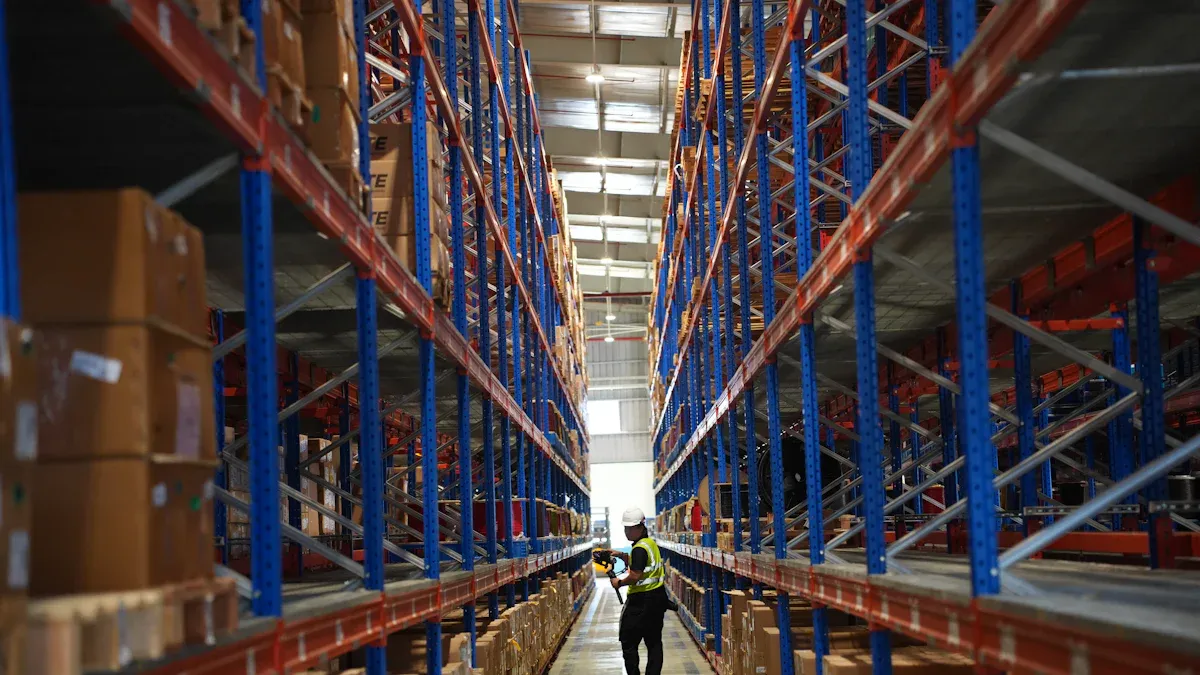
The phone case supply chain has many steps. Each step depends on the one before it. If I make a mistake, it can cause problems later. I learned that knowing every step helps me do better. I can find problems early and fix them fast.
Raw Material Sourcing
I start by picking the right materials. I look for materials that are good for the planet. Gen Z cares about this a lot. I check if suppliers have bio-based TPU or degradable PLA. These materials break down faster and make less waste. I ask suppliers about their rules for the environment. I track where the materials come from and how they are made. This helps me keep quality high and avoid problems.
Tip: Always ask suppliers to show proof of their green sources.
Component Manufacturing
After I get the materials, I make the phone case parts. I use special ways to shape the parts. I use precise molds to make the parts fit well. These methods make things faster and better. I use systems that let me change designs quickly. If people want something new, I can change my orders. This keeps my supply chain working well. Good production helps me fill orders fast. When I use bio-based TPU, I see less waste and better results.
- Advanced manufacturing makes things faster and better.
- Flexible systems help me change when needed.
- Precise molds save time and cut mistakes.
Assembly and Distribution
When I have all the parts, I put the phone cases together. I check each case to make sure it is good. If there is a problem, I fix it right away. I pack the cases and send them to warehouses. I use local delivery to get cases to customers fast. Cross-border warehousing helps me reach buyers in other countries. I track shipments and tell customers where their orders are. Fast assembly and smart shipping make customers happy.
| Stage | Key Actions | Impact on Supply Chain |
|---|---|---|
| Raw Materials | Sourcing, quality checks | Reduces risk |
| Manufacturing | Mold development, flexibility | Improves efficiency |
| Assembly | Quality control, packaging | Boosts customer trust |
| Distribution | Local delivery, warehousing | Speeds up fulfillment |
Each step connects to the next one. If I do every step well, my supply chain works smoothly. I can deliver phone cases fast and keep customers happy.
Phone Case Material Sourcing Guide
Decision Models for Sourcing
When I use the phone case material sourcing guide, I try to make smart choices. I think about what my brand needs first. I decide if I want to buy from one supplier or many. Sometimes, I pick just one supplier. This helps me build trust with them. Other times, I choose more than one supplier. This gives me more choices and lowers risk. I use data to help me decide. I check past orders and how well suppliers did. I also look at market trends. I use this information to pick the best way to buy materials. A good phone case material sourcing guide helps me avoid mistakes and save money.
Tip: Check your sourcing choices every year. This keeps your buying process new and up to date.
Material Performance Criteria
I want my phone cases to last a long time. I use the phone case material sourcing guide to check each material. I test for strength and flexibility. I see how well the material protects the phone. I also check if the material is safe for the planet. I ask suppliers for test reports. I look for certifications that show the material is safe. I want materials that do not crack or fade. I also want them to feel nice in your hand. My team uses a checklist to compare each material.
Here is a table I use to compare materials:
| Material Type | Strength | Flexibility | Eco-Friendly | Cost |
|---|---|---|---|---|
| Bio-based TPU | High | High | Yes | Medium |
| Degradable PLA | Medium | Medium | Yes | Low |
| Standard Silicone | High | High | No | Low |
| Advanced Polymer | Very High | Medium | Sometimes | High |
I use this table in my phone case material sourcing guide. It helps me see which material works best for me. I always pick the one that balances performance and being good for the planet.
Cost vs. Quality
I know price is important. I also know quality matters to customers. My phone case material sourcing guide helps me balance both. I compare the cost of each material with its benefits. Sometimes, cheaper materials save money at first. Later, they may cause problems like returns or bad reviews. I use my buying process to check for hidden costs. I look at shipping fees, storage needs, and waste. I also talk to suppliers about discounts for big orders.
- I never pick the cheapest material without checking quality.
- I ask for samples before buying a lot.
- I use customer feedback to make better choices.
Note: Good buying means thinking about the future, not just the lowest price.
A strong phone case material sourcing guide helps me make better choices. It keeps my brand strong and makes customers happy.
Customization Needs
I notice that people want phone cases that are special. Many customers ask for different colors or patterns. Some even want their names on the case. Customization helps my brand get noticed. I check if materials work with printing or engraving. I also see if I can add extra features.
I talk to suppliers about what they can do. Some materials show color better than others. Bio-based TPU lets me print bright designs. Degradable PLA is good for simple shapes and soft colors. I ask for samples to see how printing or engraving looks.
Here are ways I let people customize:
- Color Choices: Customers can pick from many colors. Some like bright colors, others want soft ones.
- Personalized Text: I can add names or short messages.
- Custom Graphics: I print photos, logos, or art on the case.
- Special Features: I sometimes add grips, stands, or card holders.
Tip: Always test new materials with your printing or engraving before selling custom cases.
I use a table to see how materials work for customization:
| Material Type | Print Quality | Engraving | Color Range | Extra Features |
|---|---|---|---|---|
| Bio-based TPU | Excellent | Good | Wide | Yes |
| Degradable PLA | Good | Excellent | Limited | Yes |
| Standard Silicone | Excellent | Fair | Wide | Yes |
| Advanced Polymer | Very Good | Good | Medium | Yes |
I also think about how fast I can make custom cases. My supply chain must be flexible. I work with suppliers who can make small batches. This helps me offer custom cases quickly.
Sometimes, I use online tools so customers can design their own cases. This makes it easy and fun. Customers like to share their designs online. This brings more people to my brand.
Customization changes how I pick materials and suppliers. I look for partners who help with my ideas. Giving customers more choices helps my brand stay strong.
Supplier Selection
Evaluating Capabilities
When I pick suppliers for my phone case business, I check many things. I want to be sure they can do what I need. I use a checklist to compare each supplier. This helps me find the best one for my brand.
Here is a table I use to check what suppliers can do:
| Criteria | Description |
|---|---|
| Technical research and development | Focus on material innovation and process breakthroughs, including certifications like IP68 and MIL-STD-810H. |
| Digital production capacity | Involves smart factory capabilities, real-time data traceability, and support for online design. |
| Market responsiveness | Emphasizes rapid development cycles and dynamic inventory management systems. |
| Risk control strategies | Includes cost optimization strategies and innovative value-added services. |
I always ask about their research and development. I want to know if they use new materials or have special certifications. I also check if they use smart factories. This means they can track orders and make changes fast. I look for suppliers who can handle quick changes in the market. They must have good systems to manage risks and keep costs low.
Tip: A strong supplier helps my business grow and avoid problems.
Technology and Innovation
I think technology is very important in the phone case industry. I look for suppliers who use the newest tools. Smart factories help them make products faster and with fewer mistakes. Real-time data lets them track every step of making the product. This means I can see where my order is at any time.
Some suppliers have online design tools. I use these to make new phone case styles quickly. They also use machines that can change settings fast. This helps me test new ideas without waiting long. I like working with partners who use new technology. They help me stay ahead and offer better products to my customers.
Note: Suppliers who use advanced technology can give better quality and more choices.
Responsiveness and Lead Time
Speed is very important in my business. I need suppliers who answer fast and work quickly. If a new trend starts, I want to launch new designs fast. I check how long it takes for them to make and ship products. I also ask how they handle rush orders.
Good suppliers have strong inventory systems. They can tell me what is in stock and what needs to be made. This helps me plan and not run out of products. I like to work with partners who answer my questions fast and keep me updated.
Here are some things I look for: Fast order processing, clear communication, flexible production schedules, and reliable shipping times.
If a supplier can do these things, I know I can trust them with my business.
Ethical and Regulatory Standards
When I choose who to work with, I always check if they follow the right rules. I want to make sure my phone cases are safe and made in a fair way. I look at both ethical and legal standards. These rules help me protect my brand and my customers.
I ask every supplier about their work practices. I want to know if they treat workers fairly. I check if they pay fair wages and give safe working conditions. I also ask if they use child labor. I do not work with anyone who breaks these rules. I believe that treating people right is just as important as making a good product.
I also look at the laws in each country. Some places have strict rules about chemicals and recycling. I make sure my phone cases do not have harmful materials. I ask for certificates that show the products are safe. I check if the packaging can be recycled. I want my business to help the planet, not hurt it.
Here is a table I use to check ethical and regulatory standards:
| Standard | What I Check For | Why It Matters |
|---|---|---|
| Fair Labor | No child labor, fair pay, safe work | Protects workers |
| Environmental Laws | Safe materials, recycling, low waste | Helps the planet |
| Product Safety | No harmful chemicals, safety certificates | Keeps customers safe |
| Transparency | Clear records, open communication | Builds trust |
Tip: I always ask for proof. Good suppliers will show me their certificates and reports.
Sometimes, rules change fast. I stay updated by reading news and talking to experts. I also join groups that share best practices. This helps me learn what other brands do. I want to lead by example and show that my business cares.
If a supplier does not meet my standards, I look for someone else. I believe that following ethical and legal rules makes my brand stronger. Customers trust me more when they know I care about people and the planet.
Risk Management
Identifying Supply Risks
I always look for risks in my supply chain first. Problems can happen at any step. I check where my materials come from. I ask suppliers about how they work. I look for weak spots that might cause delays. I also watch for things that could hurt quality. I pay attention to changes in the market. These changes might affect my business. I use supply chain risk management to spot problems early.
Some common procurement risks I watch for are:
- Late deliveries from suppliers
- Poor quality materials
- Sudden price increases
- Changes in laws or rules
- Natural disasters or factory shutdowns
I talk with my team about these risks often. We make a list and check it all the time. This helps us get ready for anything that could go wrong.
Geopolitical and Price Volatility
I know the world can change very fast. Sometimes, new laws or trade rules make it hard to get materials. Prices can go up because of wars or disasters. I watch the news and talk to my suppliers about changes. I also check currency rates. These rates can change how much procurement costs.
To handle these procurement risks, I use a few plans. I sign forward contracts to keep prices steady. This helps me avoid big losses if currency rates change. I also talk to suppliers in different countries. If one place has trouble, I can use another supplier. I try to buy from more than one place. This way, I do not depend on just one source.
Note: Knowing about global events helps me react fast to price or supply changes.
Building Resilience
I want my supply chain to be strong and safe. I work with my team to make a plan for all risks. We talk to people in every department. This helps us see the whole picture. I do a needs analysis to find out what my business really needs. I also look at outside things like market trends and new rules.
Here are some ways I build resilience in my procurement process:
- I invest in new procurement technologies. These tools help me track orders and spot problems early.
- I work closely with suppliers to make sure they can handle changes.
- I use forward contracting to protect against currency swings.
- I review my procurement risks often and update my plans.
- I make sure my data is accurate so I can make good decisions.
| Strategy | How It Helps My Business |
|---|---|
| New procurement technology | Better tracking and fewer mistakes |
| Working with suppliers | Faster problem-solving |
| Forward contracting | Stable prices and less risk |
| Regular risk reviews | Stay ready for new challenges |
| Accurate data | Smarter choices and less waste |
By focusing on lowering procurement risks, I keep my business running well. Good planning and talking with suppliers help me avoid surprises. I always look for new ways to make my procurement process better and safer.
Contingency Planning
I always make a plan for what to do if something goes wrong in my supply chain. This is called contingency planning. I know that even with the best risk management, surprises can happen. I want to keep my business running, even if there is a big problem.
First, I list all the things that could go wrong. I think about what would happen if a supplier cannot deliver materials. I also think about what to do if a factory closes or if shipping stops. I write down each risk and make a backup plan for each one.
Here are the main steps I follow for contingency planning:
- Identify Critical Points: I find the most important parts of my supply chain. These are the steps that would hurt my business the most if they stopped.
- Create Backup Suppliers: I always have more than one supplier for key materials. If one cannot deliver, I can call another.
- Keep Extra Inventory: I store extra materials or finished products. This helps me fill orders if there is a delay.
- Set Up Emergency Contacts: I keep a list of people to call if something goes wrong. This includes suppliers, shippers, and team members.
- Practice My Plan: I run drills with my team. We pretend something bad happens and practice what to do.
Tip: I update my contingency plan every six months. This keeps it fresh and ready for new risks.
I use a simple table to track my backup plans:
| Risk Example | Backup Plan | Who Is Responsible |
|---|---|---|
| Supplier delay | Use alternate supplier | Purchasing team |
| Factory shutdown | Shift to another factory | Operations manager |
| Shipping problem | Use different carrier | Logistics team |
| Material shortage | Use stored inventory | Warehouse manager |
I also use technology to help me. My inventory system tells me when stock is low. My order tracking system shows where products are at all times. This helps me spot problems early and act fast.
Sometimes, I need to talk to customers about delays. I always tell them the truth and give updates. Good communication keeps trust strong, even during problems.
I believe that a good contingency plan saves time and money. It helps me stay calm when things go wrong. I can keep my business moving and keep customers happy. Planning for the worst means I am ready for anything.
Value Creation
Cost Optimization
I always look for ways to save money in my phone case business. Cost optimization helps me keep prices low and quality high. I use different methods to make my supply chain more efficient. One method I use is the mold sharing plan. This plan lets me share molds with other brands. I see that mold costs drop by 30% when I use this plan. Another method is joint procurement. I join with other companies to buy ABS raw materials together. This lowers procurement costs by 18%. Intelligent scheduling also helps me. I use smart systems to plan production. Equipment use goes up to 85%. These methods help me spend less and make more.
| Method | Impact |
|---|---|
| Mold sharing plan | Reduce mold cost by 30% |
| Joint procurement | ABS raw material procurement cost reduced by 18% |
| Intelligent scheduling | Equipment utilization rate increased to 85% |
I check these numbers often. I talk to my team about new ways to save money. I believe that cost optimization keeps my business strong.
Lean Sourcing
Lean sourcing means I only buy what I need. I do not waste money on extra materials. I use data to track orders and inventory. This helps me avoid overbuying. I work with suppliers who understand my needs. I ask them to deliver materials just in time. This keeps my supply chain simple and fast. I see fewer mistakes and less waste. Lean sourcing also helps me respond quickly to changes in demand. I can launch new designs without waiting for extra stock.
I use lean sourcing to make my procurement process better. I check my inventory every week. I talk to suppliers about delivery times. I always look for ways to cut waste and save money.
Tip: Lean sourcing helps me stay flexible and ready for new trends.
Supplier Collaboration
I believe that working closely with suppliers creates value. I share my plans and goals with them. This helps us solve problems together. I ask suppliers for ideas to improve procurement. Sometimes, they suggest new materials or faster ways to deliver. I listen to their feedback and make changes when needed.
Supplier collaboration makes my supply chain stronger. I build trust by being open and honest. I visit factories to see how they work. I invite suppliers to join meetings and share updates. We set goals and track progress together. When we work as a team, we find new ways to save money and improve quality.
I see that supplier collaboration leads to better products and happier customers. I always look for partners who want to grow with me.
Aftermarket Services
Aftermarket services play a big role in my phone case business. I see that customers want more than just a product. They want help after they buy. I focus on giving strong support and extra value. This helps my brand stand out and keeps customers coming back.
I offer several types of aftermarket services. Here are some that work best for me:
- Warranty and Replacement: I give a clear warranty for every phone case. If a case breaks or has a problem, I replace it fast. This builds trust.
- Easy Returns: I make returns simple. Customers can send back a case if they do not like it. I process refunds quickly.
- Repair Services: Sometimes, a customer wants to fix a case instead of buying a new one. I offer repair kits and guides.
- Customization Updates: I let customers update their custom designs. If they want a new color or print, I help them order a new version.
- Customer Support: I answer questions by email, chat, or phone. My team solves problems and gives advice on care and use.
Tip: Fast and friendly support makes customers feel valued. I always try to answer within 24 hours.
I track how well my aftermarket services work. I use a simple table to check key points:
| Service Type | Customer Satisfaction | Repeat Purchase Rate |
|---|---|---|
| Warranty/Replacement | High | High |
| Easy Returns | High | Medium |
| Repair Services | Medium | Low |
| Customization Updates | High | High |
| Customer Support | Very High | High |
I notice that strong aftermarket services lead to more repeat buyers. Customers who get good support often tell friends about my brand. This brings in new buyers without extra ads.
I also use feedback from these services to improve my products. If I see many returns for the same reason, I fix the problem in the next batch. When customers ask for new features, I add them to my design list.
Here are some ways I make my aftermarket services better:
- I train my team to be friendly and helpful.
- I use software to track service requests and spot trends.
- I send follow-up emails to check if customers are happy.
- I reward loyal customers with discounts or gifts.
Aftermarket services help me create value beyond the first sale. They turn buyers into fans. I believe that investing in these services makes my business stronger and more trusted.
Technology in Supply Chains
Automation and AI
I notice big changes in my supply chain from automation and AI. These tools help me finish work faster and make smarter choices. I use AI to check my stock and guess what customers want next. This helps me keep the right phone cases ready to sell. I see fewer mistakes when machines do simple jobs. Robots pack phone cases and sort boxes. This saves time and stops errors.
AI lets me look at sales, supplier, and warehouse data. I use this information to make better choices. When I spot trends, I can change my orders and how much I make. This keeps my supply chain strong and ready for new problems. I also use AI to talk with my partners. We share updates and data right away. This helps us fix problems together.
Here is a table that shows how automation and AI help my business:
| Task | How Automation and AI Help |
|---|---|
| Inventory | Predict demand, reduce waste |
| Order Processing | Speed up shipments, cut errors |
| Communication | Share data with partners, solve issues fast |
| Quality Control | Spot mistakes early, improve products |
I think using automation and AI makes my supply chain stronger. I get better results when I trust data and let machines do easy jobs. My team can work on more important things. I keep learning new ways to use AI and automation to help my business grow.
Tip: Always check your data before making big choices. AI works best when your data is good.
Data-Driven Monitoring
I use data-driven monitoring to keep my supply chain working well. I collect data from each step, from raw materials to delivery. This helps me find problems early and fix them fast. I use sensors and software to track shipments, inventory, and production. When numbers change, I know something needs checking.
I set up dashboards that show real-time data. These dashboards help me spot trends and patterns. If inventory drops fast, I look for mistakes or high demand. I also use alerts to warn me when something is wrong. This lets me act before customers notice any issues.
Here are ways I use data-driven monitoring:
- I count how many phone cases I make each day.
- I check how quickly suppliers bring materials.
- I see how long products stay in the warehouse.
- I watch customer returns and complaints.
Tip: I always check my data at the end of each week. This helps me plan for the next week and avoid surprises.
I use a table to organize important data points:
| Data Point | What I Monitor | Why It Matters |
|---|---|---|
| Production Volume | Daily output | Prevents shortages |
| Supplier Delivery | Arrival times | Keeps supply steady |
| Inventory Levels | Stock counts | Avoids overstock |
| Customer Feedback | Returns, complaints | Improves quality |
I think data-driven monitoring makes my supply chain smarter. I can see what works and what needs fixing. When I find a problem, I use the data to figure out why. Sometimes, I change my process or talk to suppliers about better ways to work.
I share data with my team. We meet to talk about what the numbers show. Everyone gives ideas to fix issues or make things better. This teamwork helps us stay ahead of problems.
I use simple tools like spreadsheets and apps to collect and check data. I do not need fancy software to start. As my business grows, I add more advanced systems. These tools help me track more details and make better choices.
Note: Good data-driven monitoring helps me save money and keep customers happy. I trust the numbers to guide my decisions.
Emerging Materials

Biodegradable Options
I see more brands picking biodegradable options for phone cases. These break down faster than normal plastics. I like using PLA and bio-based TPU. PLA comes from plants like corn or sugarcane. It can break down in less than a year if the conditions are right. Bio-based TPU feels soft and bends easily. It also breaks down faster than regular TPU. I pick these because they help cut down on waste. Many customers want eco-friendly products. Gen Z buyers care about the planet a lot. They want to know what happens to their phone case after they throw it away. I always check if my suppliers can prove their products break down safely.
Tip: I ask for compostability certificates before buying new biodegradable options.
Here are some common biodegradable options I use:
- PLA (polylactic acid)
- Bio-based TPU
- Wheat straw blends
Advanced Polymers
I also use advanced polymers for strong phone cases. These materials give extra strength and protection. Some advanced polymers can handle heat, scratches, and drops. I like using PC and TPE. PC makes cases strong and clear. TPE adds grip and helps absorb shocks. I test each advanced polymer to see how tough it is. I want my cases to last a long time. Some advanced polymers cost more, but they work better. I use a table to compare their features:
| Polymer Type | Strength | Flexibility | Heat Resistance | Cost |
|---|---|---|---|---|
| PC | High | Low | High | High |
| TPE | Medium | High | Medium | Medium |
I pick the right advanced polymer based on what my customers want. If they want a slim, clear case, I use PC. If they want a soft, grippy case, I use TPE.
Smart Materials
I see new trends with smart materials in phone cases. These materials can change color, sense touch, or block germs. I use cases with thermochromic pigments. These change color when you touch them. Some smart materials have silver ions that kill bacteria. Others block signals to protect privacy. I like testing smart materials because they make my products special. Customers like cases that do more than just protect. I always check if these materials are safe and follow the rules.
Note: I ask suppliers for safety data sheets before using any smart materials.
Smart materials help me offer new features and keep up with trends. I think they will get even more popular in the next few years.
Regulatory Trends
I notice more rules about picking phone case materials. Governments want safer products and less pollution. I must follow these rules to keep my business safe. Every year, new laws come out about plastics, recycling, and chemicals. These rules change how I work with suppliers and pick materials.
Many countries ban single-use plastics now. I cannot use some old materials anymore. I look for biodegradable or recycled options to meet these bans. The European Union has strict rules called REACH. These rules limit harmful chemicals in products. I ask suppliers for test reports to show their materials are safe. In the United States, the FDA and EPA set standards for plastics and recycling. I check their websites for updates.
Here are some main regulatory trends I watch:
- Plastic Bans: Many places ban certain plastics. I use PLA, bio-based TPU, or recycled materials to follow these rules.
- Chemical Safety: Laws like REACH and RoHS limit dangerous chemicals. I ask for certificates from suppliers.
- Recycling Requirements: Some countries want products to be easy to recycle. I design cases that use one type of material.
- Labeling Laws: I must show what materials I use. I add clear labels to my packaging.
Note: I keep records of test reports and certificates. This helps if inspectors ask questions.
I use a table to organize the main regulations I follow:
| Region | Key Regulation | What I Do to Comply |
|---|---|---|
| EU | REACH, RoHS | Use safe materials, get reports |
| USA | FDA, EPA | Check for banned plastics |
| China | GB Standards | Test for chemical limits |
| Global | Plastic bans | Use biodegradable options |
Sometimes, rules change quickly. I join industry groups to learn about new laws. I talk to other brands and share tips. I also ask suppliers to update me on changes in their countries.
Regulations push me to find better materials. I test new options and work with suppliers who care about safety. I see that following the rules helps my brand grow. Customers trust me more when I show I care about safety and the planet.
Tip: I check my compliance checklist every month. This keeps my business ready for any new rule.
I think strong regulatory trends will keep changing the phone case industry. I stay alert and ready to adapt. This helps me build a business that lasts.
Future Outlook
Sustainability and Innovation
I see a future where sustainability shapes every part of the phone case industry. I choose materials that break down faster and leave less waste. I work with suppliers who care about the planet. I test new ways to make cases using less energy and water. I also look for ways to recycle old cases into new ones. I believe that innovation will help me find better materials and smarter production methods. I use new machines that waste less and make stronger cases. I watch for new ideas in science and technology. I try them in my own business. I know that customers want products that help the earth. I make sure my brand leads in this area.
Evolving Consumer Needs
I notice that customers change what they want every year. Many people now ask for cases that protect their phones and show their style. Some want bright colors or special prints. Others want cases that feel soft or have extra features like stands or card holders. I listen to what buyers say on social media and in reviews. I use this feedback to design new products. I also see more people care about where their products come from. They want to know if workers get fair pay and if the materials are safe. I share this information on my website and in my store. I believe that meeting these needs helps my business grow.
Note: I always ask customers what they want next. Their answers guide my choices.
Strategic Moves for Brands
I plan my next steps by watching trends and learning from other brands. I invest in new technology to make my supply chain faster and smarter. I train my team to use data and spot problems early. I build strong partnerships with suppliers who share my values. I also try new ways to reach customers, like online stores and social media. I offer custom designs and fast shipping. I keep my prices fair and my quality high. I believe that brands who adapt quickly will win in the future. I stay ready to change my plans when I see new trends.
Here is a table that shows my main strategies:
| Strategy | How It Helps My Brand |
|---|---|
| Invest in technology | Faster, smarter supply chain |
| Train my team | Better problem solving |
| Build partnerships | Stronger, safer materials |
| Use online channels | Reach more customers |
| Offer customization | Stand out from competitors |
I know that the phone case market will keep changing. I stay alert and ready to try new things. I believe that a focus on sustainability, listening to customers, and smart planning will help my brand succeed.
I see big changes in phone case supply chains. I focus on new materials, smart technology, and strong supplier partnerships. These trends help me pick better suppliers, lower risks, and find new ideas. Here are my top tips for brands like bibiercas:
- Choose eco-friendly materials.
- Use data to track supply chains.
- Build close ties with suppliers.
Stay flexible and keep learning. This is how I prepare for the future.
FAQ
What materials do I use for eco-friendly phone cases?
I use PLA, bio-based TPU, and recycled plastics. These materials break down faster and help the planet. I always check for compostability certificates before I buy new materials.
How do I choose my suppliers?
I look for suppliers who follow fair labor rules and use safe materials. I ask for certificates and visit factories when I can. I want partners who care about quality and the environment.
Why do I use data in my supply chain?
I use data to track orders, check inventory, and spot problems early. Data helps me make smart choices and avoid mistakes. I share this information with my team to keep everyone updated.
How do I handle supply chain risks?
I make backup plans for every step. I keep extra inventory and work with more than one supplier. I check for new risks every month and update my plans.
What is the benefit of direct-to-consumer sales?
I sell straight to customers on my website and social media. This helps me learn what buyers want and ship products faster. I can also offer better prices and quick support.
How do I support customers after they buy?
I offer warranties, easy returns, and repair kits. My team answers questions by email, chat, or phone. I want every customer to feel happy and supported.
What are smart materials in phone cases?
Smart materials can change color, block germs, or protect privacy. I test these materials for safety and follow all rules. Customers like cases that do more than just protect phones.
How do I stay updated on new rules?
I read news, join industry groups, and talk to experts. I ask suppliers for updates on laws in their countries. I check my compliance checklist every month.


 English
 Arabic
 Chinese (Simplified)
 Dutch
Dutch French
 German
 Italian
 Portuguese
 Russian
 Spanish