

Phone case production capacity guide for 2026 startups made easy

You need a phone case production capacity guide that starts with easy market research and clear goals. First, look at how big the market will be in 2026 and how fast it will grow.
| Metric | Value |
|---|---|
| Projected Market Size | USD 24.47 billion |
| Growth Rate | 5.1% CAGR |
Check the business case for your startup by looking at trends.
- The market is growing fast because more people have smartphones.
- People want products made just for them.
- Online shopping helps new business case ideas.
- Good quality cases make more people buy them.
- Using eco-friendly materials and smart features is important for your plan.
- Asia-Pacific is growing the most, but North America and Europe want better business case options.
Plan your budget and pick what technology to use. Follow the steps in this phone case production capacity guide to guess how much you can make. Make your business case strong and useful.
Key Takeaways
- Learn about the market potential. The phone case market could be worth $24.47 billion by 2026. It is expected to grow by 5.1%.
- Find your target audience. Look at things like age and lifestyle. This helps you make better marketing and product designs.
- Use market research. Ask people questions in surveys and interviews. This helps you know what customers like and what is popular.
- Make clear production goals. Guess how many sales you will have each month. Change your production capacity to match the demand.
- Use eco-friendly materials. Choosing sustainable options can bring in more customers. It also makes your brand stand out.
- Use technology. Spend money on smart manufacturing and automation. This helps you work faster and save money.
- Use feedback loops. Get customer feedback often and study it. This helps you improve your product and stay important in the market.
- Plan for scalability. Make your business ready for different levels of demand and growth. This helps your business last a long time.
Market Analysis for Phone Case Startups
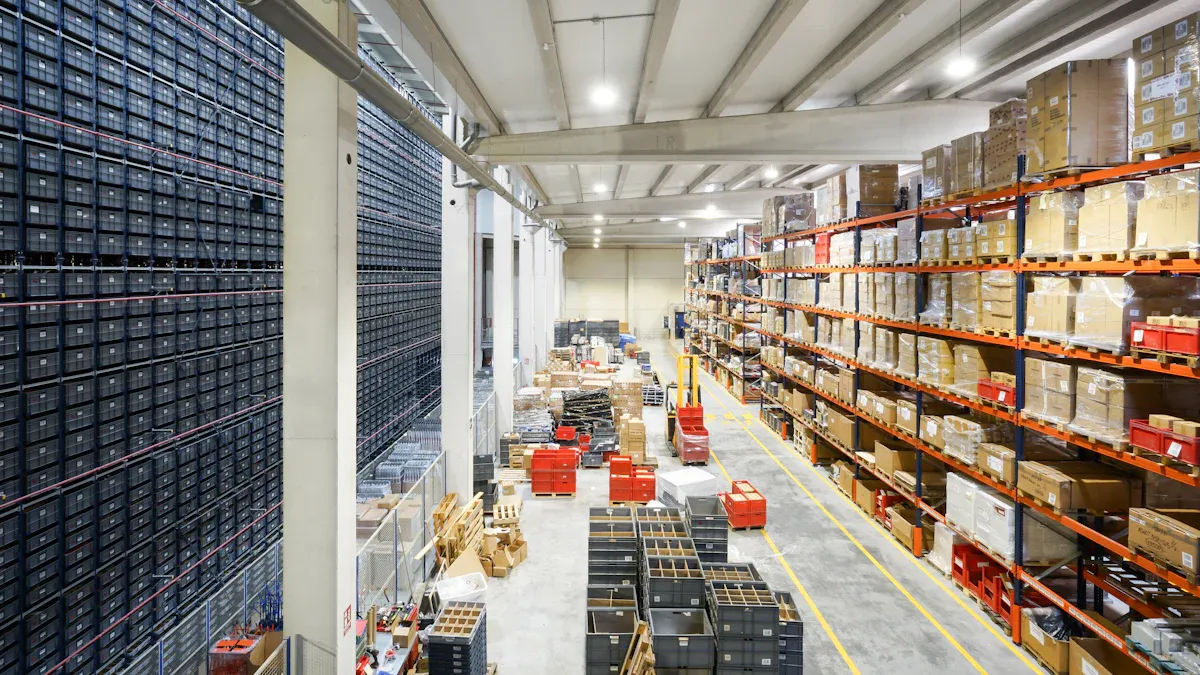
Market Size and Growth
Demand Projections 2026
You need to start your business case with a strong market analysis. The phone case market will reach $24.47 billion in 2026. More people buy smartphones every year. This drives demand for new cases. You can use this trend to build your startup. Your business case should show how you plan to meet this demand. Look at how many cases people buy each month. This helps you set your production goals.
CAGR and Trends
The market grows at a 5.1% CAGR. You see new trends every year. People want cases that fit their style. They also want eco-friendly options. Your business case must include these trends. You can use market analysis to find what customers want. Many startups use technology to make better cases. You should add smart features to your business case. This helps you stand out in the market.
Competitive Landscape
Key Players
Your business case must include a market analysis of the competition. Big brands sell many cases. They use strong marketing and new designs. You need to know who your competitors are. This helps your startup find its place in the market.
Differentiation Strategies
You can use several strategies to make your business case unique.
- Technological innovation drives the market.
- Consumers want personalized and sustainable products.
- Strategic positioning helps your startup compete.
Your business case should show how you use these strategies. You can offer custom designs or use green materials. This makes your business case stronger.
Profit Margin Insights
Typical Ranges
Your business case needs to show profit margins. Phone case startups have higher margins than other accessory markets.
| Accessory Type | Net Profit Margin (%) |
|---|---|
| Phone Cases | 25 to 45 |
| Custom Apparel | 15 to 30 |
| Custom Drinkware | 20 to 35 |
You can use this table in your business case to show why phone cases are a good choice for your startup.
Factors Affecting Margins
You must include production costs and retail prices in your business case.
- Gross profit margins for phone case manufacturers range from 92% to 97%.
- Production costs are between $1.35 and $2.35 per case.
- Retail prices range from $15 to $30+.
- Custom phone cases yield gross margins of 60% to 80%.
- Production costs for custom cases range from $4 to $8.
- Retail prices for custom cases are between $18 and $35.
Your business case should explain how you keep costs low and margins high. You can use market analysis to find the best price points. This helps your startup grow in a competitive market.
Define Production Goals and Product-Market Fit
Target Market Identification
Demographics
You need to know who will buy your product first. Demographics show you who your target customers are. You can look at age, gender, income, and where people live. Most phone case buyers are 15 to 40 years old. Many live in cities and use social media a lot. You should check if your business case fits students, workers, or parents. This step helps you focus your ads and designs.
There are different ways to find your target market. The table below shows the best ways for a phone case startup in 2026:
| Method | Description |
|---|---|
| Market Research | Answers important business questions, finds target markets, and tests ads. |
| Market Segmentation | Splits the market into smaller groups with similar needs for better ads. |
| Primary Research | Uses interviews, surveys, and focus groups to get data. |
Market segmentation lets you split your audience into smaller groups. This makes your business case stronger and helps you reach the right people.
Device Types
You must know what devices your customers use. Popular phone models change every year. Your business case should cover the top-selling devices. In 2026, most people use the newest iPhone, Samsung Galaxy, or Google Pixel. You can check sales data to see which models are popular near you. You should also look at tablets and foldable phones. This helps your startup offer the right product for each device.
Sales Projections
Monthly Estimates
You need to set clear sales goals for your startup. Monthly estimates help you plan your production and budget. Start with a small number, like 500 cases each month. You can change this number as your business case grows. Use old sales data from other startups if you can find it. This gives you a better idea of what to expect.
You can use a simple table to track your monthly sales estimates:
| Month | Estimated Sales (Units) |
|---|---|
| January | 500 |
| February | 600 |
| March | 700 |
| … | … |
Tracking your sales each month helps you see if your business case is working. You can change your plan if you need to.
Forecasting Tools
You can use forecasting tools to make better sales guesses. Many startups use spreadsheets or online calculators. These tools help you see trends and plan for busy months. You can also use software that tracks your sales and gives you reports. This makes your business case more accurate and helps you reach your goals.
Product Range Planning
Materials and Designs
You need to pick the right materials and designs for your product. In 2026, many startups use biodegradable plastics, recycled polymers, and plant-based biocomposites. These materials make your business case eco-friendly and bring in more customers. You can also add smart features like built-in batteries, biometric sensors, or anti-microbial coatings. These features make your product special.
Design trends focus on making cases useful and personal. You can offer modular parts or custom designs. This gives your business case a unique look and feel. You should always check what your target market wants before you choose your materials and designs.
Customization Options
Customization is a big part of your product range planning. Many customers want to make their phone cases special. You can let them pick colors, patterns, or even add their names. This makes your business case more interesting to different groups.
Customization gives you many ways to design your product. You can match your product to your brand style. This helps you build a strong value for your business case. Unique choices can help you sell more and make more money. The phone case market is very competitive. You need to stand out with your customization options.
You should also ask your customers for feedback. This helps you make your product and business case better. Making cases in different styles and colors lets people pick what they like. You can use feedback to change your product range and help your startup grow.
Tip: Always ask for feedback after each sale. This helps you learn what customers like and what you can do better. Good feedback makes your business case stronger and helps you reach product-market fit.
Product-Market Fit
Validation Methods
You need strong validation methods to make sure your phone case startup meets real customer needs. Validation helps you avoid wasting time and money on products that do not fit the market. You can use several practical steps to check if your idea works.
- Gather customer feedback early. Ask people what they like and dislike about your phone case. Sort their answers into feature requests or frustrations. This helps you see what matters most.
- Track important performance metrics. Watch your customer retention rate, customer satisfaction score (CSAT), Net Promoter Score (NPS), and churn rate. These numbers show if people enjoy your product or leave for another brand.
- Use a customer feedback platform. This tool collects all feedback in one place. You can spot common problems and fix them quickly.
- Test your idea with a crowdfunding campaign. This step shows if people want your product before you spend a lot of money. If many people support your campaign, you know your idea has demand.
- Try social listening tools. These tools let you see what people say about your product and your competitors online. You can learn what customers want and what they do not like.
- Build a pre-launch landing page. Show your product and ask people to sign up for updates. If many people sign up, you know there is interest.
- Offer pre-orders. This step helps you measure real demand and see if your price works for customers.
You should focus on solving one big pain point very well before you add more features. This approach gives your startup a clear direction. You can use heat-testing to try new ideas on a small scale. For example, you can show different ads to different groups and see which one gets the best response. This method helps you learn what works without spending too much.
Solve one pain point extremely well before investing in a bigger roadmap. Stay close to your customers after launch. Keep asking what they need and what problems they face. This ongoing validation keeps your product relevant.
Validation is not a one-time task. You need to check your product-market fit at every stage. Use a cost-benefit analysis to decide which features to build next. This helps you spend your resources wisely and grow your startup step by step.
Feedback Loops
Feedback loops help you improve your phone case and keep your startup on track. You need a clear process to collect, review, and act on feedback.
- Gather meaningful feedback. Use surveys, interviews, and user analytics to collect data from real customers. Ask simple questions about what they like and what they want to change.
- Set up a feedback review process. Involve your team and other stakeholders. Look at all the feedback, sort it by importance, and write down the main insights. This step helps you focus on the biggest issues first.
- Close the loop. Tell your customers what changes you made based on their feedback. This action builds trust and keeps people engaged with your brand.
You should repeat this process often. Each time you launch a new design or feature, ask for feedback again. Use the results to make your product better. Over time, these feedback loops help you reach and keep product-market fit.
A strong validation process and active feedback loops give your startup the best chance to succeed. You learn what works, fix what does not, and build a product people love.
From Idea to MVP: Roadmap and Budget
Roadmap Development
Planning Steps
You need a clear action plan to move from idea to mvp. Project planning helps you set project objectives and reach your goals. Start with these steps:
- Research the market and write a business case.
- Learn about legal requirements and follow the rules.
- Estimate your startup costs and find funding.
- Identify your customers and create a marketing strategy.
- Choose reliable suppliers for your product.
- Announce your launch and collect feedback.
You should also select materials and suppliers early. Develop unique designs for your product. Decide if you want to make your product in-house or use outside help. These steps help you with project management and lean execution.
Timeline Creation
Set a timeline for each part of your business case. Write down when you want to finish each step. Use a simple table to track your progress:
| Step | Target Date |
|---|---|
| Market Research | Week 1 |
| Business Plan | Week 2 |
| Legal Setup | Week 3 |
| Supplier Selection | Week 4 |
| Prototype Design | Week 5 |
| MVP Testing | Week 6 |
| Launch | Week 8 |
This timeline keeps your project objectives clear and helps you stay on track during execution.
Budgeting for Production
Startup Cost Estimates
You must know your financials before you start. The average startup needs $68,000 for inventory, website, and prototype work. You should plan for over $150,000 to cover six months of expenses. Keep at least $131,000 in cash before you reach profit. Your total budget for the first year may be $273,700. This covers setup and gives you a safety net. Good budgeting helps you see the financial impact of your business case.
Biodegradable Case Example
If you want to make a biodegradable product, your costs may change. You need to buy special materials and test your prototype. You may spend more on research and development. This strategy can help your business case stand out. Customers like eco-friendly options. You can use this example to show investors your commitment to green products.
MVP Creation
Prototype Design
You need a prototype before you build your minimum viable product. Start with the pain point your product solves. Build the smallest test you can. Do not add extra features. Charge money early to see if people will pay. Track what users do with your prototype. If your mvp does not work, change it or stop. Focus on core features only. Use customer journey mapping to keep your product simple. Wireframes and basic designs help you test your idea fast.
Print-on-Demand Options
Print-on-demand is a smart strategy for your mvp. You do not need to buy lots of inventory. You only pay for your product after a sale. This reduces risk and lets you test your business case. Print-on-demand services handle production and shipping. You can focus on brand growth and execution. As your startup grows, you can scale up without worrying about inventory. This model helps you refine your product based on real feedback. You can add new designs or products quickly.
Tip: Use print-on-demand to test your mvp and improve your business case with less risk.
From idea to mvp, you need strong planning, clear financials, and a focus on execution. Use these steps to build a product that fits the market and grows your startup.
Assess Resources and Technology Investment
Machinery and Equipment
2026 Manufacturing Tech
You need to pick the right machines for your startup. In 2026, factories use advanced machines to make phone cases faster and better. Many factories use TM ll series machines. These machines use automation to cut labor costs and work more efficiently. Your business case should show how you use these machines to save money and time.
You can learn about new technology at events like the Automation and Manufacturing Technology Show 2026. At these events, you see how automation and smart manufacturing make things safer and improve quality and delivery. Your business case gets stronger when you know about these trends.
| Event | Description |
|---|---|
| Automation and Manufacturing Technology Show 2026 | Learn how automation and smart manufacturing help startups with safety, quality, and delivery. |
Throughput Calculation
You need to know how many phone cases you can make each day. This is called throughput. Your business case should include a simple calculation. For example, one machine makes 200 cases per hour. If you run it for 8 hours, you make 1,600 cases a day. Adding more machines increases your output. This helps you plan your investment and show investors your growth plan.
Labor and Workspace
Workforce Planning
You need enough workers for your startup. Automation lets you use fewer workers, which saves money. Your business case should explain how you balance machines and people. You can train your team to use new machines. This makes your business case more appealing to investors.
Facility Optimization
You must use your space wisely. Smart layouts help you move materials quickly and keep your workspace safe. Your business case should show how you plan to use every part of your facility. This helps you get the most from your investment.
Technology and Automation
Smart Systems
Smart systems use sensors and AI to watch your machines. They find problems fast and fix them before you lose time or money. Your business case should include these systems to show you care about quality and speed. For example, advanced sensors and AI control systems can spot mistakes and fix them right away. This keeps your products consistent and your startup running smoothly.
Production Management Software
You need software to track your production. Good software helps you see where you can do better. It also helps you plan your next steps. Your business case should show how you use software to manage orders, check quality, and control costs. Many startups use software that connects to machines and robots. This lets you grow your business with less effort.
| Evidence Type | Description |
|---|---|
| Automation Features | TM ll series machines cut labor costs and work more efficiently for your startup. |
| Real-time Quality Control | Robots handle parts and check quality as you make each phone case. |
| Advanced Sensors | AI systems fix problems as they happen, making your business case stronger. |
Tip: Smart manufacturing and automation help your business case compete. Investors want to see you use the latest technology to grow your startup.
Your business case should always show how your investment in technology, machines, and people will help your startup succeed in 2026.
Production Cycle and Capacity Calculation
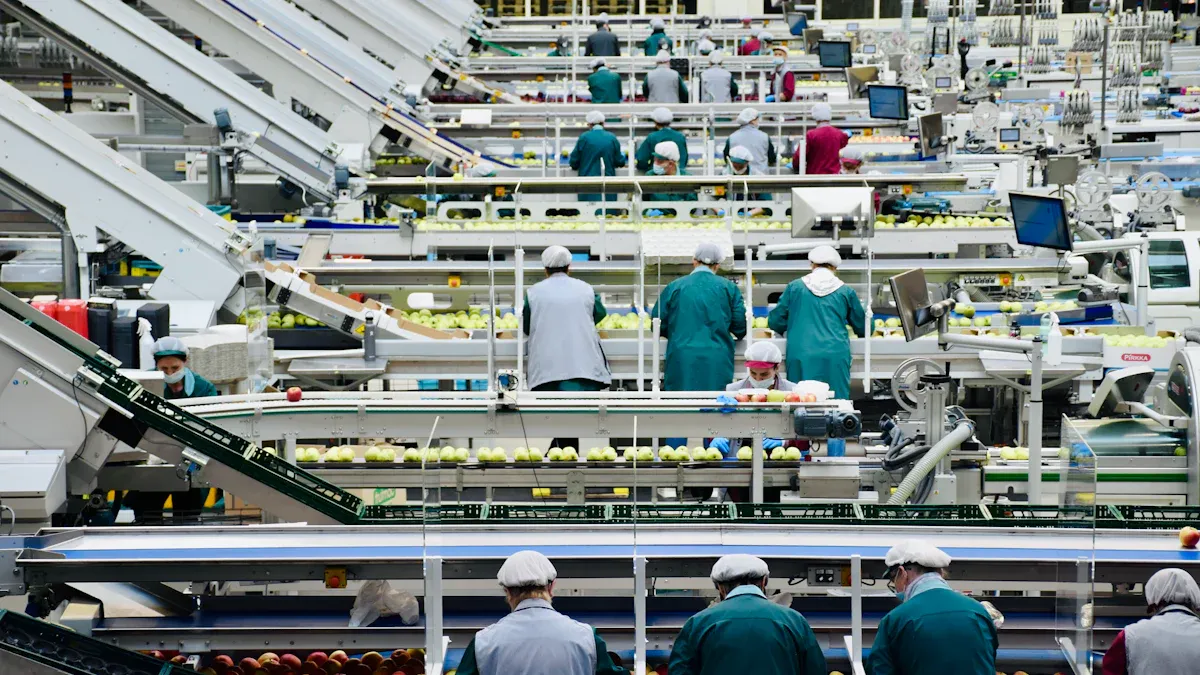
You need to know the production cycle before you guess how many phone cases your startup can make. Each step in the cycle changes your business case and the product you give to customers. When you learn how long each step takes, you can plan your resources and set good goals for your business case.
Production Stages
Design and Prototype
You begin with the design and prototype step. Here, you make the first version of your product. You use sketches, digital models, and sometimes 3D printing. This step lets you test ideas and see what works best for your business case. You can change things fast before you start full production. A strong prototype helps your startup avoid expensive mistakes later.
Manufacturing
The manufacturing step turns raw materials into finished phone cases. You use machines to mold, cut, and shape the product. This step uses lots of energy. For example, you heat quartz and sand to high temperatures to make silicone composites. You mix these with other chemicals to get the right feel and look for your product. Each step in manufacturing adds to the cost and time for your business case. You need to track how much energy and time you use. This helps your startup stay efficient and competitive.
Quality Control
Quality control checks if your product meets your standards. You look at each phone case for defects, color problems, or weak spots. You use sensors and sometimes robots to help with this step. Good quality control protects your business case from returns and bad reviews. You want every product to make your customers happy. This step also helps your startup build a strong reputation.
Packaging
Packaging is the last step before you ship your product. You put each phone case in a box or bag. You add labels and sometimes instructions. You want your packaging to look nice and protect the product during shipping. Warehouses use smart systems to guess demand and make sure your product is ready when customers order. Good packaging supports your business case by reducing damage and making your brand look professional.
Tip: Each step in the production cycle uses energy and resources. If you track these steps, you can find ways to save money and improve your business case.
Cycle Time Estimation
Stage Duration
You need to know how long each step takes. This is called cycle time. For example, design and prototype might take two days for a new product. Manufacturing could take five minutes per case. Quality control might add one minute, and packaging could take another minute. You add these times to get the total cycle time for one product.
| Stage | Average Time per Product |
|---|---|
| Design & Prototype | 2 days (first run) |
| Manufacturing | 5 minutes |
| Quality Control | 1 minute |
| Packaging | 1 minute |
You use these numbers to plan your daily and monthly output. If you know your cycle time, you can set goals for your startup and make your business case stronger.
Bottleneck Analysis
Sometimes, one step takes longer than the others. This is called a bottleneck. For example, if manufacturing takes five minutes but packaging takes ten minutes, packaging becomes the bottleneck. You need to fix bottlenecks to improve your business case. You can add more workers, buy faster machines, or change your process. Cycle time estimation helps you find and fix these slow spots. Your startup can then make more product and grow faster.
Note: Always check your cycle times. Bottlenecks can change as your business case grows.
Capacity Calculation
Resource Multiplication
You figure out your production capacity by multiplying your resources. If one machine makes 12 products per hour and you have five machines, you make 60 products per hour. If you work eight hours a day, you make 480 products a day. You must also count workers, workspace, and energy use. This calculation gives you the theoretical capacity for your business case.
Example Calculation:
Number of Machines x Output per Machine x Hours Worked = Daily Capacity
5 machines x 12 products/hour x 8 hours = 480 products/day
You use this number to plan your inventory and sales. Your startup needs to match production with demand to keep your business case healthy.
Peak Output Scenarios
You also need to plan for busy times. Sometimes, you get more orders than usual. You can run extra shifts, add machines, or use overtime. This is your peak output scenario. You must check if your startup can handle these spikes without hurting quality. If you plan well, your business case stays strong even during busy seasons.
| Scenario | Machines | Hours/Day | Output/Day |
|---|---|---|---|
| Normal | 5 | 8 | 480 |
| Peak (Overtime) | 7 | 10 | 840 |
You want your startup to be flexible. If you can increase output quickly, you can win more customers and grow your business case.
Keep tracking your production numbers. Use data to adjust your business case and reach your goals.
Now you have the tools to break down your production cycle, estimate cycle time, and calculate capacity. This knowledge helps your startup make smart choices and build a strong business case for your product.
Real-World Constraints and Validation
Downtime and Maintenance
Scheduling
You must plan for downtime and maintenance. Machines need regular checks to work well. If you skip this, your startup will have bottlenecks. These bottlenecks cause downtime. Downtime lowers how many cases you make. This hurts your business case. Make a schedule for maintenance and follow it. Use tools to watch your machines in real time. These tools help you find problems early. Fixing issues fast keeps your business case strong.
Unexpected Issues
Unexpected problems can stop your production line. Machines might break or parts might run out. If you do not prepare, your business case will suffer. Train your team to handle surprises. Keep extra parts ready. Use systems to spot issues right away. This reduces downtime and helps your startup recover fast. Always update your business case with what you learn from each problem.
Supply Chain Management
Critical Suppliers
Your business case needs reliable suppliers. In 2026, you must track inventory and shipments in real time. This helps your startup make quick decisions. Pick suppliers who meet your quality and delivery needs. If one supplier fails, your business case can fall apart. Build strong relationships and have a backup plan.
Buffer Strategies
You need a good supply chain plan for your business case. The table below shows three common models for startups:
| Strategy Type | Description |
|---|---|
| Lean Model | Keeps costs and inventory low with just-in-time delivery. It is efficient but risky. |
| Resilient Model | Uses backup suppliers and extra inventory. It is stable but costs more. |
| Hybrid Approach | Mixes lean and resilient models. It balances efficiency and stability for changing markets. |
- Global sourcing can save money but takes longer and is more complex.
- Local sourcing is faster but costs more.
- Nearshoring and regional production help your startup stay strong.
Pick a model that fits your business case and market. Always keep some extra stock to handle delays. This protects your startup from sudden problems.
Regulatory Compliance
Safety Standards
You must follow safety rules in your business case. In 2026, rules focus on safe materials and the environment. Your startup needs to use safe materials and eco-friendly packaging. This keeps your business case legal and builds trust with customers.
Certifications
Certifications show your business case meets industry rules. Get the right certificates for your product and packaging. This helps your startup enter new markets and avoid fines. Always update your business case with new rules and standards.
Tip: Keep up with new regulations. This keeps your business case strong and your startup ready to grow.
Validation and Continuous Improvement
KPI Tracking
You need to track key performance indicators (KPIs) to keep your startup on the right path. KPIs help you measure how well your business case works. You can use KPIs to spot problems early and make smart changes. Some important KPIs for a phone case startup include:
- Production output per day
- Defect rate per batch
- On-time delivery rate
- Customer satisfaction score
- Inventory turnover
You should set clear targets for each KPI. For example, you might want a defect rate below 2%. You can use a simple table to track your progress:
| KPI | Target | Actual | Status |
|---|---|---|---|
| Production Output | 500/day | 480/day | Needs review |
| Defect Rate | <2% | 1.5% | Good |
| On-Time Delivery | 98% | 96% | Needs review |
| Customer Satisfaction | 4.5/5 | 4.2/5 | Needs review |
You should review your KPIs every week. This helps you see if your business case meets your goals. If you fall behind, you can act fast to fix the problem. Tracking KPIs also shows investors that your startup uses data to make decisions.
Tip: Use a dashboard or spreadsheet to keep all your KPI data in one place. This makes it easy to share updates with your team and improve your business case.
Data-Driven Adjustments
You need to use data to improve your business case. Data-driven adjustments help your startup grow and stay competitive. You can collect data from sales, production, and customer feedback. Look for patterns in your numbers. For example, if you see more defects on Mondays, you can check if your machines need extra checks after the weekend.
You should use feedback from customers to change your designs or materials. If many people ask for eco-friendly cases, you can add this option to your business case. You can also use data to plan your inventory. If sales go up in December, you can make more cases before the holiday season.
Here are steps to make data-driven adjustments:
- Collect data from all parts of your startup.
- Review the data with your team.
- Find trends or problems.
- Test small changes to your business case.
- Measure the results and keep what works.
You should repeat this process often. Continuous improvement keeps your business case strong. Your startup will adapt to market changes and customer needs. When you use data to guide your actions, you build trust with investors and customers.
Note: Always share your results with your team. This helps everyone understand the business case and work toward the same goals.
Scalability and Growth Planning
Demand Forecasting
Growth Scenarios
You need to plan for different growth scenarios in your startup. Your business case should show how your product can handle slow, steady, or rapid growth. Start by looking at your sales data. Use this data to predict how many products you might sell each month. If your business case expects fast growth, you must prepare for higher demand. You can use simple forecasting tools to help you see trends. These tools help you make smart decisions for your startup.
Tip: Always update your business case with new sales numbers. This keeps your growth plan accurate.
Flexible Lines
Flexible production lines help your startup adjust to changes in demand. Your business case should include ways to switch between different products quickly. For example, you can set up machines that make more than one type of product. This helps you meet customer needs without slowing down. Flexible lines also let your startup test new products with less risk. You can change your business case as you learn what works best.
Automation Solutions
Robotics and AI
Robotics and AI can help your startup grow faster. Your business case should show how these tools make your product better and cheaper to produce. Robots can handle tasks like packing or sorting. AI can watch your machines and spot problems before they stop your line. When you use robotics and AI, your startup can make more products with fewer mistakes. This supports your growth goals and makes your business case stronger.
Software Upgrades
Software upgrades keep your startup ready for growth. Your business case should include plans to update your production software. New software can track orders, manage inventory, and help you plan for busy times. You can use dashboards to see how your product moves through each step. Upgrades also help your startup find ways to save money and improve your business case.
Expansion Strategies
Workforce Growth
As your startup grows, you may need more workers. Your business case should show when to hire new people. Start by training your team to handle more products. Add new workers when your business case shows steady growth. Good training helps your team work faster and make fewer mistakes. This keeps your product quality high and supports your growth plan.
Facility Expansion
You may need a bigger space as your startup grows. Your business case should include steps for expanding your facility. Look for ways to use your current space better before moving. If you need more room, plan your expansion in small steps. This helps your startup control costs and keep your business case strong. Always check if your new space can handle more products and support future growth.
Note: Review your business case often. Make changes as your startup grows and your product line expands.
Print-on-Demand Flexibility
Risk Minimization
You can use print-on-demand to lower risks for your startup. This model lets you avoid buying large amounts of inventory. You only pay for each phone case after you make a sale. This keeps your cash safe and helps your business case stay strong. You do not need to worry about unsold products. If a design does not sell, you can remove it from your business case with no loss.
Print-on-demand also helps you test new ideas. You can add new designs to your business case and see what customers like. If a design becomes popular, you can add it to your main product line. This keeps your startup flexible. You do not need to guess what will sell. You can use real sales data to improve your business case.
You can also avoid storage costs. Print-on-demand partners ship products directly to your customers. This means you do not need a big warehouse. Your business case becomes more efficient. You can use your money for marketing or new designs instead of storage.
Tip: Use print-on-demand to test your business case before you invest in large orders. This helps your startup grow with less risk.
Rapid Response
Print-on-demand gives your startup the power to react fast. You can add new designs to your business case in just a few days. If you see a new trend, you can create a phone case and offer it right away. This speed helps your business case stay ahead of the competition.
You can also change your business case if you get feedback from customers. If people ask for a new color or feature, you can add it quickly. Your startup does not need to wait for a new batch of inventory. You can update your business case and meet customer needs fast.
Print-on-demand also helps you handle busy seasons. If you get more orders during holidays, your business case can scale up without delays. Your startup does not need to hire extra workers or buy more machines. Your print-on-demand partner handles the extra work. This keeps your business case strong during peak times.
| Benefit | How It Supports Your Business Case |
|---|---|
| Fast Design Changes | Update your business case quickly |
| No Inventory Risk | Protect your business case from losses |
| Easy Scaling | Grow your startup without big investments |
You can use print-on-demand to keep your business case flexible and ready for change. This model helps your startup survive in a fast-moving market.
You can build a strong business case by following each step in this guide. Start your startup with market analysis. Set clear goals for your business case. Use your budget to plan each part of your business case. Test your business case with real customers. Track your results and update your business case often. Use technology and print-on-demand to keep your startup flexible. Review your business case as the market changes. Your startup can grow when you use these strategies.
Keep your business case active. Your startup will succeed when you adapt and learn.
FAQ
What is the first step to start a phone case startup?
You should begin with market research. Learn about your target customers and the latest trends. This step helps you build a strong plan for your startup.
How do I estimate production capacity for my startup?
Count the number of machines, workers, and hours you plan to use. Multiply these numbers to get your daily output. This method gives you a clear starting point for your startup.
What materials work best for a phone case startup?
You can use silicone, plastic, or eco-friendly materials. Many startups choose biodegradable options to attract more customers. Pick materials that match your brand and budget.
How can my startup keep costs low?
You should use print-on-demand services and buy materials in bulk. Automate simple tasks when possible. These steps help your startup save money and grow faster.
Why is feedback important for a startup?
Feedback shows what customers like or dislike. You can use this information to improve your product. A startup that listens to feedback often grows stronger and faster.
What technology should a startup invest in for 2026?
You should look for smart machines, AI tools, and production software. These tools help your startup work faster and reduce mistakes. Stay updated with new technology trends.
How do I handle sudden increases in orders for my startup?
Set up flexible production lines and use print-on-demand partners. This approach lets your startup respond quickly to changes in demand without extra risk.
Tip: Always review your startup plan as you grow. This helps you stay ready for new challenges.


 English
 Arabic
 Chinese (Simplified)
 Dutch
Dutch French
 German
 Italian
 Portuguese
 Russian
 Spanish