

ODM phone case factory tips for smooth partnerships
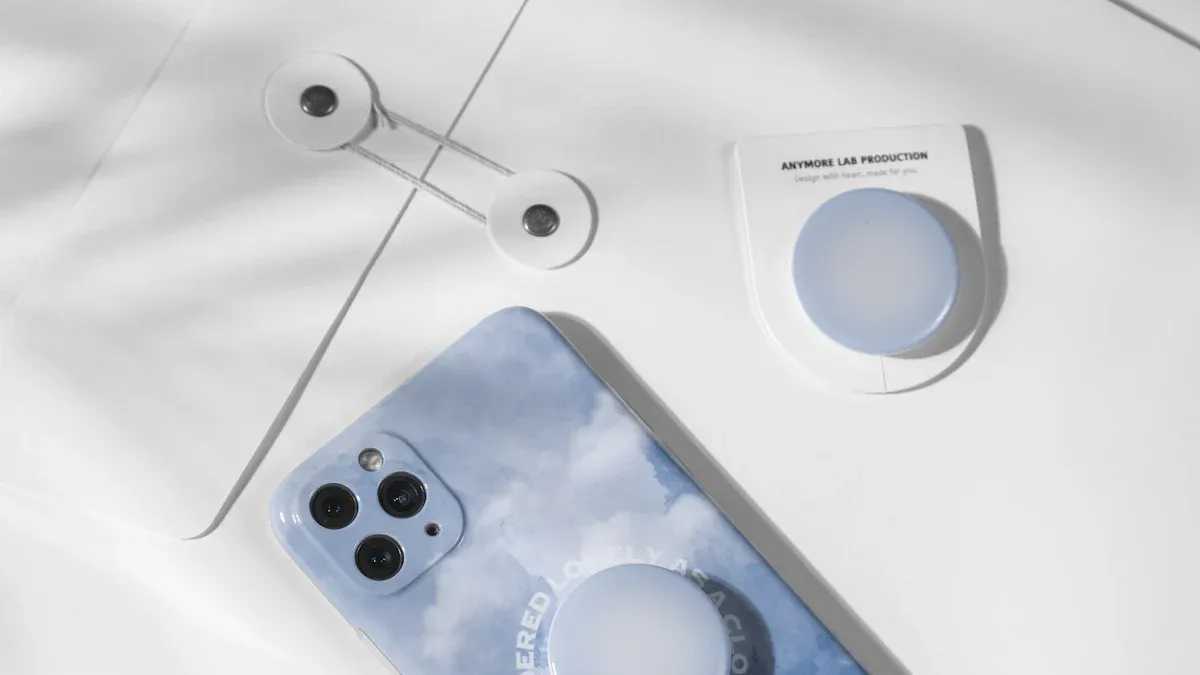
Partnering with an ODM phone case factory feels exciting, but I quickly learned how much clear communication matters. I always make sure to share my ideas and listen closely to feedback. Picking the right partner goes beyond price or speed. I look for a team that understands what sets ODM apart from OEM. > Quality control and teamwork help me avoid surprises and build trust from the start.
Key Takeaways
- Clarify your product specs before contacting a factory. This prevents confusion and ensures smooth production.
- Choose a factory with proven expertise. Check their credentials and ask for references to ensure quality.
- Implement strict quality control measures. Request samples and inspect them to avoid costly mistakes later.
- Maintain open communication throughout the process. Regular updates and feedback help keep projects on track.
- Plan your production timeline carefully. Include buffer periods to manage unexpected delays effectively.
- Protect your intellectual property with NDAs and clear contracts. This secures your designs and brand.
- Build a strong partnership based on trust and transparency. Share goals and celebrate milestones together.
- Stay organized with a checklist for all stages of production. This helps you track progress and manage expectations.
Clarify Your Needs
Before I reach out to any ODM phone case factory, I always take time to get clear on what I want. I learned that guessing or leaving things open-ended leads to confusion and delays. When I know exactly what I need, the whole process runs smoother. Here’s how I break it down:
Product Specs
Material & Size
I start by thinking about the material. Do I want silicone, TPU, leather, or something else? Each material feels different and offers unique protection. I also check the size. I make sure the case fits the phone model perfectly. If I skip this step, I risk getting cases that don’t fit or protect the phone well.
Tip: I keep a table of phone models and their dimensions handy. This helps me double-check everything before I send my specs.
| Phone Model | Length (mm) | Width (mm) | Thickness (mm) |
|---|---|---|---|
| iPhone 14 | 146.7 | 71.5 | 7.8 |
| Samsung S23 | 146.3 | 70.9 | 7.6 |
Features & Compatibility
Next, I list the features I want. Maybe I need wireless charging support, a kickstand, or extra camera protection. I also think about compatibility. Does the case need to work with screen protectors or other accessories? I write down every detail so nothing gets missed.
Design & Branding
Logo & Colors
Design matters a lot to me. I decide if I want my logo on the case and where it should go. I pick colors that match my brand. Sometimes, I ask for a few color samples to see what looks best in real life.
Packaging
Packaging is the first thing my customers see. I describe the type of packaging I want—simple boxes, eco-friendly bags, or custom printed sleeves. I include any branding or instructions I want on the packaging.
- I always share my ideas about design and packaging early. This helps the factory understand my vision and avoids costly changes later.
Note: The more details I provide, the fewer surprises I get during production.
When I clarify my needs up front, I set the stage for a successful partnership with an ODM phone case factory. I save time, avoid mistakes, and get products that match my expectations.
Choosing an ODM phone case factory
When I look for an ODM phone case factory, I never rush. I want to make sure I pick the right partner. I always do my homework before making any decisions. Here’s how I break down the process.
Manufacturer Expertise
Credentials
I always check the factory’s credentials first. I ask for business licenses and certifications. I want proof that the factory follows safety and quality standards. Sometimes, I ask for ISO certificates or other industry approvals. If the factory can’t show these documents, I move on.
| Credential Type | Why I Check It |
|---|---|
| Business License | Legal operation |
| ISO Certificate | Quality management |
| Test Reports | Product safety |
Experience
Experience matters to me. I ask how long the factory has been making phone cases. I look for a team that has worked with brands like mine. I ask for examples of past projects. If they have made cases for big brands, I feel more confident. I also ask about their design team and engineers. I want to know if they can handle custom requests.
Tip: I always ask for references from other clients. This helps me learn about their reputation.
Quality Control
Inspections
Quality control is a big deal for me. I ask the factory about their inspection process. I want to know how they check each batch of phone cases. I ask if they have a dedicated quality team. I also ask how often they inspect products during production.
- I look for factories that do multiple inspections:
- Before production starts
- During production
- Before shipping
Sample Checks
Before I place a big order, I always request samples. I test the samples myself. I check the fit, finish, and durability. If the sample doesn’t meet my standards, I give feedback and ask for changes. I never skip this step. It saves me from costly mistakes later.
Note: I keep a checklist for sample checks. I look at color, logo placement, material quality, and packaging.
Factory Visits
Compatibility
If possible, I visit the factory in person. I want to see how they work. I check if their equipment matches my needs. I talk to the production team. I ask questions about their process. I want to make sure we are a good fit.
- I look for signs of good communication.
- I check if they understand my brand and goals.
Production Stability
Production stability is key for me. I ask about their monthly output. I want to know if they can handle my order size. I ask about their backup plans for delays or problems. I look for a factory that can deliver on time, every time.
| Question I Ask | Why It Matters |
|---|---|
| Monthly capacity | Can they meet demand? |
| Backup plans | Avoid delays |
| Past delivery record | Reliable partner |
Visiting the ODM phone case factory helps me spot any red flags early. I get a feel for their team and their commitment to quality.
Choosing the right ODM phone case factory takes time and effort. I always research, request samples, and arrange visits when I can. I look for proven quality, stable production, and strong ODM capabilities. This careful approach helps me build reliable partnerships and avoid surprises down the road.
Communication & Collaboration
When I work with an ODM phone case factory, I know that good communication makes everything easier. I want to share my ideas and hear updates from the factory. This helps me avoid mistakes and keeps my project on track.
Regular Updates
Progress Reports
I always ask for regular progress reports. These updates show me what the factory has finished and what comes next. I like to get weekly or bi-weekly reports. Sometimes, I ask for photos or short videos of the production line. This way, I can see the work with my own eyes.
- What I look for in a progress report:
- Current stage of production
- Any problems or delays
- Estimated completion date
Tip: I set a schedule for updates at the start of the project. This keeps everyone on the same page.
Feedback Loops
Feedback is a two-way street. I give my thoughts on samples or reports, and I want the factory to share their ideas too. If they spot a problem or have a better way to do something, I want to know. I try to answer questions quickly so we do not lose time.
- I use email, chat apps, or video calls for feedback.
- I keep my comments clear and direct.
Note: Fast feedback helps fix small issues before they become big problems.
Language & Culture
Clear Language
Sometimes, language differences can cause confusion. I use simple words and short sentences when I talk with the factory. I avoid slang or jokes that might not translate well. If I do not understand something, I ask for more details.
| Good Practice | Why It Helps |
|---|---|
| Simple language | Fewer misunderstandings |
| Visual examples | Clearer instructions |
| Repeat key points | Everyone remembers |
Translation Support
If I work with a team that does not speak my language well, I look for translation support. Some factories have staff who speak English or other languages. If not, I use a translator or ask for written summaries. This makes sure nothing gets lost.
I learned that clear communication builds trust. It helps me and the ODM phone case factory work together as a real team.
Planning & Timelines
When I start working with an ODM phone case factory, I always pay close attention to planning and timelines. If I skip this step, I end up with delays and headaches. I learned that production usually takes about 80 to 90 days. That’s almost three months! I never want to rush things or miss a launch date, so I plan ahead.
Production Schedule
Lead Times
Lead time is the total time from placing my order to receiving the finished phone cases. I ask the factory for a clear breakdown. I want to know how long each stage takes—design, prototyping, production, and shipping. I write these dates down and share them with my team.
| Stage | Typical Duration |
|---|---|
| Design | 10-15 days |
| Prototyping | 15-20 days |
| Production | 40-45 days |
| Shipping | 15-20 days |
Tip: I always confirm the timeline before I sign any contract. If the factory gives me vague answers, I ask for more details.
Buffer Periods
I never assume everything will go perfectly. I add buffer periods to my schedule. If something goes wrong—like a material shortage or a shipping delay—I have extra time to fix it. I usually add 10-15 days as a safety net. This helps me avoid stress and keeps my customers happy.
- I set reminders for key milestones.
- I update my calendar with buffer days.
Budget & Payments
Money matters. I talk about budget and payments early in the process. I want to avoid surprises and make sure I can afford the whole project.
Payment Terms
I ask the ODM phone case factory about their payment terms. Most factories want a deposit before starting production. The rest is due before shipping. I check if they accept bank transfers or other payment methods. I read the contract carefully and ask questions if anything seems unclear.
| Payment Stage | Typical Percentage |
|---|---|
| Deposit | 30% |
| Final Payment | 70% |
Note: I never pay the full amount upfront. I keep records of every payment.
Cost Structure
I break down the costs with the factory. I want to know what I’m paying for—materials, labor, packaging, shipping, and any extras. I ask for a detailed quote. If I see hidden fees, I ask for an explanation. This helps me compare offers and stick to my budget.
- I list all costs in a spreadsheet.
- I review quotes from different factories.
Planning and talking about timelines and money early helps me avoid problems. I stay organized, meet my deadlines, and keep my business running smoothly.
Protecting IP
When I work with an ODM phone case factory, I always think about how to protect my intellectual property (IP). My designs, logos, and ideas matter to my business. If I do not take steps to secure them, I risk losing control or seeing copies pop up everywhere.
NDAs & Contracts
I never start a project without signing a Non-Disclosure Agreement (NDA). This document tells the factory they cannot share my designs or business secrets. I also use contracts to set clear rules for our partnership.
Key Clauses
I pay close attention to the clauses in my contracts. I make sure the NDA covers all my designs, branding, and any custom features. I add penalties for breaking the agreement. I include a clause that says the factory cannot use my designs for other clients.
- I always check for these key clauses:
- Confidentiality
- Non-compete
- Ownership of designs
- Penalties for breaches
Tip: I ask a lawyer to review my contracts before I sign anything. This helps me avoid loopholes.
Jurisdiction
Jurisdiction tells me which country’s laws will apply if there is a dispute. I choose a jurisdiction that protects my rights. Sometimes, I pick my own country. Other times, I use the factory’s country if it makes sense. I make sure the contract spells this out clearly.
| Clause | Why It Matters |
|---|---|
| Jurisdiction | Legal protection |
| Enforcement | Easier to resolve issues |
IP Risks
Even with contracts, I know there are risks. I stay alert and watch for signs of trouble.
Monitoring
I do not just trust the factory to follow the rules. I set up ways to monitor my supply chain. I learned from big brands like Lenovo. They use a Trusted Supplier Program. This program checks suppliers with regular audits and reviews. They look for problems early and fix them fast. I try to do the same. I ask for updates and proof that my designs stay safe. If I spot a problem, I talk to the factory or switch suppliers.
- I use these monitoring strategies:
- Regular supplier audits
- Checking internal processes
- Reviewing security controls
Note: Early detection helps me avoid bigger issues and keeps my IP safe.
Distribution Channels
I track where my phone cases go after production. I ask the factory for a list of distributors and sales channels. I look for unauthorized sellers online. If I see my designs on strange websites, I act quickly. I contact the seller or report the issue. I also work with the factory to stop leaks.
- I keep a record of approved distributors.
- I search online for copies of my products.
Protecting my IP takes effort, but it gives me peace of mind. I use strong contracts, monitor my supply chain, and watch my distribution channels. This way, I keep control of my brand and my business.
Building Partnerships

Building a strong partnership with my ODM phone case factory goes beyond contracts and checklists. I want a relationship where both sides feel respected and motivated. Here’s how I make that happen.
Trust & Transparency
Trust does not happen overnight. I work hard to build it from day one. I share my goals and concerns honestly. I also expect the factory to do the same.
Open Issues
When problems pop up, I do not hide them. I bring them up right away. I want the factory to feel safe telling me about delays or mistakes. If we both talk openly, we can fix issues faster.
- I set up regular check-ins to talk about any challenges.
- I ask the factory to share problems as soon as they notice them.
Tip: I remind myself that mistakes happen. It’s how we handle them that matters.
Shared Goals
I always talk about what success looks like for both sides. I want the factory to know my business goals. I also ask about their goals. When we understand each other’s needs, we work better together.
| My Goals | Factory’s Goals |
|---|---|
| On-time delivery | Stable orders |
| High quality | Good reputation |
| Long-term growth | Repeat business |
I find that shared goals help us stay focused and motivated.
Feedback & Recognition
Feedback is not just about pointing out problems. I use it to build a positive partnership. I also believe in celebrating wins, big or small.
Milestone Celebrations
When we hit a big milestone—like finishing the first batch or launching a new design—I take time to celebrate. Sometimes, I send a thank-you note or share photos of happy customers. This makes the factory team feel valued.
- I mark key dates on my calendar.
- I send a quick message to say “Great job!” when we reach a goal.
🎉 Small celebrations keep everyone excited about the project.
Improvement Suggestions
I always give feedback on what went well and what could be better. I ask the factory for their ideas, too. Maybe they see a way to speed up production or improve packaging. I listen and show that I value their input.
- I keep feedback positive and specific.
- I invite suggestions during our regular meetings.
Note: When both sides share ideas, we find better solutions and grow together.
Building a real partnership takes effort, but it pays off. Trust, open communication, and recognition turn a simple business deal into a long-term win for everyone.
Working with an ODM phone case factory taught me a lot. I always start by getting clear on my needs, then focus on quality control and open communication. Here’s what works for me:
- Define product specs and branding early.
- Check quality at every stage.
- Keep feedback flowing.
- Build trust for the long run.
Taking time to vet your partner pays off. A strong relationship leads to better results and fewer surprises.
FAQ
How long does ODM phone case production usually take?
I plan for 80 to 90 days from start to finish. This covers design, prototyping, production, and shipping. I always add a buffer for unexpected delays.
Can I request custom designs or features?
Yes, I always share my ideas for custom designs or features. Most ODM factories can handle requests like special colors, logos, or extra protection.
What payment terms do ODM phone case factories offer?
Most factories ask for a 30% deposit before production. I pay the remaining 70% before shipping. I always check the contract for details.
How do I check product quality before placing a big order?
I ask for samples first. I test the fit, finish, and durability myself. I use a checklist to make sure everything meets my standards.
Tip: Never skip the sample check. It saves time and money.
What should I include in my initial inquiry to the factory?
I list my product specs, design ideas, order quantity, and timeline. I also mention branding needs and packaging preferences. Clear details help the factory understand my vision.
How do I protect my designs and brand when working with an ODM factory?
I always sign an NDA and a contract with clear clauses. I monitor the supply chain and check distribution channels for unauthorized copies.


 English
 Arabic
 Chinese (Simplified)
 Dutch
Dutch French
 German
 Italian
 Portuguese
 Russian
 Spanish