

Bulk order phone cases for quick and cheap stocking

I know that finding a quick and cheap bulk order for phone cases can feel overwhelming. I always look for wholesale pricing, fast delivery, and low minimum order quantities. I compare suppliers side by side, check their MOQs, and ask about customisation options. I believe that balancing price, speed, and quality leads to the best results.
Tip: Always ask suppliers for sample products before making a large purchase.
Key Takeaways
- Bulk ordering phone cases allows businesses to save money through lower prices per unit.
- Always check the minimum order quantity (MOQ) to find suppliers that fit your budget and needs.
- Fast restocking is crucial; bulk orders help avoid running out of stock during peak demand.
- Consider the material and design options carefully, as they significantly affect pricing and customer appeal.
- Negotiate prices with suppliers; never accept the first offer to secure the best deal.
- Be aware of hidden costs like shipping fees and customs duties to avoid budget surprises.
- Use online platforms like Alibaba and AliExpress to compare suppliers and find the best deals.
- Track your orders to manage inventory effectively and ensure timely delivery to customers.
Bulk order basics

What is bulk order
I often describe a bulk order as purchasing a large quantity of phone cases in one go. This approach helps me secure better prices and ensures I have enough stock to meet demand. Many suppliers set a minimum order quantity, sometimes as low as 10 pieces. I find this especially useful for small businesses that want to test new products without risking too much capital. When I place a bulk order, I can choose from a wide range of styles and materials, which allows me to cater to different customer preferences.
Benefits for businesses
Cost savings
I notice that buying phone cases in bulk leads to significant cost savings. Suppliers usually offer lower prices per unit when I order more. This means I can increase my profit margins and manage my cash flow more efficiently. I have seen that predicting demand helps me avoid holding excess inventory, which reduces unnecessary costs.
Note: Ordering in bulk often unlocks exclusive discounts and promotions from suppliers.
Here is a table showing the main advantages for businesses when purchasing phone cases in bulk:
| Advantage | Description |
|---|---|
| Lower inventory costs | Predicting demand helps businesses hold only necessary inventory, reducing excess costs. |
| Economies of scale | Larger orders lead to lower cost-per-unit, enhancing profitability. |
| Bulk savings | Discounts from suppliers for bulk purchases result in better pricing per unit. |
| Stronger supplier relationships | Establishing clear MOQs fosters better collaboration and understanding between buyers and suppliers. |
Fast restocking
I rely on bulk orders to restock quickly. When I buy in larger quantities, I avoid frequent reordering and reduce the risk of running out of stock. This keeps my business running smoothly and ensures customers always find what they need. Fast restocking also helps me respond to sudden spikes in demand, such as new phone launches or seasonal sales.
Who should bulk order
I believe bulk ordering suits a variety of businesses. Small retailers benefit from low minimum order quantities, which allow them to experiment with new products. Online sellers can take advantage of bulk discounts to improve their pricing strategies. Larger shops and distributors often use bulk orders to maintain steady inventory levels and fulfil customer orders efficiently.
Here is a table showing which types of businesses benefit most from bulk ordering phone cases:
| Benefit Type | Description |
|---|---|
| Cost Efficiency | Businesses can achieve lower cost-per-unit, improving profit margins and cash flow management. |
| Bulk Discounts | Suppliers often provide discounts for bulk orders, leading to better pricing per unit. |
| Order Fulfillment | Setting a minimum order quantity ensures that fulfilling orders is worth the time and effort. |
I always recommend that businesses consider their size, sales volume, and customer needs before placing a bulk order. Low MOQs make bulk ordering accessible, even for those just starting out.
Bulk order pricing
Pricing tiers
I always pay close attention to pricing tiers when I place a bulk order for phone cases. Suppliers usually set different price levels based on how many units I order. I have seen that smaller orders come with a higher price per unit. Larger orders unlock lower prices. This system helps me plan my budget and decide how much stock to buy. Here is how pricing tiers often look:
- Orders of 100 units might cost $2.50 per case.
- Orders of 500 units could drop to $2 per case.
- Orders of 5,000 units may go as low as $1.50 per case.
I find that this tiered approach rewards me for buying more at once. It also gives me flexibility if I want to test new designs or materials without committing to a huge quantity.
Minimum order quantity
Minimum order quantity, or MOQ, plays a big role in how much I pay for each phone case. Suppliers set an MOQ to make sure production and shipping stay efficient. I notice that higher MOQs usually mean lower prices per unit. Lower MOQs often come with a higher price tag. This happens because smaller orders cost more to process and ship. I use the following table to help me understand the impact of MOQ on pricing:
| Evidence | Explanation |
|---|---|
| Higher MOQs lead to lower unit prices | Bulk purchasing and production efficiencies reduce the cost per unit. |
| Lower MOQs result in higher unit prices | Smaller order sizes increase administrative costs, raising the unit price. |
| Economies of scale | Larger orders allow for better supplier pricing, resulting in more discounts. |
I always check the MOQ before I commit to a supplier. This helps me balance my budget and avoid surprises.
Discount structures
I look for discount structures that help me save even more when I place a bulk order. Suppliers often use two main types of discounts: volume discounts and special promotions.
Volume discounts
Volume discounts reward me for ordering larger quantities. The more I buy, the less I pay per unit. I have seen suppliers offer extra discounts when I reach certain order thresholds. For example, if I order 1,000 cases instead of 500, I might get an extra 10% off. These discounts help me keep my costs low and my profit margins healthy.
Tip: Always ask suppliers if they offer extra discounts for orders above their highest pricing tier.
Promotions
Promotions give me another way to save money. Suppliers sometimes run special deals, such as free shipping or limited-time price cuts. I have found that these offers can make a big difference, especially when I need to restock quickly or try new products. I always check for current promotions before I finalise my order.
I believe that understanding pricing tiers, MOQs, and discount structures helps me make smart decisions. This knowledge lets me stock up on phone cases quickly and cheaply, while keeping my business competitive.
Pricing factors
Material types
I always start by looking at the material when I choose phone cases for bulk orders. The material has a big impact on the price. I see three main types: plastic, tempered glass, and leather.
- Plastic cases cost the least. They are light and easy to produce. I use them when I want to keep costs low.
- Tempered glass cases offer more protection. They cost more than plastic. I choose these when my customers want extra durability.
- Leather cases look and feel premium. They are the most expensive. I order these for customers who want a luxury product.
Here is a table that shows how material affects price:
| Material | Price Range (per unit) | Features |
|---|---|---|
| Plastic | $0.10 – $1.00 | Lightweight, basic |
| Tempered Glass | $1.50 – $2.50 | Strong, scratch-resistant |
| Leather | $2.50 – $3.95 | Premium, stylish |
Tip: I always match the material to my target market. This helps me avoid overpaying for features my customers do not need.
Design options
Design plays a big role in pricing. Simple designs cost less. Complex designs with patterns, colours, or extra features cost more. I often see suppliers charge extra for cases with kickstands, card holders, or magnetic closures.
I use this checklist when I compare design options:
- Plain colour or clear cases: lowest price
- Printed patterns or logos: moderate price
- Extra features (kickstand, wallet): highest price
I find that unique designs help my products stand out. I pay a bit more for these, but they attract more customers. I always balance design with my budget.
Customisation
Customisation lets me add my own branding or artwork to phone cases. This can include printing my logo, choosing special colours, or adding text. Customisation usually increases the price per unit. The cost depends on the method. Simple printing costs less. Embossing or engraving costs more.
Here is what I consider before I customise:
- Minimum order quantity for custom cases
- Extra cost per unit for custom work
- Production time for custom orders
Note: I always ask for a sample before I place a large custom order. This helps me check the quality and avoid mistakes.
Customisation helps me build my brand. I use it when I want to offer something special to my customers. I make sure the extra cost fits my pricing plan.
Supplier location
I always check where my supplier is based before I place a bulk order for phone cases. The supplier’s location affects both the price and the delivery time. If I choose a supplier in my own country, I often pay a bit more for each case. However, I get my stock much faster. Local suppliers also make it easier for me to solve problems or return faulty items. I can call them during my business hours and get quick answers.
When I order from overseas suppliers, I usually find lower prices. Many factories in Asia offer the cheapest rates. I can save money, but I need to wait longer for my order to arrive. Sometimes, I also pay extra for customs fees or import taxes. I always ask my supplier about these costs before I buy. This helps me avoid surprises when my shipment arrives.
Here is a quick list of what I consider when I choose a supplier location:
- Delivery time: Local suppliers deliver faster.
- Price: Overseas suppliers often offer lower prices.
- Communication: Local suppliers speak my language and understand my market.
- Customs and taxes: Overseas orders may have extra fees.
Tip: I always balance price and speed. Sometimes, paying a little more for a local supplier saves me time and stress.
Shipping speed
Shipping speed matters a lot when I need to restock quickly. I always ask my supplier about their fastest shipping options. Some suppliers offer same-day or next-day delivery. These options work best when I need cases urgently. For international orders, express delivery or air freight can get my stock to me in just a few days.
I use this table to compare the fastest shipping options for bulk phone case orders:
| Shipping Option | Description |
|---|---|
| Same-day delivery | Fastest option for immediate needs. |
| Next-day delivery | Delivery by the next day for urgent orders. |
| Express delivery | Takes up to three days for international shipments. |
| Air Freight | Fastest mode of freight shipping, ideal for urgent and high-value items. |
I always check if the supplier offers tracking for my shipment. Tracking helps me plan my sales and update my customers. I also ask about the cost of each shipping method. Faster shipping usually costs more, but it can save my business during busy times.
Note: I always confirm the estimated delivery date before I pay. This helps me avoid delays and keep my customers happy.
Finding bulk order deals
Comparing suppliers
I always compare suppliers before I place a bulk order. I look for more than just the lowest price. I check if the supplier is reliable and delivers on time. I want to know if the products meet my quality standards. I also pay attention to customer service. Friendly and helpful staff make the process smoother for me.
Here are the main things I check when I compare suppliers:
- Reliability and track record
- Quality of phone cases and service
- Value for money
- Customer service: quick replies and clear answers
- Financial stability of the business
- Delivery times and consistency
- Competitive pricing
- Sustainability and eco-friendly practices
- Ethical business policies
- Ability to customise or personalise orders
I often ask for samples to test the quality. I read reviews from other buyers. I also check if the supplier can handle custom requests. I find that a good supplier helps my business grow and keeps my customers happy.
Tip: I always ask about the supplier’s return policy. This protects me if I receive faulty or wrong items.
Negotiating price
I believe that negotiation is a skill every business owner should learn. I never accept the first price a supplier offers. I listen carefully during discussions and avoid speaking too soon. This gives me time to think and shows the supplier that I am serious.
I always share what I like about the deal. I encourage the supplier to do the same. I avoid revealing my budget or giving in too early. This helps me keep my position strong. I write down the main points of our agreement. This keeps everything clear and avoids confusion later.
I try to stay positive during negotiations. I know that a friendly attitude can make the process easier. I want both sides to feel satisfied. I am always ready to compromise if it means building a good relationship for the future.
Here are my top negotiation strategies:
- Listen more than I speak
- Highlight positive parts of the deal
- Keep my budget private
- Take notes during talks
- Stay positive and polite
- Aim for a win-win outcome
Note: I always thank the supplier for their time, even if we do not reach a deal. Good manners open doors for future opportunities.
Hidden costs
I always look out for hidden costs when I order phone cases in bulk. Some suppliers add extra fees that are not clear at first. These can include shipping charges, customs duties, or handling fees. I ask for a full price breakdown before I agree to anything.
I check if there are extra costs for customisation or special packaging. I also ask about payment fees or currency exchange rates if I buy from overseas. I make sure to read the contract carefully. I do not want any surprises when my order arrives.
Here is a table of common hidden costs I have found:
| Cost Type | What to Watch For |
|---|---|
| Shipping fees | Charges for delivery, especially express |
| Customs duties | Taxes on imported goods |
| Handling fees | Extra charges for packing or paperwork |
| Customisation fees | Costs for logos or special designs |
| Payment fees | Bank or currency exchange charges |
Tip: I always ask the supplier to confirm the total cost in writing. This helps me plan my budget and avoid unexpected expenses.
Online platforms
I use online platforms to find the best deals for bulk phone cases. These websites give me access to thousands of suppliers from around the world. I can compare prices, styles, and reviews in one place. This saves me time and helps me make better decisions.
The most popular platforms I use are Alibaba, AliExpress, and DHgate. Each platform has its own strengths. I want to share how I use them to get the best value.
| Platform | Key Features | Best For | My Experience |
|---|---|---|---|
| Alibaba | Large supplier network, custom orders | Big orders, customisation | Great for negotiating deals |
| AliExpress | No MOQ, fast shipping options | Small orders, quick tests | Easy to start, low risk |
| DHgate | Buyer protection, wide selection | Mid-size orders, variety | Good mix of price and safety |
I start with Alibaba when I need a large quantity or want to customise my phone cases. I can message suppliers directly. I ask for quotes and samples. I often negotiate prices here. I also check supplier ratings and reviews before I choose one.
AliExpress works well when I want to test a new design or buy a small batch. I do not need to meet a minimum order quantity. I can order as few as one or two cases. Many sellers offer fast shipping, which helps me restock quickly.
DHgate gives me a balance between price and safety. I use their buyer protection if I worry about quality or delivery. I find many styles and materials here. I always read product reviews before I buy.
Here are my top tips for using online platforms:
- I always check seller ratings and read customer reviews.
- I compare prices for the same product from different sellers.
- I ask for real photos of the phone cases.
- I use secure payment methods offered by the platform.
- I look for suppliers who offer order tracking and clear return policies.
Tip: I never rush my decision. I take time to compare options and ask questions. This helps me avoid scams and poor-quality products.
Online platforms make bulk ordering simple and fast. I can find the right supplier for my needs, whether I want a small test order or a large shipment. I always stay alert for hidden fees and check delivery times before I pay.
Delivery and stocking speed
Fast turnaround
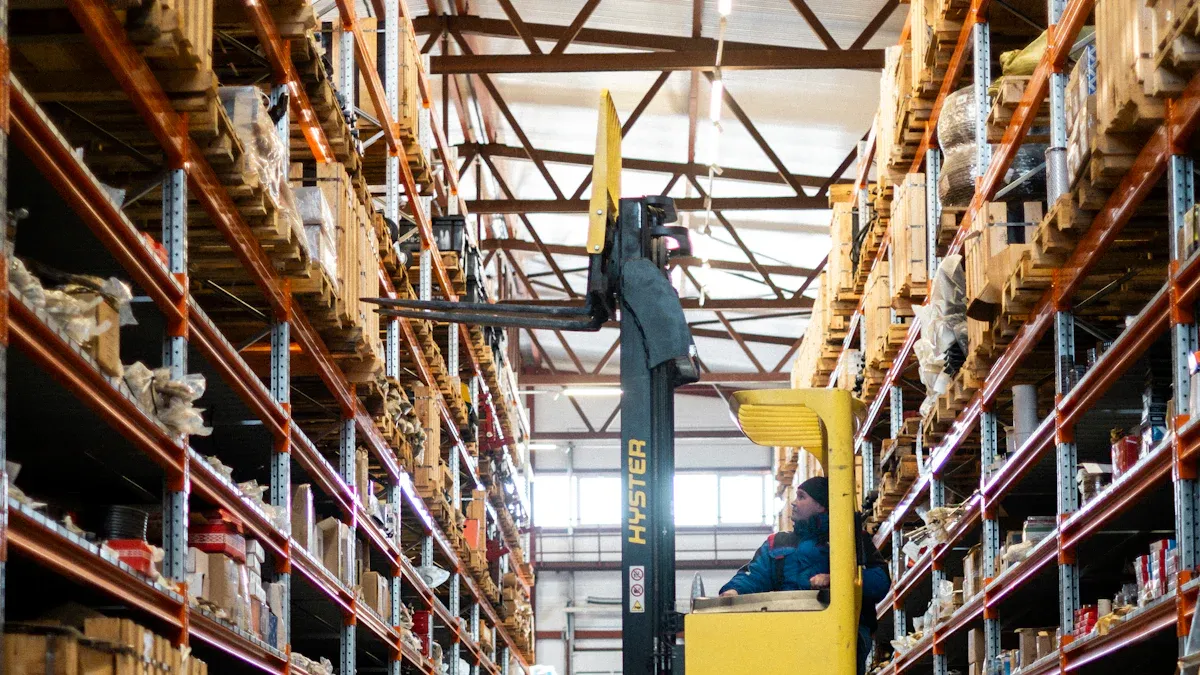
I always aim for a fast turnaround when I order phone cases in bulk. Quick delivery helps me keep my shelves stocked and my customers satisfied. I often choose local wholesalers if I need cases urgently. Local suppliers can sometimes deliver within one or two days. This speed gives me an advantage during busy sales periods or when a new phone model launches. I also look for suppliers who offer ready-to-ship stock. These suppliers can dispatch orders on the same day I pay. I find that planning ahead and forecasting my needs helps me avoid last-minute rushes. I keep a small buffer of stock for emergencies. This habit reduces stress and keeps my business running smoothly.
Tip: I always ask suppliers about their cut-off times for same-day dispatch. This helps me place orders before the deadline.
Supplier questions
I believe that clear communication with suppliers is the key to fast delivery. I start conversations early to make sure the supplier understands my needs. I coordinate my schedule with theirs to get the best delivery rates. I share my sales forecasts so the supplier can plan production and shipping. I always ask about delivery times before I place an order. This sets clear expectations for both sides. I pay invoices on time to build a good relationship. I use a purchase order system to keep my requests organised.
Here are the main questions I ask suppliers to ensure quick delivery:
- What is your average delivery time for bulk orders?
- Do you have stock ready for immediate dispatch?
- What are your cut-off times for same-day or next-day shipping?
- Can you provide tracking information for my order?
- Are there any upcoming holidays or events that might delay shipping?
- How do you handle urgent or express orders?
- What is your process for handling delays or lost shipments?
I find that asking these questions helps me avoid surprises and keeps my supply chain reliable.
Express shipping
I sometimes use express shipping when I need phone cases very quickly. Express shipping can cut delivery times from weeks to just a few days. However, I know that this speed comes at a price. Express shipping often costs two to three times more than standard options. This higher cost can reduce my profit margins if I do not adjust my prices. For large bulk orders, I weigh the benefits of fast delivery against the extra expense. Many of my customers prefer to wait a few days for a lower price. I choose express shipping only when speed is essential, such as during peak sales or product launches.
Note: I always check if express shipping is worth the extra cost for my business. Sometimes, slower shipping keeps my prices competitive and my profits healthy.
Order tracking
I always track my bulk phone case orders from the moment they leave the supplier. Tracking gives me peace of mind and helps me plan my stock levels. I know exactly where my shipment is and when it will arrive. This information lets me update my customers and avoid any surprises.
Most suppliers now offer online tracking for bulk shipments. I receive a tracking number as soon as my order is dispatched. I enter this number on the courier’s website or the supplier’s portal. I can see the current location of my shipment and its estimated delivery date. Some suppliers even send automatic updates by email or text message. These updates tell me if my order is delayed or out for delivery.
I find that tracking options can vary between suppliers. Some use advanced systems that let me filter shipments by tracking number or status. For example, I can check which orders are still outstanding and which have already arrived. I also use access tokens for secure access to shipment information. This keeps my data safe and private.
Here is a table showing the main tracking parameters I use:
| Parameter | Description |
|---|---|
| access_token | The secure code I use to access shipment details online. |
| tracking_numbers | The unique numbers that identify each shipment. |
| status | The current state of the shipment (outstanding or received). |
Tip: I always keep a record of my tracking numbers. This helps me follow up with the supplier if there are any problems.
Order tracking helps me spot delays early. If I see that a shipment is stuck in customs or has not moved for several days, I contact the supplier straight away. I ask for an update and request a solution. This proactive approach keeps my business running smoothly.
I also use tracking data to improve my future orders. I note which suppliers deliver on time and which ones often have delays. I prefer to work with reliable partners who provide clear tracking information. This saves me time and reduces stress.
Here are the steps I follow for effective order tracking:
- I collect all tracking numbers as soon as I receive them.
- I check the shipment status every day until it arrives.
- I contact the supplier if there are any unexpected delays.
- I update my records with the actual delivery date.
Order tracking is a simple tool, but it makes a big difference. It helps me manage my inventory, keep my customers happy, and build trust with my suppliers.
Pitfalls to avoid
Quality issues
I always pay close attention to quality when I order phone cases in bulk. Low-quality cases can damage my reputation and lead to unhappy customers. I have received cases with weak materials, poor finishes, or incorrect sizes. These problems often result in returns and negative reviews. I check for quality by ordering samples before I commit to a large order. I inspect the stitching, material strength, and fit. I also test the cases on real phones to make sure they fit perfectly.
Here are some signs of poor quality I look out for:
- Rough or uneven edges
- Faded or peeling prints
- Loose buttons or weak magnets
- Cases that crack or break easily
Tip: I always ask the supplier for detailed product photos and specifications. This helps me spot potential issues early.
I also read reviews from other buyers. If I see many complaints about quality, I look for another supplier. I believe that investing a little more in quality saves me money and stress in the long run.
Unreliable suppliers
I have learned that unreliable suppliers can cause big problems for my business. Missed deadlines, poor communication, and sudden price changes can disrupt my plans. I once worked with a supplier who promised fast delivery but shipped my order two weeks late. My customers had to wait, and I lost sales.
To avoid unreliable suppliers, I follow these steps:
- I check the supplier’s track record and ratings on online platforms.
- I ask for references from other buyers.
- I start with a small order to test their reliability.
- I keep all agreements in writing, including delivery dates and prices.
| Warning Sign | What I Do |
|---|---|
| Slow replies | I move on to a more responsive supplier. |
| Vague promises | I ask for clear, written commitments. |
| No tracking info | I insist on shipment tracking or look elsewhere. |
Note: I always have a backup supplier ready in case my main supplier fails to deliver.
Unclear pricing
Unclear pricing can quickly eat into my profits. I have seen suppliers add hidden fees after I place an order. These can include extra shipping charges, handling fees, or unexpected taxes. I once received an invoice that was much higher than the original quote because of these hidden costs.
To avoid unclear pricing, I always:
- Request a full price breakdown before I agree to buy.
- Confirm if the price includes shipping, taxes, and customisation.
- Get all costs in writing, including any possible extra charges.
Tip: I never pay in full until I receive a clear and final invoice.
I believe that clear pricing helps me plan my budget and avoid surprises. I always double-check the details before I send any payment.
Shipping delays
I have faced shipping delays more times than I care to admit. These delays can disrupt my entire business plan. When my phone cases arrive late, I risk losing sales and disappointing customers. I know that even a short delay can cause a ripple effect, especially during busy seasons or product launches.
I always try to understand why delays happen. Common reasons include customs checks, bad weather, or supplier mistakes. Sometimes, the courier misplaces a package. I have also seen delays when suppliers do not have enough stock ready. I keep a checklist to help me spot possible causes before I order:
- Supplier production issues
- Customs clearance problems
- Weather disruptions
- Courier errors
- Incomplete paperwork
Tip: I always ask my supplier for a realistic delivery estimate, not just their fastest possible time.
I believe that clear communication helps prevent many delays. I ask my supplier to confirm the dispatch date in writing. I request tracking numbers as soon as my order ships. I check the tracking status every day. If I see no movement for two days, I contact the supplier straight away.
Here is a table showing how I respond to different types of shipping delays:
| Delay Cause | My Action |
|---|---|
| Customs hold | I ask the supplier for customs documents. |
| Weather disruption | I check courier updates and inform buyers. |
| Supplier out of stock | I request a new delivery date. |
| Courier lost parcel | I file a claim and ask for a replacement. |
I always keep my customers informed if I expect a delay. I send a quick message to explain the situation and give a new estimated delivery date. Most customers appreciate honesty and stay loyal if I keep them updated.
To reduce the risk of delays, I follow these steps:
- I choose suppliers with a good delivery record.
- I order early, especially before holidays or busy periods.
- I keep a buffer of extra stock for emergencies.
- I use express shipping for urgent orders, even if it costs more.
- I double-check all paperwork before shipping.
Note: I always read reviews about a supplier’s delivery speed before I place a large order.
Shipping delays can happen to anyone. I cannot control the weather or customs, but I can prepare for problems. By staying organised and proactive, I keep my business running smoothly and my customers happy.
I always follow a clear process to secure a quick and cheap bulk order for phone cases. I start by adding products to my online cart and checking inventory. I confirm payment and place my order. I choose the nearest warehouse for fast shipping and use SKUs for accuracy. I track my shipment and follow up with suppliers after delivery. I compare suppliers, check MOQs, and consider customisation. I avoid common mistakes and keep my business running smoothly.
FAQ
How do I find reliable suppliers for bulk phone cases?
I always check supplier ratings and read customer reviews on platforms like Alibaba. I request samples before placing large orders. I also ask other business owners for recommendations.
What is the typical minimum order quantity (MOQ) for phone cases?
I often see MOQs as low as 10 pieces. Some suppliers offer even lower quantities for sample orders. I always confirm the MOQ before I buy.
Can I customise phone cases in bulk orders?
Yes, I can add my logo or design to most bulk orders. I discuss customisation options with the supplier. I always ask for a sample to check quality.
How long does delivery usually take for bulk orders?
Delivery time depends on the supplier’s location. Local suppliers deliver in 1–3 days. Overseas orders may take 7–21 days. I always ask for tracking information.
Are there hidden costs when ordering in bulk?
I always ask for a full price breakdown. Hidden costs can include shipping, customs fees, or packaging. I confirm all charges in writing before I pay.
What should I do if my order arrives late or damaged?
I contact the supplier immediately. I provide photos and tracking details. Most suppliers offer replacements or refunds for damaged or delayed goods.
Which online platforms do I use for bulk phone case orders?
| Platform | Best Feature |
|---|---|
| Alibaba | Customisation deals |
| AliExpress | Small test orders |
| DHgate | Buyer protection |
I compare prices and reviews on each platform before I decide.


 English
 Arabic
 Chinese (Simplified)
 Dutch
Dutch French
 German
 Italian
 Portuguese
 Russian
 Spanish