

A Complete Guide to Phone Case Quality Inspection Checklist
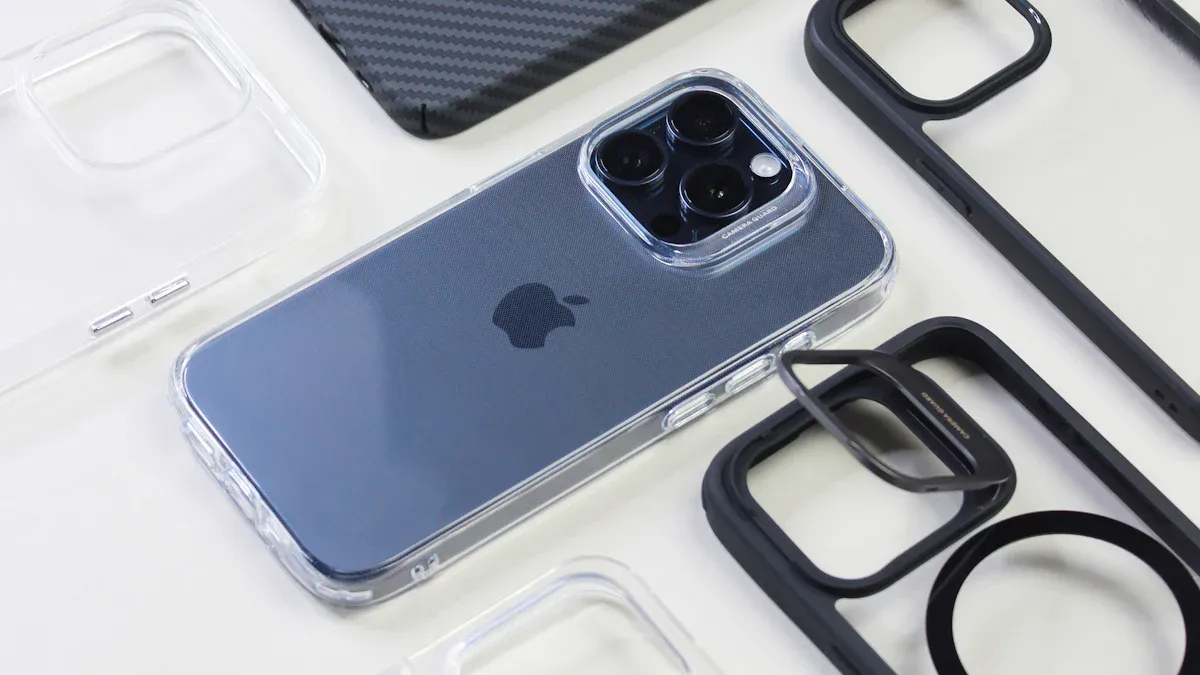
I often find myself searching for a reliable way to check the quality of phone cases before buying. A phone case quality inspection checklist gives me confidence that I am choosing products that meet high standards. By following a structured checklist, I can spot defects early and avoid unsafe or poor-quality cases. This careful approach ensures that I get better product safety and satisfaction every time I shop for a new phone case.
Key Takeaways
- Use a structured checklist to inspect phone cases. This helps you identify defects and ensure quality.
- Prioritise material durability. Look for high-quality options like silicone, TPU, or genuine leather for better protection.
- Check the surface texture and scratch resistance. A smooth, even texture indicates good quality and comfort.
- Assess odour and chemical safety. Avoid cases with strong smells or harmful chemicals to protect your health.
- Ensure a perfect fit for your device. Model-specific cases provide better protection and functionality than universal ones.
- Look for protective features like drop test certifications and reinforced corners. These enhance your phone’s safety during falls.
- Pay attention to visual quality and branding. Clear prints and authentic logos reflect a manufacturer’s commitment to quality.
- Research brand reputation and customer feedback. Trusted brands offer reliable products and good customer service.
Phone Case Quality Inspection Checklist
A structured phone case quality inspection checklist helps me make sure I choose only the best products. I always start by checking the materials, then move on to surface texture, and finally, I assess odour and chemical safety. This method gives me confidence that I am not missing any important details.
Material Durability
When I inspect a phone case, I focus first on the materials. The right materials make a big difference in how long a case lasts and how well it protects my device. I have found that durability issues often show up as cracking, scratching, or peeling. These problems usually come from poor manufacturing precision, thin construction, or weak surface coatings. I always look for high-quality materials that feel sturdy and reliable.
Silicone & TPU
Silicone and TPU (thermoplastic polyurethane) are popular choices for phone cases. Silicone feels soft, gives a good grip, and is lightweight. TPU is flexible and absorbs shocks well, which helps protect my phone from drops. I always check if the silicone or TPU is food-grade and non-toxic. High-quality silicone and TPU do not have a strong smell and feel smooth to the touch. I avoid cases that use recycled industrial plastic or PVC, as these can release harmful chemicals and do not last as long.
Hard Plastics
Hard plastic cases, often made from polycarbonate (PC), offer strong protection. I like that PC cases have a hard shell that resists impacts. However, I have seen some hard plastic cases crack or peel if the material is too thin or the surface coating is poor. I always check the thickness and look for any signs of weak spots. A good hard plastic case should feel solid and not bend easily.
Leather & Fabric
Leather and fabric cases look stylish and feel premium. I prefer genuine leather because it is durable and ages well. Fabric cases can also be strong if they use quality stitching and thick material. I always check for even stitching and make sure the leather or fabric does not have any loose threads or weak seams. I also make sure the materials are eco-friendly and safe for long-term use.
Tip: I always choose cases made from non-toxic, eco-friendly materials like food-grade silicone, TPU, or PC plastics. These materials are safe for prolonged use and do not have a strong odour.
Surface Texture & Scratch Test
The next step in my phone case quality inspection checklist is to check the surface texture and scratch resistance. A good case should feel comfortable in my hand and resist scratches from daily use.
Grip & Feel
I always hold the case and move my fingers across the surface. The grip should feel secure, not slippery. I check for any rough spots or uneven surfaces. A smooth, even texture means the manufacturer paid attention to detail. If the case feels too slick or sticky, I usually avoid it.
Scratch Resistance
To test scratch resistance, I use simple tools like my fingernail or a coin. I gently scratch the surface to see if it leaves a mark. I have learned that some manufacturers use special coatings to improve scratch resistance. There are also professional methods for testing surface texture and scratch resistance, such as:
| Method | Description |
|---|---|
| Smoothness & Roughness Testing | Uses a multi-finger scratch or mar tester to check for surface defects. |
| Direct Measurement | Measures roughness by touching the surface. |
| Non-Contact Measurement | Uses light or sound to assess texture without touching the case. |
| TQC Sheen Surface Profile Gauge | Measures the height difference between peaks and valleys on the surface. |
| Automatic Bekk Smoothness Tester | Tests very smooth surfaces, often used for coated papers. |
| Nano Scratch Testing | Measures how much force it takes to scratch thin films on glass or plastic. |
I find that these tests help identify cases that will keep their good looks over time.
Odour & Chemical Safety
Odour and chemical safety are important parts of my quality inspection checklist. I do not want a phone case that smells bad or contains harmful chemicals.
Smell Check
I always smell the case before buying. A strong or unpleasant odour can mean the manufacturer used low-quality materials or added unsafe chemicals. High-quality materials should be almost odourless. If I notice a chemical smell, I put the case back on the shelf.
Allergen-Free Materials
I also check for allergen-free materials. Some phone cases contain chemicals like polycyclic aromatic hydrocarbons (PAHs), which are restricted for safety reasons. I avoid cases with flame retardants like decaBDE, as these are banned in many places. If the case has metal trims or buttons, I make sure they meet strict nickel release limits. For leather or textile cases, I look for information about azo dyes, which can form harmful amines. I also check the packaging for heavy metal limits, such as lead, cadmium, mercury, and hexavalent chromium. The total should not be more than 100 parts per million.
Note: I always read the label and ask the seller about the materials and chemicals used in the phone case. This step helps me avoid unsafe products and protects my health.
By following this phone case quality inspection checklist, I can confidently choose cases that are safe, durable, and comfortable to use. This approach works for both buyers and professionals who want to ensure the highest standards.
Fit & Cutout Accuracy
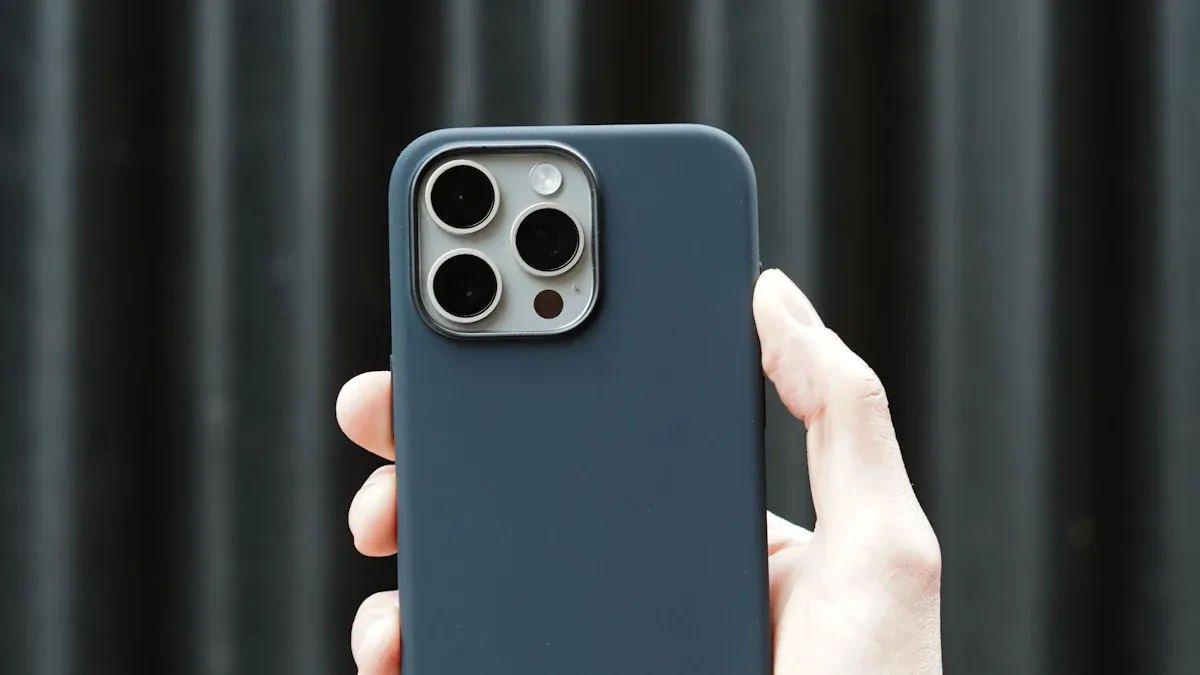
When I choose a phone case, I always check how well it fits my mobile devices. A good fit protects my phone and makes it easier to use every day. I have learned that a poor fit can cause problems like loose edges, blocked ports, or even damage to my mobile devices.
Device Compatibility
Model-Specific Fit
I always look for cases made for my exact phone model. These cases match the shape and size of my mobile devices perfectly. I check that the case hugs the corners and does not leave gaps. If the case feels too tight or too loose, I know it might not protect my mobile devices well. I also make sure the case does not press on the screen or buttons.
Universal Cases
Some cases claim to fit many mobile devices. I have tried these before, but I find they often do not fit as well as model-specific cases. Universal cases can feel bulky or slide around. I check if the case holds my mobile devices firmly and does not block any features. If I use a universal case, I always test it with my phone before buying.
Cutouts & Button Access
Port Openings
I always inspect the cutouts for charging ports, speakers, and cameras. The openings should line up with my mobile devices. If the cutouts are off-centre or too small, I struggle to plug in my charger or use my headphones. I use a checklist to make sure every port is easy to reach.
Button Responsiveness
Button covers should feel responsive. I press each button to see if it works smoothly. If the case makes the buttons hard to press, I know it will be annoying to use my mobile devices. I avoid cases with stiff or unresponsive button covers.
Tip: I always bring my mobile devices with me when shopping for a case. This way, I can test the fit and button access on the spot.
Installation & Removal
Secure Fit
A good case should snap onto my mobile devices securely. I check that the case does not pop off easily. If the case feels loose, it might not protect my phone during a fall.
Ease of Use
I also want a case that is easy to put on and take off. I test how quickly I can install or remove the case. If it takes too much force, I worry about scratching my mobile devices. I prefer cases that balance a snug fit with easy removal.
By following these steps, I make sure my phone case fits my mobile devices perfectly and does not get in the way of daily use.
Features & Protection
When I inspect a phone case, I always focus on its protective features. I want to make sure my device stays safe from drops, scratches, and daily wear.
Drop Test Certification
Certified Drop Ratings
I always check for drop test ratings before I buy a case. These ratings show that the case has passed tests for shock absorption and impact resistance. I look for cases that meet military-grade standards, such as MIL-STD-810G. This means the case can survive drops from a certain height, usually around 1.2 to 2 metres. I trust cases with clear drop test ratings because they give me peace of mind.
Reinforced Corners
I pay close attention to the corners of the case. Most drops hit the corners first. Reinforced corners help absorb shock and prevent cracks. I squeeze the corners to check for extra padding or air pockets. If the corners feel solid and thick, I know the case will protect my phone better.
Protective Design
A good phone case uses several design features to keep my device safe. I have found that the best cases combine impact absorption, scratch resistance, and raised edges.
| Protective Feature | Description |
|---|---|
| Impact Absorption | Materials that distribute and minimise shock |
| Scratch Resistance | Tough coatings that prevent minor abrasions |
| UV Protection | Prevents case yellowing and material degradation |
| Raised Edge Design | Protects screen and camera lenses |
| Grip Enhancement | Textured surfaces to reduce accidental drops |
I always check for raised edges around the screen and camera. This design keeps the glass and lenses from touching flat surfaces. I also look for textured sides or backs, which help me grip the phone and avoid drops.
Screen & Camera Protection
I use a high-quality screen protector with my case. Tempered glass protectors work best because they absorb shock and stop cracks from forming. I also check that the case does not block the camera or flash. The cutouts should be precise and the edges should rise just enough to protect the lens.
Water & Dust Resistance
Some cases offer water and dust resistance. I look for tight seals around the ports and buttons. If I see rubber flaps or gaskets, I know the case will keep out dirt and moisture. This feature is important if I use my phone outdoors or in wet conditions.
Extra Features
Many phone cases come with extra features that make them more useful.
Kickstands
I like cases with built-in kickstands. They let me watch videos or join video calls hands-free. I test the kickstand to see if it feels sturdy and locks in place.
Card Holders
Some cases have slots for cards or cash. I check that the slots hold my cards tightly and do not stretch out. I also make sure the case does not become too bulky.
Wireless Charging
I always test if the case supports wireless charging. I place my phone on a charging pad to see if it works without removing the case. Most slim cases allow wireless charging, but thicker cases or those with metal parts may block it.
Tip: I always choose a case that balances protection with extra features. I want my phone to stay safe and easy to use every day.
Visual Quality & Branding
When I inspect a phone case, I always pay close attention to its visual quality and branding. These details show the level of care and skill that went into making the product. A well-made case not only looks good but also lasts longer and feels better in my hand.
Print & Colour Accuracy
Print Clarity
I always check the clarity of any printed designs or patterns. Sharp lines and clear images show that the manufacturer used high-quality printing methods. Blurry or faded prints often mean poor production standards. I run my finger over the print to see if it feels smooth and even. If I notice any smudging or misalignment, I know the case may not hold up over time.
Colour Consistency
Colour consistency matters to me. I compare the case to product photos or other cases from the same brand. The colours should match and look even across the whole surface. Uneven shades or patches can signal rushed manufacturing. I also check if the colour stays true in different lighting. This step helps me avoid cases that fade or discolour quickly.
Branding & Logos
Authenticity
Branding tells me a lot about a phone case. I look for official logos and trademarks. Genuine brands use high-quality printing or embossing for their logos. I avoid cases with misspelled brand names or cheap stickers. These are often signs of counterfeit products. Authentic branding gives me confidence in the case’s quality and safety.
Placement Quality
Logo placement is another detail I never skip. The logo should sit straight and in the right spot, not crooked or off-centre. I check that the branding does not cover important features like the camera or buttons. Careful placement shows attention to detail and good design.
Surface Finish
Glossy vs. Matte
Surface finish affects both the look and feel of a phone case. I choose between glossy and matte finishes based on my preference. Glossy finishes shine and catch the eye, but they can show fingerprints and scratches more easily. Matte finishes feel smooth and resist smudges. I always check the finish as part of my visual internal workmanship check.
Fade Resistance
A high-quality surface finish helps the case last longer. I look for materials that resist fading and wear. Some of the best materials include full-grain Italian leather, aerospace-grade aluminium, carbon fibre composites, high-density polymer blends, and tempered glass elements. These materials offer:
- Shock absorption capabilities
- Thermal stability
- Resistance to UV degradation
- Strong molecular bonding
- Lightweight design
| Material Type | Key Characteristics |
|---|---|
| Full-grain Italian leather | Exceptional durability and aesthetic appeal |
| Aerospace-grade aluminium | Lightweight and strong, enhancing protection |
| Carbon fibre composites | High impact resistance and modern appearance |
| High-density polymer blends | Flexible and resilient, maintaining case integrity |
| Tempered glass elements | Scratch-resistant and visually appealing |
I always choose cases with finishes that protect against fading and keep their good looks over time. This attention to detail ensures my phone case stays attractive and reliable.
Durability & Quality Control Inspection
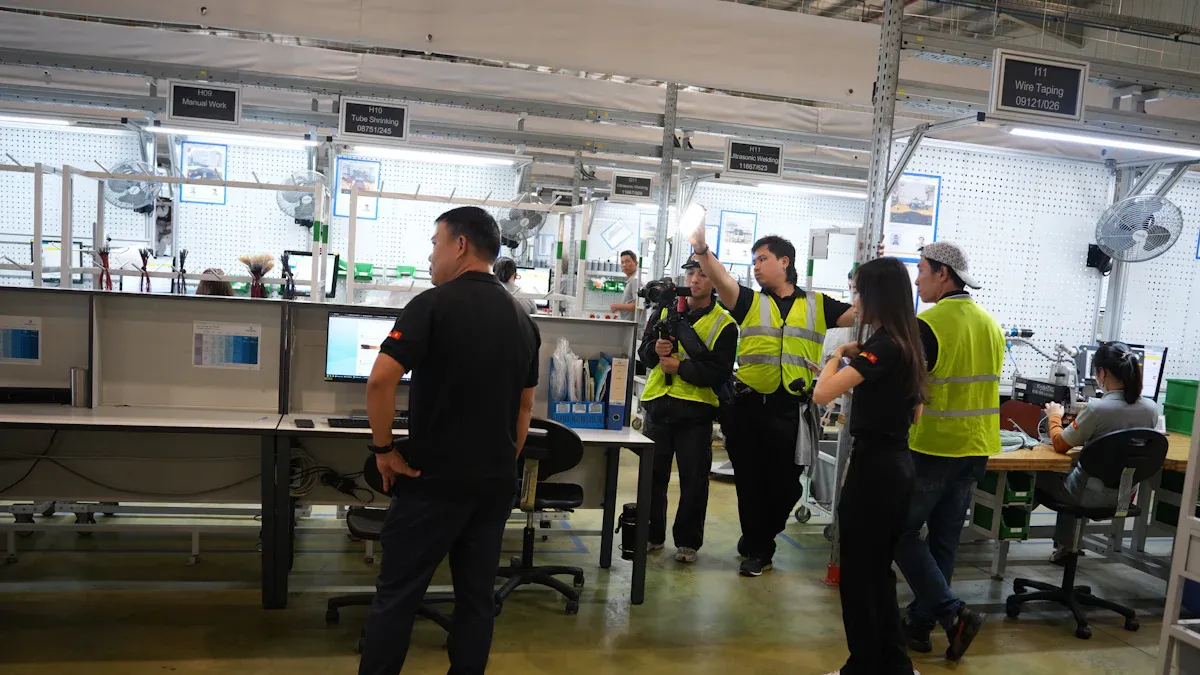
I always make durability a top priority when I inspect phone cases. I want my case to protect my device for as long as possible. Regular quality control inspection helps me spot problems early and avoid unexpected failures. I believe that a strong inspection routine keeps my phone safe and extends the life of my case.
Wear & Tear Checks
Cracks & Damage
I check my phone case for cracks, shatters, and scratches. These are the most common signs of wear and tear. I have seen cracks form after accidental drops or bumps. Scratches often appear from daily use, especially if I keep my phone in a bag with keys or coins. I run my fingers along the edges and corners to feel for any damage. If I find any defects, I know the case may not protect my phone properly.
- Cracks along the edges or corners
- Shattered sections from impacts
- Surface scratches from regular handling
Long-Term Use
I always think about how a case will perform over time. I look for signs of peeling, fading, or material breakdown. I want a case that stays strong after months of use. I check if the case still fits tightly and if the buttons work smoothly. If the case loses its shape or grip, I know it will not last. I prefer cases that pass durability testing and show no major changes after long-term use.
Environmental Resistance
Heat & Cold
I test how my phone case handles temperature changes. I leave my phone in a warm car or use it outside on cold days. Some materials warp or become brittle in extreme heat or cold. I want a case that keeps its shape and flexibility in all conditions. I check for any signs of melting, hardening, or cracking after exposure to different temperatures.
Water & Sweat
I also check if my case resists water and sweat. I use my phone in the rain or during workouts. I look for cases with sealed edges or water-resistant coatings. I wipe the case with a damp cloth to see if water beads up or soaks in. If the case absorbs moisture or becomes slippery, I know it may not protect my phone well. I always choose cases that pass smartphone quality control inspection for water and sweat resistance.
Quality Control Inspection Steps
I follow a clear process for quality control inspection. This routine helps me check every detail and avoid missing important steps. I use this process for both personal checks and professional mobile phone quality inspection.
| Step | Description |
|---|---|
| 1 | Quantity: Check how many items are in the box versus how many should be present. |
| 2 | Package & Packaging: Visual check for proper packing and shipping marks. |
| 3 | Product Style & Construction: Ensure conformity to approved samples and specifications. |
| 4 | Logo, Labelling & Markings: Verify logo quality and placement, including barcodes. |
| 5 | Measurement Data: Confirm product dimensions match specifications. |
| 6 | Functional & Performance Tests: Conduct various tests including software checks, touchscreen functionality, and battery performance. |
Regular Inspections
I believe regular inspections are essential for maintaining protection. I check my phone case every few weeks for new cracks, loose edges, or fading. I also inspect the case after any drop or accident. Regular quality control helps me catch problems before they get worse.
Performance Testing
I use performance and stress testing to see how well my case protects my phone. I drop my phone from different heights onto soft surfaces to check shock absorption. I bend the case gently to test flexibility. I also try water and sweat exposure to see if the case keeps its grip. Performance and stress testing gives me confidence that my case will last in real-world conditions. I always look for cases that pass smartphone quality control inspection and durability testing.
Tip: I keep a checklist for every quality control inspection. This habit helps me stay organised and ensures I do not miss any important steps.
By following these steps, I make sure my phone case offers reliable protection and stands up to daily challenges.
Accessories Inspection Checklist
When I buy a phone case, I always check the accessories that come with it. A good accessories inspection checklist helps me make sure I get everything I need for my device. I look at the packaging, included items, and the completeness of the set.
Packaging Integrity
Seals & Tamper Evidence
I always check the seals on the packaging. Unbroken seals show that the product is new and untouched. If I see any broken or missing seals, I become cautious. Tamper-evident stickers or shrink wrap give me extra confidence. These features help me know that no one has opened or swapped the contents.
Protective Inserts
Inside the box, I look for protective inserts. Foam, cardboard, or plastic inserts keep the phone case and accessories safe during shipping. I make sure the inserts hold everything firmly in place. If the items move around inside the box, they might get scratched or damaged.
Included Accessories
Screen Protectors
Many phone cases come with a screen protector. I check the material to see if it is tempered glass or plastic. I hold it up to the light to spot any scratches or bubbles. A good screen protector should be clear and free from defects. I also check if it fits my phone model.
Cleaning Cloths
Some sets include a cleaning cloth. I touch the cloth to feel its softness. A high-quality cloth should not leave lint or scratch the screen. I use it to wipe my phone and see if it cleans well. If the cloth feels rough or thin, I know it may not last long.
Tip: I always keep the cleaning cloth in the original packaging to avoid dust and dirt.
Completeness
Manuals
I look for a user manual in the box. The manual should explain how to install the case and use the accessories. Clear instructions help me avoid mistakes. I read through the manual to check for missing steps or unclear language.
Warranty Cards
A warranty card gives me peace of mind. I check if the card is present and filled out. The card should list the warranty period and contact details for support. I keep the card in a safe place in case I need to claim a replacement.
I use the accessories inspection checklist to make sure I do not miss any important items. I also check the quality of each accessory. For example, I want non-toxic, eco-friendly materials, precise design, and durable construction. I have found that a good phone case set delivers on its promises and looks great over time.
| Quality Inspection Aspect | Description |
|---|---|
| Material Quality | Non-toxic, eco-friendly materials are used, ensuring safety and odourlessness. |
| Precision in Design | Accurate cutouts for buttons and ports are essential for functionality. |
| Functionality | Cases must deliver on promises, such as waterproofing and shock absorption. |
| Printing Quality | High-resolution, UV-stable printing is crucial for visual appeal. |
| Durability | Cases should resist wear and maintain their shape over time. |
By following these steps, I make sure every accessory meets my standards and supports my phone case experience.
Brand Reputation & Customer Feedback
When I choose a phone case supplier, I always check the brand reputation and customer feedback. These factors help me avoid poor-quality products and make sure I get reliable protection for my device.
Online Reviews
I read online reviews before I buy from any phone case supplier. Reviews show real experiences from other buyers. I look for patterns in the feedback.
Common Issues
I often see complaints about cases that crack easily or do not fit the phone model. Some buyers mention weak materials or faded colours. I pay attention to reviews that talk about slow delivery or missing accessories. If many people report the same problem, I avoid that phone case supplier.
Positive Feedback
I also look for positive comments. Buyers praise cases that last a long time and protect their phones from drops. Many reviews mention good grip, clear prints, and easy installation. I trust a phone case supplier when I see consistent praise for quality and customer service.
Note: I always read both negative and positive reviews. This habit helps me spot the strengths and weaknesses of each phone case supplier.
Trusted Manufacturers
I prefer to buy from trusted phone case suppliers. These brands have a history of making durable and safe products. I use several criteria to identify them.
| Criteria | Description |
|---|---|
| Material Quality | Look for materials like TPU, PC, silicone, and leather that offer durability and protection. |
| Design Fit | Ensure the case fits the specific phone model to prevent damage during use. |
| Drop Test Ratings | Check for military-grade drop protection and test results to confirm durability. |
| Customer Reviews | Read user feedback to identify potential issues and confirm quality. |
| Brand Reputation | Consider brands with a long-standing presence and good customer service. |
| Compliance with Safety Regulations | Verify if the manufacturer adheres to safety standards and regulations. |
Brand History
I check how long the phone case supplier has been in business. Brands with a long history often have better quality control. I look for awards or certifications that show the supplier meets safety standards.
Customer Service
Good customer service matters to me. I contact the phone case supplier if I have questions about materials or fit. Quick replies and helpful answers show the supplier cares about buyers. Trusted phone case suppliers offer support for installation and warranty claims.
Return & Warranty Policies
I always review the return and warranty policies before I buy from a phone case supplier. These policies protect me if the product does not meet my expectations.
Return Process
I check if the phone case supplier offers easy returns. Clear instructions and fast refunds make the process simple. I avoid suppliers with complicated or slow return procedures.
Warranty Coverage
Warranty coverage gives me peace of mind. I look for phone case suppliers that offer at least a one-year warranty. The warranty should cover defects in materials and workmanship. I keep the warranty card and contact details in case I need support.
Tip: I always choose a phone case supplier with strong return and warranty policies. This step ensures I can get help if something goes wrong.
By following these steps, I make sure I buy from trusted phone case suppliers. I use reviews, brand history, and clear policies to guide my choices.
High Quality Phone Cases: Final Checks
Summary of Key Points
I always remind myself that a high quality phone case protects my device and reflects my personal style. I have learned that the best results come from following a detailed inspection checklist. Here are the most important steps I use when I check high quality phone cases:
- I examine the material durability. I look for genuine leather, aerospace-grade aluminium, or eco-friendly options like bamboo and recycled plastics.
- I test the surface texture and scratch resistance. I want a high quality phone case that feels comfortable and stays looking new.
- I check for odour and chemical safety. I avoid cases with strong smells or unsafe chemicals.
- I make sure the fit and cutouts match my device perfectly. I test all buttons and ports for easy access.
- I review the protective features. I look for drop test certifications, reinforced corners, and raised edges.
- I inspect the visual quality. I want clear prints, consistent colours, and authentic branding.
- I check for accessories and packaging integrity. I want all included items to be present and undamaged.
- I research the brand reputation and customer feedback. I trust brands with positive reviews and strong customer service.
Tip: I always keep my checklist handy when I shop for high quality phone cases. This habit helps me avoid mistakes and choose the best protection for my phone.
Making Informed Choices
I believe that making informed choices starts with understanding what sets high quality phone cases apart. I look for premium materials like genuine leather and aerospace-grade aluminium. These materials not only protect my phone but also help maintain its market value. I also consider advanced features such as wireless charging compatibility. I want my high quality phone case to support the latest technology.
I care about sustainability. I choose eco-friendly materials like bamboo, cork, or recycled plastics. I look for certifications such as the Forest Stewardship Council (FSC) or Global Organic Textile Standard (GOTS). These labels show that the high quality phone case meets strict environmental standards. I also research brands that support sustainability efforts. I prefer companies that use environmentally friendly policies and contribute to reducing waste.
Here are the factors I always consider when I select high quality phone cases:
- Premium materials for durability and style
- Advanced features like wireless charging
- Eco-friendly options for reduced environmental impact
- Certifications for quality and responsibility
- Trusted brands with positive feedback
A high quality phone case does more than protect my device. It shows my professionalism and personal identity. I know that eco-friendly cases can be lightweight, durable, and stylish. By following my checklist, I feel confident every time I buy high quality phone cases.
Note: I always take my time to compare options and read reviews. Careful inspection and research help me make the best choice for my needs.
I always rely on my phone case quality inspection checklist to make smart choices. This checklist helps me check material durability, fit, protection, and brand reputation. I see how it builds my confidence every time I shop:
| Aspect of Quality Inspection | Impact on Purchasing Confidence |
|---|---|
| Rigorous Quality Standards | Builds trust with consumers |
| Exceptional User Experience | Ensures satisfaction and loyalty |
| Compliance with Regulations | Reduces risk for consumers |
I recommend sharing this checklist with friends or colleagues. Trusted sources and careful inspection help everyone find safer, high-quality phone cases.
FAQ
What materials do I recommend for a durable phone case?
I always choose cases made from TPU, polycarbonate, or genuine leather. These materials last longer and protect my phone from drops. I avoid cases with recycled plastics or PVC because they often break down quickly.
How can I check if a phone case fits my device?
I test the case with my phone before buying. Model-specific cases fit best. Universal cases may not match all devices. I check the cutouts for ports and buttons to make sure everything lines up.
Why should I inspect the surface texture of a phone case?
I want a comfortable grip and scratch resistance. I run my fingers over the case to check for rough spots. A smooth, even texture means better quality and easier handling.
What signs show poor chemical safety in a phone case?
A strong or unpleasant smell often signals unsafe chemicals. I read the label for information about materials. I avoid cases with flame retardants or heavy metals.
How do I know if a phone case offers good drop protection?
I look for drop test certifications like MIL-STD-810G. Reinforced corners and raised edges help absorb shock. I check the product description for these features.
What accessories should I expect with a phone case?
I usually find screen protectors, cleaning cloths, manuals, and warranty cards. I check the packaging for completeness. Missing items may mean poor quality control.
How can I spot a trusted phone case brand?
I read online reviews and check brand history. Consistent positive feedback and strong customer service show reliability. I look for brands with safety certifications and clear return policies.
Can I use wireless charging with any phone case?
Most slim cases support wireless charging. I test my phone on a charging pad before buying. Thick cases or those with metal parts may block wireless charging.


 English
 Arabic
 Chinese (Simplified)
 Dutch
Dutch French
 German
 Italian
 Portuguese
 Russian
 Spanish