

7 Key KPIs to Measure Phone Case Supplier Performance in 2026

You should watch phone case supplier performance kpis in 2026 if you want to do well in a busy market. Suppliers can help your business or hurt it. Using supplier kpis lets you know how your suppliers do with quality, speed, and reliability. These kpis give you facts to handle performance and make good choices. Spend time now to look at your tracking ways and change your plan for next year.
Key Takeaways
- Watch supplier performance KPIs to check quality, speed, and trust in your phone case business. Use on-time delivery rates to see if suppliers are reliable and keep customers happy. Track defect rates and order accuracy to protect your brand and lower returns. Handle lead-time changes to keep inventory steady and stop running out of stock. Check cost competitiveness to make sure you pay fair prices and keep making money. Build good communication and quick replies with suppliers to stop delays and mistakes. Do regular reviews of supplier performance to find problems and set goals to get better. Keep improving by changing plans based on KPI data to stay ahead.
Why Supplier Performance Measurement KPIs Matter
Business Impact
If you want your phone case business to grow in 2026, you need to check supplier performance measurement kpis. These numbers show if your suppliers do a good job for you. When you watch supplier performance measurement kpis, you set clear goals for your suppliers. This helps you see who does the best work for your business.
Supplier performance measurement kpis give you facts, not guesses. You can use these key performance indicators to make smart choices. For example, you can see which suppliers deliver on time or which ones send products with fewer defects. When you use supplier performance management kpis, you can spot problems early and fix them before they hurt your business.
Here are some ways supplier performance measurement kpis help your business:
- They give you clear benchmarks for success, so you always know what to expect from your suppliers.
- You can make decisions based on real data, not just opinions.
- Tracking cost savings and defect rates helps you find ways to save money and keep quality high.
Supplier performance metrics also help you build better relationships with your suppliers. When you share your performance metrics, your suppliers know what you expect. This helps everyone work together to reach the same goals. You can use supplier performance management kpis to reward good suppliers and help others improve.
Common Challenges
You may face problems if you do not track supplier performance measurement kpis. Many phone case businesses struggle when they ignore these performance metrics. Poor supplier performance can lead to big issues.
Some common problems include:
- Higher costs because you need to fix mistakes or throw away bad products.
- Unhappy customers who may stop buying from you.
- Damage to your brand reputation, which makes it harder to compete.
If you do not use supplier performance management kpis, you may miss these warning signs. You might not notice when a supplier starts to slip. Without supplier performance metrics, you cannot compare suppliers or see who needs help. You may also lose control over costs and product quality.
Supplier performance measurement kpis help you avoid these problems. They let you see trends and act fast. You can use key performance indicators to keep your business strong and your customers happy. When you track performance metrics, you protect your brand and stay ahead in the phone case market.
On-Time Delivery Rate as a Supplier KPI
Definition
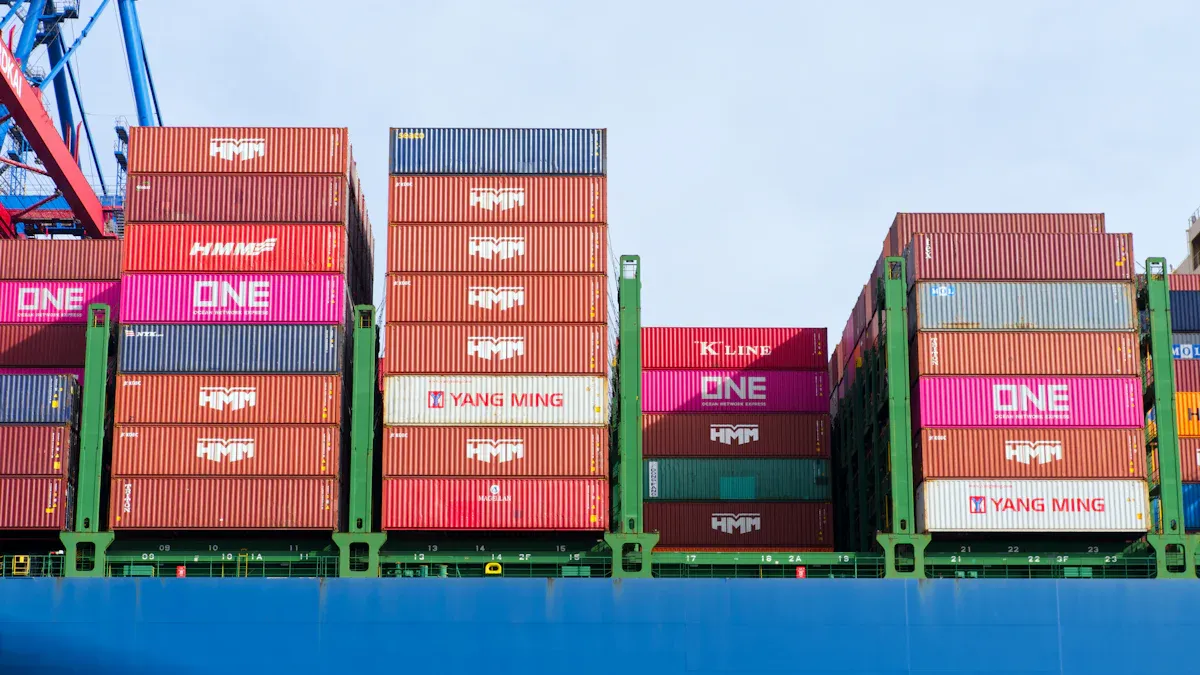
You need to know what on-time delivery rate means before you can track it. This supplier kpi shows how often your suppliers deliver phone cases when you expect them. You can use a simple formula to find this number. The industry standard uses the following method:
| Calculation Method | Description |
|---|---|
| On-time delivery rate | (On-time deliveries / Total deliveries) * 100 |
You count the number of orders that arrive on time. You divide that by the total number of deliveries. Then, you multiply by 100 to get a percentage. This number tells you how reliable your supplier is with on-time delivery.
Importance
On-time delivery rate matters a lot for your business. If your supplier does not deliver on time, you may run out of stock. Your customers may have to wait for their orders. This can make them unhappy and hurt your reputation. You want your phone case supplier performance kpis to show strong results for on-time delivery rate.
When you track on-time delivery rate, you can see which suppliers you can trust. You can also spot problems before they get worse. If you see a drop in on-time delivery rate, you can talk to your supplier and fix the issue. This helps you keep your shelves full and your customers happy.
On-time in-full is another important idea. It means your supplier delivers the right amount of product at the right time. If you only get part of your order, you still have a problem. You want both on-time delivery and on-time in-full to stay high.
Measurement
You can measure on-time delivery rate in a few easy steps. First, you need to keep good records of every delivery. Write down the date you expected the order and the date it arrived. Mark if the delivery was on time or late. At the end of the month, count all the on-time deliveries. Divide that number by the total deliveries for the month. Multiply by 100 to get your on-time delivery rate.
You should check this number every month. If you see the on-time delivery rate drop, act fast. Talk to your supplier and ask why. Work together to fix the problem. You can also use software to track on-time delivery rate. Many companies use dashboards to see their supplier performance in real time.
Here are some tips to improve your on-time delivery rate:
- Set clear delivery dates with your suppliers.
- Share your expectations for on-time in-full shipments.
- Give feedback to your suppliers every month.
- Reward suppliers who keep a high on-time delivery rate.
Tracking on-time delivery rate helps you manage supplier performance. You can use this kpi to make better choices and keep your business running smoothly. Good on-time delivery rate means fewer surprises and happier customers.
Defect Rate and Order Accuracy KPIs

Defect Rate Definition
You need to know what defect rate means for supplier kpis. Defect rate shows how many phone cases have problems or flaws. You count the number of bad cases in a group. Then, you divide by the total number of cases. After that, you multiply by 100 to get a percent. Some companies use defects per million for big orders. A low defect rate means your supplier cares about quality. This helps you avoid returns and unhappy customers.
Order Accuracy Definition
Order accuracy tells you if your supplier sends the right products and amounts. You want every order to match what you asked for. If order accuracy is low, you might get the wrong cases, colors, or amounts. This can cause delays and make customers upset. You should check order accuracy for every shipment. You can use this formula:
Order Accuracy = (Number of Correct Orders / Total Orders) x 100
You want order accuracy to be close to 100%. High order accuracy means your supplier pays attention to details. You can improve order accuracy by checking order details and product amounts. Use a double-check system before shipping. Here is a table with steps to help order accuracy:
| Procedure | Description |
|---|---|
| Verify Order Details | Check customer information and product details. |
| Cross-Check Product Quantities | Make sure the right number of items are in the order. |
| Double-Check System | Use a system to review orders before they ship. |
Why Quality KPIs Matter
Quality is important for your business. When you track defect rate and order accuracy, you protect your brand. You also keep your customers happy. If you ignore these kpis, you might send out bad or wrong products. This can hurt your reputation and make customers leave. Good supplier performance needs high quality and strong order accuracy.
You should use best ways to measure defect rate and order accuracy. Make clear formulas for your kpis so you know what to check. Track defect and return rates every month. Try to keep both rates below 1%, which is the industry standard. Watch defect and return rates by part number to find problems early. Always figure out order accuracy as the percent of correct orders. Improve labeling and packaging to help order accuracy. Work on reducing mistakes in picking and packing. When you track these quality kpis, your suppliers do better and your customers get fewer surprises.
How to Measure
You can measure defect rate and order accuracy with simple steps. These steps help you track phone case supplier performance kpis and improve your supplier kpis. Start by setting up a clear process for checking every shipment you receive from your supplier.
To measure defect rate:
- Count the total number of phone cases in each shipment.
- Inspect every phone case for problems like scratches, cracks, or wrong colors.
- Write down the number of cases with defects.
- Use this formula to find the defect rate:
Defect Rate (%) = (Number of Defective Cases / Total Number of Cases) x 100
You should check every shipment, not just a few. This gives you a true picture of your supplier performance. If you see a high defect rate, talk to your supplier right away. Ask them to fix the problem before it gets worse.
To measure order accuracy:
- Look at your purchase order and compare it to what you received.
- Check if you got the right models, colors, and amounts.
- Count the number of orders that match your request exactly.
- Use this formula for order accuracy:
Order Accuracy (%) = (Number of Correct Orders / Total Orders) x 100
You can use a simple table to keep track:
| Date | Total Orders | Correct Orders | Order Accuracy (%) |
|---|---|---|---|
| 2026-01-10 | 10 | 9 | 90 |
| 2026-01-17 | 12 | 12 | 100 |
Tip: Use a checklist for each shipment. This helps you remember to check every detail.
You can also use software or spreadsheets to track these kpis over time. This makes it easy to spot trends and see if your supplier is getting better or worse. Review your numbers every month. Share your results with your supplier. Work together to improve performance and reduce mistakes.
Tracking these kpis helps you keep quality high and customers happy. You can use the results to reward good suppliers or find new ones if needed. Good measurement leads to better performance and a stronger business.
Lead Time Variability in Supplier Performance
Definition
Lead-time variability means the time to get your phone cases can change. Sometimes you order and get them in five days. Other times, it might take three or seven days. This change is called lead-time variability. You want your supplier to deliver at the same speed each time. Tracking this kpi helps you see if your supplier is reliable.
Importance for Inventory
Lead-time variability can make inventory hard to manage. If you do not know when your phone cases will come, you might run out. You could also end up with too many cases in your warehouse. This can make you lose sales and spend more money. Just-in-time inventory needs you to know when things will arrive. High lead-time variability makes it hard to meet customer needs. You might lose sales if your shelves are empty. Keeping lead-time steady helps you plan and avoid problems.
Note: If lead-time is steady, your business runs better and customers stay happy.
Tracking Methods
You can track lead-time variability with easy steps. First, write down when you order and when you get your shipment. Find the lead-time by subtracting the order date from the delivery date. Do this for many shipments to see if the lead-time changes a lot.
Here are some ways to watch and lower lead-time variability:
- Track both supplier metrics and your own order times. This shows where delays happen.
- Use supplier performance measurement kpis to control lead-time changes and keep production on track.
- Check if your lead-times are steady by finding the standard deviation. If the number is high, your lead-times change a lot and this can cause problems.
- Look at your lead-time data every month. Watch for patterns or sudden changes.
- Work with your supplier to fix high variability. Ask for better updates or faster shipping.
| Step | What to Do |
|---|---|
| Record Lead-Times | Write down order and delivery dates |
| Calculate Variability | Find the difference for each shipment |
| Analyze Patterns | Look for changes or delays |
| Take Action | Talk to your supplier to fix problems |
Tracking lead-time variability helps you improve supplier performance and control your inventory. You can use these kpis to make smart choices and keep your customers happy.
Cost Competitiveness as a Supplier Performance KPI
Definition
Cost competitiveness means you pay a fair price for your phone cases compared to what others pay in the market. You want to make sure your supplier gives you good value. This KPI helps you see if your supplier charges too much or if you get a good deal. When you track cost competitiveness, you can spot when prices go up for no reason. You can also see if your supplier offers discounts or better terms over time.
You use cost competitiveness as part of your supplier kpis. It helps you measure if your supplier gives you the best price for the quality you expect. You want to keep your costs low so you can offer better prices to your customers.
Impact on Profitability
Cost competitiveness has a big effect on your profits. If you pay too much for phone cases, you make less money on each sale. Lower costs mean you can earn more or offer better prices to your customers. When you track this KPI, you protect your business from losing money.
You should check your costs every month. Look at how much you pay for each type of phone case. Compare these numbers to your sales prices. If your costs go up but your sales price stays the same, your profit gets smaller. You need to act fast if you see this happen.
Tip: Always ask your supplier for a breakdown of costs. This helps you see where your money goes.
You can use a simple table to track your costs and profits:
| Month | Cost per Case | Sales Price | Profit per Case |
|---|---|---|---|
| January | $2.00 | $5.00 | $3.00 |
| February | $2.10 | $5.00 | $2.90 |
If your profit per case drops, check your supplier’s prices first.
Benchmarking and Negotiation
You need to know what other companies pay for similar phone cases. This is called benchmarking. You can ask other businesses, check online prices, or use industry reports. When you know the market price, you can see if your supplier is competitive.
Here are steps to benchmark and negotiate:
- Collect price data from different suppliers.
- Compare your supplier’s price to the market average.
- Make a list of what each supplier offers, like shipping speed or payment terms.
- Use this information to talk with your supplier about better prices.
Note: Good negotiation helps you get better deals and keeps your supplier performance strong.
You can use a table to compare suppliers:
| Supplier | Price per Case | Shipping Time | Payment Terms |
|---|---|---|---|
| Supplier A | $2.00 | 5 days | 30 days |
| Supplier B | $2.20 | 3 days | 15 days |
When you use benchmarking, you make smarter choices. You can switch suppliers if you find a better deal or use the data to ask for a discount. This keeps your kpis on track and helps your business grow.
Communication, Responsiveness, and Agility Metrics
Communication KPI
You need good communication with your phone case suppliers. Communication KPI shows how well your supplier keeps you updated. It also shows if they answer your questions and share important news. Good communication helps you stop mistakes before they happen. You want your supplier to tell you about orders, delays, or changes right away.
You can check communication by seeing how fast your supplier replies. Look at how clear their answers are. If your supplier gives updates often, you can plan better. This helps your customers stay happy. Bad communication can cause missed orders or late shipments. This hurts your delivery reliability.
Tip: Make clear rules for when and how your supplier should contact you. This helps everyone know what to expect.
Responsiveness KPI
Responsiveness shows how quickly your supplier reacts to your needs. You want your supplier to answer questions and fix problems fast. They should handle changes in your orders quickly too. If your supplier is slow, you might lose sales or upset customers.
You can measure responsiveness by tracking how long it takes for your supplier to reply. Also, check how fast they solve problems or change orders. Quick responses help you keep delivery reliability high. This helps you avoid delays.
Here are ways to measure supplier responsiveness:
- Track how long it takes for your supplier to answer emails or calls.
- Record how fast they fix problems.
- Watch how quickly they change order sizes or product details.
If your supplier responds fast, you can trust them. Slow responses can hurt your supplier performance. It makes it hard to meet customer needs.
Agility Metrics
Agility means your supplier can handle changes quickly. Phone case trends change fast. You need a supplier who can manage sudden order increases or switch designs easily. Agility metrics show how well your supplier handles these changes.
You can measure agility by looking at:
- How fast your supplier changes order sizes or product specs
- How quickly they recover from supply chain problems
- If they can lower orders without extra costs
A supplier with high agility keeps delivery reliability strong. This is true even when the market changes. You can use these kpis to compare suppliers. Choose the one who helps your business the most.
| Metric | What It Shows |
|---|---|
| Speed to Adjust Orders | How fast supplier changes order size or type |
| Recovery Time | How quickly supplier fixes disruptions |
| Ramp-Down Capability | If supplier can lower orders without penalty |
Tracking communication, responsiveness, and agility helps you improve supplier performance. These metrics help you find problems early. They help you keep delivery reliability high.
Measurement Tools
You need the right tools to check communication, responsiveness, and agility. These tools help you watch how your suppliers do and make smart choices. You can use digital platforms, simple spreadsheets, or special software. Each tool lets you collect and look at data.
Start by tracking emails. Use your email to see how fast your supplier answers. Make folders for each supplier. Write down when you send a message and when you get a reply. This helps you notice if a supplier is slow to answer.
Spreadsheets are good for simple tracking. Make columns for order changes, response times, and updates. Fill in the information after every talk with your supplier. Use colors to show slow replies or missed updates. This makes it easy to find problems.
Supplier portals have more features. Many suppliers use online portals to share order status and shipment updates. You can log in and see information right away. These portals often have dashboards that show important numbers. You can download reports and look at trends.
Some companies use performance management software. This software tracks all talks with suppliers. It keeps records of emails, phone calls, and order changes. You can set alerts for slow replies or missed deadlines. The software makes charts and graphs to show how your supplier does over time.
Tip: Pick tools that fit your business size. Small businesses may use spreadsheets. Bigger companies may need software or portals.
You can also use survey tools. Send short surveys to your team after each supplier talk. Ask about how good and fast the communication was. Collect the answers and check them every month. This gives you feedback from different people.
Here is a table with common measurement tools:
| Tool | What It Tracks | Best For |
|---|---|---|
| Email Platform | Response times | Small businesses |
| Spreadsheet | Order changes, updates | Basic tracking |
| Supplier Portal | Real-time status, agility | Medium to large firms |
| Performance Software | All interactions, trends | Detailed analysis |
| Survey Tool | Communication quality | Team feedback |
You should check your tools every year. Change your methods as your business gets bigger. Good tools help you keep your kpis correct. They make it easier to improve supplier performance and stay ahead in the phone case market.
Risk and Compliance in Supplier Performance Management KPIs
Compliance KPI
You need to make sure your suppliers follow all rules and laws. A compliance KPI helps you check if your suppliers meet legal, safety, and environmental standards. In 2026, rules for phone case suppliers will get stricter. Many countries will ask for proof that materials are safe and factories treat workers fairly. You should track if your suppliers have the right certificates and pass audits. This KPI also covers things like recycling, packaging rules, and chemical safety.
You can use a checklist to track compliance. Write down each rule your supplier must follow. Mark if they meet each one. If a supplier fails, you need to act fast. You might need to find a new supplier or help them improve. Good compliance keeps your business safe from fines and bad news.
Note: Suppliers who follow rules help protect your brand and keep your customers safe.
Risk Management KPI
You face many risks when you work with suppliers. A risk management KPI helps you spot problems before they happen. You can give each supplier a risk score. This score looks at things like money problems, location risks, and past rule-breaking. If a supplier has a high risk score, you should watch them closely.
Tracking risk management KPIs helps you avoid supply chain problems. You can:
- Find suppliers who might have money trouble or face natural disasters.
- See if a supplier often breaks rules or misses deadlines.
- Take action early, like finding backup suppliers or keeping extra stock.
- Use risk scores to compare suppliers and choose the most reliable ones.
If you see the same problems again and again, you might need to change your plan. You can use two suppliers for the same product or keep more cases in your warehouse. This helps you keep your business running even if one supplier has trouble.
Tracking and Enforcement
You need good tools to track compliance and risk. Start by making a table for each supplier. Write down their scores for compliance and risk. Update this table every month. You can use software to get alerts if a supplier’s score drops.
You should check your suppliers often. Ask for proof of certificates and test results. Visit factories if you can. If you find problems, talk to your supplier right away. Set clear rules for what happens if they do not improve. You might stop working with them or give them less business.
In 2026, you also need to think about the environment. Many customers want eco-friendly phone cases. You should ask your suppliers about recycling and waste. Add these checks to your compliance KPI. This helps you stay ahead of new rules and customer needs.
Tip: Review your risk and compliance KPIs every year. Update your checks as laws and markets change.
You can use these KPIs to improve supplier performance and protect your business. When you track risk and compliance, you build trust and keep your supply chain strong.
Implementing and Reviewing Supplier KPIs
Tools for KPI Tracking
You need good tools to track how suppliers do. Many phone case companies use digital tools and software for this. Supplier management systems show you real-time data for each supplier. These systems let you see orders, delivery times, and quality problems in one place. If your business is small, you can use spreadsheets to track supplier performance.
Here are some steps to help you start:
- Pick a supplier management system or make a spreadsheet for tracking.
- Add your supplier data, like delivery dates and defect rates.
- Use dashboards to find trends and spot problems fast.
- Set alerts for late deliveries or high defect rates.
- Share what you find with your team and suppliers.
Digital tools make it easy to track and watch supplier performance. You can see which suppliers do well and which need help. This helps you fix problems quickly.
Setting Benchmarks
You need clear benchmarks to measure how suppliers do. Benchmarks show what you want from your suppliers. They help you compare results and set goals. Start by looking at industry standards for things like on-time delivery and defect rates. You can also use your own past data to set targets.
To set strong benchmarks:
- Look at your best supplier’s results from last year.
- Check industry reports for average kpis.
- Set targets for each supplier using these numbers.
- Update your benchmarks every year to match changes in the market.
Benchmarks help you see if a supplier meets your needs. They also make tracking and watching supplier performance better. When you set clear targets, suppliers know what you want.
Review Process
A good review process keeps your supplier tracking on track. You should use a supplier scorecard to organize your reviews. This scorecard lists all your kpis and shows how each supplier does. You can use the table below to help with your review process:
| Best Practice | Description |
|---|---|
| Establish a structured supplier scorecard | Matches your goals and turns business needs into performance metrics. |
| Select relevant KPIs | Pick metrics like on-time delivery and defect rates that show key goals. |
| Standardize data collection | Use the same data sources like ERP and WMS for correct scoring. |
| Maintain a regular review cadence | Plan reviews every month for busy categories and every few months for steady ones. |
| Enable trend views and peer benchmarks | Track changes over time to help supplier checks and quick action. |
| Review results with vendors | Check data and agree on fixes or rewards to keep high performance. |
You should review supplier tracking results with your suppliers. Talk about what went well and what needs work. Set steps to get better. Regular reviews help you keep your supply chain strong and your business growing.
Continuous Improvement
You should always look for ways to get better results from your suppliers. Continuous improvement means you do not stop after you set up your kpis. You keep checking and making changes to reach higher goals. This helps you stay ahead in the phone case market.
Start by reviewing your supplier performance data every month. Look for patterns in your numbers. If you see a problem, do not wait. Talk to your supplier and work together to fix it. You can use a simple checklist to guide your improvement process:
- Review your kpis each month.
- Share results with your suppliers.
- Set new goals if you reach your targets.
- Ask for feedback from your team and your suppliers.
- Try new ideas to solve problems.
Tip: Small changes can make a big difference over time. Do not be afraid to test new ways to improve.
You can also use a table to track your progress:
| Month | KPI Target | Actual Result | Action Taken | Next Step |
|---|---|---|---|---|
| January | 98% | 95% | Met with supplier | Adjust process |
| February | 98% | 97% | Changed packaging | Review next month |
| March | 98% | 98% | Reached target | Set new goal |
Ask your suppliers for their ideas. They may know ways to improve quality or speed. You can also learn from other companies. Read reports or join industry groups to find best practices.
You should reward suppliers who show strong performance. Give them more orders or better terms. This helps build trust and keeps everyone working hard. If a supplier does not improve, you may need to find a new one.
Keep your improvement plan simple. Use clear steps and check your progress often. This helps you catch problems early and keep your business strong.
Note: Continuous improvement is not a one-time job. You need to check your kpis and supplier performance all year. This keeps your supply chain ready for anything.
When you focus on improvement, you help your business grow. You also make sure your customers get the best products and service.
You can make your phone case business better by watching the right kpis. These seven measures show how your suppliers are doing and where you can do better. Using clear numbers helps you make smart choices and build strong supplier relationships.
- You get better results when you check both numbers and how well you work together.
- Good tracking helps you reach your long-term goals in the phone case industry.
Look at your kpis often. Change your plan to keep up in a fast-changing market.
FAQ
What are supplier KPIs?
You use supplier KPIs to measure how well your suppliers do their jobs. These numbers help you see if your suppliers meet your needs for quality, speed, and cost.
How often should you review supplier performance?
You should check supplier performance every month. This helps you find problems early. You can fix issues before they hurt your business.
Why is order accuracy important?
Order accuracy matters because you want to get the right products every time. High accuracy means fewer mistakes and happier customers.
What tools can help track supplier data?
You can use spreadsheets, supplier portals, or special software. These tools help you collect and review data quickly.
How do you improve supplier relationships?
You should share feedback and set clear goals. Good communication helps you and your suppliers work better together.
What happens if a supplier does not meet your standards?
You can talk with your supplier and ask for changes. If things do not improve, you may need to find a new supplier.
Can KPIs help you save money?
Yes. When you track kpis, you can spot waste and lower costs. This helps your business grow.


 English
 Arabic
 Chinese (Simplified)
 Dutch
Dutch French
 German
 Italian
 Portuguese
 Russian
 Spanish