

Why anti-drop phone cases are the next big B2B trend
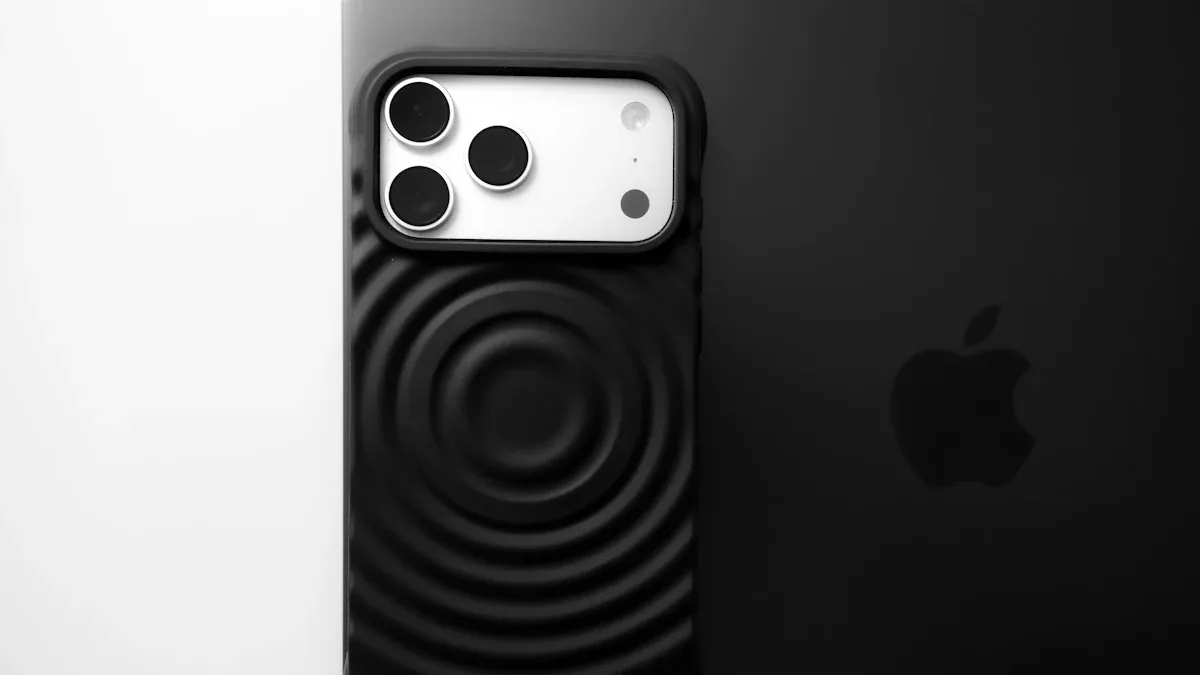
Mobile devices are crucial for many businesses today. Dropping a device can lead to expensive damage, so having strong anti-drop protection is essential. The rise of anti-drop phone cases in the B2B Trend highlights how companies are prioritizing safety. Modern phone cases use advanced materials and innovative designs to prevent breakage. This shift is significant for both purchasing and IT teams. Choosing the right anti-drop phone cases B2B Trend can help prevent work interruptions and reduce costs.
Key Takeaways
- Anti-drop phone cases are important for keeping devices safe at work. They help stop expensive damage if someone drops a phone. Buying strong phone cases can help companies save money. This is because they will not need to fix or replace phones as often. Shockproof cases help workers stay productive. They do this by stopping breaks in work when a phone gets broken. Employees can keep working without being stopped. Picking the best case means looking at things like how many layers it has. You should also check if it has raised edges and strong corners to protect the phone. Companies need to look at drop protection ratings for each case. They should make sure the cases meet rules like MIL-STD-810G to be sure they work well. Custom branding on phone cases can make a company look better. It also shows that the company cares about safety and good quality. Teaching workers how to use and take care of their cases can stop damage. This also helps phones last longer. More companies are buying anti-drop phone cases now. The market is growing fast because businesses see how important it is to protect their devices.
Device Protection in Business
Mobile Devices in the Workplace
Industry Use Cases
Many companies use mobile devices every day. Retail workers use smartphones to scan items. Delivery drivers look at routes on tablets. Healthcare staff enter patient data on mobile devices. These examples show devices are very important at work. The anti-drop phone cases b2b trend is growing because businesses want to protect their devices.
Operational Impact
If someone drops a device, work can stop fast. A broken phone means a worker cannot finish their job. This can slow down shipments or customer service. Drop protection is needed to avoid these problems. Companies use strong phone cases to keep devices safe.
Cost of Device Damage
Repair and Replacement Expenses
Fixing a broken device costs a lot of money. Sometimes, repairs cannot be done. Companies have to buy new devices. These costs get high for big teams. Drop protection helps save money. Businesses know it is smart to buy good cases.
Productivity Loss
When a device breaks, work stops for a while. Employees wait for repairs or new devices. This means lost time and missed deadlines. Drop protection keeps devices safe and work moving. The anti-drop phone cases b2b trend helps companies avoid these problems.
Risk Factors for Drops
Field Work
Many workers move around during the day. Field technicians climb ladders or walk on rough ground. Drops happen a lot in these jobs. Drop protection is important for field workers. A strong phone case can stop damage from falls.
Employee Mobility
Employees travel between offices or go to meetings. Carrying devices everywhere makes drops more likely. Poor cell signal can also be a problem. Thick walls can block signals. Workers move around to get better reception. This movement can cause devices to drop. Drop protection is needed in these cases.
Tip: Companies should pick phone cases with strong drop protection for every work area.
The anti-drop phone cases b2b trend shows more businesses want to keep devices safe. Good drop protection saves money and keeps work going well.
Anti-Drop Phone Cases: Technology and Features
Multi-Layer Construction
Anti-drop phone cases have many layers to keep phones safe. Each layer does something special. The outside shell is hard and stops scratches. The inside part is soft and takes in shocks. Some cases use honeycomb shapes to spread out the force from drops. Co-molded designs mix hard and soft parts for better safety. Shock-absorbing springs help keep the phone cool and safe.
| Material/Design Element | Description |
|---|---|
| Silicone | Flexible and strong, helps absorb shocks. |
| Thermoplastic Polyurethane (TPU) | Bends a little but stays firm to stop damage. |
| Honeycomb Structures | Light design that spreads out the force from drops. |
| Shock-Absorbing Layers | Takes in energy when the phone falls. |
| Co-Molded Constructions | Mixes hard and soft layers for better safety. |
- Honeycomb shapes are light and protect phones without blocking signals.
- Co-molded layers make cases strong but not too thick.
- Shock-absorbing springs help with drops and keep phones cool.
- Two-layer shells stop scratches and take in shocks well.
Many cases have grips that stop slipping. These grips help people hold their phones better and drop them less.
Rigid Outer Shell
The hard outer shell uses strong stuff like hard plastic or polycarbonate. This shell keeps the phone safe from bumps and scratches. It also protects the phone if it falls. The shell is strong but does not make the case heavy.
Flexible Inner Core
The soft inner core uses things like silicone or TPU. This part takes in shocks when the phone hits the ground. It works with the hard shell to give military-grade drop safety. The inner core also helps people grip the phone better.
Drop Protection Features
Raised Bezels
Raised bezels lift the screen and camera above flat tables. This keeps them safe from cracks and scratches if the phone falls. Raised bezels are an important part of shockproof phone cases.
Reinforced Corners
Reinforced corners take in the force from falls. These corners spread out the hit so the phone does not break. Many cases add extra padding in the corners for more safety.
Shockproof Phone Cases Testing
Drop Test Standards
Makers test shockproof phone cases with tough rules. They use strong materials like TPU and silicone to stop shocks. Drop tests check if the case can handle daily bumps. Some brands use the Military Standard (MIL-STD) test. This test drops the case 26 times from four feet high. DROP+ means the case passed many drop tests and can take lots of hits. Other tests check for scratches, burning, and rolling to see if the case is strong.
- Case makers use strong stuff to stop shocks.
- Hard tests make sure cases are safe enough.
- Tests drop cases in different ways to check strength.
- DROP+ means the case passed many drop tests.
- Tests also look for scratches, burning, and rolling.
Certification Ratings
Certification ratings show how well a case keeps a phone safe. The MIL-STD-810G rating is a military drop safety rule. It uses hard tests to make sure the case can take drops and hits.
| Certification Standard | Description |
|---|---|
| MIL-STD-810G | A military rule that uses tough tests to check if cases are strong and safe. |
Cases with these ratings help buyers trust their drop-proof features.
Market Options
Rugged vs. Slim Designs
Businesses have many anti-drop phone case choices. There are two main styles: rugged and slim. Each style works best for different jobs.
| Case Type | Protection Level | User Preference in Business |
|---|---|---|
| Rugged | Great for drops and hard hits | Not liked much because it is bulky |
| Slim | Good for daily use, not heavy | Liked for looks and easy to carry |
A rugged case gives strong protection. It is good for tough jobs like building or fixing things. These cases have thick corners and hard shells. They can take hard falls and rough use. Some workers need this safety every day.
Slim cases look nice and feel light. Office workers like slim cases. They fit in pockets and look neat. Slim cases protect phones from small falls and scratches. They are easy to carry and do not weigh much.
- Rugged cases are best for tough jobs outside.
- Slim cases work well in offices and meetings.
- Many workers pick slim cases for comfort and style.
Compatibility with Devices
It is important that a case fits the device well. Businesses use many phones and tablets. A good anti-drop case should not block buttons or ports.
Some cases have special features for work. MagSafe wallets let people carry cards with their phones. Battery-pack cases help workers keep their phones charged. Modular cases let grips and mounts attach easily. These features make phone cases more useful at work.
New ideas keep coming out. Some cases may soon have wireless charging or fix themselves. These features help businesses get more from their phone cases.
Tip: Always make sure the case fits the device before buying a lot.
Picking the right case helps companies keep devices safe. The right case makes work easier and safer.
Business Benefits of Shockproof Case Adoption
Reducing Downtime
Quick Recovery
A shockproof case helps devices stay safe from drops. If a worker drops a phone, the case takes the hit. The device still works after the fall. This means workers do not wait for repairs. Fast recovery is important in busy places. Workers can start their jobs again right away. Shockproof cases are made for hard work areas. They protect devices in warehouses and factories. They also work well outside. Strong cases mean devices break less often. This leads to less downtime and smoother work.
Workflow Continuity
When devices are safe, work keeps going. A shockproof case keeps phones and tablets working after accidents. Teams can help customers and track packages. They can also enter data without stopping. The anti-drop phone cases b2b trend shows more companies want to avoid delays. Custom cases can fit special jobs and help even more. Businesses see fewer stops and better workflow.
Lowering Costs
Fewer Repairs
Fixing broken devices costs a lot. A shockproof case means fewer repairs are needed. Companies spend less money fixing screens or parts. In factories, these savings grow quickly. Strong cases make devices last longer. Fewer repairs also mean less time fixing things.
Replacement Savings
Buying new devices costs a lot of money. When a phone case protects against drops, companies do not buy new devices as much. This saves money over time. Businesses can use their devices for longer. Fewer replacements help companies save money. The money saved can be used for other needs.
Boosting Productivity
Employee Confidence
Workers feel better when their devices are safe. They do not worry about breaking their phones or tablets. This helps them focus on their work. Employees can move fast and do tasks without fear. A shockproof case gives peace of mind in busy places.
Fewer Interruptions
Protected devices mean work does not stop as much. Employees do not have to wait for repairs or new devices. This helps them get more done. Studies show rugged mobile computers and shockproof cases help in many ways: Rugged devices last longer and break less. Their strong build lowers repair costs and keeps them working. Long battery life lets workers stay connected all day.
Other good things are:
- Scratched screens can make mistakes for warehouse workers.
- Broken screens make it hard for field workers to read.
- Safety inspectors may miss things if screens are not clear.
A shockproof case helps stop these problems. Work goes smoothly, and employees can do their jobs well.
Enhancing Corporate Image
A company’s image is important in every field. How a business protects its devices shows what it cares about. Using advanced phone protection helps a company get noticed. Clients and partners see when a business works hard to keep devices safe. This can help build trust and respect.
Safety Commitment
A good safety record makes a company look trustworthy. If a business uses shockproof cases for all devices, it shows care for workers and equipment. This tells employees their safety matters. It also shows customers the company cares about quality and responsibility.
Companies that spend money on device safety have fewer accidents and less downtime. This can mean better reviews and stronger business ties.
Some companies talk about safety in reports or on their websites. They may use pictures or stories to show how shockproof cases help their teams. These stories can make a company look modern and smart.
Sustainable Choices
Many businesses want to help the earth. Picking eco-friendly phone cases supports this goal. Some shockproof case brands use recycled materials or make cases that last longer. This means less waste and helps the planet.
| Sustainable Feature | Benefit to Business |
|---|---|
| Recycled Materials | Less plastic in landfills |
| Long-Lasting Design | Fewer replacements needed |
| Minimal Packaging | Less waste created |
A company that chooses green options can get new clients. Many customers like working with businesses that care about the earth. Some companies win awards for their green choices.
Tip: Pick shockproof case brands that share facts about their materials and recycling programs.
Smart choices about device protection can make a company look better. It shows they care about safety and the environment.
B2B Trend: Market Growth and Adoption
Market Expansion
Industry Reports
Industry reports say more companies buy anti-drop phone cases each year. Groups like IDC and Gartner count these sales. They show the phone case market is growing quickly. In 2023, the global market was over $20 billion. Many sales came from businesses, not just regular people. Reports say companies want cases with strong drop protection. They look for products that pass hard safety tests. This helps keep devices safe at work.
A table below shows some important facts from recent reports:
| Year | Global Market Size | B2B Share (%) |
|---|---|---|
| 2021 | $16B | 28% |
| 2022 | $18B | 32% |
| 2023 | $20B+ | 36% |
Note: The B2B share goes up every year. More businesses see why device protection matters.
Adoption Rates
Adoption rates are rising too. In 2021, only one in four companies used anti-drop cases for all devices. By 2023, more than one in three companies did this. Big companies buy cases for thousands of devices at once. Small businesses are starting to do the same. They see how drop protection saves money and keeps work going.
Some industries use these cases faster than others. Delivery, construction, and healthcare companies use them most. These jobs have a high chance of drops. Office companies are catching up as more people work from different places.
B2B Success Stories
Sector Examples
Many sectors get big benefits from anti-drop cases. For example, a delivery company gave drivers shockproof cases. Device breakage dropped by 60%. A hospital used rugged cases for nurses’ tablets. This helped avoid repairs and kept patient data safe. Retail stores use these cases to protect devices for sales and inventory.
Best Practices
Successful companies follow some best steps. They test cases before buying many. They pick cases that fit their devices well. They train workers to use and care for the cases. Some companies work with brands for custom solutions. This helps them get the right protection and style.
Expert Insights
Analyst Quotes
Industry experts share strong opinions about the anti-drop phone cases b2b trend. One analyst from Gartner said, “Businesses now see device protection as a smart investment, not just an extra cost.” Another expert from IDC said, “Remote work makes drop protection more important than ever.”
Future Outlook
Experts think the market will keep growing. They expect more companies to buy anti-drop cases for all devices. New features like eco-friendly materials and smart add-ons will bring more buyers. Brands that focus on new ideas and business solutions will lead the market.
Tip: Companies that buy device protection now will save money and avoid problems later.

Brand Leadership
Innovation
Top brands in the B2B anti-drop phone case market set high safety and design standards. They use new materials and smart features to keep devices safe. Some brands use TPE bumpers for extra cushioning. TPE bumpers help phones survive drops from up to three meters. This protection meets military-grade standards.
Design is important too. Many brands use PC material for the back panel. PC material lets light through, so cases look clear and stylish. This helps businesses look professional while keeping devices safe.
Eco-friendly choices matter a lot. Top brands make cases from 100% recyclable materials. About 80% of their products use eco-friendly materials. This helps companies reach sustainability goals and cut down on waste.
Some brands add built-in N52 magnets. These magnets let phones stick to chargers and accessories easily. Workers can charge their devices fast and use extra tools without problems.
The table below shows key features from top brands:
| Feature | Description |
|---|---|
| Material | TPE bumper for more cushioning and military-grade drop protection up to 3 meters. |
| Design | Back panel made of PC material with high light transmission for a stylish look. |
| Environmental | Made from 100% recyclable materials, with 80% of cases using eco-friendly materials. |
| Magnet | Built-in N52 magnet for secure attachment to chargers and accessories, making devices easier to use. |
| Customization | Offers ODM/OEM services for custom branding and design options. |
Note: Brands that focus on new ideas help businesses stay safe and stylish.
Enterprise Solutions
Enterprise customers need more than just strong cases. They want solutions that fit their business needs. Top brands offer ODM and OEM services. These services let companies add their own logos and colors to cases. Custom branding helps businesses stand out and build trust.
Bulk orders are simple with top brands. Companies can order thousands of cases at once. This helps big teams get the same protection. Brands also support many device types. Businesses can find cases for phones, tablets, and special work devices.
Some brands work with companies to design cases for special jobs. For example, delivery companies may need cases with extra grip. Hospitals may want cases that are easy to clean. Brands listen and create custom solutions.
Enterprise solutions include training and support. Brands help companies teach workers how to use and care for their cases. Good support means fewer problems and longer device life.
Tip: Businesses should pick brands that offer new ideas and strong support. This helps protect devices and makes the workplace safer.
Choosing the Right Anti-Drop Phone Case
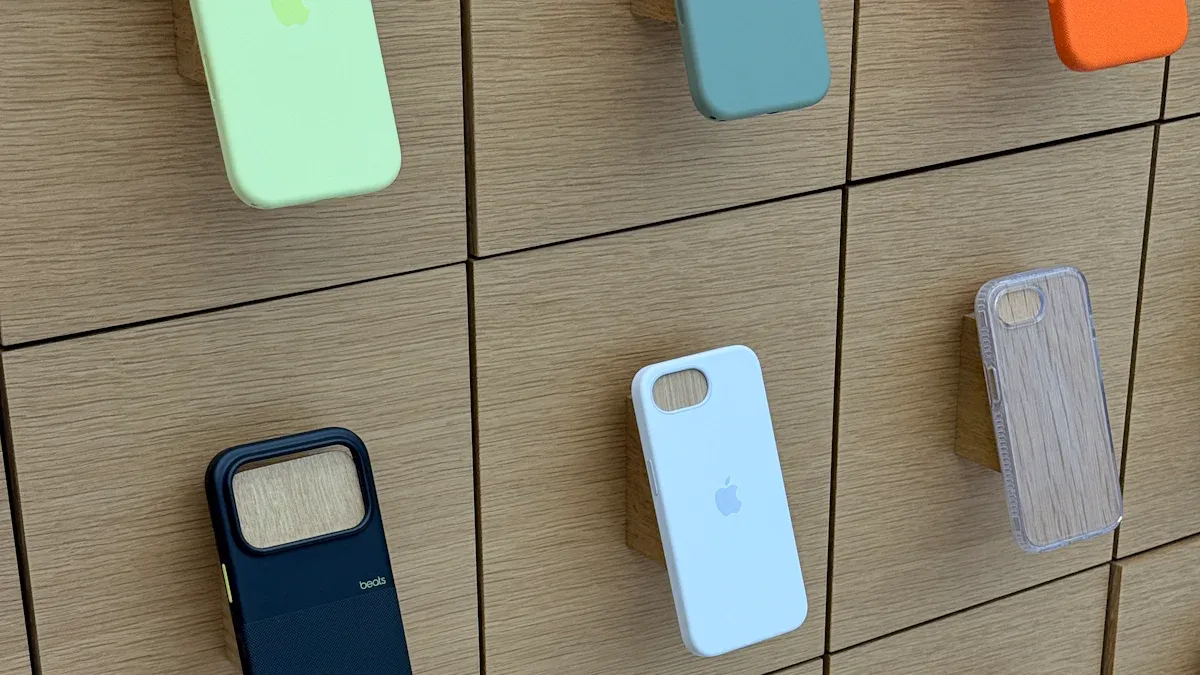
Evaluation Criteria
Drop Protection Ratings
Procurement teams must check how well cases protect devices. The best cases use strong materials like TPU or polycarbonate. Some cases use aramid fiber for extra strength. Look for cases that pass lab tests or have MIL-STD-810G certification. This means the case can survive many drops from about four feet. Raised bezels help keep screens and cameras safe from scratches. Wireless charging is important for many jobs. Some cases also keep out water or dust.
| Criteria | Description |
|---|---|
| Material Quality | TPU with memory retention, polycarbonate with UV coating, aramid fiber composites. |
| Drop Protection | Independent lab testing or MIL-STD-810G certification, simulating 26 drops from 1.2m. |
| Precision Fit | Secure fit, covered buttons, easy to press. |
| Raised Bezels | Elevated edge protects screen and camera. |
| Wireless Charging Compatibility | Allows Qi charging without removing the case. |
| Environmental Resistance | Water resistance or dust sealing for tough jobs. |
Device Compatibility
A shockproof case must fit the device well. It should not block buttons or ports. The case should let you charge and listen easily. Some cases work with wireless charging, so workers charge fast. Always check if the case matches your device before buying.
Cost vs. Performance
Ownership Costs
Buying a shockproof case costs more at first. But it saves money later. The table below shows how anti-drop cases compare to regular cases. Anti-drop cases cost between $40 and $80. They help avoid repair costs, which can be $279 for an iPhone. Over four years, businesses save about $180 per device.
| Case Type | Price Range | Average Repair Cost | Total Savings |
|---|---|---|---|
| Anti-Drop Case | $40 – $80 | $279 (iPhone) | $180 (after 4 years) |
| Standard Case | $10 – $25 | $150+ (mid-tier) | N/A |
Warranty
A good warranty makes a shockproof case better. Many cases come with five to ten years of protection. Some brands offer lifetime warranties on screen protectors. This means users can get new protectors for free. A strong warranty keeps devices in good shape and helps resale value. Users feel safe using their devices in tough places. They worry less about damage and focus on work.
| Cost of Repairs | Cost of Protective Case | Protection Duration |
|---|---|---|
| $200 – $400 | Under $40 | 5-10 years |
| $150 – $300 | Under $40 | 5-10 years |
- Users feel safe taking devices outside.
- They use devices for active jobs without worry.
- Less worry means better daily use.
Procurement Strategies
Vendor Selection
Picking the right vendor is important. Some vendors have ready stock that ships fast. This works for small orders. Others offer custom OEM or ODM production. This lets companies add logos or special features. Custom orders need bigger minimums and take longer. Hybrid sourcing mixes stock and some customization. It works well for startups or special campaigns.
| Sourcing Approach | Pros | Cons | Best For |
|---|---|---|---|
| Off-the-Shelf (Ready Stock) | Fast shipping, lower MOQs, tested designs | Limited customization, potential stockouts | Small businesses, e-commerce sellers, personal use |
| Custom OEM/ODM Production | Brand differentiation, tailored specs | Higher MOQs, longer lead times | Brands, distributors, enterprises with volume needs |
| Hybrid Sourcing (Stock + Light Customization) | Faster than full ODM, cost-effective for mid-volume orders | Design constraints based on available base models | Startups, promotional campaigns, niche market entries |
Bulk Orders
Bulk orders help save money and keep devices safe for everyone. Large orders often get discounts. Custom branding is possible with bulk buys. Always check lead times and support before ordering a lot.
Tip: Try a few cases before buying many to make sure they work for you.
Implementation
Rollout Plans
A good rollout plan helps businesses switch to anti-drop phone cases smoothly. Planning starts with a clear timeline. Companies should set dates for ordering, receiving, and distributing the cases. It is smart to test a small batch first. This helps find any problems before buying for everyone.
A rollout plan should include these steps:
- Assess Device Inventory: List all devices that need protection. Check models and sizes.
- Choose Trusted Suppliers: Pick suppliers with strong safety records. Avoid vendors with many returns or complaints.
- Order in Phases: Start with a pilot group. Use feedback to improve the process.
- Schedule Distribution: Plan when and how to give out cases. Make sure every worker gets the right case.
- Monitor Progress: Track how many cases are in use. Watch for any issues with fit or quality.
Note: Rising material and logistics costs can delay shipments. Companies should order early and keep extra stock for emergencies.
Many businesses face challenges during rollout. The cost of materials like thermoplastic polyurethane (TPU) has gone up by 13%. Shipping costs for phone accessories have also increased by 21%. These changes can affect budgets and delivery times. Planning ahead helps avoid delays.
Employee Training
Training helps workers use shockproof cases the right way. Simple instructions make a big difference. Employees should learn how to put on and remove the case without breaking it. They should also know how to clean the case and check for damage.
Key training topics include:
- How to install and remove the case safely
- How to clean the case and device
- What to do if the case breaks or does not fit
- How to spot fake or low-quality cases
The market has many counterfeit cases. About 680 million fake cases are sold each year. These cases often break easily and do not protect devices well. Over 12% of these cases get returned. Training helps workers spot real cases from fakes. Companies should buy only from trusted brands.
Tip: Give workers a short guide or video. This helps them remember the steps and keeps devices safe.
A strong rollout plan and good training keep devices safe and workers happy. These steps help businesses get the most from their investment in anti-drop phone cases.
Anti-drop and shockproof phone cases help companies save money. These cases make devices last longer and work better. Businesses spend less on repairs and do not lose time. More companies now think device protection is a smart idea.
- Strong cases help workers feel safe.
- Less damage means workers finish more jobs.
Procurement teams should check their device safety plans. Look at trusted brands like bibercas for good choices.
FAQ
What is an anti-drop phone case?
An anti-drop phone case protects a phone from damage if it falls. It uses strong materials and special designs to absorb shocks and prevent cracks.
Why do businesses need shockproof cases?
Businesses use phones for work every day. Shockproof cases help keep devices safe. This reduces repair costs and keeps work running smoothly.
How do I know if a case is truly drop-proof?
Look for cases with MIL-STD-810G or DROP+ ratings. These labels mean the case passed tough drop tests. Always check for real certifications.
Are rugged cases better than slim cases?
Rugged cases give more protection. Slim cases feel lighter and look better. Choose rugged for tough jobs and slim for office use.
Can anti-drop cases fit all phone models?
Most brands make cases for popular phones and tablets. Always check the model number before buying. Some brands offer custom fits for business needs.
Do anti-drop cases affect wireless charging?
Many anti-drop cases support wireless charging. Check the product details or ask the vendor. Some thick cases may block charging.
How can a company order custom cases?
Companies can contact vendors for bulk orders. Many brands offer custom logos and colors. Ask about minimum order sizes and delivery times.


 English
 Arabic
 Chinese (Simplified)
 Dutch
Dutch French
 German
 Italian
 Portuguese
 Russian
 Spanish