

Which mobile case resale strategies save you more money

Most sellers save more money with dropshipping when starting an ecommerce business. Dropshipping suits those with a small startup budget and lower risk tolerance. Traditional resale works better for sellers who want higher control and can handle bulk business purchases. Both methods help an ecommerce business grow, but the best choice depends on sales volume and how much risk a business owner wants.
Dropshipping allows an ecommerce business to operate without holding inventory, while traditional resale lets a business buy products upfront and manage stock. Choosing between these mobile case resale strategies shapes the future of any business in this industry.
Key Takeaways
- Dropshipping is ideal for beginners with limited capital. It requires a low upfront investment, making it accessible for new sellers.
- Traditional resale offers higher profit margins, often between 30% and 60%. This model benefits sellers who can manage inventory effectively.
- Sellers can test multiple products with dropshipping without committing to large inventory purchases. This flexibility helps identify successful items.
- Managing supplier reliability is crucial in dropshipping. Reliable suppliers ensure timely shipping and quality, which boosts customer satisfaction.
- Bulk purchasing in traditional resale allows sellers to negotiate better prices, leading to lower per-unit costs and increased profitability.
- Market saturation can impact both strategies. Sellers must differentiate their products to avoid price wars and maintain profit margins.
- Effective cash flow management is essential in traditional resale. Quick turnover of inventory helps maintain financial health.
- Sellers should evaluate their goals and resources before choosing a strategy. Dropshipping suits those seeking flexibility, while traditional resale rewards those ready for larger investments.
Mobile Case Resale Strategies Overview
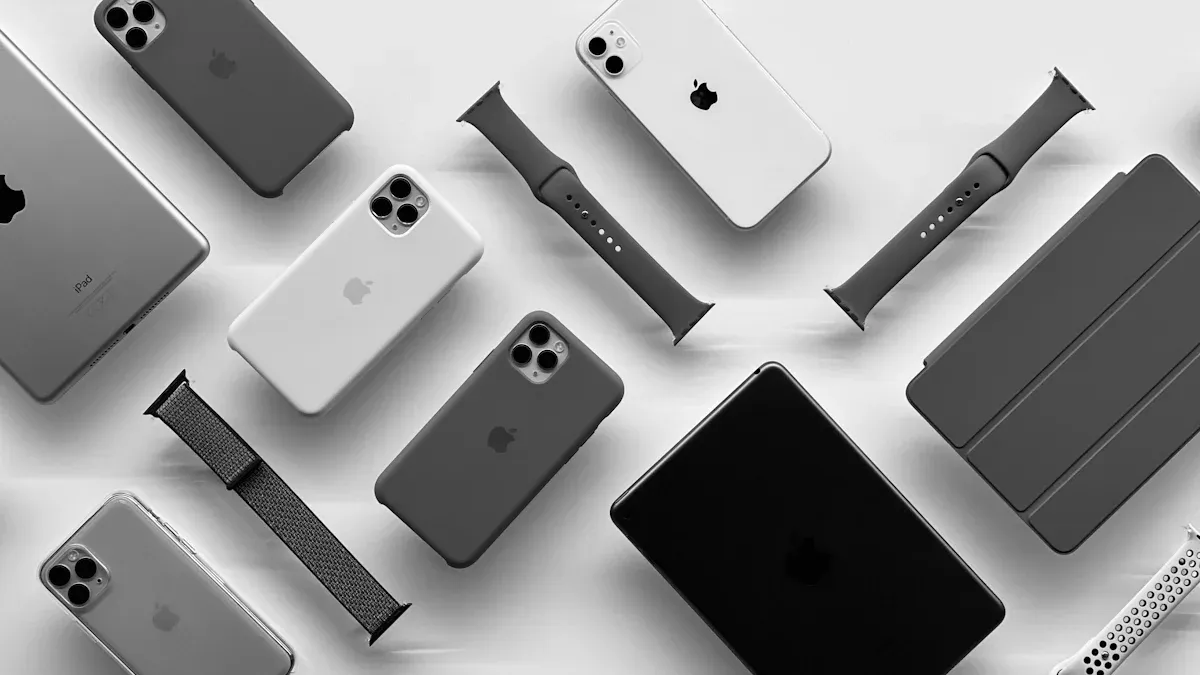
Mobile case resale strategies shape the foundation of any successful business in this industry. Two main business models dominate: dropshipping and traditional resale. Each approach offers unique advantages and challenges, especially regarding cost, risk, and profit margins.
Dropshipping Business Basics
A dropshipping business allows sellers to operate a dropshipping store without holding inventory. The seller lists mobile cases online, and when a customer places an order, the supplier ships the product directly to the buyer. This model keeps startup cost low, often between $500 and $3,000.
Regular dropshipping reduces financial risk because the business does not invest heavily in stock. However, the dropshipping store depends on supplier reliability and faces lower profit margins, typically ranging from 10% to 30%. Regular dropshipping also means the business must manage customer service and returns, even though it never handles the product directly.
Traditional Resale Basics
Traditional resale requires the business to purchase mobile cases in bulk and store them before selling. This approach demands a higher initial cost, sometimes reaching $10,000 or more. The business gains more control over inventory and shipping, which can lead to higher profit margins—often between 30% and 60%. Bulk purchasing allows the business to negotiate better prices, but it also increases the risk of unsold inventory. Regular dropshipping does not face this risk, but traditional resale can achieve greater profitability if the business manages stock efficiently.
| Aspect | Dropshipping | Traditional Retail |
|---|---|---|
| Startup Costs | Low ($500–$3,000) | High ($10,000–$100,000+) |
| Profit Margins | Lower (10–30%) | Higher (30–60%+) |
| Risk Level | Lower, supplier-dependent | Higher, inventory investment |
Note: Dropshipping has significantly lower startup costs and risks compared to traditional resale, which requires a substantial initial investment. While dropshipping offers lower profit margins, traditional resale can achieve higher margins due to bulk purchasing.
Market saturation affects both mobile case resale strategies. Increased competition, especially for popular designs, leads to price wars and shrinking profit margins. A dropshipping store often faces higher advertising costs as more sellers enter the market. Regular dropshipping businesses must work harder to stand out, while traditional resale businesses may struggle to move inventory if trends shift quickly.
Mobile case resale strategies require careful consideration of cost, risk, and market conditions. Regular dropshipping provides a low-risk entry point, while traditional resale offers higher rewards for those who can manage inventory and sales volume effectively.
Dropshipping Phone Cases: Cost and Margins

Startup and Ongoing Costs
Inventory and Shipping
Dropshipping phone cases eliminates the need for upfront inventory purchases. Sellers do not need to store products or manage physical stock. Instead, dropshipping suppliers handle inventory and shipping directly to the customer. This model reduces financial barriers for new businesses. Most dropshipping phone cases businesses can launch with a practical starting budget of $200 to $300 for the first month. This amount covers online store setup, product sourcing, and initial marketing. Ongoing monthly expenses for dropshipping phone cases typically range from $200 to $600. These costs include essential platform fees, domain registration, basic apps, and advertising. Sellers avoid warehousing fees and shipping logistics, which makes dropshipping phone cases attractive for those with limited capital.
Platform and Transaction Fees
Operating a dropshipping phone cases business involves regular platform and transaction fees. E-commerce platforms charge monthly subscription fees, while payment processors deduct a percentage from each sale. Additional costs may arise from using third-party apps for automation or analytics. These expenses, though relatively low, can add up over time. Sellers must monitor these fees to maintain profitability in dropshipping phone cases.
Profit Margins in Dropshipping
Typical Markup
Profit margins in dropshipping phone cases vary based on product type and competition. Most sellers achieve margins between 15% and 45%. Luxury or specialized dropshipping phone cases can reach margins above 50%. Highly competitive markets, such as electronics, often see margins drop to 10-15%. Sellers must balance competitive pricing with sustainable profits. Dropshipping phone cases with unique designs or branding often command higher markups.
Payment Cycles
Payment cycles in dropshipping phone cases impact cash flow. When a customer places an order, the seller receives payment, then pays the dropshipping suppliers before the product ships. Delays in supplier payments can disrupt order fulfillment and strain finances. Effective management of payment cycles ensures smooth operations and maintains customer satisfaction.
Dropshipping Risks
Supplier Reliability
Supplier reliability plays a critical role in dropshipping phone cases. Reliable dropshipping suppliers ensure timely shipping, quality control, and compliance with policies. This reliability leads to higher customer satisfaction and improved order fulfillment rates. In contrast, unreliable suppliers cause delays, negative reviews, and decreased customer trust. The following table highlights the impact of supplier reliability:
| Evidence Description | Impact on Order Fulfillment Rates |
|---|---|
| Reliable suppliers ensure timely shipping, quality control, and compliance with policies. | This leads to higher customer satisfaction and improved order fulfillment rates. |
| Without reliable partners, you’ll struggle with delays and negative reviews. | Delays can directly decrease order fulfillment rates and harm customer trust. |
| Supplier reliability affects customer lifetime value and reviews. | Timely and accurate order fulfillment encourages repeat business and positive feedback. |
Returns and Customer Service
Dropshipping phone cases businesses face challenges with returns and customer service. Sellers must comply with customs and tax laws to avoid fines or seizure of goods. Mistakes in shipping documentation can result in significant costs, sometimes eliminating profit margins. Many dropshipping phone cases sellers encounter legal liabilities due to a lack of awareness of regulations. Ignoring legal requirements exposes businesses to risks, including financial loss. Proactive management of returns and customer service supports customer satisfaction and protects long-term profitability.
Traditional Resale: Costs, Margins, and Risks
Upfront and Ongoing Costs
Bulk Purchasing
Traditional resale requires a significant upfront investment. Businesses must purchase inventory in bulk to secure the best prices on trending phone cases. The initial inventory stock often reaches $50,000. Physical store build-out and display fixtures add to the total, with costs rising to $105,000 or more. The total capital requirement for a traditional mobile case business can reach $429,000.
| Cost Type | Amount |
|---|---|
| Initial inventory stock | $50,000 |
| Physical store build-out | $40,000 |
| Display fixtures | $15,000 |
| Total Initial Costs | $105,000 |
| Total Capital Requirement | $429,000 |
Bulk purchasing allows a business to stock a winning collection of phone cases for popular phone models. This approach ensures that customers find the best-selling phone cases in-store, increasing the chance of repeat business.
Storage and Shipping
A traditional resale business must manage storage and shipping logistics. Warehousing costs can rise quickly, especially when stocking trending phone cases for multiple popular phone models. Shipping expenses also increase as the business fulfills orders directly to customers. Efficient logistics management helps maintain profit margins and customer satisfaction.
Unsold Inventory
Unsold inventory presents a major risk. If a business overestimates demand for trending phone cases, it may face losses from products that do not sell. Storage fees and markdowns on outdated designs can erode profit. Careful inventory planning and market research help reduce this risk.
Profit Margins in Traditional Resale
Bulk Discounts
Bulk discounts play a crucial role in maximizing profit for traditional resale. Buying in large quantities lowers the per-unit cost, allowing businesses to offer competitive prices on trending phone cases. For example, a business might pay $1.25 per case and sell it for $6.99, earning a $5.74 profit per unit. Fewer shipments also reduce logistics costs, and consistent inventory prevents missed sales opportunities.
| Aspect | Details |
|---|---|
| Lower Per-Unit Cost | Buying in bulk reduces costs. |
| Higher Return | Example: $1.25 cost, $6.99 sale, $5.74 profit. |
| Reduced Shipping Expenses | Fewer shipments lower logistics costs. |
| Consistent Inventory | Maintains stock to prevent missed sales. |
The average gross profit margin for phone cases ranges from 40% to 60%. Custom phone cases can reach even higher margins, especially when targeting customers who want unique designs.
| Business Model | Profit Margin Range |
|---|---|
| Custom Phone Cases | 40% – 60% |
| Scaling Businesses | 35% – 50% |
Cash Flow Management
Managing cash flow is essential in traditional resale. Businesses must balance large upfront investments with ongoing expenses. Quick turnover of trending phone cases helps maintain healthy cash flow. Delays in selling inventory can tie up capital and reduce profit. Successful businesses monitor sales trends and adjust purchasing strategies to keep cash flow positive.
Traditional Resale Risks
Overstock
Overstock occurs when a business orders too many units of a product. This risk increases with trending phone cases, as demand can shift rapidly. Overstock leads to higher storage costs and potential markdowns, reducing overall profit. Businesses must analyze sales data and customer preferences to avoid excess inventory.
Product Obsolescence
Product obsolescence poses a significant threat to profitability. Planned obsolescence in the smartphone market can lower resale values for older cases. Quick depreciation of designs leads to lower prices for new goods and impacts overall profit for manufacturers and retailers.
| Concept | Explanation |
|---|---|
| Planned Obsolescence | A strategy that can lead to lower resale values for products, impacting new product pricing. |
| Depressed Resale Value | Results in lower prices for new goods, affecting overall profitability for manufacturers. |
| Consumer Behavior | Quick depreciation leads to a loss of customers to competitors offering longer-lasting products. |
- Planned obsolescence influences consumer behavior in the smartphone market.
- Psychological and economic factors drive early replacement of devices.
- Users with higher technological engagement are more tolerant of performance issues, affecting resale value.
A business that stocks the best-selling phone cases for current popular phone models can reduce the risk of obsolescence. However, rapid changes in customer preferences and technology trends require constant market monitoring. Businesses that adapt quickly to new trending phone cases maintain a competitive edge and protect profit.
Private Label Dropshipping and Market Testing
Benefits of Private Label Dropshipping
Private label dropshipping gives mobile case sellers a unique edge in a crowded market. This model allows sellers to control branding and product design, which creates a distinct identity for their dropshipping business. By focusing on branding, sellers can offer private label products that stand out from generic options. Private label dropshipping also enables higher profit margins. Sellers set prices based on value, not just competition, which increases profitability. Customer loyalty grows when buyers recognize and trust a brand. Private label dropshipping encourages repeat purchases by building a strong connection with customers. Product quality control improves as sellers work directly with manufacturers, ensuring that private label products meet high standards.
| Benefit | Description |
|---|---|
| Higher profit margins | Eliminates middleman markups, allowing sellers to set prices based on value rather than competition. |
| Stronger brand identity | Custom packaging and design create recognition, making customers request products by name. |
| Better customer retention | Exclusivity fosters loyalty, encouraging repeat purchases from a single store. |
| Market positioning | Differentiates from mass-produced products, allowing sellers to avoid price wars. |
Private label dropshipping also supports better market positioning. Sellers avoid direct competition with mass-produced products and can respond quickly to trends. Branding helps create a loyal customer base that seeks out private label products, even in a market with high demand.
Using Dropshipping to Test Markets
Private label dropshipping offers a low-risk way to test new mobile case designs and gauge demand. Sellers do not need to invest in inventory upfront. This flexibility allows them to introduce a wide range of private label products and monitor which designs attract the most attention. Dropshipping makes it easy to adjust product offerings based on trends and customer feedback. Sellers can quickly identify high demand items and scale their dropshipping business without the burden of unsold stock.
| Key Point | Explanation |
|---|---|
| Low Financial Risk | Dropshipping allows entrepreneurs to test designs without upfront investment, minimizing financial risk. |
| Flexibility | It enables the offering of various designs, making it easier to gauge market interest. |
| Minimal Overhead | No need for warehousing or storage costs, allowing for quick testing of designs and markets. |
| Suitable for Niche Brands | Especially effective for startups and custom case creators looking to find product-market fit. |
Private label dropshipping helps sellers respond to trends and changing demand. They can test new branding strategies and private label products without long-term commitments. This approach works well for startups and niche brands that want to find the right product-market fit.
However, standing out in a saturated dropshipping market remains a challenge. Increased competition leads to price wars and lower profit margins. New sellers often struggle to compete with established vendors who have strong branding and loyal customers.
| Challenge | Explanation |
|---|---|
| Increased competition | More sellers lead to price wars and lower prices, making it hard to attract customers. |
| Lower profit margins | As prices drop due to competition, the profit per sale decreases significantly. |
| Market entry challenges | New sellers struggle against established vendors with better reviews and customer loyalty. |
Private label dropshipping and white label dropshipping both require strong branding to succeed. Sellers must monitor trends, adapt quickly, and focus on building a brand that resonates with customers. Private label dropshipping remains a powerful tool for testing demand and launching private label products, but success depends on strategic branding and market awareness.
When Each Strategy Saves More Money
Choosing the right mobile case resale strategy depends on a seller’s unique situation. Dropshipping and traditional resale each offer cost-saving advantages under different circumstances. Understanding when each approach becomes more cost-effective helps sellers maximize profit and minimize risk.
Dropshipping Is More Cost-Effective
Low Budget or Testing Phase
Dropshipping provides a clear advantage for sellers with limited capital or those entering the testing phase. This model allows a business to launch with minimal upfront investment. Sellers do not need to purchase large quantities of inventory. Instead, they can list a wide variety of products and only pay suppliers after a customer places an order. This approach reduces financial risk and supports better cash flow management.
- Low minimum order quantities limit upfront investment, reducing financial risks for sellers.
- Sellers can test multiple products without significant financial commitment, helping to identify successful items that meet customer demand.
- Dropshipping improves cash flow management by preventing capital from being tied up in large inventory purchases.
A business can quickly adapt to changing demand by rotating product offerings. This flexibility allows sellers to identify which mobile cases attract the most customer interest. Dropshipping also enables rapid response to trends, which is critical in a market where demand shifts frequently. Sellers who want to experiment with new designs or target niche markets benefit from this low-risk environment.
Limited Storage Space
Dropshipping eliminates the need for inventory storage, making it ideal for businesses with limited space. Sellers do not need to rent warehouses or manage stockrooms. This model removes the burden of warehousing costs and reduces the risk of holding obsolete inventory.
- Dropshipping eliminates the need for inventory storage, making it suitable for businesses with limited space.
- Traditional resale requires upfront investment in inventory, which can be difficult for those with storage constraints.
- The flexibility of dropshipping allows businesses to operate without the burden of warehousing costs or the risk of obsolete inventory.
A business operating from a small office or even a home can still meet customer demand efficiently. Dropshipping suppliers handle all shipping logistics, so sellers can focus on marketing and customer service. This setup supports a lean operation and helps maintain profitability, even when sales volumes fluctuate.
Traditional Resale Is More Cost-Effective
High Sales Volume
Traditional resale becomes more cost-effective as sales volume increases. Businesses that can accurately predict demand and move large quantities of mobile cases benefit from higher profit margins. Bulk purchasing reduces the per-unit cost, allowing sellers to offer competitive prices and attract more customers.
A business with strong sales can negotiate better deals with suppliers. This advantage leads to greater control over pricing and product quality. Sellers who manage inventory efficiently can avoid stockouts and meet customer demand consistently. High-volume sales also justify the investment in storage and logistics infrastructure.
Access to Bulk Discounts
Access to bulk discounts significantly increases savings in traditional resale. Sellers who purchase inventory at wholesale prices gain a substantial edge over those relying on dropshipping suppliers.
- Bulk buying offers higher profit margins by purchasing stock at wholesale prices, allowing for retail pricing and greater profit potential.
- In contrast, dropshipping typically results in lower profit margins due to reliance on third-party suppliers, limiting control over pricing and quality.
A business that leverages bulk discounts can pass savings on to the customer or reinvest profits into marketing and product development. This strategy works best for established sellers with reliable demand forecasts. By maintaining a steady flow of inventory, these businesses can respond quickly to shifts in demand and maintain a loyal customer base.
Tip: Sellers should evaluate their startup budget, available space, and expected sales volume before choosing a strategy. Dropshipping suits those seeking flexibility and low risk, while traditional resale rewards those who can manage larger operations and capitalize on bulk purchasing.

Final Recommendation for bibercas Sellers
Selecting the right mobile case resale strategy shapes the future of any bibercas seller. The decision between dropshipping and traditional resale depends on several core factors. Sellers must evaluate their initial investment, inventory management preferences, shipping control, profit margins, and scalability. The following table summarizes these considerations:
| Factor | Dropshipping | Traditional E-commerce |
|---|---|---|
| Initial Investment | Minimal upfront investment | Significant capital required for inventory |
| Inventory Management | No need to manage inventory | Full control over inventory |
| Shipping and Fulfillment | Longer shipping times, variable costs | Faster shipping and better control over fulfillment |
| Profit Margins | Lower margins due to competition | Higher margins with more control over pricing |
| Scalability | Easier to scale without inventory concerns | Requires more investment to scale |
Sellers who prioritize flexibility and low risk often choose dropshipping. This model suits beginners with limited capital and those who want to test multiple products before committing to inventory. Dropshipping allows rapid adaptation to market trends and supports a lean operation. Sellers can list a wide range of mobile cases, monitor sales performance, and adjust offerings quickly. The absence of inventory management reduces overhead and enables easy scaling as sales grow.
Traditional resale appeals to sellers who seek higher profit margins and full control over their brand. This approach requires significant investment in inventory and infrastructure. Sellers who manage inventory efficiently can negotiate bulk discounts and optimize pricing. Control over shipping and fulfillment leads to faster delivery and improved customer satisfaction. High-volume sales justify the investment and support long-term growth.
Sellers should consider the following when choosing a strategy:
- Choose dropshipping if:
- They are beginners with limited capital.
- They want to test multiple products without committing to inventory.
- They prefer a flexible, low-risk business model.
- Choose traditional e-commerce if:
- They have the capital to invest in inventory and infrastructure.
- They want higher profit margins and full control over their brand.
- They are ready to handle the complexities of inventory management.
Returns and refunds policies play a critical role in dropshipping. Sellers must evaluate supplier policies to ensure they can manage returns effectively. A clear and customer-friendly policy builds trust and supports positive sales experiences. Communicating these policies to customers sets expectations and protects the seller’s reputation.
Dropshipping enables companies to cut operational costs by 28% and reduce storage expenses by 45%. Retailers also see faster order processing and improved efficiency. Dropshipping stands out as the most cost-effective strategy for sellers with limited budgets or those testing new markets. Sellers should follow these steps to choose the right approach:
- Identify a market gap.
- Build a business plan.
- Define the target audience.
- Design unique products.
- Select the best source, such as dropshipping.
Every seller should assess their goals and resources before deciding. Share your experience or questions about dropshipping in the comments below!
FAQ
What is the main difference between dropshipping and traditional resale?
Dropshipping allows sellers to list products online without holding inventory. Traditional resale requires bulk purchasing and storage of products before selling. Dropshipping reduces upfront costs, while traditional resale offers higher profit margins.
How much money does a seller need to start dropshipping mobile cases?
Most sellers begin dropshipping with $200 to $500. This budget covers store setup, product sourcing, and basic marketing. Dropshipping does not require investment in inventory or warehousing.
Are profit margins higher with traditional resale?
Profit margins in traditional resale often reach 30% to 60%. Bulk purchasing lowers per-unit costs. Dropshipping margins usually range from 10% to 30% due to supplier fees and competition.
What risks do dropshipping sellers face?
Dropshipping sellers depend on supplier reliability. Delays, poor product quality, or shipping errors can harm customer satisfaction. Sellers must also manage returns and comply with legal regulations.
Can dropshipping scale quickly?
Dropshipping scales easily. Sellers add new products without worrying about inventory or storage. This flexibility supports rapid growth and adaptation to market trends.
How does market saturation affect mobile case resale?
Market saturation increases competition. Sellers face price wars and shrinking profit margins. Unique branding and product differentiation help sellers stand out in crowded markets.
Which strategy suits beginners best?
| Strategy | Suitability for Beginners |
|---|---|
| Dropshipping | ⭐⭐⭐⭐⭐ |
| Traditional Resale | ⭐⭐ |
Dropshipping suits beginners due to low startup costs and minimal risk. Traditional resale requires more capital and inventory management experience.


 English
 Arabic
 Chinese (Simplified)
 Dutch
Dutch French
 German
 Italian
 Portuguese
 Russian
 Spanish