

Step-by-Step Guide to Phone Case Supplier Packaging Compliance

As a phone case supplier, you must take packaging compliance seriously. Failing to do so can lead to major setbacks. The table below shows common risks:
| Risk Type | Description |
|---|---|
| Material Losses | Inadequate packaging can lead to damage or loss of goods during transport. |
| Safety Hazards | Poorly packaged items may pose risks to safety, potentially harming individuals or the environment. |
| Inadequate Testing | Insufficient testing and certification can result in using substandard packaging that fails to protect. |
| Certification Issues | Relying on certifications from less rigorous entities can expose suppliers to compliance risks. |
Packaging compliance covers several components. You need to focus on sustainability, packaging types, functionality, and automation.
| Component | Description |
|---|---|
| Sustainability | Focus on recyclable materials, compostable films, and biodegradable cushioning to reduce impact. |
| Packaging Types | Use of retail-ready blister packs, eco-friendly cartons, and protective bubble wrap. |
| Functionality | Balancing presentation and functionality in packaging decisions. |
| Automation | Integration of horizontal packaging machines for efficiency and quality. |
Key Takeaways
- Packaging compliance is essential for phone case suppliers to avoid legal issues and protect their products.
- Use safe materials and follow labeling laws to ensure customer safety and meet regulations.
- Focus on sustainability by choosing recyclable and biodegradable materials to appeal to eco-conscious consumers.
- Meet customer expectations by delivering attractive, functional packaging that enhances the unboxing experience.
- Regularly review packaging compliance rules to stay updated on legal and industry standards.
- Implement automation in packaging processes to improve efficiency and reduce costs.
- Test packaging durability to ensure it protects products during shipping and handling.
- Use a compliance checklist to avoid common pitfalls and ensure all packaging meets necessary requirements.
Packaging Compliance Basics
What Is Packaging Compliance
Packaging compliance means following all rules and standards for how you package your products. As a phone case supplier, you must make sure your packaging meets legal, industry, and customer requirements. Packaging compliance covers everything from the materials you use to the way you label your products. You need to check that your packaging protects the product, uses safe materials, and follows all labeling laws.
Tip: Always review the latest regulations before you design or update your packaging. Laws and standards can change, so staying informed helps you avoid costly mistakes.
Why It Matters for Suppliers
You face many risks if you ignore packaging compliance. Non-compliant packaging can lead to fines, product recalls, or even bans from selling in certain markets. Customers expect safe, well-labeled, and attractive packaging. If you fail to meet these expectations, you may lose business or receive negative reviews. Proper packaging also protects your phone cases during shipping and storage, reducing returns and damaged goods.
A phone case supplier who follows compliance rules builds trust with buyers and partners. You show that you care about quality and safety. This can help you stand out in a crowded market.
Key Compliance Areas
You need to focus on three main areas to achieve packaging compliance:
- Legal Requirements
- Follow all laws about packaging materials, labeling, and safety.
- Check for rules on restricted chemicals, recycling symbols, and warning labels.
- Industry Standards
- Meet guidelines set by industry groups or major retailers.
- Use standard barcodes, proper polybag thickness, and tamper-evident seals.
- Customer Expectations
- Deliver packaging that matches your customer’s needs.
- Focus on branding, easy unboxing, and eco-friendly materials.
| Compliance Area | What to Check For |
|---|---|
| Legal | Material safety, labeling, recycling codes |
| Industry | Barcode rules, packaging size, polybag warnings |
| Customer | Branding, presentation, sustainability |
Note: Each area may have different requirements. You should review all three before you ship your products.
By understanding these basics, you set a strong foundation for packaging compliance. This helps you avoid problems and keeps your business running smoothly.
Phone Case Supplier Packaging Requirements
As a phone case supplier, you must understand the different requirements that affect your packaging choices. These requirements fall into three main categories: legal and regulatory standards, industry best practices, and customer expectations. Each category shapes how you design, label, and present your products.
Legal and Regulatory Standards
Restricted Chemicals and Materials
You need to avoid using restricted chemicals and materials in your packaging. Many countries have strict laws about what substances can touch consumer products. For example, you cannot use packaging that contains lead, cadmium, or certain types of plasticizers. These substances can harm people and the environment. Always check the latest regulations for each market where you sell your phone cases. If you use recycled materials, make sure they meet safety standards.
Tip: Ask your packaging supplier for certificates that prove the materials are safe and compliant.
Labeling and Product Identification
Proper labeling is a legal requirement in most regions. You must include clear product identification on every package. This usually means adding the product name, model number, and country of origin. Some markets require recycling symbols or disposal instructions. If your packaging uses polybags, you may need to print suffocation warnings in visible locations. Labels must be easy to read and placed where customers can see them without opening the package.
| Labeling Requirement | Description |
|---|---|
| Product Name & Model | Identifies the phone case inside |
| Country of Origin | Shows where the product was made |
| Recycling Symbols | Informs about proper disposal |
| Polybag Warnings | Alerts about suffocation risks |
Industry Best Practices
Minimal Packaging Volume and Weight
Industry leaders recommend using the smallest packaging that still protects your product. Minimal packaging saves money on shipping and reduces waste. You should avoid oversized boxes or unnecessary fillers. Many companies now use recyclable cardboard boxes or compostable films. These options help you lower your environmental impact and meet retailer requirements.
Barcode and Polybag Rules
Barcodes are essential for tracking and selling your products. You must place barcodes where scanners can read them easily. For case-packed items, make sure each inner and outer box has the correct barcode. Polybags must meet thickness standards and include suffocation warnings if they are larger than a certain size. Retailers often check these details before accepting your shipment.
| Packaging Type | Advantages | Limitations | Typical Use |
|---|---|---|---|
| Blister Packs | High visibility, strong branding | Less eco-friendly, bulky | Retail store displays |
| Cardboard Boxes | Printable, eco-friendly, durable | Limited product visibility | Premium, retail packaging |
| Bubble Wrap | Strong protection, lightweight, cheap | Not visually appealing, creates waste | E-commerce shipping |
Note: Sustainability is now a central theme in packaging. Many brands use recyclable boxes, compostable films, or biodegradable cushioning. Some even design reusable packaging that doubles as storage cases.
Customer Expectations
Branding and Presentation
Customers judge your product by its packaging. You should use packaging that reflects your brand and appeals to your target audience. High-quality printing, clear logos, and attractive colors can make your phone cases stand out. For premium products, consider using cardboard boxes with custom designs. For budget-friendly options, simple but neat packaging works best.
Retail vs. E-Commerce Needs
Retail and e-commerce channels have different packaging needs. In retail stores, packaging must look good on shelves and protect the product from tampering. Blister packs and shelf-ready boxes work well here. For e-commerce, focus on protection during shipping. Bubble wrap and sturdy mailers prevent damage in transit. You should also make unboxing easy and enjoyable for online buyers.
Callout: Always match your packaging style to the sales channel. This helps you meet both retailer and customer expectations.
By following these requirements, you can avoid legal trouble, meet industry standards, and delight your customers. As a phone case supplier, you set yourself up for success when you pay attention to every detail in your packaging process.
Choosing Packaging Materials

Selecting the right packaging materials helps you protect your products, meet customer expectations, and support sustainability goals. As a phone case supplier, you need to balance protection, eco-friendliness, and ease of use.
Protective Options
Bubble Mailers and Boxes
Bubble mailers and sturdy boxes offer reliable protection for phone cases during shipping. Bubble mailers combine cushioning and an outer shell, making them a popular choice for direct-to-consumer deliveries. Boxes provide extra strength and can hold multiple items safely. You should choose the option that matches your shipping method and product value.
| Packaging Type | Advantages | Limitations | Typical Use |
|---|---|---|---|
| Bubble Wrap | Strong protection, lightweight, low cost | Not visually appealing, generates waste | E-commerce shipping, transit safety |
| Padded Mailers | All-in-one shipping solution, easy to handle | Limited branding, single-use | Direct-to-consumer e-commerce deliveries |
Tip: Use boxes for bulk shipments or fragile items. Choose padded mailers for single phone cases sent directly to customers.
Bubble Wrap and Packing Peanuts
Bubble wrap gives strong protection and keeps phone cases safe from drops and bumps. Packing peanuts fill empty spaces in boxes, preventing movement during transit. Both options work well for e-commerce shipping, but they can create extra waste. You should consider how much protection your product needs before choosing these materials.
Sustainable Choices
Recyclable and Biodegradable Materials
Sustainable packaging reduces your environmental impact and appeals to eco-conscious buyers. Many suppliers now use recyclable cardboard boxes, compostable films, and biodegradable cushioning. You can also find packaging made from recycled plastic or paper. Some brands use reusable packaging that doubles as storage, which helps minimize waste.
- FSC recycled paper packaging is fully recyclable and contains no plastic.
- Biodegradable materials like PLA and Mater-Bi break down naturally.
- Recycled plastic reduces the need for new materials.
The trend toward sustainable packaging supports a circular economy. Materials like paper and cellulose are popular because they break down easily and can be recycled.
Eco Certifications
Eco certifications show that your packaging meets environmental standards. Look for certifications such as FSC (Forest Stewardship Council) or compostability labels. These marks help you build trust with customers and meet retailer requirements.
Note: Climate change and waste accumulation have made consumers more aware of packaging choices. Over two-thirds of buyers now consider sustainability when shopping.
Fit and Removal
Snug Packaging
Snug packaging keeps phone cases from moving inside the box or mailer. This reduces the risk of damage and makes your shipments look professional. You should measure your products and choose packaging that fits closely without being too tight.
Easy Unboxing
Easy unboxing improves the customer experience. Use tear strips or simple closures so buyers can open packages without tools. Avoid too much tape or complicated seals. A smooth unboxing process leaves a positive impression and encourages repeat business.
Callout: When you choose the right materials, you protect your products, support the environment, and make customers happy.
Packaging Methods for Suppliers
As a phone case supplier, you need to choose packaging methods that fit your sales channels and business goals. Each method has unique requirements for protection, branding, and efficiency.
Retail Packaging
Retail packaging focuses on making your product stand out on store shelves and keeping it safe until purchase.
Shelf-Ready and Tamper-Evident
Shelf-ready packaging allows store staff to place products directly on shelves without extra handling. This saves time and keeps displays neat. Tamper-evident features, such as seals or shrink bands, show if someone has opened the package before sale. These features protect your product and build trust with customers. You should use clear branding and easy-to-read labels to attract buyers and meet retailer standards.
E-Commerce Packaging
E-commerce packaging must protect your phone cases during shipping and create a positive unboxing experience for online buyers.
Shipping Protection
You need to use sturdy materials like padded mailers or strong boxes. These options prevent damage from drops and bumps during transit. Snug packaging keeps the product from moving inside the box. You can add inserts or wraps for extra safety. Easy-to-open designs improve the customer experience and reduce frustration.
Automation and Bulk Packing
Automation helps you handle large orders quickly and accurately. Machines like automatic case packers and horizontal packaging systems streamline the process. This reduces errors and saves money by using materials more efficiently. Automation also lets you move workers to higher-value tasks, which helps with labor shortages and rising costs. As e-commerce grows, automation becomes a smart investment for cost reduction and better resource use.
Tip: Automated packaging can also support your sustainability goals by reducing waste and improving material usage.
Case-Packed Items
Case-packed items group several phone cases in one larger box for shipping or storage. This method works well for wholesale or bulk orders.
Barcode Handling
You must place barcodes on both the inner and outer boxes. This makes tracking and inventory management easier for you and your partners. Barcodes should be clear and easy to scan. Proper barcode placement helps retailers and warehouses process your shipments faster and with fewer mistakes.
| Type of Packing | Description | Purpose in Retail and E-commerce |
|---|---|---|
| Primary Packing | Directly contacts the product, providing protection and storage. | Essential for both retail and e-commerce to ensure product safety and compliance with regulations. |
| Secondary Packing | Protects primary packing, often discarded before use, and serves advertising. | Important in retail for brand image; in e-commerce, enhances the unboxing experience. |
| Tertiary Packing | Protects products during transport, includes primary and secondary packing. | Critical for e-commerce logistics to ensure products arrive safely to consumers. |
Remember, the right packaging method depends on your sales channel and customer needs. Review your options often to keep up with changes in the market.
Balancing Protection and Presentation
Visual Appeal vs. Durability
You need to find the right balance between how your packaging looks and how well it protects your phone cases. Customers notice the design first. Bright colors, clear logos, and neat printing can make your product stand out. However, you cannot ignore durability. If your packaging breaks or tears, your phone cases may arrive damaged. This leads to returns and unhappy customers.
Choose materials that look good and keep your products safe. For example, you can use sturdy cardboard with a glossy finish. This type of packaging protects the phone case and gives a premium feel. You can also add small windows or cutouts to show the product inside. Make sure these features do not weaken the package.
Tip: Test your packaging by dropping or stacking it. This helps you see if it can handle shipping and handling.
Reducing Waste
You can help the environment by reducing packaging waste. Many suppliers now use eco-friendly materials like recycled paper and cardboard. Compostable bioplastics are another smart choice. These materials break down faster and do not harm the planet. Some companies use reusable packaging that customers can keep or return.
Here are some effective strategies for reducing packaging waste:
- Use recycled paper and cardboard.
- Choose compostable bioplastics.
- Offer reusable packaging solutions.
You should also stay aware of new rules. The PPWR regulations will take effect in 2026. These rules will require less waste and more recycling. If you invest in greener packaging now, you will stay ahead of market trends. You will also meet consumer expectations for sustainable products.
- Learn about upcoming packaging laws.
- Invest in eco-friendly options.
- Show customers you care about the planet.
As the packaging industry changes, you can lead the market by choosing sustainable solutions. This approach helps you follow the law and makes your brand more attractive to buyers who want to protect the environment.
Unboxing Experience
The unboxing experience matters more than ever. Customers enjoy opening a package that feels special. You can add small touches like branded tissue paper, thank-you cards, or easy-tear strips. These details make your product memorable.
Keep the process simple. Avoid too much tape or hard-to-open seals. Make sure the packaging protects the phone case but does not frustrate the customer. A good unboxing experience can lead to positive reviews and repeat sales.
Note: Happy customers often share their unboxing moments online. This gives your brand free promotion and builds trust with new buyers.
By balancing protection, presentation, and sustainability, you create packaging that works for both your business and your customers.
Comparing Packaging Options
Boxes vs. Poly Mailers
You have two main choices for shipping phone cases: boxes and poly mailers. Each option has strengths and weaknesses. Boxes give strong protection. They work well for fragile or premium products. You can stack boxes easily in storage or during shipping. Boxes also allow for more branding and custom printing.
Poly mailers offer a lightweight and flexible solution. They cost less to ship because they weigh less. Poly mailers take up less space in your warehouse. You can use padded poly mailers for extra protection. These mailers work best for single phone cases or small orders.
| Feature | Boxes | Poly Mailers |
|---|---|---|
| Protection | High | Moderate (higher with padding) |
| Branding | Excellent | Limited |
| Cost | Higher | Lower |
| Sustainability | Often recyclable | Sometimes recyclable |
| Storage Space | Bulky | Compact |
Tip: Choose boxes for retail displays or fragile items. Use poly mailers for direct-to-consumer e-commerce orders.
Clamshells vs. Sleeves
Clamshells and sleeves are popular for retail packaging. Clamshells use hard plastic that snaps shut around the phone case. This style gives strong protection and prevents tampering. You can hang clamshells on hooks for easy display. However, clamshells use more plastic and can be harder to recycle.
Sleeves use cardboard or paper to wrap the phone case. They offer a simple and eco-friendly look. Sleeves cost less and use less material. You can print your logo and product details on the sleeve. Sleeves do not protect as well as clamshells, so you may need extra padding for shipping.
| Feature | Clamshells | Sleeves |
|---|---|---|
| Protection | High | Low to moderate |
| Branding | Good (limited by shape) | Excellent |
| Cost | Higher | Lower |
| Sustainability | Low (plastic) | High (paper/cardboard) |
| Tamper Evidence | Yes | No |
Note: Retailers often prefer sleeves for eco-friendly brands. Clamshells suit high-theft environments.
Compliance Considerations
When you select packaging, you must think about compliance. Packaging rules help protect the environment and make recycling easier. You should use eco-friendly materials like recyclable cardboard or compostable films. These materials lower your environmental impact and meet customer expectations.
Design your packaging for easy recycling. Avoid using too many different materials in one package. Simple designs help recycling centers process your packaging. Try to minimize complex components, such as mixed plastics or glued inserts, because these make recycling harder.
| Compliance Consideration | Description |
|---|---|
| Eco-friendly materials | Use materials that have a lower environmental impact, such as recyclable cardboard and compostable films. |
| Ensuring recyclability | Design packaging to be easily recyclable to minimize waste. |
| Minimizing complex components | Reduce the number of components that complicate the recycling process. |
Callout: When you choose packaging, always check if it meets both your business needs and compliance standards. This approach helps you avoid fines and builds trust with your customers.
Sustainability in Packaging
Reducing Environmental Impact
You can make a big difference by choosing sustainable packaging for your phone cases. Start by picking materials that use less energy and water during production. Recycled cardboard, biodegradable films, and compostable mailers help lower your carbon footprint. You should also avoid single-use plastics and unnecessary packaging layers.
Here are some simple ways to reduce your environmental impact:
- Use packaging made from recycled or renewable resources.
- Choose designs that use less material without sacrificing protection.
- Avoid mixed materials that are hard to recycle, like plastic-coated paper.
- Encourage customers to recycle or reuse packaging.
Tip: Small changes, like switching to paper tape or using soy-based inks, can make your packaging greener.
Meeting Green Standards
Many countries and retailers now require you to meet certain green standards. These rules help protect the environment and keep your business competitive. You should look for certifications that show your packaging meets these standards.
Some common green certifications include:
| Certification | What It Means |
|---|---|
| FSC | Uses paper from responsibly managed forests |
| OK Compost | Packaging breaks down in compost systems |
| Green Dot | Supports recycling and recovery programs |
You should check the rules for each market where you sell your phone cases. Some places have strict laws about packaging waste and recyclability. Meeting these standards helps you avoid fines and keeps your products on store shelves.
Note: Retailers often prefer suppliers who follow green standards. This can give you an advantage over competitors.
Communicating Sustainability
You need to tell your customers about your sustainable packaging choices. Clear communication builds trust and shows that you care about the planet. Use labels, icons, or short messages on your packaging to highlight eco-friendly features.
For example, you can add:
- A recycling symbol with a message like “Please Recycle.”
- A note about using biodegradable or compostable materials.
- Information about your efforts to reduce waste.
You can also share your sustainability story on your website or social media. Show photos of your packaging process or explain how you choose materials. Customers like to support brands that care about the environment.
Callout: When you communicate your green efforts, you inspire others to make better choices, too.
By focusing on sustainability, you protect the environment, meet important standards, and connect with eco-conscious buyers.
Compliance Checklist for Phone Case Suppliers
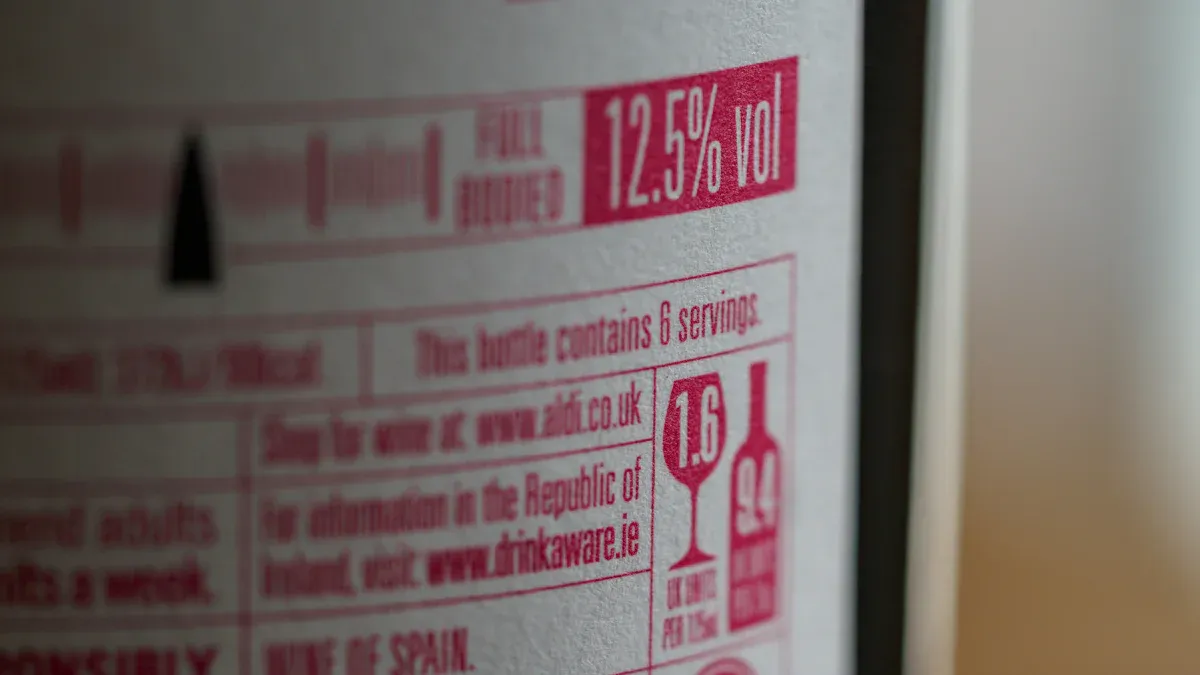
Step-by-Step Review
You can use this checklist to make sure your packaging meets all compliance requirements. Review each step before you ship your products.
- Check that all packaging materials are safe and approved for your target markets.
- Confirm that you do not use restricted chemicals or materials.
- Add clear product identification, including product name, model number, and country of origin.
- Attach recycling symbols and disposal instructions where needed.
- Place barcodes on both inner and outer boxes for easy tracking.
- Print suffocation warnings on polybags if required.
- Use packaging that fits your product snugly and protects it during shipping.
- Choose recyclable, biodegradable, or compostable materials when possible.
- Make sure your packaging design allows for easy separation of different materials.
- Include branding elements that match your customer’s expectations.
- Test your packaging for durability and ease of unboxing.
- Review all local and international regulations before finalizing your packaging.
Tip: Keep this checklist handy and review it for every shipment. Consistency helps you avoid costly mistakes.
Common Pitfalls
Many suppliers face the same problems when trying to meet packaging compliance. You can avoid these issues by staying alert and following best practices.
- Forgetting to clearly indicate the materials used in your packaging.
- Leaving out instructions on how to dispose of each packaging component.
- Using non-soluble glues that make recycling difficult.
- Covering the entire package with labels, which hides material identification.
- Designing packaging with components that cannot be separated easily.
- Not encouraging users to empty and flatten packaging before disposal.
Alert: Small mistakes can lead to big problems. Always double-check your packaging for these common errors.
Final Quality Control
You should always perform a final quality control check before shipping. This step helps you catch any last-minute issues and ensures your packaging meets all standards.
| Quality Control Task | Why It Matters |
|---|---|
| Inspect packaging for damage | Prevents returns and customer issues |
| Verify all labels and warnings | Meets legal and safety requirements |
| Test barcode readability | Ensures smooth inventory management |
| Confirm material separation | Supports recycling and compliance |
| Review branding and presentation | Builds trust with your customers |
Note: A careful final check protects your reputation as a phone case supplier and keeps your business running smoothly.
You now have a clear path to packaging compliance as a phone case supplier. Review each compliance step before you ship. Keep your checklist close and use it for every order. Regular checks help you avoid costly mistakes and build trust with your customers.
Stay proactive—make packaging compliance a top priority for your business success.
FAQ
What is the most important packaging compliance rule for phone case suppliers?
You must use safe materials and follow all labeling laws. These rules protect your customers and help you avoid legal trouble.
How do I know if my packaging materials are eco-friendly?
Look for certifications like FSC or OK Compost. Ask your supplier for proof. Eco-friendly materials are often recyclable, biodegradable, or made from recycled content.
Do I need to include suffocation warnings on all polybags?
You need suffocation warnings on polybags if they are large enough to pose a risk. Always check local laws to make sure your warnings meet requirements.
Can I use the same packaging for retail and e-commerce?
You can use the same packaging, but it may not work well for both. Retail packaging focuses on display and branding. E-commerce packaging needs to protect products during shipping.
How often should I review packaging compliance rules?
You should review rules at least once a year. Laws and standards change often. Regular checks help you stay compliant and avoid costly mistakes.
What should I do if a retailer rejects my packaging?
Ask for feedback and fix the issues quickly. Check your packaging against the retailer’s requirements before sending your next shipment.
Why do barcodes matter for phone case packaging?
Barcodes help with tracking, inventory, and sales. You need to place them where scanners can read them easily. This speeds up processing and reduces errors.
How can I improve the unboxing experience for my customers?
Use easy-open features, add thank-you notes, and keep packaging neat. A good unboxing experience makes customers happy and can lead to repeat sales.


 English
 Arabic
 Chinese (Simplified)
 Dutch
Dutch French
 German
 Italian
 Portuguese
 Russian
 Spanish