

Step-by-Step Guide to Finding the Best Phone Case Materials for Profit and Sustainability
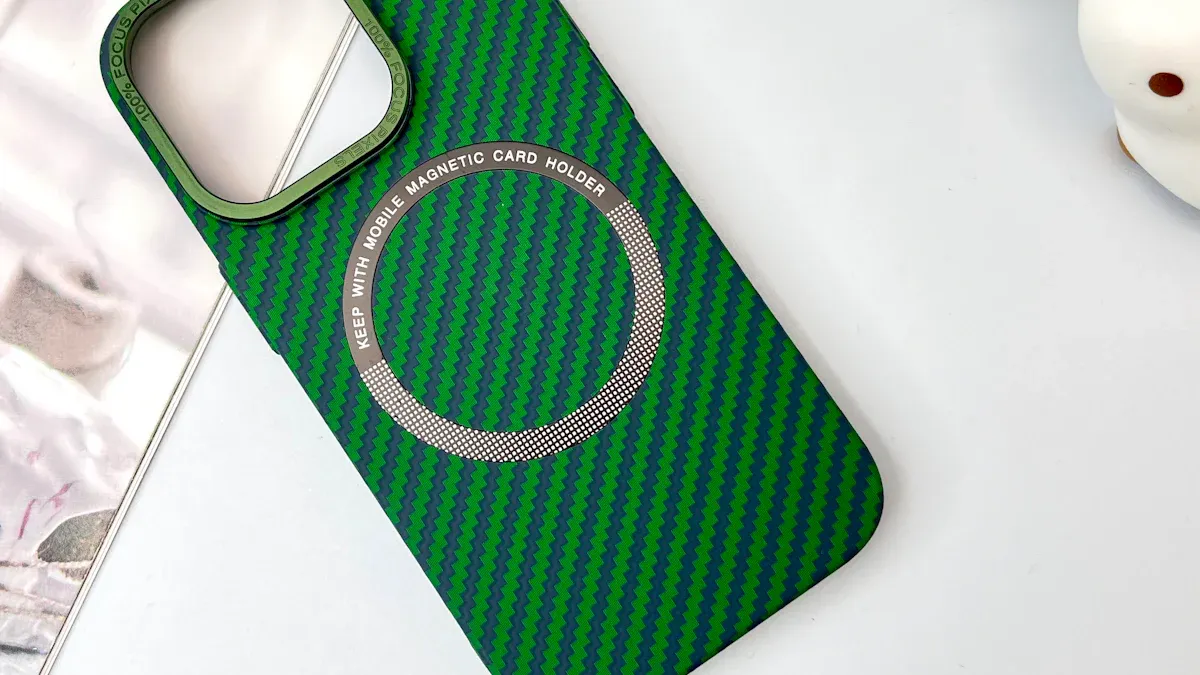
I look for phone case materials that offer both profit and sustainability. I focus on cost, durability, and eco-friendly options. When I choose sustainable products, I see that over 80% of consumers prefer environmentally conscious accessories. I notice the shift away from disposable plastics and toward sustainable manufacturing. I check for certifications and end-of-life options to make sure I meet market demands. I want to stay ahead by watching phone case material supply trends and standing out with choices that match both profit and sustainability.
- Consumers value eco-friendly materials.
- Certifications and end-of-life options matter for true sustainability.
Key Takeaways
- Choose materials that balance profit and sustainability to meet consumer demand.
- Eco-friendly options like Kevlar and vegan leather attract customers who value durability and style.
- Always check for certifications to ensure materials are genuinely sustainable and avoid greenwashing.
- Use biodegradable and compostable materials to reduce environmental impact and appeal to eco-conscious buyers.
- Stay updated on supply trends to find new sustainable materials and avoid shortages.
- Communicate the value of your sustainable choices clearly to build trust with customers.
- Implement a checklist when selecting materials to ensure they meet durability, cost, and sustainability goals.
- Learn from past mistakes in material selection to improve future product offerings.
Best Premium Phone Case Materials
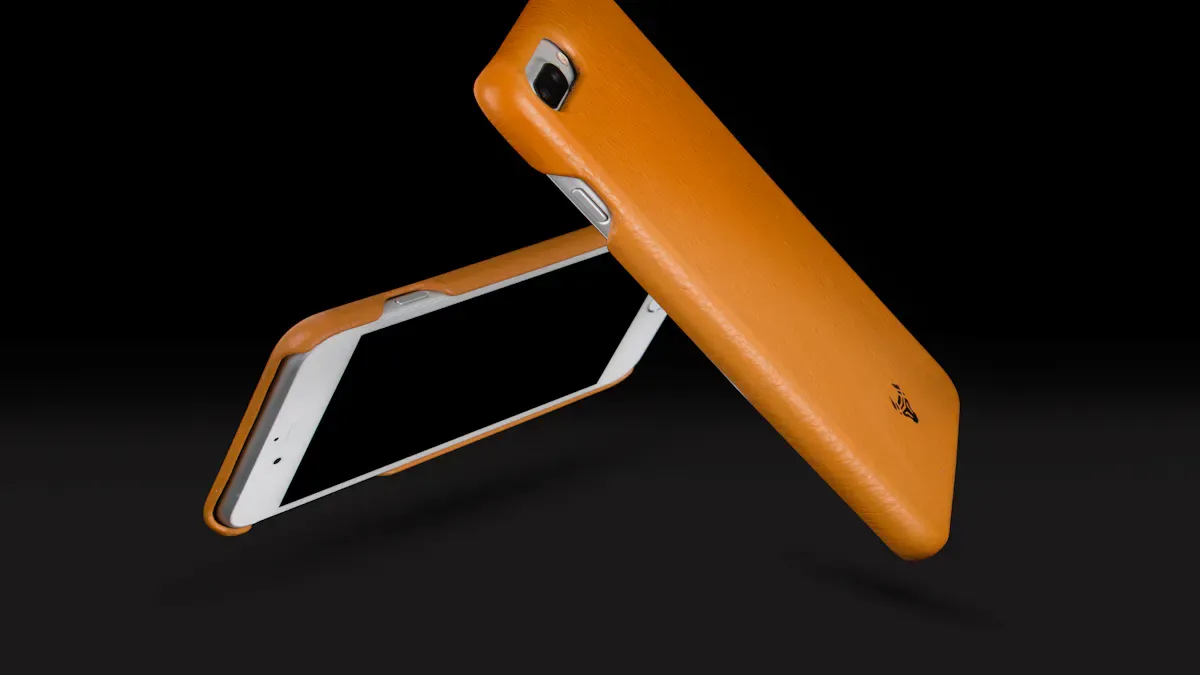
When I search for premium phone case materials, I focus on options that offer both high profit and strong sustainability. I see that the right materials can help me create high-quality phone cases that stand out in the market. I want to share what I have learned about the most popular premium phone case materials and how they can boost both profit and eco-friendly goals.
Kevlar and High-End Options
Kevlar
Kevlar stands out as one of the most advanced premium phone case materials. I choose Kevlar when I want to offer customers something that feels both tough and lightweight. Kevlar is five times stronger than regular plastic. It protects phones from drops and scratches. I also notice that Kevlar resists heat better than many other materials. Customers who want the best protection often look for Kevlar cases. Because of this demand, I can set a higher price for these premium cases.
Vegan Leather
Vegan leather is another premium choice I consider. This material does not use animal products. Instead, it comes from plant-based or synthetic sources. I like vegan leather because it looks and feels like real leather. It also appeals to customers who care about animal welfare and sustainability. Vegan leather lets me offer stylish, premium phone case materials without harming the environment. I find that many eco-friendly phone case materials now use vegan leather to attract conscious buyers.
Tip: I always check if the vegan leather I use comes from recycled or plant-based sources. This helps me meet the growing demand for eco-friendly phone case materials.
Pros and Cons of Premium Materials
I compare the main premium phone case materials to see which ones fit my business goals. Here is a quick overview:
| Material | Benefits | Profitability Reason |
|---|---|---|
| Kevlar | 5x stronger than regular plastic, ultra-lightweight, better heat protection | High demand for durability and performance |
| Vegan Leather | Animal-free, stylish, can be plant-based or recycled | Appeals to eco-conscious buyers, supports premium pricing |
Advantages of Premium Phone Case Materials:
- I can charge more for premium phone case materials because customers value durability and style.
- Premium materials like Kevlar and vegan leather help me reach new markets, especially those who want eco-friendly phone case materials.
- These materials often last longer, which means less waste and better sustainability.
Disadvantages:
- Premium materials usually cost more to source and produce.
- Some premium phone case materials, like certain types of vegan leather, may not be as biodegradable as other eco-friendly phone case materials.
- I need to make sure my suppliers use ethical and sustainable practices for all premium materials.
I always balance the benefits of premium phone case materials with their impact on profit and the environment. By choosing the right materials, I can offer products that meet customer needs and support my business growth.
Eco-Friendly Materials for Sustainable Phone Cases
When I look for eco-friendly materials for phone cases, I focus on options that protect the environment and support sustainability. I want to use materials that lower my footprint and appeal to customers who care about the planet. I always check if the materials are biodegradable, compostable, or made from renewable resources. I also consider how these materials break down at the end of their life.
Bioplastics and Plant-Based Options
I often choose bioplastics and plant-based materials because they come from renewable sources. These eco-friendly materials help me reduce my footprint and offer a sustainable alternative to traditional plastics.
Bamboo
Bamboo is one of my favorite eco-friendly materials. It grows quickly and does not need much water or pesticides. I use bamboo because it is a renewable resource and breaks down naturally. Bamboo phone case materials feel smooth and strong. They also give my products a unique, natural look. I find that bamboo cases attract customers who want to lower their footprint and support renewable resource usage.
Corn Starch
Corn starch is another plant-based option I use for sustainable phone cases. I like that corn starch can be turned into biodegradable polymers such as PLA. These materials break down much faster than regular plastics. I often choose corn starch blends for compostable phone cases. They help me offer products that return to the environment without leaving waste.
Here is a table that compares the environmental impact and decomposition time of different bioplastics and traditional plastics:
| Material | Main Components | Decomposition Time | Distinctive Benefit |
|---|---|---|---|
| Flaxstic | 30% flax fiber, biopolymers | Up to 2 years | Strong shock absorption |
| PLA+PBAT Blend | Corn starch PLA, compostable PBAT | 180 days | Fully compostable within 6 months |
| Traditional Plastic | Petroleum-based polymers | 100+ years | High durability, non-biodegradable |
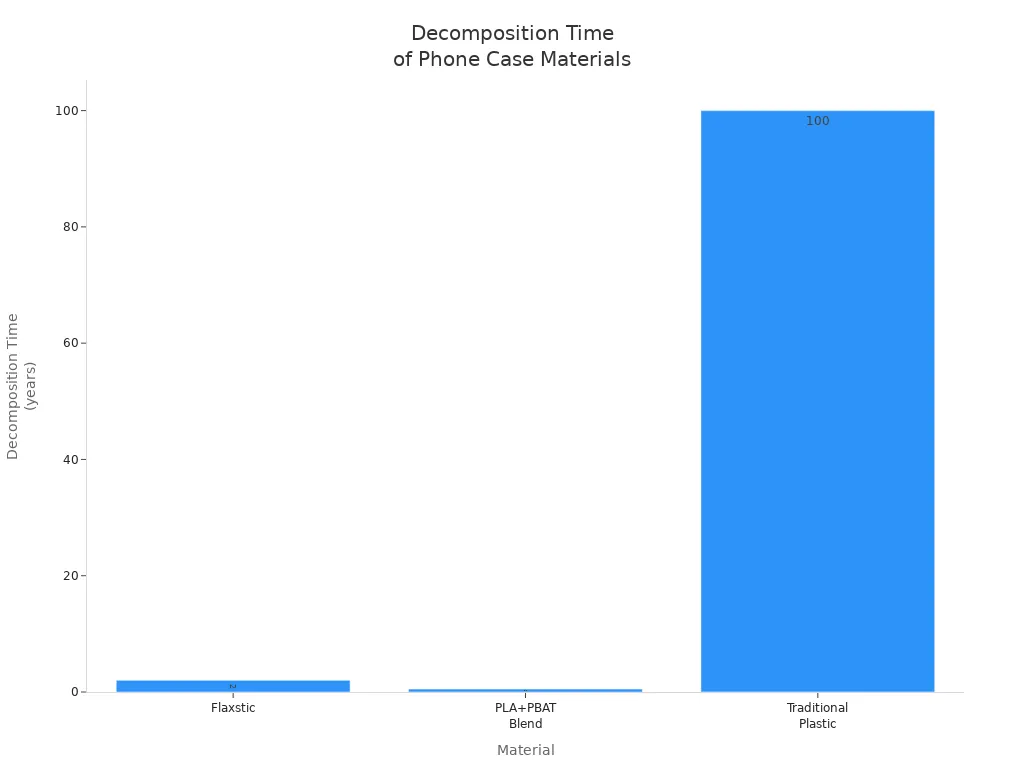
I see that compostable polyester blends like PLA+PBAT break down much faster than traditional plastics. This helps me lower my environmental footprint and offer truly eco-friendly phone case materials.
Recycled and Natural Materials
I always look for recycled materials when I want to make a real difference for the environment. These eco-friendly materials help me reduce waste and support a circular economy.
Recycled Plastics
I use recycled plastics, especially recycled ocean plastic, to create phone cases that keep waste out of the ocean. Every time I choose recycled ocean plastic, I help remove harmful materials from the water. I notice that customers love knowing their purchase helps clean up the ocean. Recycled plastics also let me reuse resources and lower my footprint. I often find that recycled ocean plastic cases look stylish and feel durable.
Certified Wood
Certified wood is another natural material I trust for eco-friendly phone cases. I only use wood from forests that follow strict sustainability rules. Certified wood supports renewable resource usage and helps me protect the environment. I like that wood cases have a unique grain and feel. Customers who care about sustainability often choose these cases for their natural look and responsible sourcing.
Here are some key benefits I see when I use recycled and natural phone case materials:
- Products made from recycled materials help reduce plastic waste.
- Cases made from recycled ocean plastic or plant-based materials appeal to environmentally conscious consumers.
- Customers feel a sense of fashion and responsibility with their purchase.
Biodegradable and Compostable Choices
I always try to use biodegradable and compostable materials for my phone cases. These eco-friendly materials break down safely in the environment and leave no harmful waste. I often choose compostable polyester blends, such as PLA+PBAT, because they decompose within months. I also use biodegradable polymers that come from renewable resources. These materials help me offer products that support sustainability and lower my footprint.
When I select compostable phone case materials, I make sure they meet strict standards. I look for certifications that prove the materials will break down in home or industrial composting. Compostable polyester and biodegradable polymers give me peace of mind. I know my products will not harm the environment after use.
Tip: I always tell my customers how to compost their phone cases. This helps them make the most of eco-friendly materials and supports a sustainable lifestyle.
I believe that using compostable, biodegradable, and recycled ocean plastic materials is the best way to protect the ocean and the planet. These choices help me stand out in the market and show my commitment to sustainability.
Comparing Durability, Cost, and Sustainability
When I choose phone case materials, I always compare durability, cost, and sustainability. I want to make sure my products last, stay affordable, and support environmental responsibility. I believe that understanding these factors helps me make better decisions and reduces environmental impact.
Durability Factors
Drop Resistance
I test drop resistance by dropping phone cases from different heights. I notice that Kevlar and recycled plastics absorb shock well. Bamboo and certified wood sometimes crack under pressure. I want my cases to protect phones from daily accidents. Drop resistance affects customer satisfaction and reduces environmental impact because fewer cases end up as waste.
Wear Over Time
I check how materials wear over time. Vegan leather stays stylish but can scratch. Recycled plastics resist fading and keep their shape. Eco-friendly bioplastics sometimes break down faster, which can affect durability. I balance wear with environmental impact. I want my cases to last long enough to avoid frequent replacements, which supports environmental responsibility.
Cost Analysis
Material and Production Costs
I compare material and production costs for each option. Kevlar costs more to source and manufacture. Vegan leather and recycled plastics offer moderate prices. Eco-friendly bioplastics and bamboo usually cost less but may require special production methods. I use a table to track costs and environmental impact:
| Material | Cost Level | Production Complexity | Environmental Impact |
|---|---|---|---|
| Kevlar | High | Advanced | Moderate |
| Vegan Leather | Medium | Standard | Low |
| Recycled Plastic | Medium | Standard | Low |
| Bamboo | Low | Simple | Very Low |
| Bioplastics | Low | Specialized | Very Low |
Note: I always consider environmental impact when I calculate costs. Sometimes, paying more for eco-friendly materials helps me show environmental responsibility and attract conscious buyers.
Sustainability Impact
Biodegradability
I check if materials are biodegradable. Eco-friendly bioplastics and bamboo break down quickly. Vegan leather and recycled plastics take longer but still offer better environmental impact than traditional plastics. I want my products to leave minimal environmental impact after use.
Recyclability
I look for materials that can be recycled. Recycled plastics and certified wood support a circular economy. Kevlar is harder to recycle, which increases environmental impact. I prefer eco-friendly materials that support environmental responsibility and reduce waste.
Tip: I always tell customers how to recycle or compost their phone cases. This helps them reduce environmental impact and supports eco-friendly habits.
I believe that comparing durability, cost, and sustainability helps me choose the best phone case materials. I focus on eco-friendly options that lower environmental impact and show environmental responsibility. My choices help me stand out and support a cleaner planet.
Phone Case Material Supply Trends and Market Demand
Current Supply Trends
I watch phone case material supply trends closely. I see more suppliers offering eco-friendly options than ever before. Many factories now focus on recycled plastics, bamboo, and plant-based materials. These changes help me find new sources for sustainable phone case materials. I notice that the supply chain for traditional plastics remains steady, but the demand for sustainable phone case materials keeps growing. I also see that some suppliers invest in better technology to make biodegradable and compostable cases. This shift in phone case material supply trends gives me more choices and helps me meet customer needs.
I track these trends to avoid shortages. I talk to suppliers often and ask about new materials. I also look for certifications that prove the materials are truly eco-friendly. By staying updated on phone case material supply trends, I can offer the latest sustainable phone case options and keep my business ahead of the curve.
Market Demand for Sustainable Phone Cases
I see a big change in what customers want. More people now look for sustainable phone case options. This shift comes from growing environmental awareness. Customers want products that match their values. I notice that cases made from recycled materials, like ocean plastic or plant-based sources, are very popular. These cases let buyers feel good about their purchase and support the planet.
Here are some key points I have observed:
- More customers choose eco-friendly phone cases each year.
- People want to know where the materials come from.
- Recycled and plant-based cases sell faster than traditional plastic ones.
- Customers often ask about compostable and biodegradable options.
I use this information to guide my product choices. I focus on sustainable phone case materials that match these trends. This helps me attract more buyers and build trust with my customers.
Popular Styles and Features
I pay close attention to the styles and features that customers want in a sustainable phone case. Most people prefer natural colors and simple designs. They also like cases that feel good in their hands and protect their phones well. I see that eco-friendly materials like wheat straw, bamboo fiber, biodegradable plastics, and plant-based polymers are in high demand.
Here is a table that shows the most popular materials, their features, and color preferences:
| Material Type | Description | Cost Level | Color Preference |
|---|---|---|---|
| Wheat Straw | Eco-friendly, biodegradable material | Moderate | Natural colors |
| Bamboo Fiber | Sustainable and biodegradable, appealing to eco-conscious consumers | Moderate | Natural colors |
| Biodegradable Plastics | Made from renewable resources, reducing environmental impact | Moderate | Natural colors |
| Plant-based Polymers | Derived from plants, offering a sustainable alternative to traditional plastics | Moderate | Natural colors |
I also notice that customers want to feel fashionable with their sustainable phone case. They like knowing their choice helps the environment. I make sure to offer a range of eco-friendly options that look good and work well. By following phone case material supply trends and listening to my customers, I can create products that stand out in the market.
Pricing Strategies
I always think carefully about how I price my phone cases. I want to make a profit, but I also want to show the value of sustainable materials. I have learned that the right pricing strategy helps me stand out and avoid price wars with other sellers.
How I Set Prices for Sustainable Phone Cases
I start by looking at my costs. I add up the price of materials, production, packaging, and shipping. I also include the cost of certifications if I use eco-friendly materials. I want to make sure I cover all my expenses before I set a final price.
Next, I research what other brands charge for similar products. I check online stores and local shops. I look for cases made from recycled plastics, bamboo, or vegan leather. I compare their prices to mine. This helps me see where my products fit in the market.
I use a simple table to help me decide on my price range:
| Case Material | Average Market Price | My Target Price | Reason for Price Point |
|---|---|---|---|
| Recycled Plastic | $20 – $30 | $25 | Popular, eco-friendly |
| Bamboo | $22 – $35 | $28 | Unique look, renewable |
| Vegan Leather | $28 – $40 | $32 | Premium, stylish, animal-free |
| Kevlar | $35 – $50 | $45 | High protection, premium |
I always ask myself, “What makes my case special?” If I use certified materials or offer compostable options, I highlight these features. I know customers will pay more for products that match their values.
Avoiding Price Wars
I never want to compete only on price. I focus on value instead. I show customers why my cases cost more. I talk about the benefits of eco-friendly materials, durability, and unique designs. I use clear product descriptions and share stories about my sourcing process.
Tip: I offer bundle deals or limited-edition designs to give customers more reasons to buy. This helps me keep my prices steady and avoid lowering them just to beat competitors.
Understanding Customer Willingness to Pay
I notice that many buyers want to support sustainability. They will pay a little more for a case that helps the planet. I use customer surveys and reviews to learn what features matter most. I adjust my prices if I see strong demand for certain materials or styles.
I also test different price points. I might start with a higher price for a new eco-friendly case. If sales slow down, I offer a small discount or add a bonus, like free shipping. This helps me find the best price without hurting my profit.
Summary of My Pricing Strategy
- I cover all costs and research the market.
- I focus on value, not just price.
- I highlight what makes my cases unique.
- I listen to my customers and adjust as needed.
By using these strategies, I can set fair prices, attract eco-conscious buyers, and grow my business without getting caught in a price war.
Verifying Sustainable Phone Case Claims
When I choose materials for my phone cases, I always check if the sustainability claims are real. Many brands say their products are “eco-friendly,” but I know that not all claims are true. I want to make sure my cases meet high standards and build trust with my customers. I look for certifications, avoid greenwashing, and ask my suppliers the right questions.
Key Certifications
I rely on third-party certifications to prove my phone case materials are truly sustainable. These certifications show that my products meet strict environmental standards. I use them to build trust with my customers and set my brand apart.
Here is a table that shows some important certifications and how they impact consumer trust:
| Certification Name | Description | Impact on Consumer Trust |
|---|---|---|
| Global Recycled Standard (GRS) | Sets requirements for third-party certification of recycled material content and sustainable practices. | Provides credible proof of recycled materials usage, enhancing trust. |
| EU ECOLABEL | A voluntary environmental label recognized across EU, ensuring reduced environmental impact. | Offers reliable assurance of eco-friendliness, boosting consumer confidence. |
| Digital Product Passport | Tracks the entire life cycle of a product, ensuring transparency in production. | Increases transparency, allowing informed consumer choices. |
FSC
I look for the Forest Stewardship Council (FSC) certification when I use wood in my phone cases. FSC ensures that the wood comes from responsibly managed forests. This certification helps me show that I care about forest health and biodiversity.
GRS
The Global Recycled Standard (GRS) is important when I use recycled plastics or fabrics. GRS checks both the recycled content and the social and environmental practices of the supplier. I use GRS to prove that my recycled materials are genuine and responsibly sourced.
BPI
When I offer compostable phone cases, I check for the Biodegradable Products Institute (BPI) certification. BPI tests products to make sure they break down safely in composting facilities. This gives my customers confidence that my compostable cases will not harm the environment.
Avoiding Greenwashing
I know that making honest claims is key to building trust. I follow these steps to avoid greenwashing:
- I use specific and verifiable claims. I avoid vague words like “eco-friendly” and give clear proof of my sustainability efforts.
- I stay transparent. I share my goals, methods, and even my challenges with my customers.
- I seek independent verification. I get third-party certifications and audits to back up my claims.
- I look at the whole picture. I check every part of my supply chain, not just one area.
- I make sure my marketing matches my actions. I only use visuals and words that reflect real sustainable practices.
Tip: I always double-check my marketing materials to make sure they match what I actually do.
Supplier Questions
I ask my suppliers direct questions to verify their sustainability claims. I want to know:
- What certifications do you hold for your materials?
- Can you provide documentation for recycled or compostable content?
- How do you manage waste and energy in your production process?
- Do you track the full life cycle of your materials?
- How do you ensure ethical labor and fair trade practices?
By asking these questions, I make sure my supply chain supports my sustainability goals. I believe that honest answers and real certifications help me build a brand that customers can trust.
Sourcing and Responsible Supply Chains
Finding Reliable Suppliers
I always start by searching for suppliers who share my values. I want partners who care about quality and sustainability as much as I do. I use a few steps to make sure I find the right ones:
- I check if suppliers have a clear qualification process. I look for companies that use supplier appraisals and regular audits. This helps me see if they meet high standards.
- I ask for proof of inspections. I want to know that the supplier checks their materials and factories often.
- I review their contracts. I make sure they follow ethical values and international labor laws. I do not work with suppliers who ignore these rules.
- I look for suppliers who welcome questions. I ask about their sourcing, labor practices, and environmental policies.
I believe that a strong supplier relationship starts with trust. I visit factories when I can. I talk to workers and managers. I want to see how they treat people and the planet.
Tip: I keep a checklist of questions for every new supplier. This helps me stay organized and focused on my goals.
Negotiating Ethically
I always negotiate with respect. I want fair deals for both sides. I do not push for the lowest price if it means someone else suffers. I ask about wages and working conditions. I make sure workers get fair pay and safe jobs.
I use clear contracts. I write down every promise and expectation. I include rules about labor standards and environmental care. I check that suppliers understand and agree with these rules.
If I see a problem, I speak up. I ask for changes or look for a new partner. I believe that ethical sourcing builds a better business and a better world.
Local vs. International Sourcing
I compare local and international suppliers before I make a choice. Each option has benefits and challenges. I use a table to help me decide:
| Sourcing Type | Pros | Cons |
|---|---|---|
| Local | Shorter shipping times, supports local jobs, easier factory visits | Higher costs, fewer material options |
| International | Lower prices, more material choices, access to new technology | Longer shipping, harder to check factories, possible language barriers |
I choose local suppliers when I want fast delivery and easy communication. I pick international suppliers when I need special materials or lower costs. I always check if the supplier meets my standards, no matter where they are.
I believe that responsible sourcing means more than just finding the best price. I look for partners who care about people, quality, and the planet. This helps me build a supply chain I can trust.
Enhancing Value with Design and Packaging
Eco-Friendly Design
I always start my design process by thinking about the environment. I choose shapes and materials that use less waste. I like to keep my phone cases slim and simple. This helps me use fewer resources and makes recycling easier. I often pick natural colors and textures. These choices remind customers that their case comes from nature. I also design cases that are easy to take apart. This makes it simple for people to recycle or compost them when they finish using the case.
I add features that help the case last longer. For example, I use rounded edges to prevent cracks. I make sure the case fits the phone tightly. This keeps the phone safe and reduces the need for replacements. I believe that good design can protect both the phone and the planet.
Sustainable Packaging
I know that packaging matters as much as the product. I use packaging made from FSC recycled paper. This means the paper comes from forests that are managed well. I never use plastic in my packaging. I seal each package with natural glue instead of synthetic adhesives. This keeps the package free from harmful substances.
I want my packaging to be easy to recycle. I include infographics that show customers how to recycle both the case and the packaging. This helps people make better choices for the environment. I see that customers notice these details and feel good about their purchase.
Here is a table that shows how my packaging adds value:
| Feature | Description |
|---|---|
| Material | Each package is made entirely of FSC recycled paper, ensuring no plastic elements are present. |
| Recyclability | Natural glues are used to seal the package, making it free of polymeric substances. |
| Environmental Impact | 100% of packaging is plastic-free, using recycled and recyclable FSC-certified paper. |
| Customer Awareness | Infographics included to promote recycling of products. |
Communicating Value
I always tell my customers why my choices matter. I use clear labels and simple language on my packaging. I explain how the materials help the planet. I share stories about where my materials come from and how I make my products. I use social media and my website to show the steps I take to protect the environment.
I ask for feedback from my customers. I listen to their ideas and questions. This helps me improve my products and build trust. I believe that honest communication makes my brand stronger. When people understand the value of a sustainable phone case, they feel proud to use it.
Actionable Tips for Choosing Materials
Selection Checklist
I always use a checklist when I choose phone case materials. This helps me stay organized and make smart decisions. I look for materials that match my goals for profit and sustainability. Here is my checklist:
- Check if the material is durable and protects the phone.
- Ask if the material is easy to recycle or compost.
- Look for certifications like FSC, GRS, or BPI.
- Compare the cost of sourcing and production.
- Review supplier practices for ethical sourcing.
- Test the material for drop resistance and wear.
- Make sure the material appeals to eco-conscious customers.
- Confirm the material fits my brand style and design.
Tip: I always keep this checklist handy when I talk to suppliers or review new materials.
Common Mistakes
I have made mistakes in the past when choosing phone case materials. I learned from these experiences and now avoid them. Here are some common mistakes I see:
- Ignoring certifications. I used to trust supplier claims without proof. Now, I always ask for documentation.
- Overlooking end-of-life options. I once chose materials that could not be recycled or composted. This increased waste and hurt my brand image.
- Focusing only on price. I learned that cheap materials often lead to poor quality and unhappy customers.
- Forgetting about customer preferences. I used materials that did not match what buyers wanted. Sales dropped quickly.
- Not testing durability. I skipped drop tests and found cases broke easily. This led to returns and lost profit.
Note: I avoid these mistakes by following my checklist and listening to customer feedback.
Further Resources
I use several resources to stay informed about phone case materials. These help me make better choices and keep up with trends. Here are some useful sources:
| Resource Type | Description | How I Use It |
|---|---|---|
| Certification Websites | FSC, GRS, BPI official sites | I verify material claims |
| Industry Reports | Market demand and supply trend analysis | I track new materials |
| Supplier Directories | Lists of ethical and reliable suppliers | I find new partners |
| Sustainability Blogs | Tips and case studies from other brands | I learn best practices |
| Customer Surveys | Feedback from buyers | I adjust my offerings |
I recommend checking these resources often. They help me stay ahead and make informed decisions for a sustainable business.
I follow these steps to choose the best phone case materials: research options, compare durability and cost, check certifications, and ask suppliers the right questions. I always balance profit with real sustainable choices. I encourage you to use this guide and start making better decisions today.
For more tips, explore industry reports and certification websites to keep learning.
FAQ
What is the most durable phone case material I have used?
I find Kevlar to be the most durable. It resists drops and scratches better than other materials. Customers who want strong protection often choose Kevlar cases.
How do I know if a phone case material is truly eco-friendly?
I always check for certifications like FSC, GRS, or BPI. These labels show that the material meets strict environmental standards. I also ask suppliers for proof.
Can I compost a phone case made from bioplastics?
Yes, I can compost cases made from certified bioplastics like PLA+PBAT blends. I make sure to follow local composting guidelines for best results.
Do recycled plastic phone cases protect as well as new plastic ones?
I have tested both types. Recycled plastic cases offer similar protection to new plastic cases. They also help reduce waste and support a cleaner planet.
What makes a phone case material sustainable?
I call a material sustainable if it comes from renewable resources, can be recycled or composted, and has a low impact on the environment during production and disposal.
How do I clean eco-friendly phone cases?
I use a soft cloth with mild soap and water. I avoid harsh chemicals. This keeps the case looking good and protects the material.
Are bamboo phone cases strong enough for daily use?
Yes, I find bamboo cases strong for everyday use. They resist scratches and feel sturdy. I recommend them for customers who want a natural look and reliable protection.
Can I recycle my old phone case?
If my case is made from recycled plastic or certified wood, I can recycle it. I check local recycling rules to make sure I dispose of it the right way.


 English
 Arabic
 Chinese (Simplified)
 Dutch
Dutch French
 German
 Italian
 Portuguese
 Russian
 Spanish