

Phone Cases Export Insights for Modern Businesses
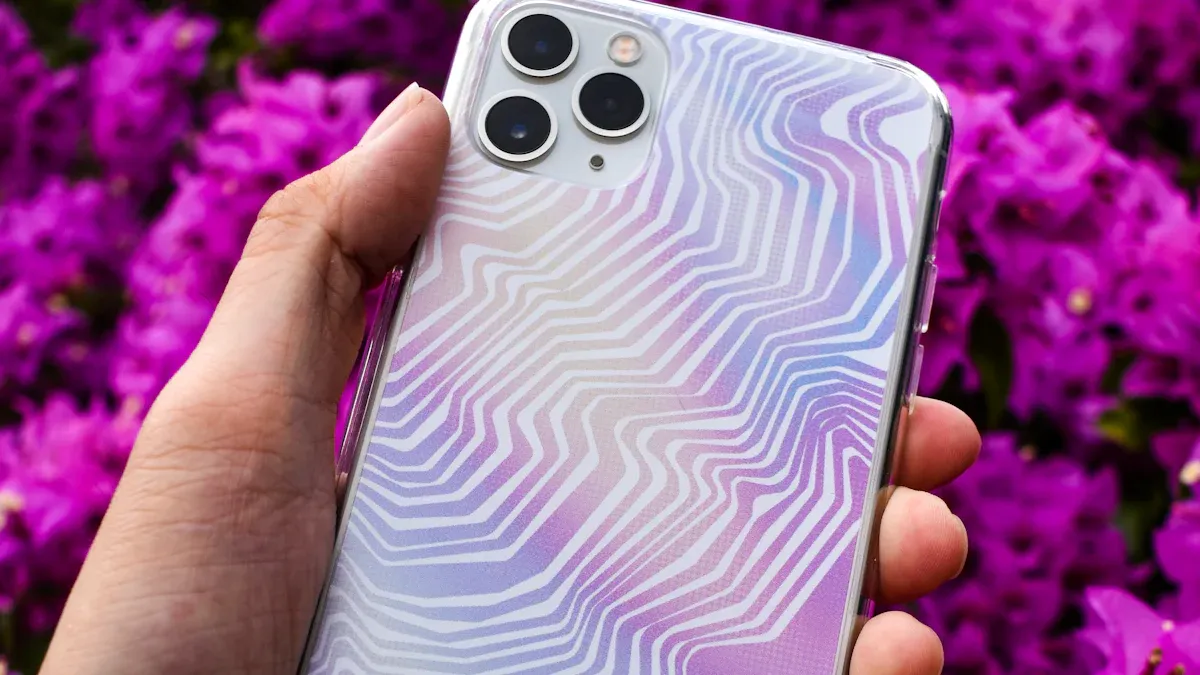
I see a massive opportunity in the phone cases export market right now. The global market for mobile and tablet cases is on track to jump from USD 14.24 billion in 2023 to USD 20.72 billion by 2031, showing strong growth. To succeed, I pay close attention to market trends, real export data, and new strategies like OEM/ODM, customization, and dropshipping. These tools help me build a business that stands out and meets changing customer needs.
Key Takeaways
- The phone cases export market is growing rapidly, projected to reach USD 20.72 billion by 2031. Stay informed about market trends to capitalize on this growth.
- Customization is key. Offer unique designs and materials to attract customers and meet their specific needs.
- Dropshipping can reduce costs and improve delivery times. Consider this model to streamline your export process.
- Stay updated on international regulations to avoid compliance issues. Understanding local laws is crucial for successful exports.
- Build a strong brand through quality assurance and excellent customer service. A memorable brand image fosters trust and loyalty.
- Monitor consumer preferences closely. Different regions have varying tastes, so adapt your products accordingly.
- Use key performance indicators (KPIs) to track your business progress. Focus on metrics like export volume and customer retention to gauge success.
- Continuous improvement is essential. Regularly seek customer feedback and analyze competitor strategies to enhance your offerings.
Key Insights for Phone Cases Export
Success Factors for Exporters
I have learned that success in the phone cases export business depends on several key factors. First, customization stands out as a major driver. Customers want unique designs, colors, and materials. I always offer a wide range of options to attract more buyers. OEM (Original Equipment Manufacturer) and ODM (Original Design Manufacturer) services also play a big role. These services allow me to produce phone cases under my client’s brand or create new designs based on their ideas. This flexibility helps me reach different markets and meet specific needs.
Dropshipping has changed the way I approach international sales. With dropshipping, I do not need to keep large inventories. I can ship products directly from the manufacturer to the customer. This reduces costs and speeds up delivery. I also focus on building strong relationships with reliable suppliers. Good communication and trust help me avoid delays and quality issues.
Tip: I always research my target market before launching new products. Understanding local trends and preferences helps me choose the right designs and features.
Common Challenges and Solutions
Exporting phone cases comes with its own set of challenges. One common problem I face is changing regulations in different countries. Each market has its own rules for product safety, labeling, and packaging. To solve this, I stay updated on international standards and work with partners who understand local laws.
Another challenge is competition. Many businesses enter the phone cases export market every year. To stay ahead, I focus on quality and customer service. I use feedback from buyers to improve my products. I also invest in better packaging to protect phone cases during shipping.
Shipping delays and high logistics costs can hurt my business. I solve this by choosing reliable shipping partners and planning my inventory carefully. I track shipments and communicate with customers about delivery times.
Branding and Differentiation
Branding makes a huge difference in the phone cases export industry. I have seen brands like bibercas stand out by offering unique designs and excellent customer service. A strong brand helps me build trust and loyalty among buyers. I use clear logos, attractive packaging, and consistent messaging to create a memorable brand image.
To differentiate my products, I focus on innovation. I introduce new materials, eco-friendly options, and limited-edition designs. I also offer customization, so customers can add their names or logos to the cases. This personal touch increases the value of my products and helps me win repeat business.
Note: In a crowded market, a strong brand and unique product features can set me apart from competitors.
Global Market Overview
Market Size and Growth
I have watched the phone case export market expand quickly in recent years. The demand for cell phones keeps rising, which pushes the need for protective cases even higher. North America and Europe lead the way in terms of import volume. These regions show steady growth each year. Asia, especially countries like China and Vietnam, has become a major hub for both manufacturing and exporting. The Middle East also shows strong interest, with buyers looking for both affordable and premium options.
I track market reports to stay updated on these trends. For example, I noticed that the global market for phone cases grows alongside the increase in cell phones sold worldwide. This connection helps me plan my business strategy and target the right regions.
Demand Drivers
Several factors drive the global demand for phone cases. First, people want to protect their devices from scratches and drops. Second, many buyers see phone cases as a way to express their personal style. I see that new phone models launch every year, which creates fresh demand for compatible accessories.
The rise in local demand for mobile accessories also shapes the export landscape. Retailers and importers in different countries look for unique designs and high-quality materials. I work closely with international importers who understand what their customers want. This partnership helps me adjust my product offerings and stay ahead of the competition.
Tip: I always pay attention to seasonal trends, such as back-to-school or holiday shopping periods, to boost my sales.
Consumer Preferences
Consumer preferences change quickly in this industry. I notice that buyers in North America prefer slim, minimalist cases, while European customers often choose eco-friendly materials. In Asia, bright colors and trendy patterns attract younger shoppers. The Middle East market values luxury and durability.
I use customer feedback and sales data to guide my product development. By offering a wide range of styles, I can meet the needs of different markets. I also keep an eye on the competitive landscape. Many brands compete for attention, so I focus on quality and innovation to stand out.
Phone Cases Export Data and Major Countries
Leading Exporters: Vietnam, China, South Korea
I have seen Vietnam, China, and South Korea become the top exporters in the phone cases market. These countries offer strong manufacturing capabilities and advanced technology. Vietnam has grown quickly because of its skilled workforce and competitive costs. China leads the world in production volume. I often choose suppliers from China because they provide a wide range of designs and materials. South Korea stands out for its focus on quality and innovation. I notice that many brands from South Korea use new materials and stylish designs to attract buyers.
When I compare these countries, I look at their strengths. Vietnam offers cost-effective solutions for large orders. China gives me access to high-volume export potential and fast turnaround times. South Korea helps me find premium products for markets that demand higher quality.
Tip: I always check the supplier’s certifications and production capacity before placing large orders.
Top Importing Regions
I track the main regions that import phone cases. North America and Europe buy the most products. Retailers in the United States and Canada want cases for the latest cell phones. European countries look for eco-friendly and stylish options. The Middle East has increased its demand for luxury and durable cases. Asia also imports phone cases, especially in countries with high cell phones usage.
Here is a table showing the top importing regions and their key preferences:
| Region | Key Preferences |
|---|---|
| North America | Latest models, durability |
| Europe | Eco-friendly, design |
| Middle East | Luxury, durability |
| Asia | Trendy, affordable |
I use this data to decide which products to promote in each region. I adjust my marketing strategy based on local trends and buyer needs.
Trade Volumes and Trends
Trade volumes for phone cases keep rising every year. I see that the growth in cell phones sales drives this increase. New phone launches create fresh demand for compatible cases. Vietnam and China ship millions of units each month. South Korea exports fewer cases but focuses on high-value products.
I watch for trends like eco-friendly materials and smart cases with added features. These trends shape the market and help me plan my product line. I also notice that dropshipping and online sales channels boost export volumes. Retailers and importers want fast delivery and flexible order sizes.
Note: Staying updated on trade volumes and market trends helps me make better business decisions.
Regulatory Considerations
When I export phone cases, I always pay close attention to regulatory requirements. Each country sets its own rules, but the European Union (EU) stands out for its strict standards. I learned early that meeting these regulations protects my business and builds trust with buyers.
I start by making sure my products meet safety standards. The EU requires that phone cases are safe under normal use. I check for any hazards, such as sharp edges or toxic materials. I also conduct risk assessments for every new product. This step helps me identify potential problems before they reach the market.
Proper documentation is essential. I keep detailed records, including conformity assessments and technical files. These documents prove that my products comply with regulations. I know that authorities can request these files at any time, so I keep them organized and up to date.
Market surveillance is another key area. Authorities in the EU often inspect products to ensure compliance. I prepare for these checks by maintaining high standards in my manufacturing process. I also label my products clearly. Each phone case includes instructions and information in the official language of the destination country. This helps customers use the product safely and meets legal requirements.
For exports to the EU, I appoint a responsible person based in the region. This representative handles compliance issues and communicates with local authorities. I also set up a product recall system. If a safety issue arises, I can quickly remove affected products from the market.
I work closely with my suppliers. I verify that they follow EU standards and provide the necessary certifications. Regular training for my staff ensures everyone understands compliance requirements. I focus on the General Product Safety Regulation (GPSR) and related safety protocols.
Failing to comply with regulations can lead to serious consequences. I have seen companies face fines, product recalls, and damaged reputations. To avoid these risks, I make compliance a top priority in my export strategy.
Here is a summary of the main regulatory considerations I follow:
| Regulatory Consideration | Description |
|---|---|
| Product Safety | Ensure products meet EU safety standards and are free from hazards under normal use. |
| Risk Assessment | Conduct thorough evaluations of potential risks associated with the product. |
| Compliance Documentation | Maintain proper documentation, including conformity assessments and technical files. |
| Market Surveillance | Be prepared for inspections and compliance checks by authorities. |
| Consumer Information and Labeling | Provide clear labeling and instructions in the official language of the destination country. |
| Appointing an EU-Based Responsible Person | Designate a representative within the EU to handle compliance issues. |
| Product Recall System | Implement a system for recalling products in case of safety risks. |
| Supplier Compliance Verification | Ensure third-party manufacturers comply with EU standards. |
| Training Staff on Compliance | Regularly train employees on GPSR requirements and safety protocols. |
| Consequences of Non-Compliance | Understand the potential penalties, including fines and product recalls, for failing to comply. |
Tip: I always review the latest regulations before entering a new market. Staying informed helps me avoid costly mistakes and keeps my business running smoothly.
Mobile Accessories Manufacturing and Customization

OEM/ODM Services
I rely on OEM and ODM services to expand my business in mobile accessories manufacturing. OEM lets me produce phone cases and other accessories under my client’s brand. ODM gives me the chance to create new designs based on my ideas or my client’s requests. I find that mobile accessories manufacturing with these services helps me offer a wide range of products. I can quickly respond to market changes and customer needs. When I work with experienced manufacturers, I get access to advanced technology and efficient production lines. This approach keeps my costs low and my quality high. I always check the manufacturer’s track record before starting a partnership. Good communication and clear agreements help me avoid misunderstandings.
Customization Trends
Customization has become a major trend in mobile accessories manufacturing. I see more customers asking for unique products that reflect their style. The latest trends include:
- Hyper-personalization in tech accessories. Many buyers want products that feel special and match their personality.
- Expansion of color-centric offerings. I notice that a wide range of colors attracts more customers and helps brands stand out.
- Consumer-led design customization. Some brands let buyers choose features or even design their own accessories. This builds loyalty and encourages creativity.
I use these trends to guide my product development. By offering more choices, I reach new markets and keep my customers happy. I also use digital tools to make the customization process easy and fun.
Tip: I always ask for feedback after launching new custom products. This helps me improve my mobile accessories manufacturing process.
Dropshipping and White Label Options
Dropshipping has changed the way I approach mobile accessories manufacturing. I do not need to keep large inventories. Instead, I ship products directly from the manufacturer to the customer. This saves money and reduces risk. Many of my clients prefer white label options. They can sell products under their own brand without investing in production. I work with manufacturers who offer flexible dropshipping solutions. This lets me test new products and enter new markets quickly. I make sure that my partners can handle fast shipping and quality control. Reliable dropshipping and white label services give me a competitive edge in mobile accessories manufacturing.
I always look for ways to improve my supply chain. By choosing the right partners, I keep my business agile and ready for new opportunities in mobile accessories manufacturing.
Pricing and Competitive Strategies
Global Price Benchmarks
I always keep an eye on global price benchmarks when exporting phone cases. Prices can vary a lot depending on the region and the type of product. For basic silicone cases, I often see prices range from $0.50 to $2.00 per unit in bulk orders. Premium cases, such as those made from leather or with advanced features, can reach $5.00 to $15.00 per unit. I use this information to set my own pricing strategy and stay competitive in the market.
Here is a simple table that shows average export prices for different types of phone cases:
| Case Type | Average Export Price (USD) |
|---|---|
| Basic Silicone | $0.50 – $2.00 |
| Hybrid/TPU | $1.50 – $4.00 |
| Leather/Premium | $5.00 – $15.00 |
Tip: I always compare my prices with those of top exporters from Vietnam, China, and South Korea to make sure I offer good value.
Factors Affecting Export Pricing
Many factors influence how I set export prices for phone cases. Material quality comes first. Cases made from high-grade materials cost more to produce. Design complexity also plays a role. Custom designs or cases with extra features, like kickstands or card holders, usually have higher prices.
Order volume affects pricing as well. Large orders often get better rates from manufacturers. Shipping costs can change the final price, especially when I export to distant markets. I also watch currency exchange rates. Fluctuations can impact my profit margins.
The demand for accessories for new cell phones often pushes prices up. When a popular model launches, I see a spike in orders and sometimes higher prices. I adjust my pricing to match these trends and keep my business profitable.
Competitive Positioning
I know that strong competitive positioning helps my business stand out. I focus on three main strategies:
- Quality Assurance: I never compromise on quality. Buyers trust my products because I use reliable materials and strict quality checks.
- Brand Differentiation: I build a unique brand image. My packaging, logo, and customer service all reflect my commitment to excellence.
- Market Responsiveness: I respond quickly to changes in the market. When new cell phones come out, I launch compatible cases right away.
Note: I always listen to customer feedback. This helps me improve my products and stay ahead of competitors.
By understanding global price benchmarks, the factors that affect export pricing, and how to position my business, I can compete successfully in the fast-moving phone case market. I keep learning and adapting to changes, especially as new cell phones and trends shape the industry.
Business Growth and Diversification
Market Entry Strategies
When I plan to grow my phone case export business, I always start by choosing the right market entry strategy. I have found that success depends on careful planning and understanding the market. Here are the steps I follow:
- Market Research: I study the target market to learn about consumer behavior and preferences. This helps me decide which products to offer and how to position my brand.
- Partnership Identification: I look for local distributors and sales teams who know the market well. Working with trusted partners makes it easier to reach new customers and handle local regulations.
- Leveraging E-commerce and Digital Marketing: I use online platforms to connect with international buyers. Digital marketing helps me promote my products and build brand awareness quickly.
Direct Exporting
I sometimes choose direct exporting when I want full control over my sales and customer relationships. I handle all the logistics, marketing, and after-sales service myself. This approach gives me higher profit margins and direct feedback from customers. However, it also means I must manage more risks and handle complex paperwork.
Distributor Partnerships
In other cases, I work with local distributors. These partners know the market and have established networks. They help me navigate local laws and customs. Distributor partnerships reduce my workload and speed up market entry. I focus on building strong relationships and clear agreements to ensure success.
Logistics and Supply Chain
Efficient logistics and supply chain management play a big role in my export business. I manage inventory levels carefully to avoid overstocking or running out of products. Accurate product information helps me respond quickly to changes in demand. When I launch new products, I often need faster deliveries from suppliers. This can make the supply chain more complex and affect product quality. I use a robust Product Information Management (PIM) system to keep everything organized. This system helps me reduce costs and improve efficiency. Good logistics allow me to deliver products on time and keep customers satisfied.
Tip: I always review my supply chain regularly. Small improvements can lead to big savings and better service.
Product Line Expansion
Expanding my product line helps me reach new customers and grow my business. I add new styles, materials, and features to my phone case collection. Sometimes, I introduce related accessories like screen protectors or charging cables. I watch market trends and listen to customer feedback before launching new products. This approach keeps my offerings fresh and competitive. By diversifying my product line, I reduce risk and create more opportunities for growth.
Note: I test new products in small batches first. This way, I can see what works before investing more resources.
Risk Management and Compliance
Tariffs and Trade Barriers
I always pay close attention to tariffs and trade barriers when exporting phone cases. Tariffs can raise my costs and reduce my profit margins. I have faced extra customs hurdles that make the export process more complicated. High tariffs sometimes stop me from entering profitable markets like the USA. I watch how countries like Vietnam and Malaysia respond to these challenges. The U.S. tariffs have forced many exporters to rethink their strategies, especially in electronics.
- Tariffs increase costs for exporters, leading to reduced profit margins.
- Exporters face additional customs hurdles, complicating the export process.
- High tariffs can deter businesses from entering lucrative markets like the USA.
To manage these risks, I use several strategies:
- I shift production to regional hubs to avoid tariffs.
- I explore new markets outside of the U.S. to maintain sales.
- I invest in local production facilities to bypass tariff barriers.
Tip: I always review tariff rates and trade policies before choosing a new export destination. This helps me avoid surprises and plan my pricing.
Quality and Certifications
Quality standards and certifications matter a lot in phone case exports. I make sure my products meet all the required standards before shipping. This helps me pass customs checks and build trust with buyers. I use certifications to show that my phone cases are safe and high-quality. Here are some important certifications I follow:
| Certification/Standard | Description |
|---|---|
| PVoC | A mandatory program ensuring products meet national standards for quality, safety, and environmental protection before export. |
| CoC | A document issued to confirm compliance with safety, quality, and security requirements, facilitating customs clearance. |
| SQM | Saudi Quality Mark, required for products exported to Saudi Arabia, demonstrating compliance with local standards. |
I always check which certifications are needed for each market. This helps me avoid delays and keeps my business running smoothly.
Note: I train my team to understand certification requirements. This reduces mistakes and improves our export process.
Intellectual Property
Protecting my intellectual property is crucial for success in international markets. I study local laws to understand how to safeguard my designs and brand. In China, I have seen many cases where brands lost their rights because they did not register properly. I make sure to register my trademarks and patents in every country where I sell.
- I learn about the legal frameworks in different countries to protect my products against counterfeiting.
- I use anti-counterfeiting measures and customs procedures to stop the import and export of fake goods.
- Protecting and maintaining intellectual property is crucial for a company’s success and growth.
- Companies should implement anti-counterfeiting measures and utilize customs procedures to prevent the import and export of infringing goods.
The legal framework for intellectual property protection includes both national and international laws. I use these laws to defend my innovations and brand identity. By staying informed and proactive, I keep my business safe from copycats and build a strong reputation.
Tip: I always consult with legal experts before entering new markets. This helps me avoid costly mistakes and protects my brand.
Measuring and Scaling Success
Key Performance Indicators
I always track my progress using clear key performance indicators (KPIs). These numbers help me see what works and what needs improvement. I focus on a few main KPIs for my phone case export business:
- Export Volume: I count how many phone cases I ship each month. This shows if my sales are growing.
- Revenue Growth: I watch my monthly and yearly sales numbers. Steady growth means my strategies work.
- Customer Retention Rate: I check how many buyers return for more orders. High retention tells me my products and service satisfy customers.
- Order Fulfillment Time: I measure how quickly I process and ship orders. Fast delivery keeps my clients happy.
- Return Rate: I track how many products come back due to defects or dissatisfaction. Low return rates mean good quality.
Tip: I review these KPIs every month. This habit helps me spot trends early and make smart decisions.
Scaling Internationally
When I want to grow my business beyond my home country, I plan each step carefully. I start by researching new markets. I look for regions with high demand and low competition. I also study local laws and customs to avoid surprises.
I often use these steps to scale internationally:
- Market Analysis: I gather data on target countries. I learn about consumer preferences and buying habits.
- Local Partnerships: I connect with distributors or agents who know the market. They help me reach customers faster.
- Adapting Products: I adjust my phone cases to match local tastes. Sometimes I change colors, materials, or packaging.
- Logistics Planning: I choose reliable shipping partners. I make sure my products arrive on time and in good condition.
Here is a table that shows my main focus areas when scaling:
| Step | What I Do |
|---|---|
| Market Analysis | Study trends and demand |
| Local Partnerships | Find trusted distributors |
| Product Adaptation | Customize for local preferences |
| Logistics Planning | Secure fast, safe shipping |
Continuous Improvement
I believe that success comes from always getting better. I ask for feedback from customers after every sale. Their opinions help me improve my products and service. I also watch what my competitors do. If they launch a new feature or design, I study it and see if I can do better.
I set aside time each month to review my business processes. I look for ways to save time or reduce costs. Sometimes I invest in new technology or training for my team. I also test new ideas in small batches before making big changes.
Note: I never stop learning. The phone case market changes fast. Staying curious and open to new ideas keeps my business strong.
I see real growth in phone cases export when I focus on market data and practical strategies. I stay informed about trends and adapt my approach to meet changing demands. To achieve long-term success, I use innovation and customization in my business.
- I map market and innovation opportunities to match my goals.
- I tailor sustainability efforts to boost profitability and efficiency.
- I study consumer preferences to create products with maximum impact.
Staying customer-focused helps me build a strong phone cases export business.
FAQ
What are the most popular materials for phone cases?
I often see silicone, TPU, and leather as the top choices. Silicone offers flexibility and grip. TPU gives extra protection. Leather appeals to buyers who want a premium look.
How do I choose the right supplier for phone cases?
I always check supplier reviews, certifications, and sample quality. I ask about production capacity and delivery times. Good communication helps me avoid misunderstandings.
Can I export phone cases with custom designs?
Yes, I can export custom designs using OEM or ODM services. I work with manufacturers who support customization. This helps me meet different market needs.
What is the minimum order quantity for exports?
Minimum order quantity depends on the supplier. I usually see numbers from 100 to 1,000 units. I always confirm this before placing an order.
How do I handle shipping and logistics for exports?
I partner with reliable logistics companies. I track shipments and keep customers updated. I use a product information management system to organize orders and reduce mistakes.
Are there special certifications needed for exporting phone cases?
Yes, I check the target country’s requirements. Some markets need certifications like PVoC, CoC, or SQM. I make sure my products meet all safety and quality standards.
Can I combine phone case exports with trade in cell phones?
Yes, I often bundle phone cases with trade in cell phones. This strategy helps me increase sales and offer more value to my customers.
How do I protect my phone case designs from being copied?
I register my designs and trademarks in each export market. I also use anti-counterfeiting measures and consult legal experts to protect my intellectual property.


 English
 Arabic
 Chinese (Simplified)
 Dutch
Dutch French
 German
 Italian
 Portuguese
 Russian
 Spanish