

Hybrid protection cases, PC material, TPU material
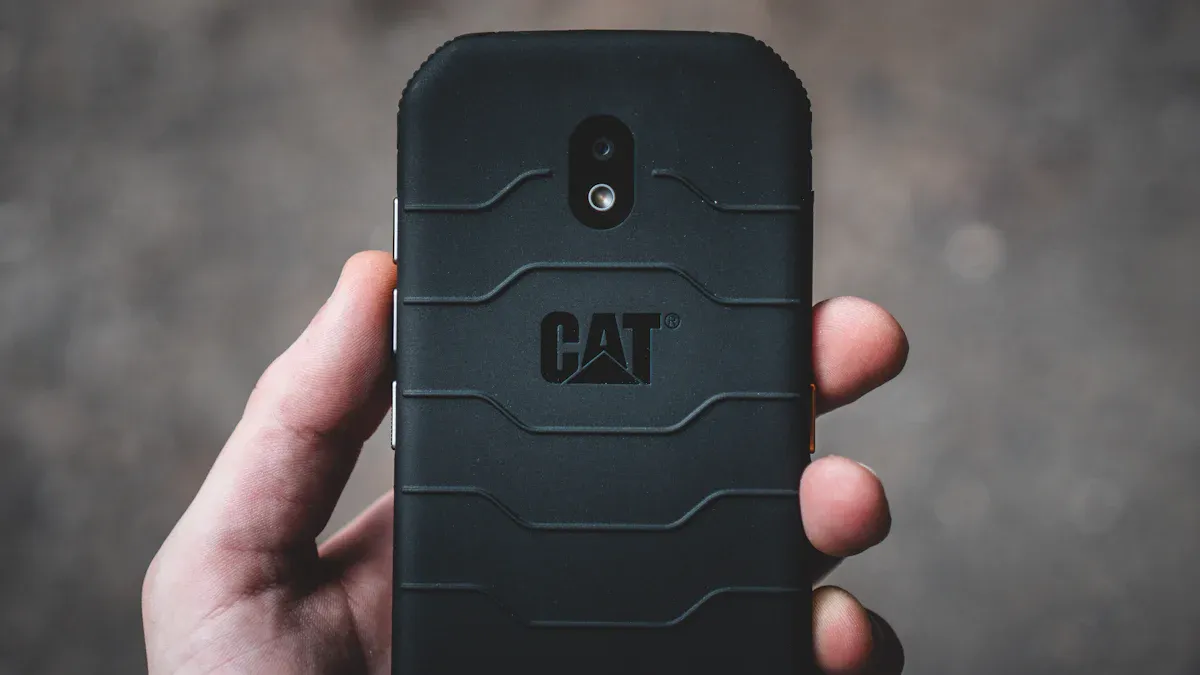
When I want to keep my phone safe, I pick hybrid protection cases. These cases are made from two main materials: PC and TPU. PC means polycarbonate, and TPU stands for thermoplastic polyurethane. I think knowing how these materials are different helps me choose the best case for my phone.
PC makes the case strong, and TPU makes it bendy and helps stop damage from drops.
Key Takeaways
- Hybrid protection cases use PC and TPU to keep your phone safe. These cases have two layers. The layers help stop shocks and protect your phone if you drop it. This lowers the chance of breaking your screen or frame. Pick a case with an anti-slip grip. Make sure you can reach the buttons easily. Raised bezels help protect the camera. Choose cases from brands you trust. Check if the case works with wireless charging. This makes using your phone easier. Clean your case often with mild soap and water. This helps your case stay clear and look new.
What Are Hybrid Protection Cases?
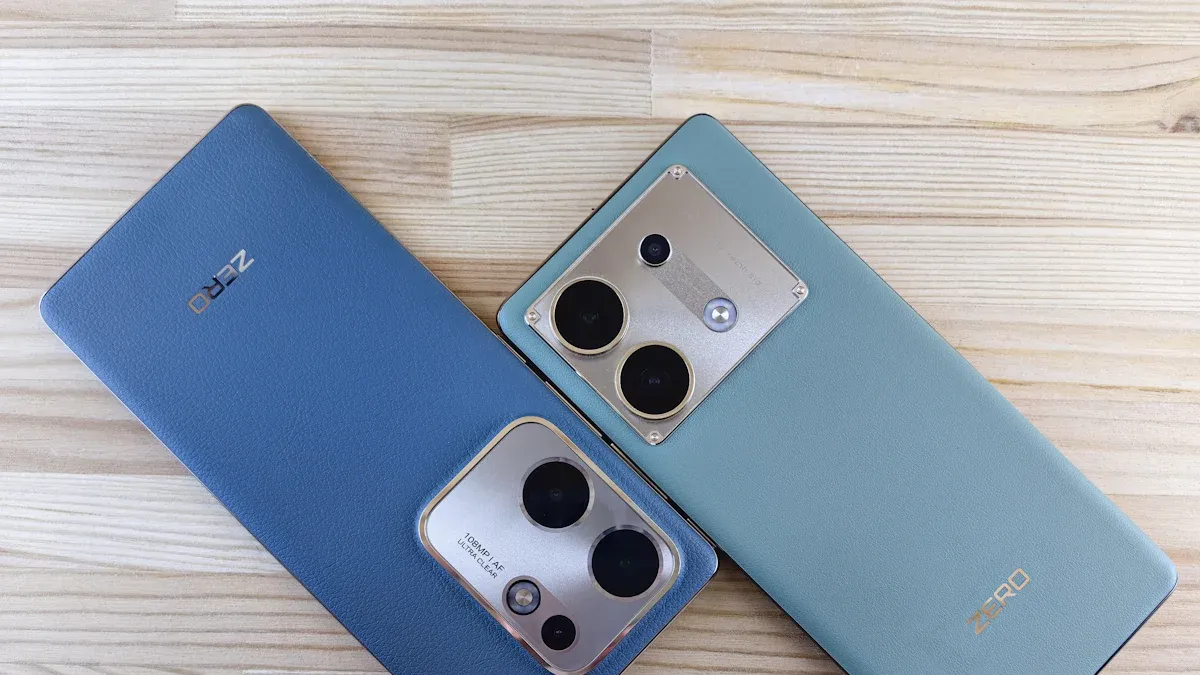
Dual-Layer Structure
When I want strong phone protection, I pick hybrid protection cases. These cases have two layers. The outside is polycarbonate. It feels hard and does not bend easily. The inside is TPU. TPU is soft and flexible. Both layers work together to protect my device.
The dual-layer design helps my phone survive drops. The hard PC shell spreads out the force. The soft TPU inside absorbs the shock. This keeps my phone safe. I see that this works better than single-layer cases. For example, hybrid cases lower the chance of screen cracks and frame damage. Here is a comparison:
| Case Type | Average Screen Crack Rate | Frame Damage Incidence | Camera Lens Protection |
|---|---|---|---|
| Single Layer TPU | 68% | 52% | Moderate (lens flush) |
| Double Layer Hybrid | 24% | 18% | High (raised bezel) |
Hybrid protection cases also keep my camera safe. The raised bezel around the lens stops it from touching surfaces. This helps prevent scratches. My photos stay clear.
I like that the dual-layer structure keeps my phone safe. It does not make my phone bulky.
Main Functions
Hybrid protection cases do more than protect from drops. They have many helpful features:
- Strong protection: The mix of hard plastic and soft silicone keeps my device safe from bumps and falls.
- Slim and lightweight: I can carry my phone easily because the case does not add much bulk.
- Anti-slip grip: The TPU layer gives me a better hold, so I drop my phone less often.
- Easy access: I can use all the ports and buttons without taking off the case.
Hybrid protection cases fix common problems. The frosted polycarbonate back stops fingerprints and smudges. My phone stays clean and looks new. The raised bezel around the camera keeps the lens safe from scratches. Some cases have reinforced corners that absorb extra impact.
Here is a table that shows some main features and their benefits:
| Feature | Description |
|---|---|
| Enhanced Durability | The case lasts longer and keeps its good looks. |
| Impact Resistance | It spreads out and absorbs shocks from drops. |
| Additional Features | Some cases have kickstands or wallet slots for more convenience. |
| Improved Grip | Textured edges help me hold my phone better. |
| Design Enhancements | Raised bezels and precise cutouts make the case more useful and protective. |
| Camera Protection | The raised lens bezel keeps the camera safe from scratches. |
| Fingerprint Resistance | The frosted back keeps my phone looking clean. |
Hybrid protection cases give me peace of mind. My phone stays safe. It looks good. It feels comfortable in my hand.
PC Material in Cases
What Is Polycarbonate?
I notice that polycarbonate, or PC, is used in many phone cases. This plastic feels hard and smooth when you touch it. To make polycarbonate, companies mix two chemicals called Bisphenol A (BPA) and phosgene. They use a special process called polymerization. This process connects the chemicals into long chains. That is how they make a strong and clear plastic.
- Polycarbonate is made from Bisphenol A (BPA) and phosgene.
- The chemicals join together in a careful way to make tough plastic.
- The finished material is light and strong at the same time.
Polycarbonate can be shaped into thin sheets or different forms. This is why it works well for the outside of hybrid protection cases.
Key Properties of PC
Polycarbonate has many features that help protect my phone. Here is a table that shows the most important ones:
| Property | Description |
|---|---|
| Impact Resistance | Up to 250 times stronger than glass. |
| Flexibility and Ductility | Bends without cracking, so it fits many designs. |
| Temperature Resistance | Works well from -40°C to 120°C. |
| Long-term Durability | Stays strong even after sun and weather exposure. |
I also found out that polycarbonate stops burning fast if it catches fire. This makes it safer for things like phones. It stays strong even when it gets hot for a long time. I feel safe using this material to protect my phone in many places.
PC’s Role in Protection
I pick cases with polycarbonate because it gives my phone a hard shield. This plastic is very strong and can handle hard hits. It helps stop bad damage if I drop my phone. Polycarbonate also keeps my case looking nice because it does not break easily.
Sometimes, polycarbonate can get scratched. To help with this, companies add a thin, hard layer on top. This layer makes the surface harder to scratch. I see polycarbonate used in car headlights and eyeglass lenses too. It looks like glass but is much stronger.
When I use hybrid protection cases, I know the polycarbonate layer keeps my phone safe from bumps, drops, and scratches. It also helps the case stay clear and look good.
TPU Material in Cases
What Is TPU?
I see TPU in many phone cases. TPU means thermoplastic polyurethane. This material feels soft and bends easily. I like that TPU mixes polyurethane and polyester. This mix makes the case stretchy and tough. Companies shape TPU in different ways. They use injection molding, extrusion, or 3D printing. TPU has a special structure. This makes it clear and strong. My phone case stays see-through and does not turn yellow. TPU is stretchy like rubber. It is also easy to shape like plastic. This is why it works well for phone cases.
- TPU mixes polyurethane and polyester for strength and stretch.
- It can be shaped by injection molding, extrusion, or 3D printing.
- The material stays clear and does not turn yellow.
- TPU works in hot and cold temperatures from -40°C to 120°C.
Key Properties of TPU
I pick TPU for my phone case because it has great features. Here is a table that shows why TPU is good for hybrid protection cases:
| Property | Description |
|---|---|
| Flexibility and elasticity | TPU bends and stretches without breaking. |
| Tensile strength | It can handle pulling and stretching. |
| Abrasion resistance | TPU resists scratches and daily wear. |
| Impact resistance | It absorbs and spreads out energy from drops and bumps. |
I like that TPU lets a lot of light through. My phone case stays clear and looks nice. TPU is flexible and strong. This helps my case last a long time.
TPU’s Role in Shock Absorption
I trust TPU to keep my phone safe from drops. The material works like a cushion. When I drop my phone, TPU soaks up the shock and spreads it out. This keeps my device safe. In tests, TPU does not bounce as much as some other materials like PEBA. But TPU still protects well from bumps and falls. Its stretchiness and flexibility help absorb shocks. I feel good using hybrid protection cases with TPU. They keep my phone safe from sudden hits.
PC + TPU in Hybrid Protection Cases
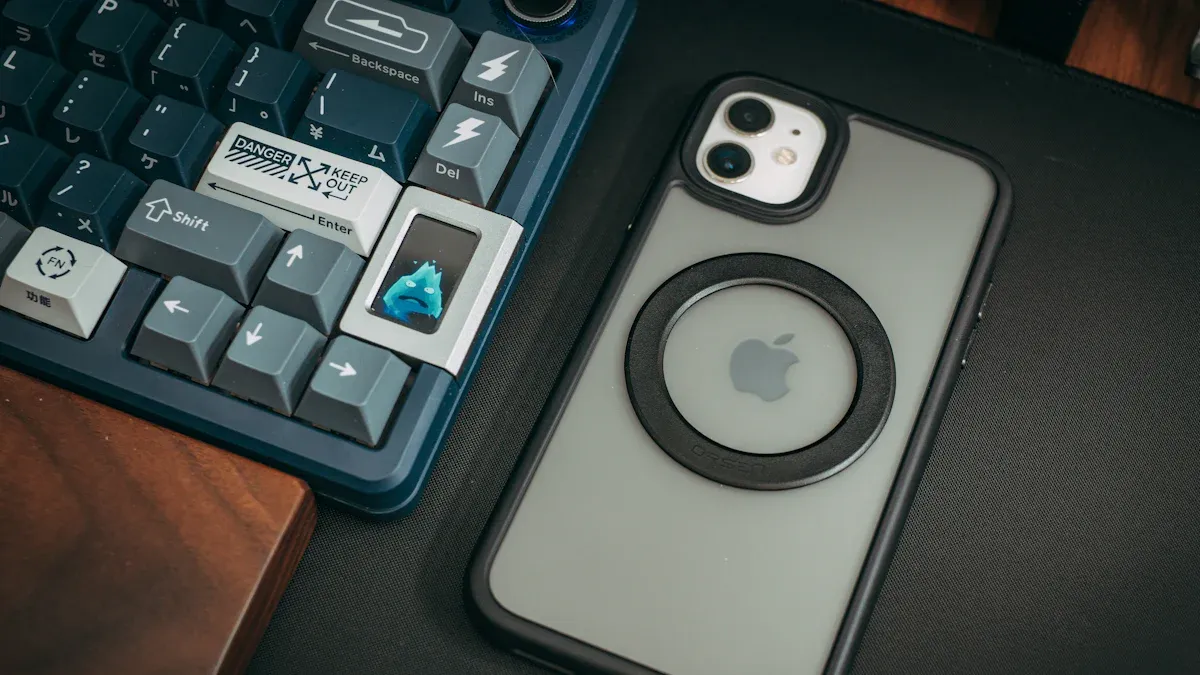
Material Synergy
When I look at hybrid protection cases, I see two materials working together. The soft TPU layer is inside the case. It acts like a cushion for my phone. If I drop my phone, the TPU takes in the shock and spreads it out. The hard polycarbonate shell is on the outside. It keeps the case strong and stops it from bending or breaking. The PC layer also helps stop scratches and keeps the case looking new.
Here is a table that shows how each material helps protect my phone:
| Material | Properties | Benefits |
|---|---|---|
| TPU | Excellent shock absorption, superior abrasion resistance, flexible construction | Absorbs kinetic energy from drops, easy installation without scratching devices |
| PC | High structural integrity, impact resistance, scratch-resistant surface | Prevents deformation, resists scratches, maintains appearance |
I see that using both materials protects my phone better than just one. The TPU layer keeps my phone safe from bumps and drops. The PC shell stops dents and scratches. I feel sure my phone is safe in my pocket or bag.
Hybrid protection cases also help my phone stay clear and clean. The polycarbonate layer does not turn yellow easily. It stays clear even when I use my phone outside in the sun. Some TPU layers have special things added to block UV light. This helps the case look new for a long time.
Typical Designs
I see many designs for hybrid protection cases. Most cases have a soft TPU layer inside and a tough polycarbonate shell outside. This design gives my phone extra drop and scratch protection. Some cases have clear backs with colored edges. Others have textured grips that make my phone easier to hold.
Here are some common features I find in these cases:
- Soft TPU inside for shock absorption
- Hard PC shell outside for extra strength
- Raised bezels to protect the camera and screen
- Textured sides for a better grip
- Stylish designs with clear or colored parts
These cases feel good in my hand. They do not make my phone heavy, but they keep it safe. The mix of materials also helps stop fingerprints and smudges. My phone stays clean and looks nice every day.
Pros and Cons of Hybrid Protection Cases
Advantages
When I use hybrid protection cases, I notice many benefits. These cases give my phone better safety than single-material cases. I see that the mix of a hard polycarbonate shell and a soft TPU layer works well. The hard shell keeps my phone from breaking, while the soft layer absorbs shocks from drops. I feel confident when I carry my phone in my pocket or bag.
I want to share a table that shows the main advantages, based on what I have read in reviews and seen in product tests:
| Advantage | Description |
|---|---|
| Superior Protection | These cases protect my phone from drops, shocks, and corner impacts better than silicone cases. |
| Multi-Material Design | The rigid shell and shock-absorbing inner layer work together for strong defense. |
| Performance in Crash Tests | Hybrid cases keep their shape and absorb energy better than single-material cases. |
| Cost-Effectiveness | I save money on screen repairs because my phone stays safe. |
I also like that hybrid protection cases often last longer. They do not wear out quickly. I find that they look good and keep my phone clean. Many cases have raised edges to protect the camera and screen. I think these features make them a smart choice.
Drawbacks
Even though I like these cases, I see some downsides. Hybrid protection cases can feel heavy and bulky. Sometimes, I notice that the corners scratch easily. I have pressed the volume button by mistake when I try to use the power button. This can be annoying.
Here are some common drawbacks I have found:
- The corners can scratch after some use.
- I sometimes press the wrong button because the case is thick.
- The case can block wireless charging, especially if it has metal parts.
- My phone can get warm because the case traps heat during charging.
Tip: I always check if the case supports wireless charging before I buy it.
I think about these points when I choose a case. I want to balance protection with comfort and ease of use.
Choosing the Right Hybrid Case
Assessing Needs
When I pick a case, I always think about how I use my phone. I look at who will use the device, what I need to protect, and where I will use it. I check if my phone has the latest system version. I also think about where I take my phone, like school, work, or outside. I want to make sure my case fits my daily life.
- I check who will use the phone and what they need.
- I look at the device’s location and system version.
- I think about where I use my phone most.
- I see if I need extra security, like Face ID or fingerprint unlock.
These steps help me choose a case that matches my needs.
Key Features to Consider
I always look for certain features when I shop for hybrid protection cases. I want my case to last and protect my phone well. Here is a table that helps me compare important features:
| Feature | Description |
|---|---|
| Material Durability | The case should not block MagSafe and should allow fast charging. |
| Button Responsiveness | I want buttons that feel easy to press and work every time. |
| Camera Protection | The camera ring must fit my phone’s lens and keep it safe from scratches. |
| Hybrid Construction | I look for a strong shell with soft edges to spread out the force from drops. |
| Air-Pocket Corners | Corners that compress on impact help protect my phone’s edges from damage. |
I also pay attention to price and brand. I trust brands like Spigen and OtterBox because they have a good reputation. These brands often cost more, but I feel they give better quality and protection.
Practical Tips
I learned some tips that help me avoid mistakes when I buy a case. I always test if the case fits well with my screen protector. I make sure the case edges are not too thick, so they do not lift the protector. Before I put on a new case, I clean my phone and use tape to remove dust. If my screen protector is too thick, I sand the edges or pick a thinner one. Sometimes, Face ID does not work if the protector blocks the sensor. I retrain Face ID to fix this.
Tip: I always check if the case supports wireless charging and fits my phone model before I buy it.
By following these steps, I find a case that keeps my phone safe and easy to use.
I found out that knowing about PC and TPU helps me choose good hybrid protection cases for my phone. The table below shows what each material is good and bad at:
| Material | Advantages | Drawbacks |
|---|---|---|
| TPU | Strong, absorbs shocks, lightweight | Might turn yellow, not very grippy |
| Polycarbonate | Very tough, thin, safe from sunlight | Not bendy, hard to hold |
These cases protect my phone and look nice too. When I buy a case, I pick sellers I trust and make sure it is safe. I feel ready to choose the right case.
FAQ
What is the main difference between PC and TPU in hybrid cases?
I see that PC feels hard and strong. TPU feels soft and flexible. PC protects against scratches and dents. TPU absorbs shocks from drops. Both work together to keep my phone safe.
Do hybrid protection cases make my phone too bulky?
I notice that most hybrid cases stay slim. They add a little thickness for better protection. My phone still fits in my pocket. I like that I get safety without too much bulk.
Can I use wireless charging with a hybrid case?
I always check if my case supports wireless charging. Most hybrid cases work well, but thick or metal parts can block charging. I test it before I buy.
How do I clean my hybrid protection case?
I use a soft cloth with water and mild soap. I wipe the case gently. I avoid harsh chemicals. This keeps my case clear and looking new.
Will the TPU part turn yellow over time?
Sometimes, I see TPU turn yellow after long use. Sunlight and heat can cause this. I pick cases with anti-yellowing features to keep them clear longer.


 English
 Arabic
 Chinese (Simplified)
 Dutch
Dutch French
 German
 Italian
 Portuguese
 Russian
 Spanish