

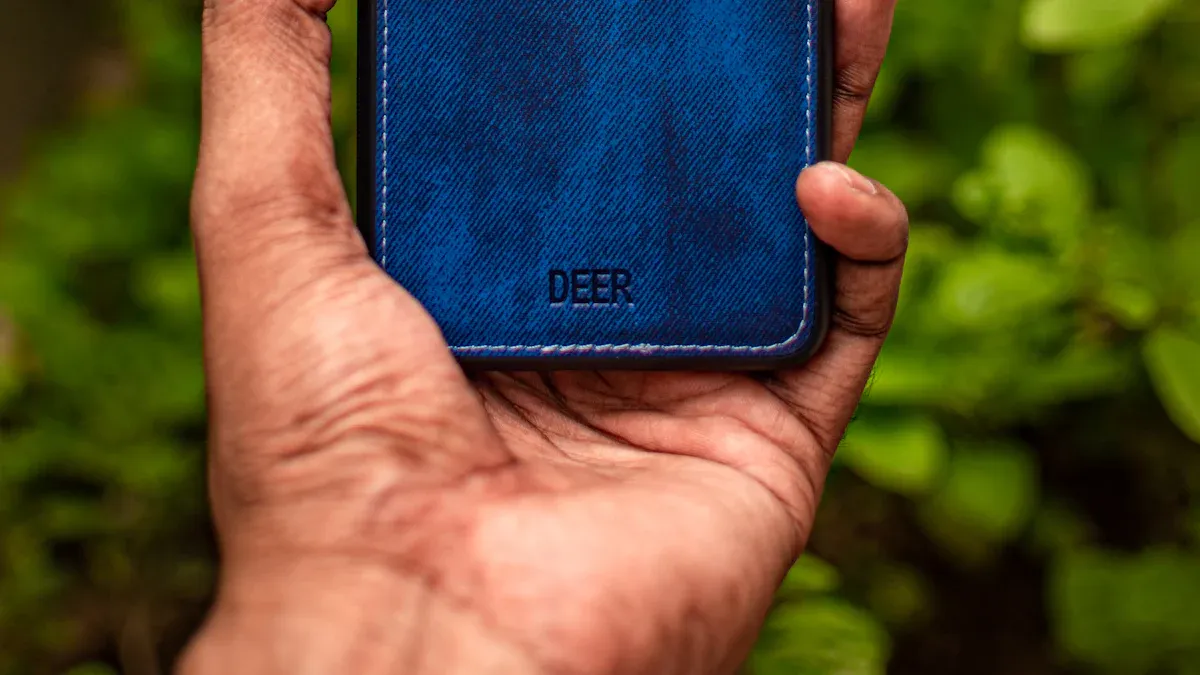
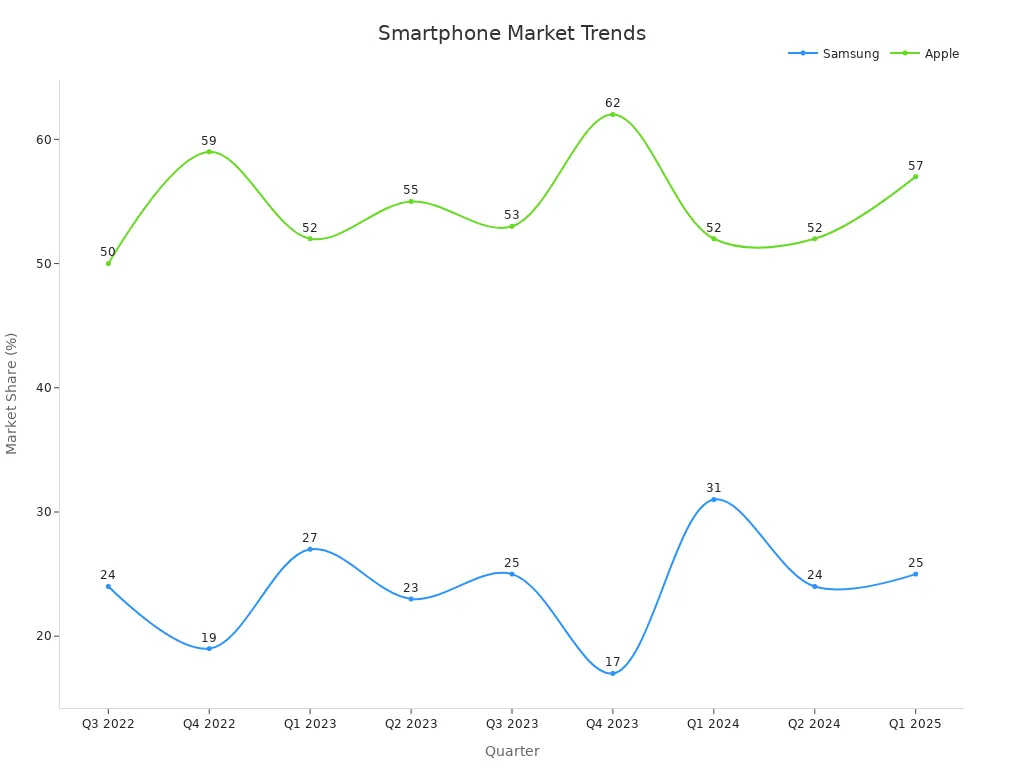
I get it—choosing the right phone case can feel overwhelming. I’ve dropped my own Samsung before, and that heart-stopping moment made me realize how much protection matters. With so many options out there, it’s easy to focus on style and forget about durability. Recent reports show Samsung’s market share slipping, especially in the premium segment, which means smartphone owners need to protect their investment more than ever.
When I shop for samsung phone cases, I always look at all the factors to consider while selecting a back cover: fit, materials, features, and how it matches my style. The right phone case keeps my device safe and lets me show off my personality, too.
Key Takeaways
- Always know your exact Samsung phone model before buying a case to ensure a perfect fit and avoid blocking cameras or ports.
- Choose a case with strong drop protection, like military-grade standards, to keep your phone safe from falls and damage.
- Consider water and dust resistance if you spend time outdoors; rugged cases offer better protection but may be bulkier.
- Pick materials that match your needs: silicone for grip and shock absorption, polycarbonate for durability, and leather for style.
- Check that the case allows easy access to buttons, ports, and supports wireless charging to avoid daily hassles.
- Match your phone case to your lifestyle—use rugged cases for outdoor activities and thin cases for work or casual use.
- Look for finishes and textures that improve grip and prevent slips, especially if you use your phone on the go.
- Read customer reviews and choose trusted brands to find durable, well-fitting cases with features you value.
Identify Your Samsung Model
Before I even think about picking out a phone case, I always make sure I know my exact Samsung model. Trust me, this step saves a lot of headaches. Samsung uses names like Galaxy S, Note, A, J, M, and Z for their phones. Each line has different sizes and features. Even phones in the same series, like the Galaxy S21 and S21 Ultra, have small differences. These changes might seem minor, but they can make a cover useless if it blocks a camera or doesn’t fit right. I learned this the hard way when I tried to use a Galaxy S20 cover on my friend’s S21. It just didn’t work.
Find Model Number
Device Settings
I usually start by checking my phone’s settings. Here’s how I do it:
- I swipe down and tap the gear icon to open Settings.
- I scroll to “About Phone.”
- I look for the “Model Number” or “Model Name.” It usually starts with “SM.”
- If I want more details, I search the model number online.
Physical Check
Sometimes, I can’t get into the settings, so I check the phone itself. I remove the cover and look at the back of my Samsung. The model number is often printed in small letters at the bottom. For older Galaxy phones with removable batteries, I take out the battery and check inside the compartment. The model number always starts with “SM.” I’ve also found the model on the original box or in the user manual.
Tip: If you have the Samsung Members app, you can log in and find your model under the “Support” tab. It’s super handy!
Use Compatibility Charts
Once I know my model, I never skip the compatibility check. I always look for a size compatibility guide or a chart on the retailer’s website. These charts show which samsung back covers fit each model. For example, a samsung galaxy s22 cover won’t fit a Galaxy S21, even if they look similar. The ports, buttons, and cameras might be in different spots. I’ve seen cases that block the USB Type-C port or cover the camera lens. That’s why I always double-check before buying.
| Model Name | Fits Samsung Galaxy S22? | Notes |
|---|---|---|
| Galaxy S22 | ✅ | Perfect fit |
| Galaxy S21 | ❌ | Slightly different size |
| Galaxy S22 Ultra | ❌ | Larger, different cameras |
| Galaxy S22+ | ❌ | Different dimensions |
I always use these charts to make sure my samsung back covers will fit my phone. This way, I avoid wasting money on a cover that doesn’t work. I want my samsung galaxy s22 to have the best protection and style, so I never skip this step.
Remember: Even a small difference in model or size can make a phone case useless. Always check before you buy!
Samsung Phone Cases: Protection Levels
Drop Protection
When I pick out samsung phone cases, drop protection always comes first for me. I have dropped my phone on concrete, tile, and even down the stairs. Each time, I felt grateful for a robust cover that saved my device from cracks and serious damage. Some cases, like the LifeProof FRĒ for Samsung Galaxy S7, meet military drop protection standards. This means they can survive drops from up to 6.6 feet. OtterBox cases go through even tougher tests, with up to 182 drops from four feet, hitting every edge and corner. That level of durability gives me peace of mind.
| Device Model | Case Type | Drop Protection Standard |
|---|---|---|
| Samsung Galaxy S7 | LifeProof FRĒ | MIL STD 810F-516 (6.6 ft drop) |
I always look for a phone case that promises shock absorption and reinforced corners. These features help increase durability and keep my samsung safe from unexpected falls. I avoid covers that feel flimsy or thin because they rarely offer enough protection. A robust, durable cover can mean the difference between a working phone and one with cracks or internal damage.
Tip: If you are clumsy like me, choose a protective case that meets military drop standards. It might add a little bulk, but it saves you from expensive repairs.
Water and Dust Resistance
I spend a lot of time outdoors, so I need samsung phone cases that can handle water and dust. Not all covers offer this kind of protection. Rugged cases usually have sealed designs, built-in port covers, and sometimes even full-body waterproof ratings like IP68. These features keep water and dust out, protecting my phone from damage during hikes, beach trips, or rainy days.
Here’s a quick comparison I use when choosing between rugged and thin cases:
| Case Type | Water Resistance | Dust Resistance | Bulk & Weight |
|---|---|---|---|
| Rugged Cases | Full-body waterproof (IP68) | 360° dust protection via sealed design | Bulky and heavy |
| Thin Cases | Not fully waterproof | Moderate dust sealing, no full sealing | Slim and lightweight |
Thin cases look sleek and feel light, but they do not protect against water or dust as well as rugged covers. I learned this when sand got into my charging port during a trip. Since then, I always use a robust cover for outdoor adventures.
Scratch Resistance
Scratches drive me crazy. Even small marks on my samsung screen or back make my phone look old. That’s why I always check if a phone case has raised edges or a tough outer shell. Rugged samsung phone cases usually have multi-layer designs that protect against scratches and cracks. Thin cases offer some scratch resistance, but they do not shield my device as well as a robust cover.
I also look for covers with textured finishes. These not only help prevent scratches but also give me a better grip. A durable cover keeps my samsung looking new and protects it from everyday damage, like keys or coins in my pocket.
Note: If you want to avoid scratches and cracks, pick a cover with raised edges and a tough exterior. It makes a big difference in long-term durability.
Rugged vs. Thin Cases
When I shop for samsung phone cases, I always face the big question: Should I go rugged or stick with something thin? Both types have their own strengths and weaknesses. I want to break down what I’ve learned from using both.
Rugged Cases:
These cases scream durability. I remember the first time I bought a rugged case for my Galaxy. It felt like armor. The thick layers, reinforced corners, and shock-absorbing materials gave me real confidence. I could drop my phone on concrete, and it would bounce back without a scratch. Rugged cases usually offer the highest level of protection. They often come with extra features like built-in screen protectors or port covers. I use a rugged case when I know I’ll be hiking, biking, or working outdoors. The downside? They add bulk and weight. Sometimes, my phone feels like a brick in my pocket.
Thin Cases:
Thin cases look sleek and feel light. I love how they show off the design of my Samsung. They slip easily into my pocket or bag. Most thin cases protect against scratches and minor bumps, but they don’t handle big drops well. I use a thin case when I want my phone to look stylish at work or when I’m going out. Thin cases usually don’t have built-in screen protectors or heavy-duty features. If you want to keep your phone slim and light, this is the way to go.
Here’s a quick table I made to compare the two:
| Feature | Rugged Case | Thin Case |
|---|---|---|
| Drop Protection | Excellent | Basic |
| Water/Dust Resistance | Often included | Rarely included |
| Bulk | Heavy | Lightweight |
| Style Options | Fewer | Many |
| Grip | Textured, secure | Smooth, sometimes slippery |
| Price | Higher | Lower |
Tip: If you have phone insurance, check the policy details. Some plans require you to use a protective case for full coverage. I always read the fine print before making a choice.
I switch between rugged and thin samsung phone cases depending on my plans. For travel or outdoor adventures, I grab the rugged one for maximum protection. For daily use or special events, I pick a thin case to keep things light and stylish. The right choice depends on your lifestyle and how much protection you need.
Materials and Build Quality
Silicone and Rubber
When I first started looking for a Samsung phone case, I noticed a lot of options made from silicone and rubber. These cases feel soft and flexible in my hand. I love how easy they are to grip, which helps me avoid dropping my phone in the first place. Silicone cases often come in bright colors and fun designs, so I can match my mood or outfit.
One thing I’ve learned is that silicone provides great shock absorption. If I drop my phone, the case cushions the impact. However, silicone can stretch out over time, especially if I take the case off and on a lot. Sometimes, dust sticks to the surface, which can be annoying. Rubber cases work in a similar way, but they usually feel a bit firmer. Both materials are good for everyday use, but they might not last as long as harder options.
Tip: If you want a case that feels soft and offers a secure grip, silicone or rubber is a solid choice. Just remember, these cases may lose their shape after a while.
Polycarbonate and Hard Shell
Polycarbonate cases caught my eye because they look sleek and modern. This material is one of the most durable materials used for phone cases. Polycarbonate feels rigid and strong, almost like armor for my phone. I like that it protects against drops and scratches without adding too much bulk.
Here’s a quick table I made to compare some popular case materials:
| Material | Durability & Build Quality | Extra Notes |
|---|---|---|
| Polycarbonate | Rigid, impact-resistant, highly durable, excellent protection | Common in bumper and hard shell cases |
| Silicone | Soft, flexible, shock-absorbing, can lose shape over time | Great grip, may attract dust |
| Leather | Durable, ages well, needs care, less shock-resistant | Premium look and feel |
Polycarbonate cases often have a hard shell design. I find these cases perfect when I want my phone to look sharp and stay safe. They don’t bend or flex, so they keep their shape even after months of use. Some cases combine polycarbonate with softer materials for extra shock protection.
Leather and Faux Leather
Sometimes, I want my phone to look classy and professional. That’s when I reach for a leather or faux leather case. Real leather feels soft and smooth, and it develops a unique look as it ages. I like how leather cases give my phone a premium vibe. They also offer a good grip, so my phone doesn’t slip out of my hand.
Faux leather is a great option if I want the look and feel of leather without the higher price. Both types resist scratches and wear, but real leather needs a little care to stay in top shape. I usually wipe it down and keep it away from water. Leather isn’t as shock-absorbing as silicone or polycarbonate, but it still protects my phone from everyday bumps.
If you want a case that stands out and feels luxurious, leather or faux leather is worth considering. Just remember, these cases may need more care than other types.
Hybrid Cases
When I want the best of both worlds, I always check out hybrid cases. These cases combine more than one material to give my Samsung phone extra protection and style. Usually, a hybrid case has a tough polycarbonate back and a soft rubber or silicone bumper. This mix helps absorb shocks from drops and keeps scratches away. I like how the hard shell protects against sharp objects, while the softer edges make it easier to grip.
One thing I notice with hybrid cases is the balance between bulk and safety. They do not feel as heavy as full rugged cases, but they offer more protection than thin silicone covers. I once dropped my phone on the sidewalk, and the hybrid case saved it from a nasty crack. The rubber corners took the hit, and the hard back stayed scratch-free.
Here’s a quick list of what I look for in a good hybrid case:
- Raised edges around the screen and camera
- Textured sides for better grip
- Clear or colored backs to show off my phone
- Easy-to-press button covers
Tip: If you want a case that looks slim but still protects your phone, try a hybrid case. It’s a smart choice for everyday use.
Hybrid cases come in many designs. Some have clear backs, so I can show off the color of my Samsung. Others add fun patterns or even glitter. I like having options that match my mood or outfit. The mix of material types also means these cases last longer and resist stretching or cracking.
Carbon Fiber and Others
Sometimes, I want my phone to stand out. That’s when I look at cases made from carbon fiber or other unique materials. Carbon fiber cases feel super light but stay very strong. I love the cool, textured look. It reminds me of sports cars and high-tech gear. This material resists scratches and does not add much weight to my phone.
Besides carbon fiber, I see cases made from wood, metal, or even fabric. Each material gives a different vibe. Wood cases feel warm and natural. Metal cases look sleek and modern, but sometimes they block wireless charging. Fabric cases feel soft and add a cozy touch. I like to switch things up depending on where I’m going or what I’m wearing.
Here’s a table I made to compare some of these special materials:
| Material | Weight | Look & Feel | Extra Features |
|---|---|---|---|
| Carbon Fiber | Very light | Textured, modern | High scratch resistance |
| Wood | Light | Natural, unique | Each case looks different |
| Metal | Heavy | Sleek, shiny | May block wireless charging |
| Fabric | Light | Soft, cozy | Easy to grip |
Note: Some special materials cost more, but they make your phone feel one-of-a-kind.
I always think about how each material fits my daily life. If I want something tough and stylish, carbon fiber is my go-to. For a softer or more natural look, I try wood or fabric. No matter what, I make sure the case fits well and protects my Samsung.
Samsung Galaxy Cases: Features
Button and Port Access
When I shop for a new case, I always check the button and port access first. I want to use my phone without any hassle. Some cases cover the buttons or make them hard to press. That drives me crazy. I look for cases with precise cutouts for the charging port, speakers, and headphone jack. If I use wired headphones or plug my phone into my car, I need easy access. I also test the side buttons. Good cases have raised or textured covers that feel natural. I can adjust the volume or turn off my screen without looking.
One time, I bought a case that blocked the USB-C port. I had to take the case off every time I wanted to charge my galaxy. That got old fast. Now, I always double-check the fit before I buy. Here’s a quick checklist I use:
- Can I plug in my charger and headphones easily?
- Do the buttons feel clicky and responsive?
- Is the camera cutout big enough for clear photos?
- Are the speaker holes lined up?
Tip: If you use accessories like docks or card readers, make sure the case leaves enough space around the ports.
Wireless Charging Support
Wireless charging is a must-have for me. I love dropping my galaxy on a charging pad and watching the battery fill up. Not all cases work with wireless charging, though. Some thick or metal cases block the signal. I always check the product description for wireless charging support. Most modern samsung galaxy cases mention this feature. If I use a wireless charger at home or work, I want a case that doesn’t slow things down.
I learned that thin cases and hybrid cases usually work best. Rugged cases sometimes cause problems, especially if they have metal parts. I test my case by placing my phone on the charger. If it starts charging right away, I know I picked the right one. If not, I try a different case.
Note: If you use wireless charging every day, pick a case that says “wireless charging compatible.” It saves you a lot of frustration.
Screen Protectors
I always worry about scratching my galaxy screen. That’s why I look for cases with built-in screen protectors or raised edges. Some samsung galaxy cases come with a clear plastic shield that covers the front. Others have a lip that keeps the screen from touching the table when I set my phone down. I like both options. They help prevent cracks and scratches from keys, coins, or drops.
Some people use a separate tempered glass protector. I do this too, especially if my case doesn’t have a built-in shield. I make sure the case and protector fit together without lifting at the corners. A good screen protector keeps my display looking new and bright.
Tip: If you want the best protection, use a case with raised edges and add a tempered glass screen protector. Your galaxy will thank you!
Tactile Button Covers
I always pay close attention to the button covers when I shop for a new case. Tactile button covers make a huge difference in how my phone feels. I want my buttons to feel clicky and responsive. If the case makes them stiff or hard to press, I get frustrated fast.
Some cases have raised button covers that match the shape of the real buttons underneath. I like these because I can find the volume or power button without looking. The best tactile covers give a satisfying “click” every time I press. I once bought a case with flat, mushy covers. I missed calls because I could not press the power button quickly. I learned my lesson.
Here’s what I look for in tactile button covers:
- Raised and shaped to match the real buttons
- Easy to press with one hand
- No delay or extra force needed
- Good feedback, so I know I pressed it
Tip: If you shop in a store, try pressing the buttons before you buy. If you shop online, read reviews about button feel.
Some premium cases even add texture or color to the button covers. This helps me find them by touch. I love when I can adjust the volume in my pocket without pulling out my phone. Tactile button covers might seem like a small detail, but they make using my phone much easier every day.
MagSafe and Accessory Compatibility
I noticed that more samsung galaxy cases now support MagSafe-like features. MagSafe started with Apple, but Samsung users want the same convenience. Some new cases have built-in magnets. These magnets let me snap on wireless chargers, wallets, or stands. I do not have to worry about lining things up perfectly.
Accessory compatibility matters to me. I use my phone for work and fun. Sometimes I want to attach a card holder or a ring grip. If my case supports these add-ons, I can switch accessories in seconds. I do not need to take off the case or struggle with sticky pads.
Here’s a quick table showing what MagSafe and accessory-ready cases can do:
| Feature | Benefit |
|---|---|
| Magnetic charging | Fast, easy wireless charging |
| Snap-on wallets | Carry cards without a bulky case |
| Car mount support | Secure hold while driving |
| Stand attachments | Watch videos hands-free |
Note: Not all Samsung phones or cases support MagSafe. Always check the product details before you buy.
I like to future-proof my phone setup. If I get a new accessory, I want my case to work with it. Cases with MagSafe-like compatibility give me more options. I can mix and match accessories to fit my day. This feature adds real value to my case and makes my phone more useful.
Select the Right Phone Case for Your Lifestyle
Work and Office
When I’m at work, I want my phone case to look professional and not draw too much attention. I usually pick a simple cover that matches my office style. For me, a basic phone case does the job. It protects my galaxy from small drops or bumps on my desk. I also need my case to work with office accessories like scanners or in-vehicle docks. I once bought a cover that blocked my charging port, and it made my workday harder. Now, I always check for easy access to all ports.
Cost matters, too. If I buy samsung back covers for my team, I look for cost-effective options. Bulk buying helps reduce breakage costs. I want everyone’s samsung galaxy s22 to stay safe without spending too much. Here’s a quick look at what I consider for work:
| Lifestyle | Design & Functionality Requirements | User Experience Considerations |
|---|---|---|
| Work (Office) | Basic cases sufficient; compatibility with accessories like scanners, POS readers, in-vehicle docks | Protection from minor drops; ease of use in office settings; cost-effective bulk purchasing to reduce breakage costs |
Outdoor and Sports
When I head outdoors or play sports, I need a phone case that can handle anything. I look for rugged covers with reinforced corners and raised bezels. These features protect my galaxy from drops, dirt, and water. I once dropped my samsung galaxy s22 on a rocky trail, but my rugged cover saved it from damage. I also like covers with rubber interiors and MIL-STD-810 drop protection. They give me peace of mind when I’m hiking or biking.
Hands-free options make life easier. I use a holster or a modular carry case when I want to keep my hands free. Some samsung back covers even come with built-in screen protectors. That way, my display stays safe from scratches and cracks. I also check if the cover works with biometric sensors and all my ports. Nothing ruins a day outside like a case that blocks my fingerprint scanner.
- Hands-free carry cases, like the PortaPocket Combo Kit, keep my phone secure and dry during workouts.
- Lightweight waist packs help me run or hike without worrying about my galaxy bouncing around.
- Screen protectors add another layer of defense against rough conditions.
Travel and Commuting
Traveling means my phone faces new risks. I want a phone case that balances protection and style. I pick covers that look good but also keep my samsung galaxy s22 safe from drops and spills. Water-resistant or waterproof covers are a must for me. I remember getting caught in the rain once, and my waterproof cover kept my galaxy dry.
Convenience matters when I travel. I like covers with card slots or wallet features. They let me carry my essentials without a bulky bag. Some samsung back covers even attach to waist packs or have straps for hands-free use. This makes airport lines and busy commutes much easier.
I also rely on portable Wi-Fi hotspots to stay connected. My phone case needs to fit in my bag or pocket without adding too much bulk. I always add a screen protector for extra safety. That way, my display stays clear and free from damage, even when I’m on the move.
Tip: Choose a phone case that matches your travel needs. Look for water resistance, hands-free options, and a slim design for easy carrying.
Grip and Finish
When I pick out a Samsung phone case, grip matters a lot to me. I have dropped my phone more times than I want to admit. A slippery case can turn a simple text into a disaster. I always look for a cover that feels secure in my hand. Some cases use textured patterns or rubberized sides. These features help me hold my phone, even when my hands get sweaty or I am on the move.
I remember buying a glossy case once because it looked cool. It slid off every surface and almost jumped out of my hand. I learned my lesson. Now, I check the finish before I buy. Matte finishes give a soft, non-slip feel. Textured cases add extra grip, which helps me avoid drops. Some cases even have ridges or small bumps for better control.
Here are a few finishes I have tried and what I think about them:
| Finish Type | Grip Level | My Experience |
|---|---|---|
| Matte | High | Feels soft, never slippery |
| Glossy | Low | Looks nice, but slides easily |
| Textured | Very High | Best for sweaty hands |
| Leather | Medium | Good grip, feels premium |
Tip: If you use your phone while running or commuting, pick a case with a textured or rubber finish. It makes a big difference.
I also pay attention to how the case feels in my pocket. Some finishes attract lint or dust. I avoid those because I do not want to clean my case every day. I want my phone to look good and stay safe, so grip and finish always come first for me.
Bulk and Portability
Bulk and portability play a huge role in my decision. I carry my phone everywhere—work, gym, and even on hikes. I do not want a case that turns my slim Samsung into a brick. Thin cases keep my phone light and easy to slip into my pocket. They work well for daily use and look stylish. I like how they do not add much weight.
Rugged cases offer more protection, but they add bulk. Sometimes, I need that extra safety, especially when I travel or do outdoor activities. I switch to a bulkier case when I know my phone might face rough conditions. For everyday life, I go back to a slim cover.
Here is how I compare my options:
- Thin Case: Light, easy to carry, fits in any pocket or bag.
- Hybrid Case: A bit thicker, but still portable. Offers more protection.
- Rugged Case: Bulky, heavy, but the best for drops and tough environments.
Note: If you wear tight jeans or carry a small purse, a slim case is your best friend.
Sometimes, I use a belt clip or a lanyard for extra portability. These accessories help me keep my phone close without filling up my pockets. I always think about my daily routine before I pick a case. If I need to travel light, I choose a thin, portable cover. If I want peace of mind, I do not mind a little extra bulk.
Style and Personalization
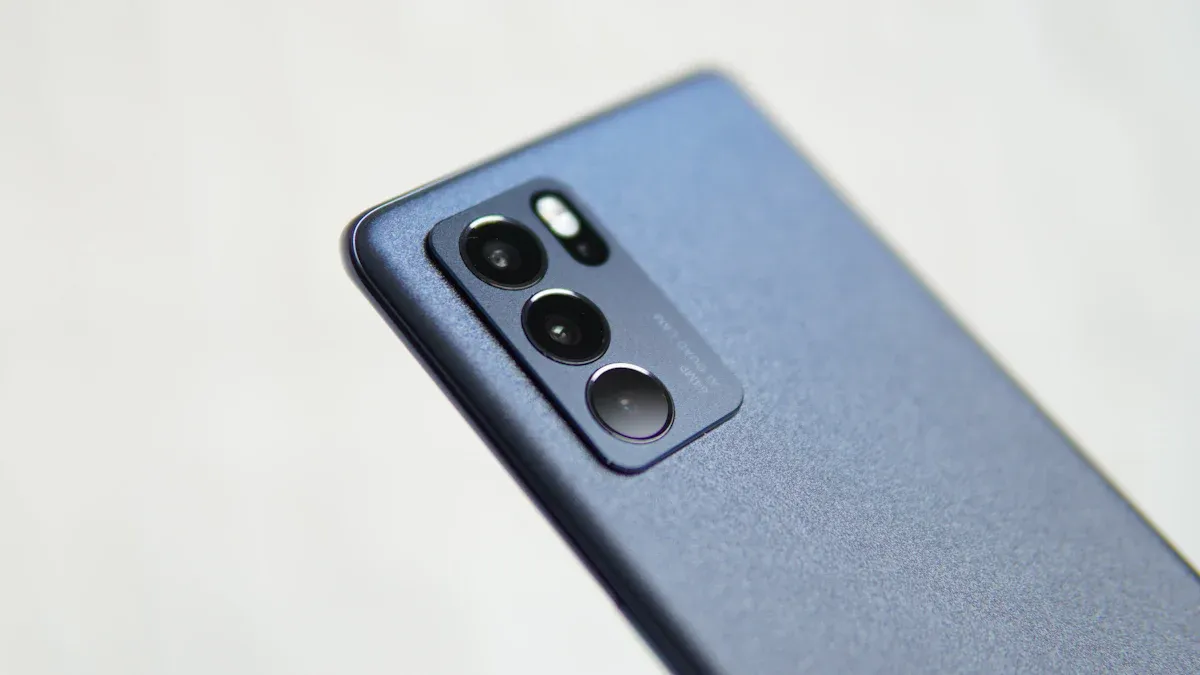
When I pick out a phone case, I want it to match my personality. I see my phone every day, so I want a cover that feels like me. I also notice that the right style can make my phone stand out or blend in, depending on what I want.
Colors and Patterns
Colors and patterns always catch my eye first. I love how a bright cover can show off my mood or make my phone easy to spot in my bag. Younger people, like my niece, always go for bold colors and wild patterns. She says it makes her phone case feel unique. I see a lot of brands offering covers with everything from neon shades to floral prints. Some even have cartoon characters or abstract art.
Market research shows that plastic and soft cases come in the widest range of colors and styles. These options appeal to all kinds of people. Professionals often choose darker or neutral tones, while students and teens pick vibrant designs. Here’s a quick look at what different groups prefer:
| Demographic | Popular Choices |
|---|---|
| Teens & Young Adults | Vibrant colors, creative patterns |
| Professionals | Leather, neutral or dark colors |
| Eco-conscious Consumers | Earth tones, recycled materials |
Tip: If you want your phone to reflect your mood or match your outfit, try a cover with a fun pattern or a pop of color.
Matte, Glossy, and Textured Finishes
The finish of a phone case changes how it feels and looks. I have tried matte, glossy, and textured covers. Matte finishes give a soft, non-slip grip. I like how they never show fingerprints. Glossy covers look shiny and catch the light, but sometimes they feel slippery. Textured finishes add grip and make my phone easier to hold, especially when my hands get sweaty.
Rubber and silicone covers often come in both matte and glossy finishes. I see that design-conscious customers love these options. A matte finish feels modern and subtle, while a glossy one stands out more. Textured covers are my favorite for busy days because they help me avoid drops.
Here’s a table that sums up what I’ve noticed:
| Finish Type | Look & Feel | Who Likes It Most |
|---|---|---|
| Matte | Soft, non-slip | Young adults, busy users |
| Glossy | Shiny, eye-catching | Trendsetters, style seekers |
| Textured | Grippy, unique | Active people, outdoor lovers |
I always check the finish before I buy a new cover. It makes a big difference in daily use.
Custom and Personalized Cases
Sometimes, I want a phone case that no one else has. Custom covers let me add my name, a favorite photo, or even a quote that inspires me. Many brands now offer easy online tools to create a one-of-a-kind cover. I once made a cover with my dog’s picture, and it always makes me smile.
Rubber and silicone cases are the most popular for custom designs. They are easy to print on and come in many colors. I see more people choosing eco-friendly materials, too. Some covers use recycled rubber or vegan leather. Market trends show that 60% of people would switch brands for a sustainable option. Social media campaigns make these eco-friendly covers even more popular.
If you want your phone to stand out, try a personalized cover. It’s a simple way to show your style and values.
I love how a custom phone case can turn my device into something special. Whether I want a bold pattern, a soft matte finish, or a cover with my own design, there’s always an option that fits my style.
Price, Brand, and Reviews
Budget vs. Premium
When I shop for a Samsung phone case, price always catches my eye first. I see cases that cost just a few dollars, and others that go for fifty or more. I ask myself, “Is it worth paying more?” I’ve learned that the answer depends on what I want from my case. Budget cases protect against scratches and small drops. They work well if I change my style often or just need something simple. Premium cases, though, offer more. They use better materials, last longer, and sometimes come with extra features like built-in stands or eco-friendly designs.
I notice that more people want high-quality, customizable, and eco-friendly cases. This trend makes some of us willing to pay a bit more for something special. For example, OtterBox’s Eco Series uses 50% recycled materials. Casetify lets me design my own case with 3D printing. These options cost more, but I feel good about my purchase. I also see that economic and environmental concerns shape what people buy. Some friends look for the best deal, while others want a case that matches their values.
Here’s a quick table I use to compare budget and premium cases:
| Feature | Budget Case | Premium Case |
|---|---|---|
| Price | Low | Higher |
| Durability | Basic | Excellent |
| Customization | Limited | Advanced |
| Eco-friendly Options | Rare | Often available |
Brand Reputation
Brand reputation matters to me. I trust brands that have a strong connection with their customers. According to a recent survey, Samsung scores higher than Apple in emotional connection, with a 74 rating compared to Apple’s 70. This trust makes me feel confident when I buy Samsung accessories, including phone cases. I look for brands that focus on quality, familiarity, and customer satisfaction. These factors help me decide if a case is worth the price.
I see that leading brands like OtterBox and Casetify stand out because they offer durable, sustainable, and customizable cases. They listen to what customers want. I notice that when a brand has a good reputation, I am more likely to consider their products, even if they cost a bit more. I want to know that my case will last and protect my phone.
- I check if the brand uses recycled materials.
- I look for brands that offer a warranty or guarantee.
- I pay attention to how the brand responds to customer feedback.
Customer Reviews
Before I buy any phone case, I always read reviews. I want to know what other people think. Product reviews help me spot problems that I might not notice in the store. I look for comments about fit, durability, and how easy it is to use the buttons and ports. If I see lots of positive reviews, I feel more confident in my choice.
Sometimes, I find reviews that mention issues with wireless charging or the case blocking the camera. These details save me from making a mistake. I also check for photos from real customers. They show me how the case looks after weeks or months of use. I trust reviews from people who have the same phone model as me.
Tip: Always read a few reviews before you buy. Look for patterns in what people say, not just one good or bad comment.
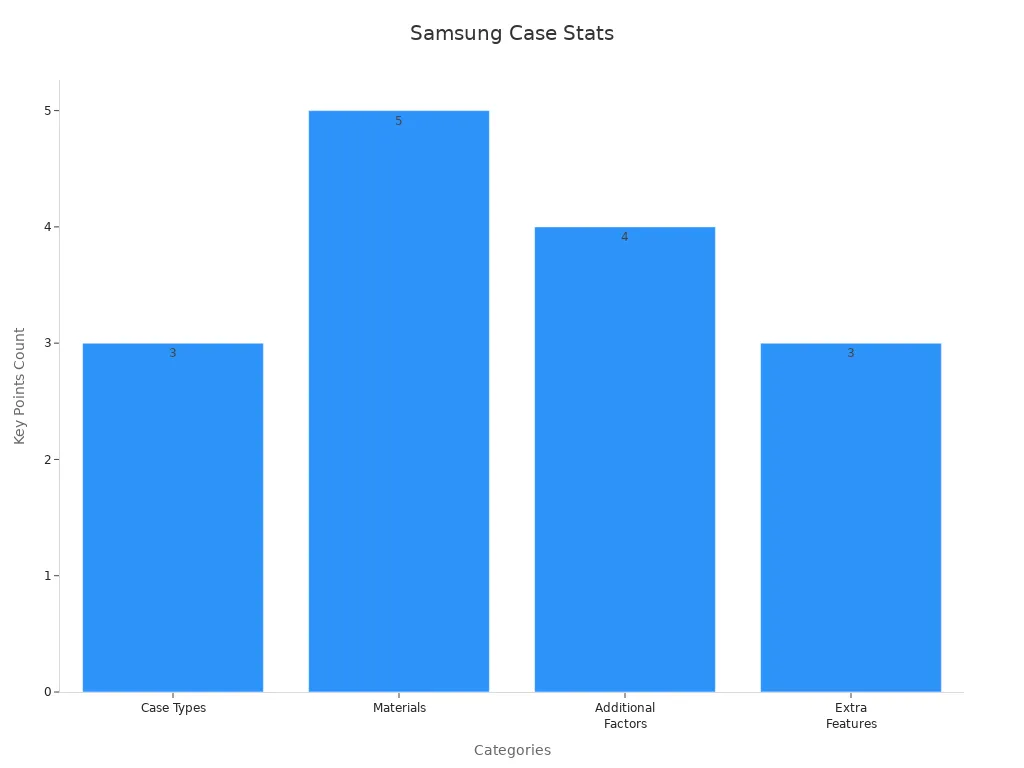
Choosing the perfect Samsung phone case feels easy when I break it down step by step. I start by checking my model, then think about how much protection I need. I look at materials, features, and style. Price and brand matter, too. Here’s a quick summary:
| Category | Key Points |
|---|---|
| Case Types | Lightweight, robust, wallet-style |
| Materials | Silicone, polycarbonate, leather, faux-leather, carbon fibre |
| Additional Factors | Compatibility, design, brand reputation, reviews |
| Extra Features | MagSafe, kickstand, magnetic mounts |
- I match the case type to my lifestyle.
- I pick materials that balance protection and style.
- I always check for a snug fit and cool features.
With the right case, I get peace of mind and show off my personality. What’s your favorite Samsung case? Share your tips or stories in the comments!
FAQ
How do I clean my Samsung phone case?
I usually take the case off and wash it with mild soap and warm water. I use a soft cloth or a toothbrush for tough spots. I let it air dry before putting it back on my phone.
Can I use a wireless charger with any phone case?
Not every case works with wireless charging. I always check the product description. Thin and non-metal cases usually work best. If my phone doesn’t charge, I try a different case or remove it while charging.
Will a thick case affect my phone’s signal?
I’ve noticed that most cases don’t affect signal strength. Metal cases sometimes cause problems. I stick with plastic, silicone, or hybrid cases to avoid any issues with Wi-Fi, Bluetooth, or cellular reception.
How often should I replace my phone case?
I replace my case if I see cracks, stretching, or loose edges. I also swap it out if it gets too dirty or loses its grip. For me, a fresh case every year keeps my phone looking and feeling new.
What should I do if my case blocks the camera or ports?
If my case blocks the camera or ports, I stop using it right away. I double-check the model compatibility before buying a new one. I always look for precise cutouts in the product photos and reviews.
Are eco-friendly Samsung cases durable?
I’ve tried a few eco-friendly cases made from recycled materials. They hold up well for daily use. I check for reviews about durability before buying. Many brands now offer sturdy, sustainable options that protect my phone and the planet.


 English
 Arabic
 Chinese (Simplified)
 Dutch
Dutch French
 German
 Italian
 Portuguese
 Russian
 Spanish