

How to Choose the Best Phone Case with Screen Protector for Your Device in 2026
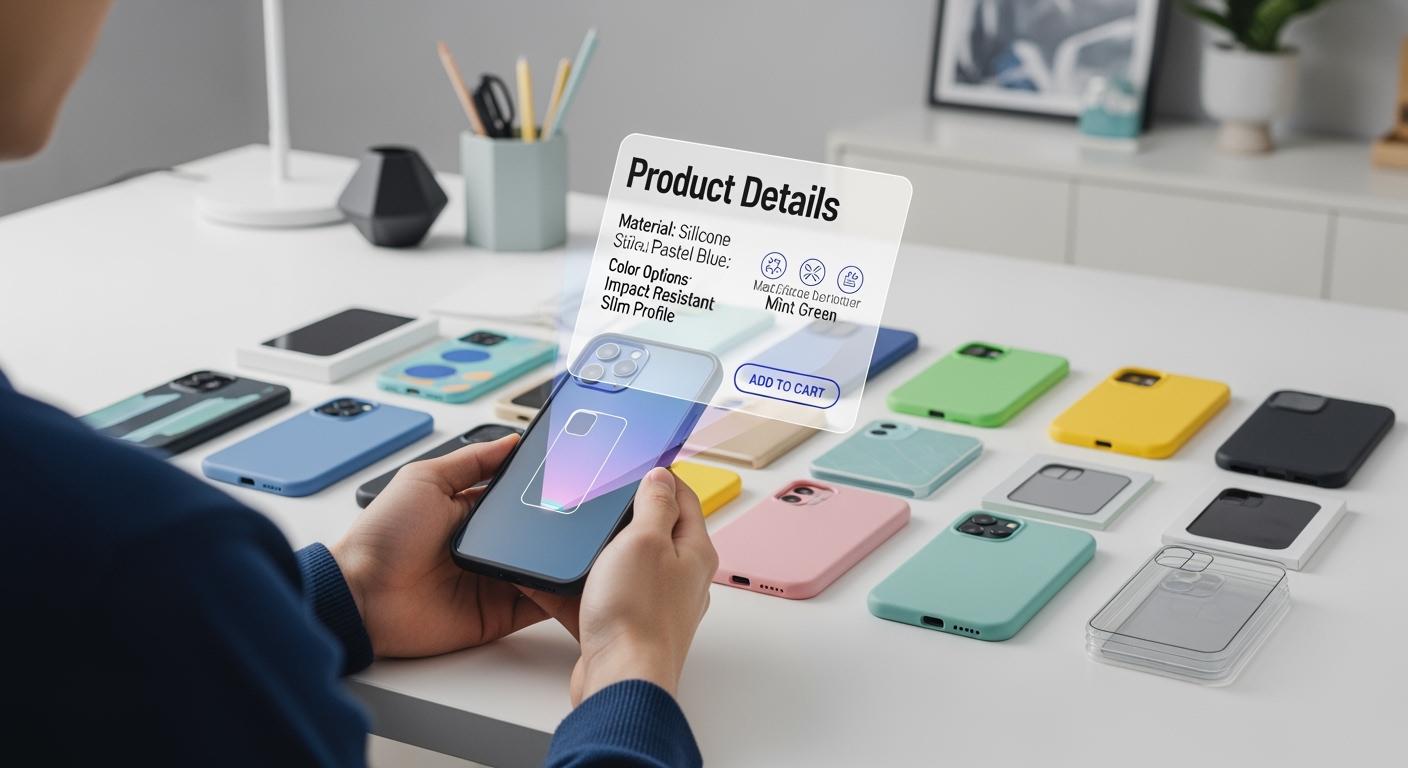
I always look for a phone case with a screen protector that fits my device perfectly. Protection matters most to me. I want my phone safe from drops and scratches. Compatibility is key. If the case does not match my model, it will not work. I also consider how my phone fits my daily life. I love when style, usability, and durability come together. Screen protectors with anti-blue light technology help my phone last longer. They keep the screen safe and reduce eye strain. Choosing the right screen protector,phone case gives me peace of mind.
Key Takeaways
- Always make sure the case fits your phone. A good fit lets you use all buttons and ports.
- Pick cases with military-grade protection. These cases can handle big drops and keep your phone safe.
- Get a screen protector that covers the whole screen. This stops scratches and cracks on the edges.
- Think about your daily life when picking a case. Slim cases look nice, but rugged cases protect more for active people.
- Read reviews to find good brands. Other people’s feedback helps you avoid cases that break or don’t fit.
- Use a tempered glass screen protector with your case. This gives your phone the best protection from drops and scratches.
- Make sure your case works with wireless charging. Slim cases usually work better than thick ones.
- Buy cases made from good materials like TPU or silicone. These materials absorb shocks and help you hold your phone better than hard plastic.
Protection and Compatibility
Why Fit Matters
I always check if a phone case fits my device before buying. A precise fit keeps my phone safe and makes sure I can use all the buttons and ports. I do not want a case that blocks the camera or makes charging hard. When the case fits well, it stays in place and protects my phone from bumps and scratches. I learned that a snug fit also keeps dust out and stops the case from slipping off. Here’s a quick look at why fit matters:
| Feature | Description |
|---|---|
| Compatibility | Designed for your device model, so the case does not block controls, ports, or the camera lens. |
| Protection | Soft silicone or TPU gives multi-layer defense against scratches, bumps, dust, and drops. |
| What it solves | Stops cosmetic and functional damage. Keeps full device use without removing the case. |
Drop and Impact Protection
I want my phone case to handle drops. I have dropped my phone more times than I can count. In 2026, phone cases come with military-grade protection. Some cases have shock-absorbing corners and reinforced frames. I saw cases that survive drops from heights up to 23 feet. That is wild! ESR’s Cyber Tough case uses three layers: an inner lining for cushioning, a soft shell for shock absorption, and a hard shell for impact dispersion. Even with all this protection, the case stays slim. I like that because bulky cases feel awkward in my pocket.
Tip: Look for cases with a raised lip. This feature keeps the screen safe if you drop your phone face-down.
Here are the most common types of damage a phone case with a screen protector can prevent:
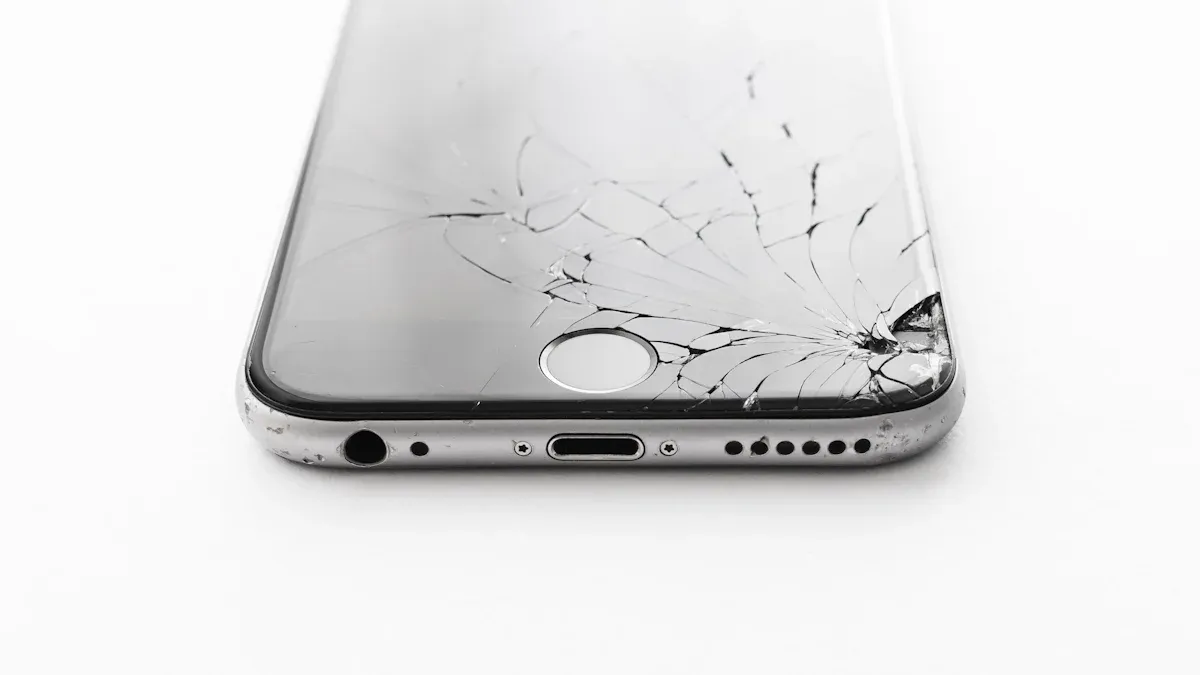
- Impact trauma, like a shattered screen, is a big problem. I want to avoid trips to the repair shop.
- Scratches on the screen are easy to prevent with a screen protector.
- Adhesive screen protectors shield against direct force but do not protect against impacts from the sides or corners.
Common Compatibility Issues
I have run into compatibility issues before. Sometimes, the screen protector does not cover the whole screen. Other times, the phone case blocks the buttons or makes wireless charging impossible. I learned that different phone models have unique shapes and button placements. If the case or screen protector is not made for my device, it will not protect well.
Here are some frequent compatibility problems:
- Screen protectors may not protect against impacts from the sides or corners.
- Adhesive screen protectors work for direct force but have limits.
- Using a tempered glass screen protector with a phone case gives better protection.
I always choose cases made from shock-absorbent materials like TPU or silicone. These materials protect the corners, which are the most vulnerable spots. Not all screen protectors are equal. Cheaper ones do not last long. Tempered glass protectors are tough and worth the extra money.
Types of Phone Cases
Slim vs. Rugged
I always notice two main types of phone cases in stores: slim and rugged. Slim cases feel light and easy to carry. They fit in my pocket without making my phone bulky. I like slim cases when I want to show off my phone’s design. Rugged cases look tough. They protect my phone from big drops and rough handling. I use a rugged case when I travel or go hiking. It gives me peace of mind. Here’s a quick comparison:
| Case Type | Pros | Cons |
|---|---|---|
| Slim | Lightweight, stylish, easy grip | Less drop protection |
| Rugged | Heavy-duty, shock absorbent | Bulky, less stylish |
Tip: If you drop your phone often, a rugged case is a smart choice. If you want a sleek look, go for a slim case.
Wallet and Clear Cases
Wallet cases help me carry cards and cash with my phone. I use them when I don’t want to bring a wallet. They fold over the screen and add extra protection. Sometimes, wallet cases feel bulky, but they make life easier. Clear cases let me show off my phone’s color and logo. I like clear cases because they keep my phone looking new. They are usually slim and lightweight. I use a clear case when I want simple protection and style.
- Wallet cases: Great for people who want to combine their phone and wallet.
- Clear cases: Perfect for those who want to display their phone’s design.
Built-In Screen Protection
Some phone cases come with a built-in screen protector. I tried these before. They save me time because I don’t need to buy a separate screen protector. Built-in protectors usually cover the whole screen. They help prevent scratches and keep my phone safe from dust. I learned that tempered glass screen protectors work better than plastic ones. A 9H hardness rating keeps the screen clear and strong. Built-in protectors do not always protect against impacts from the sides or corners. I use a phone case with a built-in screen protector when I want quick and easy protection.
- Built-in screen protectors: Convenient, cover the screen, good for scratch resistance.
- Separate screen protectors: Offer more choices, tempered glass gives better protection, especially with a 9H hardness rating.
Note: I always pair a screen protector with a phone case for the best protection. Screen protectors alone cannot stop damage from big drops.
I choose my case based on my needs. Sometimes, I want style. Other times, I need strong protection. I always check if the case fits my phone and works with my screen protector.
Screen Protector Options
Tempered Glass vs. Film
I always ask myself if I want a tempered glass or a film screen protector. Tempered glass feels strong and smooth. It reminds me of the real phone screen. I like that it can handle drops and sharp objects. When I use tempered glass, I do not worry about keys or coins in my pocket. It also resists fingerprints and smudges. Film protectors feel thin and flexible. They are easy to put on and do not add weight. I use film when I want basic scratch protection. It works well for light use. If I want the best defense, I pick tempered glass. If I want something light and simple, I go with film.
Tip: I always check if the screen protector covers the whole display. Some only cover the flat part and leave the edges open.
Privacy and Specialty Protectors
Sometimes, I want to keep my screen private. Privacy screen protectors help with that. They block people from seeing my screen from the side. I use one when I travel or work in public places. It keeps my messages and photos safe from prying eyes. Specialty protectors offer more features. Some reduce glare with a matte finish. Others heal small scratches on their own. I like that they stay clear and smooth, even after months of use. These protectors feel light and do not make my phone bulky. I can still use my phone case without any problems. Touch sensitivity stays high, so I do not notice a difference when I tap or swipe.
Here’s a quick look at what privacy and specialty protectors offer:
| Feature | Description |
|---|---|
| Blocks side-angle viewing | Only I can see my screen, which helps in public places. |
| Maintains screen clarity | The screen looks clear when I look straight at it. |
| Reduces glare | Matte finish cuts down on reflections, making it easier to see outside. |
| Self-healing properties | Small scratches fade away over time, so the protector lasts longer. |
| Lightweight design | At just 0.15mm, it protects without adding bulk. |
| High touch sensitivity | I can use my phone as usual, with no lag or missed touches. |
Coverage and Sensitivity
I always check how much of my screen the protector covers. Full-coverage protectors shield the entire front, including curved edges. I like these for extra safety. Some protectors only cover the flat part. I avoid those because the edges stay exposed. Sensitivity matters to me. I want my phone to respond fast when I tap or swipe. Good screen protectors do not slow me down. I test this by typing a quick message or playing a game. If the screen feels sticky or slow, I try a different brand. I always pair my screen protector with a phone case for the best protection. This combo keeps my device safe from drops, scratches, and prying eyes.
Matching to Your Lifestyle
For Adventurers
I love exploring the outdoors. My phone goes everywhere with me. I need a case that can handle dirt, water, and drops. I look for full protection. I want my phone safe from every angle. I also want a strong screen protector that does not crack easily. I do not like cases that make my phone heavy or hard to carry. I want something light and easy to install. Here is what I check before I buy:
| Feature | Description |
|---|---|
| Full Protection | Covers the whole phone, including the screen, camera, and back. |
| High-Tension Tempered Glass | 9H hardness keeps the screen safe from shocks and scratches. |
| Minimal Bulk | Stays light and easy to carry in my pocket or bag. |
| Easy Installation | Goes on fast with no bubbles or fuss. |
Tip: I always test the case by dropping my phone on a soft surface first. This helps me feel sure about the protection.
For Everyday Use
Most days, I just need a case that keeps my phone safe from small drops and scratches. I do not want anything too heavy or thick. I like cases that feel good in my hand and fit in my pocket. I want to use my phone at school, at home, and when I hang out with friends. I look for a case that works with wireless charging. I also want a screen protector that does not get in the way when I type or play games. Here is my quick checklist:
- Slim design for easy carrying
- Good grip so my phone does not slip
- Works with wireless charging
- Screen protector that keeps the display clear and smooth
Note: I always check reviews to see if the case lasts a long time. I want something that looks good after months of use.
For Style Seekers
I like to show off my phone. I want a case that looks cool and matches my style. I see many choices now. Some cases are slim and colorful. Others have patterns or clear backs. I can pick a case that fits my mood or outfit. I do not want to give up safety for style. I look for cases that protect my phone and still look great. Some cases are tough but still stylish. Others are slim and focus on looks but give basic protection. I like that I can choose what works for me.
Style-focused cases come in many types. Rugged cases give the most protection but feel big. Tough cases balance style and safety. Slim cases look the best but only stop scratches. I pick the one that fits my needs. I always use a screen protector, phone case combo to keep my device safe and stylish.
Tip: I change my case often to match my look. I keep a few cases at home so I can switch when I want.
Key Features to Consider
Materials and Build
When I pick a phone case, I always check the material first. The material decides how tough the case is and how it feels in my hand. I like silicone and rubber because they absorb shocks and feel soft. Hard plastic cases look slim and stylish, but they do not protect as well from drops. Leather cases feel fancy and work well for meetings or school. I see more eco-friendly cases now, made from biodegradable plastic. These help the planet and still protect my phone.
Here’s a table that shows the most common materials and their features:
| Material | Characteristics | Common Use |
|---|---|---|
| Polycarbonate | Durable, impact-resistant | High-quality cases |
| TPU | Flexible, shock-absorbent | Rugged cases |
| Silicone | Soft, flexible, great grip | Everyday cases |
| Rubber | Shock absorption, firm grip | Rugged cases |
| Leather | Stylish, luxury feel | Professional cases |
| Biodegradable Plastic | Eco-friendly, still emerging | Eco-conscious cases |
I always pair my case with a screen protector, phone case combo. This gives me the best defense against scratches and drops.
Drop and Water Resistance
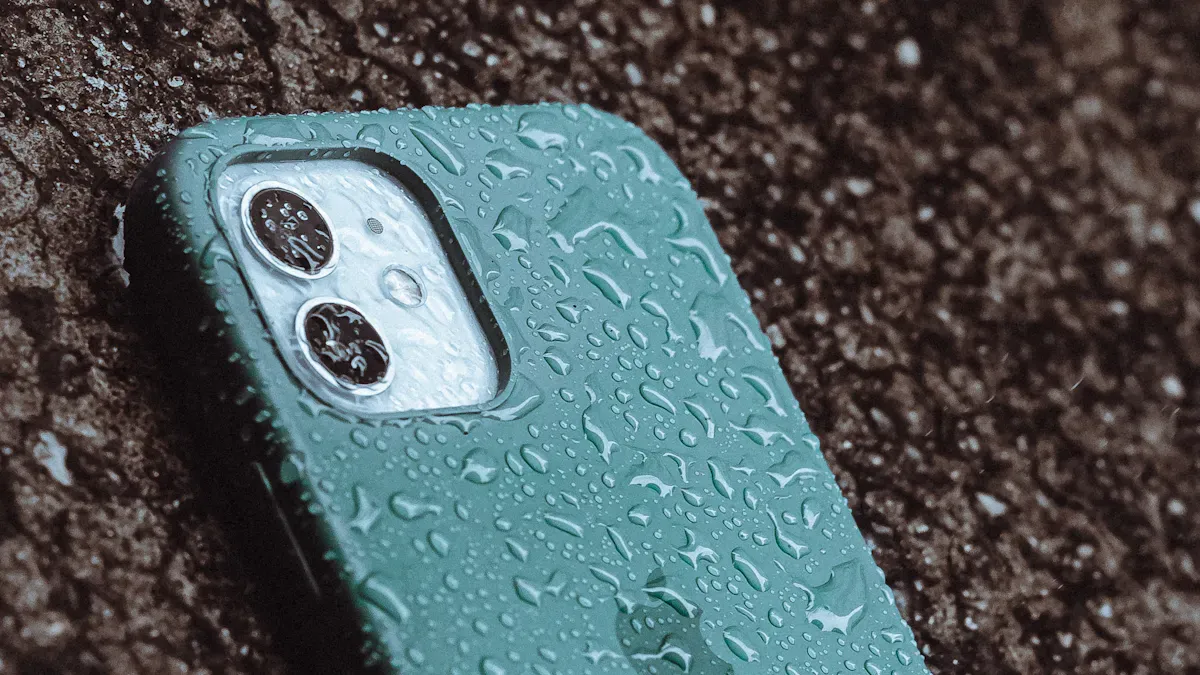
I drop my phone a lot, so drop resistance matters to me. New cases use military-grade designs. They have shock-absorbing corners and strong frames. Some cases can survive drops from 23 feet. That blows my mind! I like cases that protect the corners because that is where most cracks start. I also want water resistance. Many cases now keep my phone safe from spills and rain. I do not worry when I use my phone outside or near water.
Some brands stand out for protection. Unicorn Beetle makes rugged cases that last. Pelican cases are great for waterproofing. Mophie cases even charge my phone while keeping it safe. I always look for these features when I shop.
Tip: If you spend time outdoors or near water, choose a case with water resistance. It saves your phone from accidents.
Wireless Charging
Wireless charging makes life easier. I hate taking off my case every time I want to charge my phone. I always check if my case works with wireless chargers. Slim cases usually work fine. Thick, rugged cases sometimes block charging. I read reviews or ask the maker before I buy. If I cannot test the case, I check what other people say online.
Here’s a quick checklist for wireless charging:
- Make sure the case is not too thick.
- Look for cases that say “wireless charging compatible.”
- Check reviews for real-life feedback.
I want my phone to charge fast and easy. I never want to remove my case just to power up.
Case and Screen Protector Fit
I always pay close attention to how my case and screen protector fit together. If they do not match well, my phone might not get the protection I expect. I learned this the hard way when a loose case let my phone slip out and hit the ground. The screen cracked, and I had to get it fixed. Now, I make sure everything fits just right.
A well-fitting case is super important, especially for phones with all-glass screens. If the case hugs the edges and corners, it can stop cracks from forming when I drop my phone. I look for cases made from shock-absorbent materials like TPU, rubber, or silicone. These materials help cushion the impact much better than hard plastic. When I use a case that fits snugly, I feel more confident carrying my phone everywhere.
The screen protector also needs to fit perfectly. If it is too small, the edges of my screen stay exposed. If it is too big, it might not stick well or could lift at the corners. I always check if the screen protector covers the whole display, including any curved edges. Full coverage means fewer scratches and less risk of cracks.
I noticed that adhesive screen protectors work well for direct hits, but they do not protect the sides or corners as much. That is why I always use a tempered glass screen protector with my case. This combo gives my phone the best defense. The tempered glass takes the hit if I drop my phone face-down, while the case protects the sides and corners. Cheaper screen protectors do not last long or offer enough protection, so I spend a little more for quality.
Here are some common issues I watch out for when matching a case and screen protector:
- The case pushes up the edges of the screen protector, causing bubbles or peeling.
- The screen protector leaves gaps at the edges, making the phone more likely to crack.
- The case and screen protector together make the buttons hard to press or block the charging port.
Tip: I always test the fit by putting on the screen protector first, then snapping on the case. If anything feels off, I try a different brand or size.
When I find a screen protector, phone case combo that fits perfectly, I know my device is safe from most accidents. It gives me peace of mind and keeps my phone looking new.
Making the Right Choice
Comparing Brands and Reviews
When I shop for a new case, I always check what other people say. Reviews help me spot problems before I buy. I look for brands that have a good reputation. Some brands stand out because they last longer and protect better. I read both good and bad reviews. If a case has lots of complaints about breaking or not fitting, I skip it. I also watch for reviews that mention how easy it is to put on the screen protector. Sometimes, I find videos where people show how the case and protector work together. That helps me see if the combo will work for my phone.
Here’s what I look for in reviews:
- Does the case fit the phone model well?
- Is the screen protector easy to install?
- Do people say the case protects against drops?
- Are there problems with the buttons or charging port?
Tip: I trust reviews with photos or videos. They show what the product looks like in real life.
Budget and Value
I always set a budget before I shop. Some cases cost a lot, but that does not always mean they are better. I compare prices and features. I ask myself if I need extra protection or just basic safety. Sometimes, I find a great deal on a combo that includes both a case and a screen protector. I do not want to pay for features I will never use. I look for value, not just the lowest price.
Here’s a simple table I use to compare value:
| Price Range | What You Get | Best For |
|---|---|---|
| Low | Basic protection, slim fit | Everyday use |
| Mid | Better materials, some extras | Most users |
| High | Rugged, top brands, extras | Adventurers, kids |
I always remember that spending a little more can save me money later. A good case can stop expensive repairs.
Where to Buy
I want to buy from places I trust. I look for stores that sell real products, not fakes. OtterBox is one brand I trust for both cases and screen protectors. Their products last a long time and fit well. I like that they have many choices for different phone models. I often visit their website to see the latest iPhone cases and screen protectors. They make it easy to find what I need.
Here are some places I check when I shop:
- OtterBox official website for a wide range of iPhone cases and screen protectors
- Big electronics stores in my area
- Trusted online shops with lots of reviews
I always make sure the store has a good return policy. If the screen protector, phone case combo does not fit, I want to send it back without trouble.
Note: I avoid deals that seem too good to be true. Cheap cases often break or do not protect well.
When I pick a phone case with a screen protector, I follow a few simple steps:
- I choose a sturdy case and a tempered glass protector for the best screen safety.
- I check the material—rubber or silicone feels grippy and protects better than plastic.
- I make sure the case fits my phone and matches my daily needs.
I always look for something that fits my style but keeps my phone safe. 🛡️ What about you? Share your tips or questions below!
FAQ
How do I know if a case fits my phone?
I check the model number on my phone. I look for cases that list my exact model. If the case says “universal,” I skip it. I want a snug fit.
Can I use wireless charging with any case?
I always test my case with my charger. Slim cases usually work. Rugged cases sometimes block charging. I read reviews to see if others had problems.
What’s the difference between tempered glass and film protectors?
Tempered glass feels strong and smooth. It protects against drops. Film protectors are thin and flexible. They stop scratches but not big impacts. I pick glass for better safety.
Do built-in screen protectors work as well as separate ones?
Built-in protectors save time. Separate tempered glass protectors give stronger defense. I use built-in for quick protection. I use separate glass for tough jobs.
How do I avoid bubbles when installing a screen protector?
I clean my screen with a microfiber cloth. I line up the protector carefully. I press from the center out. If bubbles appear, I push them gently to the edge.
Will my case block the camera or buttons?
I check the cutouts before buying. I read reviews and look at photos. If the case blocks anything, I return it. I want full access to my phone.


 English
 Arabic
 Chinese (Simplified)
 Dutch
Dutch French
 German
 Italian
 Portuguese
 Russian
 Spanish