

How to Choose Eco-Friendly Packaging Solutions for Phone Cases in 2026
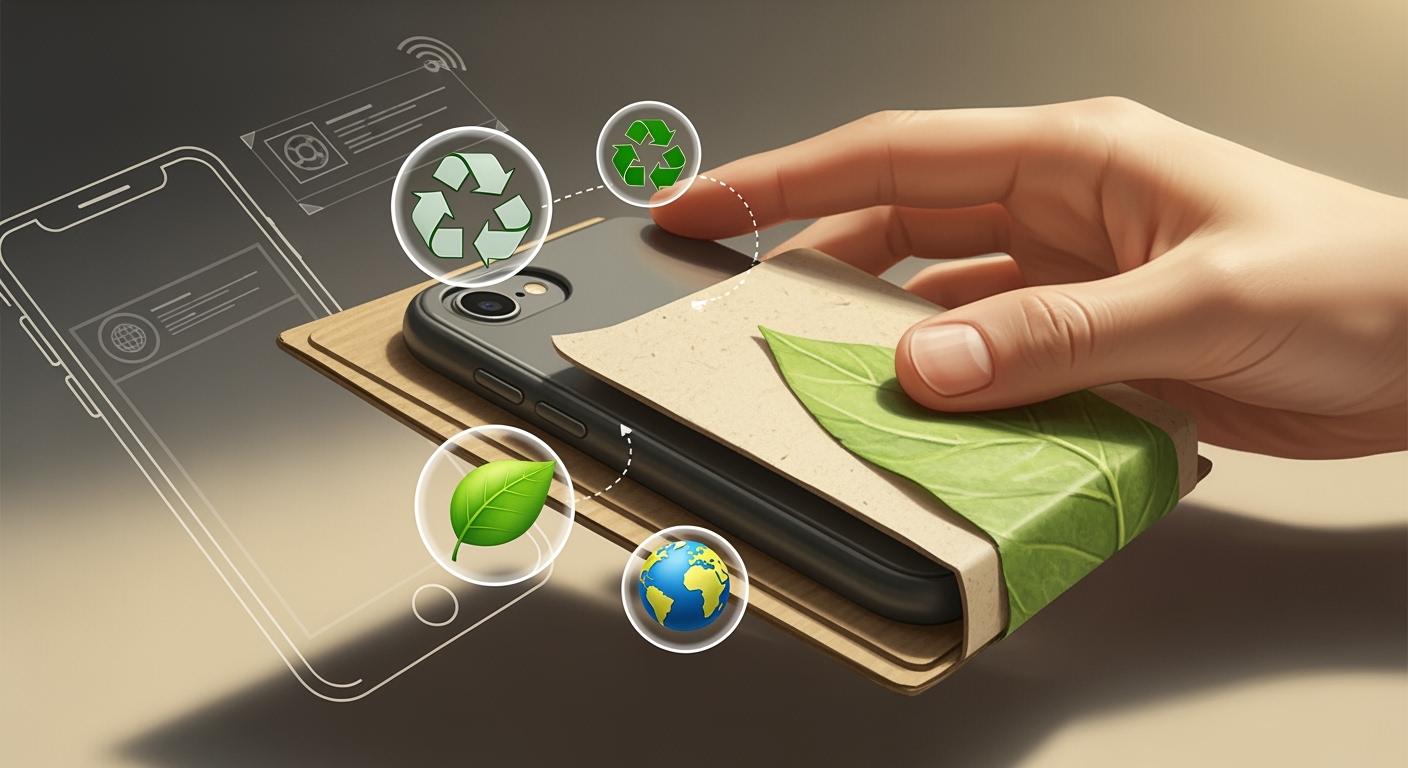
I notice that packaging solutions for phone cases are eco-friendly when they use materials that break down on their own and support the circular economy. I choose biodegradable and compostable options because they are beneficial for the Earth. Eco-friendly phone cases should have packaging solutions for phone cases that are free of plastic to prevent pollution. I appreciate brands that utilize recycling and other green methods. These choices help protect nature for the future.
Key Takeaways
- Pick packaging that uses renewable or recycled materials. This helps the planet.
- Find labels that say biodegradable or compostable. These labels mean the packaging breaks down safely.
- Do not use packaging with single-use plastics. This helps stop pollution and waste.
- Look for certifications like FSC, SFI, or PEFC. These show the packaging is eco-friendly.
- Think about using packaging that you can reuse. This cuts down on waste and helps the environment.
- Buy from brands that are honest about their materials. They should give clear information.
- Learn about new ideas in eco-friendly packaging. This helps you make better choices.
- Read labels to see what happens to packaging after use. Check if you can compost or recycle it.
What Is Eco-Friendly Packaging?
Key Features of Eco-Friendly Packaging
When I pick eco-friendly packaging, I look for a few things. I want packaging that is safe for the planet. I check if the materials can break down by themselves. I also see if they are good for nature. Here are the main things I look for:
- Made from renewable or recycled materials
- Designed to be biodegradable or compostable
- Uses minimal ink and water-based adhesives
- Easy to recycle or compost after use
- Free from single-use plastics
I always pick packaging that helps keep phone cases green. Compostable and biodegradable choices make less trash. I also like packaging that uses less stuff. This means it is better for the earth.
Why It Matters for Phone Cases
I care about the box for my phone case as much as the case. Many people buy eco-friendly phone cases to help the planet. If the box is not green, it can ruin the good work. I want my choices to match what I believe.
Big companies are starting to help the earth. Samsung uses moldable pulp instead of plastic. Microsoft wants to use only recycled boxes by 2030. Apple uses wood fiber and molded fiber from bamboo and sugarcane. These ideas cut down on plastic trash and carbon footprints. They also make it easier to recycle or compost the box. Here is a table that shows what some companies do:
| Company | Initiative Description | Environmental Benefit |
|---|---|---|
| Samsung | Phasing out plastic in packaging, using moldable pulp instead. | Reduces plastic waste and promotes the use of sustainable materials. |
| Microsoft | Pledged to eliminate single-use plastic packaging by 2025 and achieve 100% recycled packaging by 2030. | Aims for carbon negativity and reduces reliance on non-recyclable materials. |
| Apple | Uses 100% responsibly sourced wood fiber and molded fiber for packaging. | Decreases carbon footprint and e-waste, enhancing sustainability in product lifecycle. |
| Stopped including adapters and earbuds with new iPhones to reduce packaging size. | Lowers environmental cost of shipping and reduces overall e-waste. | |
| Molded fiber is made from bamboo and sugarcane, providing a biodegradable alternative. | Offers a durable, eco-friendly option that is also cost-effective and customizable for product safety. |
I think every step toward green packaging helps the earth. It is good for kids in the future.
Avoiding Greenwashing
Some brands say “green” or “natural” but do not show proof. This is called greenwashing. I always look for clear labels like compostable or biodegradable. I check for trusted group certifications. I ask questions if I am not sure.
Tip: I always read the box details and look for real certifications. This helps me make sure my phone case comes in real eco-friendly packaging.
I trust brands that show proof of their green actions. I want my choices to help make the world cleaner and greener.
Criteria for Packaging Solutions for Phone Cases
Material Sourcing and Renewability
I always check what the packaging is made from first. I want packaging that uses materials that are good for the earth. I look for paper or cardboard from forests that can grow back. I also check if the box uses recycled stuff. This helps save trees and keeps trash out of dumps. I like when brands use things like bamboo or sugarcane. These plants grow fast and do not hurt nature. I stay away from boxes with new plastic or mixed stuff that will not break down. I want my phone case box to fit my earth-friendly values.
Tip: I always ask if the box is compostable or biodegradable. This means it can go back to nature safely.
Certifications for Eco-Friendly Packaging
I trust packaging more when I see real labels. These labels show the box is safe for the planet and follows strict rules.
FSC, SFI, PEFC
I look for three main labels on phone case packaging:
| Certification | What It Means | Why I Trust It |
|---|---|---|
| FSC (Forest Stewardship Council) | The paper comes from forests that people manage responsibly. | Protects forests and wildlife. |
| SFI (Sustainable Forestry Initiative) | The packaging uses wood from forests that follow strict rules. | Supports healthy forests and communities. |
| PEFC (Programme for the Endorsement of Forest Certification) | The packaging meets global standards for sustainable forest management. | Makes sure forests stay healthy for the future. |
When I see these labels, I know the box uses good materials and helps the planet.
Compostable and Biodegradable Labels
I always look for compostable or biodegradable labels. These mean the box will break down safely. Compostable boxes turn into soil in a compost bin. Biodegradable boxes break down in nature. I want my phone case box to not leave trash behind.
Note: Not all boxes that say “green” are really compostable or biodegradable. I look for trusted labels to be sure.
Recycled Content Verification
I want to know how much recycled stuff is in the box. Some boxes say “made with recycled content,” but I check for proof. I look for numbers, like “70% post-consumer recycled paper.” I also look for the chasing arrows symbol with a number inside. This shows the box uses real recycled materials. I want my phone case box to keep old materials in use.
Production and Supply Chain Practices
I care about how companies make and ship their boxes. I want brands to use less energy and water. I look for boxes that use fewer materials. I like when they use just one kind of material, like all cardboard, because it is easier to recycle. I also check if the box is light and small. This saves fuel when shipping.
Some companies, like Hilti, start with smart design. They use recycled cardboard and try to use only one material. This makes recycling easy. Their goal is to use all recycled content. They also work to lower CO₂ by making boxes smaller and lighter. I want my phone case box to follow these smart ideas.
Callout: I always ask brands how they make their boxes. I want to see real action, not just words.
I think every step, from picking good materials to using recycled stuff and smart design, helps the earth. When I choose eco-friendly phone cases, I want the whole package to be good for the planet.
Best Materials for Eco-Friendly Phone Cases
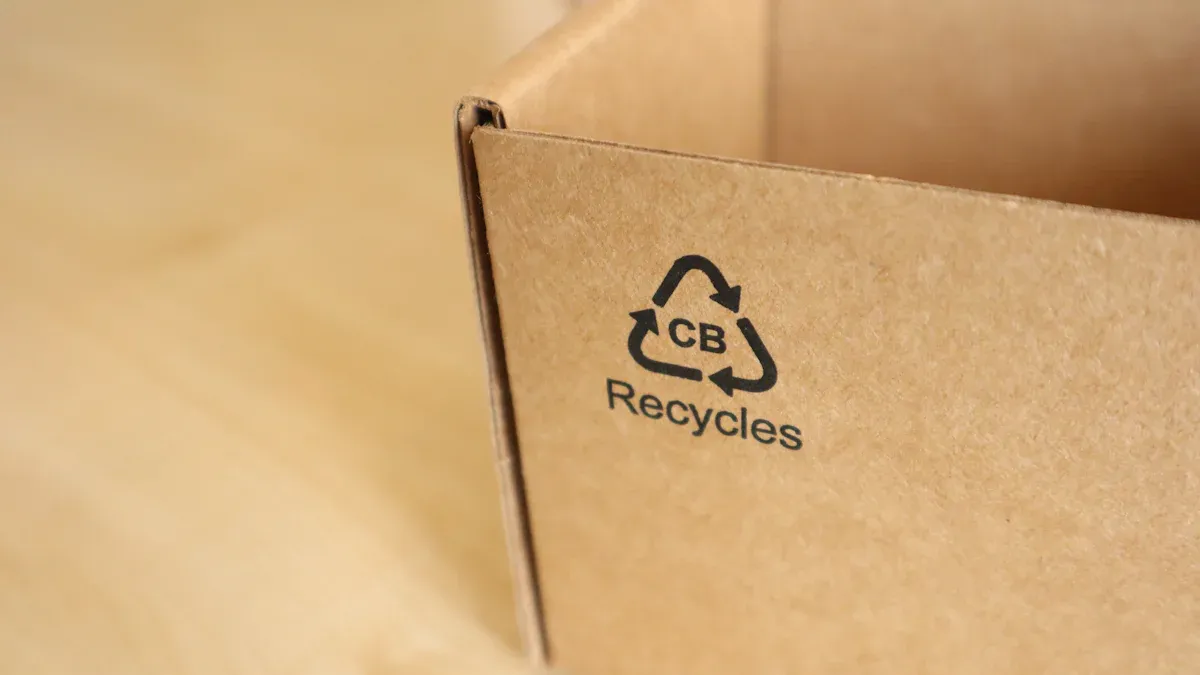
Biodegradable Phone Cases Packaging
I look for biodegradable packaging to help the planet. This packaging breaks down by itself. It does not leave bad waste behind. Many brands use plant materials like cornstarch, bamboo, or sugarcane. These come from nature and go back to nature. I think this packaging is good for a green lifestyle.
When I pick biodegradable phone cases, I check for clear labels. I want proof it breaks down quickly. Some boxes say “biodegradable,” but I read the details. I want to know how long it takes and if it needs special places.
Here are some biodegradable materials I see in packaging:
- Cornstarch-based plastics
- Bamboo fiber
- Sugarcane pulp
- Mushroom mycelium
Tip: I ask brands if their packaging is certified biodegradable. This helps me trust what they say.
I think biodegradable packaging is best for people who want less waste. It matches my goal to support eco-friendly phone cases and protect the earth.
Compostable Phone Cases Packaging
Compostable packaging is even better than biodegradable. I like it because it turns into soil in a compost bin. Compostable packaging uses plant materials that break down fast. More brands use compostable bags, wraps, and boxes for eco-friendly phone cases.
I check for compostable labels from trusted groups. These labels show the packaging follows strict rules. I want to know if it breaks down at home or in a compost center. Some packaging only works in special places. I read instructions to see if I can compost it at home.
Here is a table that shows how biodegradable and compostable packaging are different:
| Feature | Biodegradable Packaging | Compostable Packaging |
|---|---|---|
| Breaks down into | Natural elements | Nutrient-rich soil |
| Time to break down | Months to years | Weeks to months |
| Needs special setup | Sometimes | Often (for industrial compost) |
| Leaves residue | Sometimes | No |
I like compostable packaging because it helps my garden. It keeps waste out of landfills. I pick compostable packaging when I want to make a bigger difference.
Note: Compostable does not always mean you can compost it at home. I check the label to see where it works.
Recycled and Recyclable Materials
I think recycled and recyclable materials are key for green packaging. I look for boxes made from recycled paper, cardboard, or plastic. This keeps old stuff in use and saves resources. When I buy a phone case made from recycled material, I want the box to match.
I check for labels that show how much recycled stuff is used. Some boxes use all recycled paper. Others mix new and recycled materials. I like packaging that uses only recycled things. This helps the circular economy and saves new resources.
Here are some recycled materials I find in packaging:
- Recycled cardboard
- Recycled paper
- Recycled plastics (like PET)
- Recycled pulp
I want packaging I can recycle after I use it. I look for the chasing arrows symbol and recycling instructions. A recyclable box makes it easy to keep materials in use.
Callout: I flatten and clean boxes before recycling. This helps recycling work better.
I see the best brands use recycled and recyclable packaging. They make boxes with less material and no plastic windows or coatings. This makes recycling easy and helps a green future.
I think using recycled and recyclable materials is a great choice. It helps me lower my carbon footprint and support eco-friendly phone cases. I look for packaging that matches my values and helps the planet.
Reusable and Minimal Packaging
I like phone case packaging that I can use again. I also like packaging that uses very little material. If packaging is reusable, I do not throw it away. I can keep my phone case or cables in it. Sometimes I use it for other small things. Minimal packaging means the box or bag is just big enough. It only uses what is needed to keep the phone case safe. This helps make less trash and saves resources.
When I pick reusable or minimal packaging, it helps the earth in many ways:
- Less trash ends up in landfills.
- Making the packaging uses fewer resources.
- Smaller and lighter packages are easier to ship.
- I can use the packaging for other things at home or work.
Some brands make boxes that turn into stands or holders for my phone. Others use cloth bags that I can use for travel or storage. I like these ideas because they help me waste less. I also get more use from what I buy.
Tip: I always check if I can use the packaging again before I recycle or compost it. Sometimes a box can become a drawer organizer or a gift box.
Minimal packaging uses less ink, glue, and coating. This makes recycling easier. It also keeps bad chemicals out of nature. Compostable phone cases often come in simple, plant-based wraps. These wraps break down on their own. They show that eco-friendly choices can still look nice. I see many cool designs that prove green packaging can look good.
Here is what I want in reusable and minimal packaging:
| Feature | Why I Like It |
|---|---|
| Simple design | Easy to recycle or reuse |
| No extra plastic | Makes less pollution |
| Multi-use packaging | Saves waste and gives more value |
| Compostable materials | Break down on their own, help the earth |
| Stylish appearance | Shows green can look great |
I think every small choice, like picking reusable or minimal packaging, helps the planet. When I buy a phone case, I want the packaging to fit my values. I want less trash, more reuse, and a cleaner world for everyone.
Comparing Packaging Solutions for Phone Cases
Pros and Cons of Biodegradable Options
I think biodegradable phone cases and their packaging are good for the earth. When I pick biodegradable options, I know they will break down later. This helps keep trash out of landfills. I like that these materials come from plants and other natural things. They do not make more plastic pollution.
Pros:
- Break down on their own in nature
- Made from things that can grow again
- Make less carbon than plastic
- Help people live in a green way
Cons:
- Sometimes need special places to break down
- Can take a long time in landfills
- Not always taken by normal recycling or composting
Tip: I always look for a trusted label on biodegradable packaging. This helps me know it will break down like it should.
Pros and Cons of Compostable Options
I like compostable phone cases and packaging when I want to help my garden and the planet. Compostable materials turn into soil in a compost bin. This means less trash and better soil. I like that compostable packaging helps the earth’s cycle.
Pros:
- Break down fast in compost bins
- Give good things to the soil
- Made from plants
- Make less trash in landfills
Cons:
- Some need special compost centers to break down all the way
- Not every city has compost programs
- Can look like plastic and confuse recycling places
Note: I always read the label to see if compostable packaging works at home or only in special places.
Pros and Cons of Recycled and Recyclable Packaging
I pick recycled packaging because it uses old stuff again. When I buy phone cases, I look for boxes made from recycled paper or cardboard. This saves trees and energy. I also want packaging I can recycle after I use it. Recycled and recyclable packaging helps the earth and keeps things going in a circle.
Here is a table that shows what I notice about recycled and recyclable packaging:
| Pros | Cons |
|---|---|
| Uses less new stuff | Needs clean recycling to work well |
| Saves energy and water | Not all places recycle everything |
| Helps make things in a green way | May use mixed stuff that is hard to recycle |
| Easy to find and use | Sometimes not as strong as new boxes |
| Makes less trash in landfills | May not use all recycled content |
I see that recycled packaging is a good choice for people who want to help the earth. I always check for clear recycling signs and directions. This helps me make sure the box gets recycled right.
Callout: I flatten and clean all recycled packaging before I put it in the bin. This helps recycling work better for everyone.
I think picking recycled and recyclable packaging for phone cases is one of the best ways to help the earth. It keeps things in use and helps protect nature.
Pros and Cons of Reusable Packaging
I look for reusable packaging when I buy phone cases. Reusable packaging helps the planet because I can use it again. Many brands give cloth bags, strong boxes, or pouches. I keep these and use them for other things. This means less trash goes into landfills.
Pros of Reusable Packaging:
- I save money since I do not buy extra storage.
- I help the earth by using the packaging many times.
- I use reusable packaging for travel or to organize my desk.
- Reusable packaging looks nice and feels strong.
- I see less waste at home because I do not throw it away.
Tip: I check if I can use the packaging for something else before recycling or composting. Sometimes a box can be a drawer organizer or a gift box.
Here is a table that shows why I like reusable packaging:
| Feature | Benefit to Me |
|---|---|
| Durable materials | Lasts longer, less waste |
| Multi-use design | Useful for storage or travel |
| Attractive look | Can be used as a gift box |
| Easy to clean | Stays fresh for reuse |
Cons of Reusable Packaging:
- Sometimes reusable packaging costs more than regular packaging.
- Not everyone wants to keep packaging after buying a phone case.
- Some reusable packaging takes up space if I do not use it.
- Reusable packaging may use more resources to make, like thick cardboard or cloth.
- If packaging is too fancy, it might not be recyclable or compostable.
Note: I think about if I will really reuse the packaging. If I do not need it, I try to give it to someone who can use it.
I believe reusable packaging is smart for people who want less waste. I like that it gives me more value for my money. I feel good knowing I am helping the earth. When I pick phone cases, I look for packaging that fits my lifestyle and helps me stay green. I ask myself if I will use the packaging again before I buy. If I know I will reuse it, I choose it every time.
How to Evaluate Suppliers for Eco-Friendly Packaging
Checking Supplier Transparency
I want to know where my packaging comes from. I look for suppliers who give clear facts about their materials. I also want to know how they make their products. If a supplier shows their supply chain, I trust them more. Many people care about the earth and want honest answers. Suppliers who explain how they get materials and protect nature earn my trust.
Here are things I check for when I look at supplier transparency:
- Suppliers tell me where they get their materials.
- They show how they protect forests and nature.
- They have a zero-tolerance policy for deforestation.
- They let me see their process for checking materials.
- They answer my questions about their supply chain.
Tip: I always ask for details about how suppliers choose their materials. If they cannot answer, I look for another supplier.
Verifying Certifications
I do not just believe what a supplier says. I check for real certifications. I look for labels like FSC, SFI, or PEFC. These come from groups that check if the packaging is really green. For example, the FSC Standard for Chain of Custody Certification tracks materials from the forest to the final product. This makes sure the packaging is truly sustainable.
I also look for SGS Green Marks. These marks show the packaging meets strict rules, like ISO 17065 or ISO 14021. Experts check these claims to make sure the packaging is safe for the earth. When I see these marks, I know the supplier follows high standards.
Note: I always read the certification details. I want to know what each label means and how the supplier earned it.
Questions to Ask Suppliers
I ask many questions before I pick a supplier. I want to make sure they care about the planet too. Here is a table that helps me compare suppliers:
| Criteria | Description |
|---|---|
| Material quality and variety | I check what materials they offer and if they are sustainable. |
| Sustainability practices | I ask about their steps to protect the environment. |
| Certifications and compliance | I look for real eco-friendly certifications. |
| Innovation support | I see if they offer new ideas, like AR features. |
| Turnaround time and capacity | I ask if they can meet my needs on time. |
| Printing and finishing options | I check if I can add my brand in a green way. |
Some questions I always ask:
- What materials do you use for your packaging?
- Can you show proof of your certifications?
- How do you make sure your materials are sustainable?
- Do you have a policy against deforestation?
- How do you handle waste and recycling in your process?
- Can you support custom designs with eco-friendly inks?
Callout: I keep asking questions until I feel sure about the supplier. I want my phone case packaging to match my values and help the earth.
Practical Tips for Choosing Eco-Friendly Packaging
End-of-Life Options: Compostable, Recyclable, Reusable
When I pick packaging solutions for phone cases, I always think about what happens after I open the box. I want packaging that does not harm the earth. I look for three main end-of-life options:
- Compostable: I choose packaging made from plant-based materials. I can put this in my compost bin. It turns into soil and helps my garden.
- Recyclable: I check if the box has a recycling symbol. I make sure I can put it in my city’s recycling bin. This keeps materials in use and out of landfills.
- Reusable: Sometimes, I find packaging that I can use again. I keep cloth bags or sturdy boxes for storage or travel.
Tip: I always read the label to see if the packaging is compostable, recyclable, or reusable. This helps me make the best choice for the planet.
Reducing Packaging Waste
I try to make less waste every time I buy a phone case. I look for packaging that uses only what is needed. I like small boxes and simple designs. I avoid extra layers or plastic wrap. Plastic-free packaging makes a big difference. I also choose brands that use less ink and water-based glue. This helps keep the packaging safe for the earth.
Here are some ways I reduce packaging waste:
- I pick phone cases with minimal packaging.
- I reuse boxes and bags when I can.
- I support brands that use only one type of material in their packaging.
- I avoid packaging with plastic windows or shiny coatings.
Callout: Every small step helps. When I choose less packaging, I help keep our world clean.
Balancing Cost and Sustainability
I know that eco-friendly packaging solutions for phone cases can cost more. Sometimes, I see prices that are 20 to 30 percent higher than regular packaging. This happens because making green materials and using new processes costs more money. Some brands pay these extra costs themselves. Others ask customers to pay a little more.
I think about what matters most to me. I want to protect the earth, so I am willing to pay a bit more for sustainable choices. I also look for brands that offer good value and care about the planet. I compare prices and check if the packaging uses plant-based materials or supports recycling. This helps me find the right balance between cost and caring for nature.
Note: I always remember that paying a little more for green packaging helps the earth in the long run.
Future Trends in Eco-Friendly Phone Case Packaging
Innovations in 2026
I see many new ideas shaping eco-friendly packaging for phone cases in 2026. Brands now use smart materials that change how we think about waste. For example, I notice some companies use seaweed-based films instead of plastic. These films break down quickly and do not harm the ocean. I also see mushroom packaging growing in popularity. This material comes from mycelium and fits around phone cases like a custom mold. It breaks down in the soil in just a few weeks.
Some brands add QR codes to their packaging. When I scan these codes, I learn how to recycle or compost the box. I find this very helpful. I also see water-based inks and glues becoming the standard. These choices make recycling easier and safer for the planet.
Here are some innovations I expect to see more often:
- Edible packaging: Some brands test wrappers you can eat or compost.
- Plantable packaging: I have seen boxes with seeds inside. After I open the box, I can plant it and grow flowers or herbs.
- Smart tracking: Some packaging uses chips to show its journey from the factory to my home.
Tip: I always look for brands that try new ideas. These brands lead the way in protecting the earth.
Changing Consumer Expectations
I notice that people care more about the planet now. In 2026, I expect even more shoppers to ask for green packaging. Many people want to see proof that brands use safe materials. I see customers reading labels and asking questions before they buy. They want packaging that matches their values.
Here is what I see people asking for:
| Expectation | What It Means for Brands |
|---|---|
| Clear eco-labels | Brands must show real proof |
| Less packaging waste | Simple, smart designs win trust |
| Reusable options | Boxes and bags get a second life |
| Easy recycling | Clear instructions help everyone |
I believe brands that listen to these needs will stand out. I always support companies that care about what I care about.
Regulatory Updates
I see new rules shaping how brands package phone cases. Many countries now ban single-use plastics. In 2026, I expect even stricter laws. Some places require all packaging to be compostable or recyclable. I see governments checking labels to stop greenwashing.
I keep track of these changes because they affect what I can buy. I read about new rules in the news and on brand websites. I also see brands working with local recycling programs to meet these laws.
Note: I always check if a brand follows the latest rules. This helps me trust their green claims.
I believe these trends will make eco-friendly packaging better for everyone. I feel excited to see what comes next for phone case packaging.
I understand that picking eco-friendly packaging for phone cases really matters. I always try to find packaging that is biodegradable, compostable, or recyclable. These choices help take care of the planet. I use the tips and rules I talked about to make good decisions.
I keep learning about new trends and certifications. This helps me make sure my choices stay green and current.
- I choose packaging that fits what I believe.
- Each time I buy, I help make the world cleaner.
FAQ
What makes packaging eco-friendly for phone cases?
I pick packaging made from things that can grow back. I also like packaging made from recycled or compostable materials. I stay away from plastic and mixed materials. I look for trusted certifications on the box. Eco-friendly packaging breaks down safely. It helps keep the planet clean.
How do I know if packaging is really compostable?
I look for clear compostable labels from trusted groups. I read the instructions on the box to be sure. I check for certifications like BPI or OK Compost. These show the packaging will break down in a compost bin.
Can I recycle all eco-friendly phone case packaging?
No, not every package can go in the recycling bin. I look for recycling symbols and read the instructions. Some packaging needs special recycling centers. I always clean and flatten boxes before recycling. I follow my city’s recycling rules.
Why should I avoid plastic wrap in packaging?
Plastic wrap does not break down fast. It can pollute land and water. I pick packaging without plastic to make less waste. This helps protect nature. I want my choices to match my green values.
Are reusable packaging options better for the environment?
Yes, reusable packaging helps me make less trash. I use boxes or bags again for storage or travel. This saves resources and keeps trash out of landfills. I always check if I can use packaging again before throwing it away.
What certifications should I look for on eco-friendly packaging?
I look for FSC, SFI, or PEFC on paper products. For compostable packaging, I check for BPI or OK Compost. These certifications show the packaging meets strict rules for the environment.
Does eco-friendly packaging cost more?
Sometimes, green packaging costs a little more money. I think the extra cost helps protect the earth. Many brands now have affordable eco-friendly options. I compare prices and pick what fits my budget and values.


 English
 Arabic
 Chinese (Simplified)
 Dutch
Dutch French
 German
 Italian
 Portuguese
 Russian
 Spanish