

How Retailers Select the Best Phone Case Suppliers in 2026
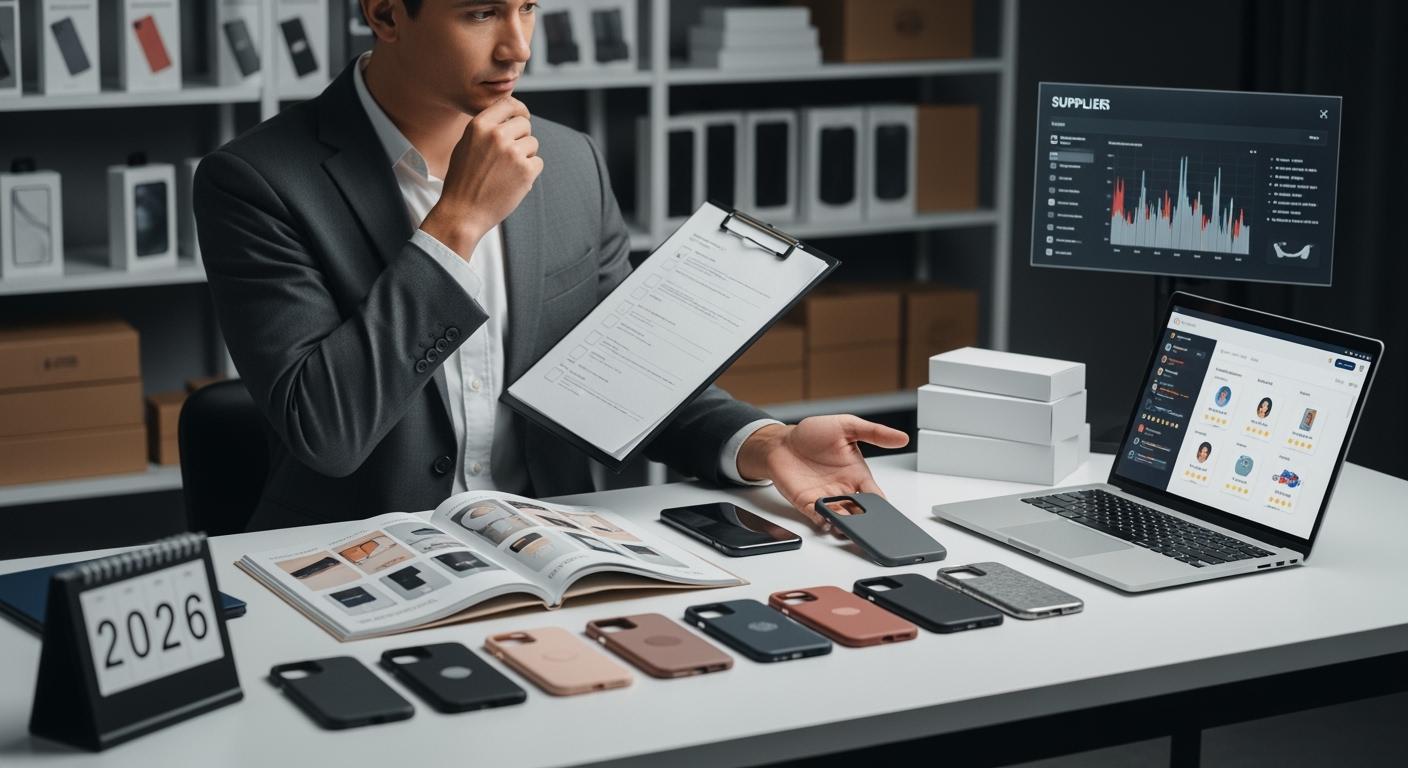
Retailers in 2026 select a phone case supplier by focusing on factors that match their business objectives and customer demands. They prioritize consistent quality, reliable lead times, and brand-aligned design integrity. Retailers also check for certifications like CE and RoHS, assess durability through drop test videos, and confirm component authenticity. For a mobile phone case supplier, material options such as TPU, PC, and biodegradable TPU matter greatly. Real-world scenarios show that retailers verify factory ownership and test supplier responsiveness. These steps help answer how retailers choose phone cases in a competitive market.
Key Takeaways
- Retailers should define clear sourcing goals to respond quickly to market changes.
- Understanding customer preferences is crucial for selecting suppliers who enhance the shopping experience.
- Retailers must analyze market demand to stay ahead of trends and adjust sourcing strategies.
- Quality certifications like ISO and CE are essential for ensuring product reliability.
- Minimum order quantities (MOQs) should align with business size to manage costs effectively.
- Strong communication with suppliers builds trust and supports long-term partnerships.
- Retailers should prioritize eco-friendly materials to attract environmentally conscious customers.
- Regularly reviewing supplier criteria helps retailers adapt to evolving market trends.
Business Needs & Market Trends
Defining Sourcing Goals
Retailers in 2026 begin by setting clear sourcing goals. They use advanced technology, such as AI, to streamline the process and improve efficiency. Many retailers form partnerships with a large network of trusted suppliers. This approach gives them access to a wide range of products and customization options. Flexible warehousing solutions help them adapt quickly to changes in demand. These strategies allow retailers to meet their business needs and target market requirements with precision.
Tip: Retailers who define their sourcing goals early can respond faster to market shifts and customer preferences.
Knowing Your Target Customers
Understanding the target customer shapes every decision a retailer makes. Retailers analyze customer preferences, such as style, durability, and eco-friendly materials. Customer experience stands out as a top priority for most businesses. In 2026, nearly half of all businesses rank customer experience above pricing. Most buyers, about 86%, say they will pay more for a great experience. Retailers choose suppliers who engage well with customers and offer reliable support. This focus on customer experience helps retailers build loyalty and stand out in a crowded market.
- Retailers look for suppliers who can deliver consistent quality.
- They value suppliers who offer flexible pricing to manage risks from tariffs and global events.
- Strong customer engagement from suppliers leads to higher satisfaction rates.
Analyzing Market Demand
Market demand for phone cases remains strong and profitable. In past years, Americans spent billions on phone accessories. For example, after the iPhone 6 launch, accessory sales jumped by 43% in just two weeks. Nearly three-quarters of mobile device users buy a case for their phone. The phone case industry continues to grow as a multi-billion-pound market. Retailers study these trends to predict which styles and materials will sell best. They use this data to guide their sourcing decisions and stay ahead of competitors.
- High demand means retailers must keep up with changing trends.
- Popular phone launches can cause sudden spikes in accessory sales.
- Retailers who track market data can adjust their sourcing strategies quickly.
Retailers who align their sourcing with business needs and target market trends position themselves for long-term success.
How Retailers Choose Phone Cases: Key Factors
Retailers in 2026 face many choices when selecting a phone case manufacturer. They must look at several key factors to make the right decision. These factors help them find reliable partners and grow their business. The table below shows the main points retailers consider when deciding how retailers choose phone cases:
| Key Factor | Description |
|---|---|
| Quality | Retailers prioritize manufacturers with quality certifications like ISO 9001 or 14001. |
| Financial Stability | Confidence in the supplier’s long-term viability is crucial for retailers. |
| Manufacturing Techniques | Understanding the production processes helps assess the quality of the phone cases. |
| Additional Services | Services like design and packaging can simplify the retailer’s process. |
| Minimum Order Policies | Some manufacturers have minimum order requirements that can affect pricing. |
| Timing | Lead times and manufacturing schedules are important for planning orders. |
| Samples | The ability to request samples is essential for quality assurance before full production. |
These factors shape how retailers choose phone cases and decide which phone case manufacturer to trust.
Setting Minimum Order Quantities (MOQs)
Minimum order quantities, or MOQs, play a big role in how retailers choose phone cases. Every phone case manufacturer sets different MOQs. Retailers must match these numbers with their own business size and customer needs. The right MOQ helps retailers avoid extra costs and wasted inventory.
- Retailers need to know their business needs and target market before picking a supplier.
- The size of the retailer’s business affects which phone case manufacturer they choose, especially when it comes to MOQs.
- Some retailers want bulk orders, while others need smaller, flexible quantities.
- A custom phone case manufacturer may offer lower MOQs for special designs.
- Retailers who understand MOQs can manage their cash flow and reduce risk.
MOQs also impact how retailers choose phone cases for new product launches or seasonal trends. A phone case manufacturer with flexible MOQs can help retailers test new designs without a big investment.
Assessing Production Capacity
Production capacity tells retailers how many phone cases a manufacturer can make in a set time. This factor matters for both small and large businesses. A phone case manufacturer with high capacity can handle big orders and sudden spikes in demand. Retailers often ask for details about machines, staff, and factory size.
A custom phone case manufacturer must show they can produce unique designs at scale. Retailers check if the manufacturer can keep up with their growth plans. They also look for the best phone case manufacturer who can deliver on time, even during busy seasons.
Note: Retailers who choose a phone case manufacturer with strong production capacity avoid delays and stockouts.
Production capacity also affects how retailers choose phone cases for special events or promotions. A reliable phone case manufacturer helps retailers meet deadlines and keep customers happy.
Evaluating Supplier Communication & Scalability
Clear communication builds trust between retailers and a phone case manufacturer. Retailers want fast answers to questions and updates on orders. Good communication helps solve problems quickly and keeps projects on track.
Scalability means the phone case manufacturer can grow with the retailer. Retailers look for partners who can handle more orders as their business expands. A custom phone case manufacturer who offers flexible solutions stands out in the market.
How retailers choose phone cases depends on how well the supplier listens and responds. Retailers often test communication by asking for samples or quotes. The best phone case manufacturer gives clear timelines and honest feedback.
- Fast and clear communication prevents mistakes.
- Scalable suppliers support long-term growth.
- Retailers value suppliers who offer extra services, like design or packaging.
In 2026, how retailers choose phone cases depends on finding a phone case manufacturer who meets their needs for MOQs, production capacity, and communication. These factors help retailers build strong partnerships and succeed in a fast-changing market.
Product Quality & Materials
Material Types & Durability
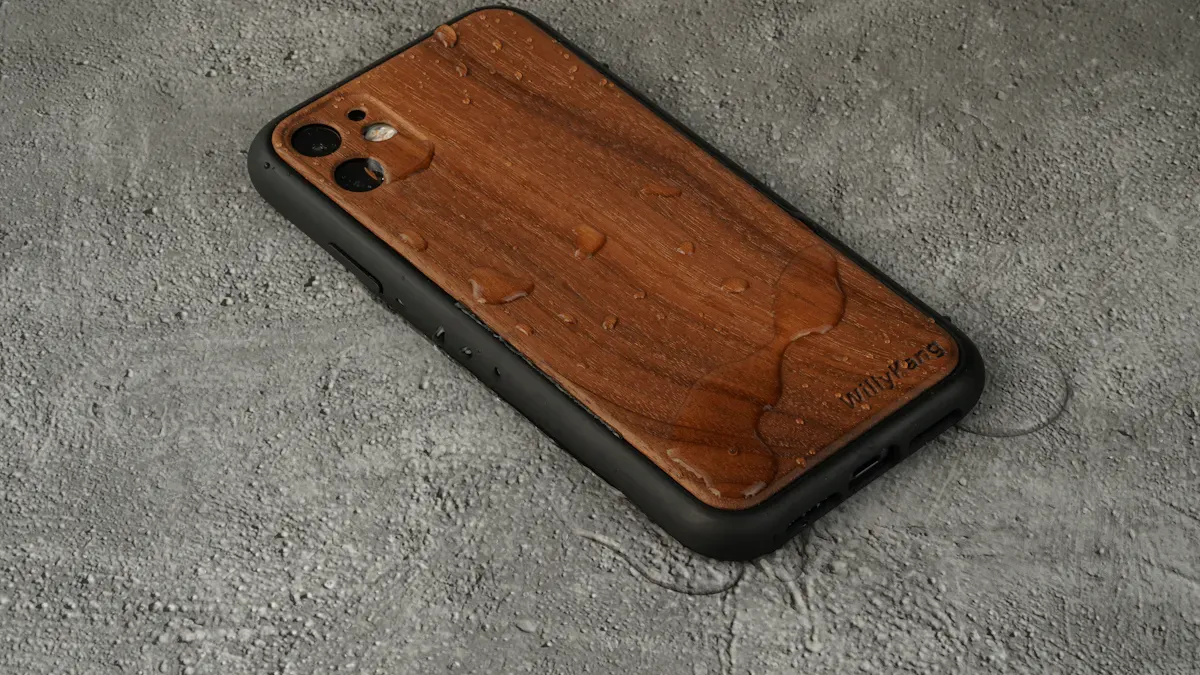
Retailers in 2026 pay close attention to product quality and variety when selecting phone case suppliers. Material types play a major role in durability and customer satisfaction. Silicone cases offer flexibility and shock absorption. TPU cases provide a balance between softness and toughness. Leather cases appeal to customers who value style and premium feel. High-quality cell phone cases often use these materials to ensure long-lasting protection.
Silicone, TPU, Leather Options
Silicone cases resist scratches and maintain their shape over time. TPU cases withstand drops and impacts, making them popular for everyday use. Leather cases deliver a classic look and feel, attracting buyers who want elegance and durability. Retailers choose suppliers who can deliver high-quality cases in these materials.
Eco-Friendly Choices
Eco-friendly materials have become a priority for many retailers. Biodegradable TPU and recycled plastics help reduce environmental impact. Suppliers who offer sustainable options attract customers who care about the planet. Retailers look for consistent product quality in eco-friendly cases to meet growing demand.
Note: Eco-friendly phone cases must pass the same durability tests as traditional materials to ensure reliable protection.
Quality Control & Testing
Leading suppliers use strict quality control and testing procedures to guarantee product quality. They test raw materials for physical properties and chemical stability. During production, they monitor injection moulding and check for defects. Assembly teams ensure parts connect securely. Finished products undergo drop tests at different heights and angles to assess anti-drop performance.
- Material procurement involves testing for strength and stability.
- Production process monitoring detects defects early.
- Finished product testing includes drop tests for anti-drop performance.
- Appearance inspection checks for smooth surfaces and no scratches.
- Size measurement confirms a perfect fit for each phone model.
- Drop tests simulate accidental falls to evaluate protective capabilities.
Retailers value suppliers who follow these steps to deliver consistent product quality.
Consistency in Manufacturing
Consistency in manufacturing ensures every phone case meets the same high standards. Suppliers test raw materials before production begins. They monitor each step of the process to catch defects quickly. Final products go through rigorous drop tests before reaching the market. Retailers trust suppliers who maintain consistent product quality across all batches.
Tip: Consistent product quality reduces returns and builds customer loyalty.
Retailers who prioritize product quality and variety gain a competitive edge. They select suppliers who deliver high-quality cases, use reliable materials, and follow strict quality control procedures.
Supplier Reliability & Experience
Checking Reputation & Track Record
Retailers place a high value on supplier reliability and communication. They study the reputation and track record of each supplier before making a decision. A strong reputation signals consistent performance and trustworthiness. Retailers look for suppliers with positive reviews from other businesses. They check online platforms, industry forums, and trade shows for feedback. Suppliers with a history of timely deliveries and high-quality products stand out. Retailers also consider how long the supplier has operated in the market. Experience often leads to better problem-solving and smoother transactions.
Tip: Retailers who choose suppliers with proven track records reduce the risk of delays and product issues.
Verifying Manufacturing Capabilities
Retailers use a step-by-step process to verify the manufacturing capabilities of phone case suppliers. This process helps them ensure that the supplier can meet their needs for quality and volume. The steps include:
- Initial Screening and Documentation: Suppliers submit business licenses and certifications. Retailers review these documents to confirm legitimacy.
- Background Check and Reference Verification: Retailers contact previous clients to gather feedback on reliability and performance.
- On-Site Visit and Facility Inspection: Retailers visit the supplier’s factory to assess production capacity and equipment.
- Verification of Certifications and Compliance: Retailers check that the supplier’s certifications and compliance claims match industry standards.
Retailers who follow these steps gain confidence in the supplier’s ability to deliver consistent quality. They avoid surprises and build stronger partnerships.
Reference Checks
Reference checks play a key role in the supplier selection process for phone cases. Retailers use reference checks as a risk management tool. They confirm the qualifications of suppliers and evaluate management style and achievements. This step ensures that suppliers meet necessary standards and align with the retailer’s expectations. Reference checks help retailers avoid unreliable partners and protect their business interests.
Note: Reference checks provide valuable insights that support informed decisions.
Retailers who focus on supplier reliability and experience build lasting relationships. They select partners who deliver quality products and communicate clearly throughout the process.
Pricing, MOQs & Payment Terms
Comparing Pricing Models
Retailers in 2026 compare different pricing models to find the best value for their business. They know that the right price can help them stay ahead in the iphone case wholesale market. Suppliers often use bundle pricing to increase average order values. This model combines phones with cases, chargers, and screen protectors. Retailers also see time-limited offers, which create urgency and boost sales with flash discounts. The table below shows common pricing models used by phone case suppliers:
| Pricing Model | Description |
|---|---|
| Bundle Pricing | Combine phones with cases, chargers, and screen protectors for higher average order values. |
| Time-Limited Offers | Create urgency with flash sales and limited-time discounts. |
Retailers choose suppliers who offer competitive pricing and clear price structures. They compare prices from each mobile case wholesale supplier to find the best deal. A focus on price helps them manage costs and offer attractive deals to customers. Retailers who understand these models can negotiate better terms and improve their profit margins.
Aligning MOQs with Business Scale
Minimum order quantities, or MOQs, affect how retailers manage inventory and shipping costs. Retailers in the iphone case wholesale business study MOQs to match their business size. Understanding MOQ helps them control logistics costs. Smaller orders often lead to higher per-unit shipping costs. Larger orders can qualify for cheaper bulk shipping rates. Retailers use several strategies to align MOQs with their business scale:
- Test new markets with low MOQ orders.
- Optimize packaging to reduce shipping costs.
- Use international warehousing to manage inventory and costs.
A mobile case wholesale supplier who offers flexible MOQs supports retailers as they grow. Retailers look for suppliers who balance price and order size. This approach helps them avoid excess stock and keep prices competitive.
Payment Flexibility & Hidden Costs
Payment terms and hidden costs play a big role in supplier selection. Retailers review payment options to avoid surprises and protect their profits. The table below explains common payment terms and their impact on price:
| Payment Term | Description |
|---|---|
| EXW | Buyer pays for all transport from supplier to port, leading to potential hidden costs. |
| FOB | Supplier delivers goods to port; buyer pays for freight and customs, minimizing hidden costs. |
| CIF | Supplier includes shipping and insurance costs, which may be marked up, leading to higher overall costs. |
Retailers also watch for hidden costs like material defects or non-compliance fines. Low-quality materials, such as thin plastics, can crack under UV exposure and increase returns. Fines for failing to meet industry standards can exceed $50,000. Retailers choose suppliers who offer payment flexibility and clear price breakdowns. They value competitive pricing and transparency to avoid unexpected expenses.
Tip: Retailers who check payment terms and hidden costs can protect their bottom line and maintain product quality.
By comparing pricing models, aligning MOQs with business needs, and reviewing payment terms, retailers make smart choices in the iphone case wholesale market. These steps help them find the right mobile case wholesale supplier and offer the best price to their customers.
Customization, Branding & Compliance
Custom Design & Branding Options
Retailers in 2026 want phone cases that reflect their unique identity. They ask suppliers for a wide range of custom design and branding options. These options help retailers stand out and connect with their target audience. The table below shows the most requested customization features:
| Customization Option | Description |
|---|---|
| Logo Printing | Retailers can add their brand logo to cases. |
| Private Labeling | Cases can be branded under the retailer’s name. |
| Custom Patterns | Unique designs tailored to retailer preferences. |
| Custom Colors | Retailers can choose specific colors for cases. |
| Custom Finishes | Different textures and finishes available. |
| Functional Upgrades | Features like kickstands or extra protection. |
| Eco-Friendly Options | Sustainable materials for environmentally conscious branding. |
Retailers often select a supplier who can deliver a brand-aligned design. They want their logo, colors, and patterns to match their store’s image. Some retailers request functional upgrades, such as kickstands or extra drop protection, to meet customer needs. Eco-friendly options also attract buyers who care about sustainability.
Packaging Services
Packaging plays a key role in how retailers choose phone case suppliers. The right packaging protects products and improves the customer experience. Suppliers offer different packaging types to meet retailer needs. The table below highlights common packaging services and their impact:
| Packaging Type | Features | Impact on Retailer Decisions |
|---|---|---|
| Hard Plastic/PC Cases | Anti-scratch film; rigid cartons | Reduces returns by preventing damage |
| Tempered Glass Cases | Double-layer foam; individual sleeves | Meets safety standards and prevents shattering |
| Custom-Printed Cases | Tamper-proof packaging; batch labeling | Enhances brand presentation and retailer appeal |
| Wireless Charging Cases | Anti-static bags; compliance checks for FCC/CE certification | Increases trust through regulatory compliance |
| Luxury/Leather Cases | Soft cloth wraps; rigid crates | Protects high-value items for premium retailers |
| Kids’ Protective Cases | Child-safe packaging; moisture-proof wraps | Attracts family-focused retailers with safety focus |
Retailers and suppliers work together to create packaging that fits shelf space and supports consistent branding. They want sturdy packaging that keeps products safe during shipping and on display. Many retailers prefer packaging that matches their store’s look and makes their brand easy to recognize.
- Suppliers collaborate with retailers to understand specific packaging needs.
- They ensure packaging is sturdy and fits designated shelf or floor space.
- Consistent branding across display and product packaging builds trust.
Certification & Regulatory Compliance
Certification and compliance matter more than ever in 2026. Retailers check that suppliers meet all industry standards before placing orders. They look for certification such as CE, FCC, and RoHS to ensure safety and quality. These certifications show that the phone cases meet strict rules for materials and manufacturing. Retailers also ask for ISO 9001 and ISO 14001 certification to confirm quality management and environmental responsibility.
Suppliers must provide proof of certification for every product type. Retailers review these documents during the supplier vetting process. They want to avoid fines and protect their reputation. Certification also helps retailers sell products in different markets without legal issues. A supplier who maintains up-to-date certification gives retailers peace of mind and supports long-term partnerships.
Tip: Retailers who check for certification reduce the risk of recalls and build customer trust.
Supply Chain & Delivery

Logistics & Shipping Reliability
Retailers in 2026 depend on reliable logistics partners to move phone cases from suppliers to stores. Logistics teams use professional pickup services to collect cargo directly from suppliers. They design customized door-to-door solutions that include split delivery and scheduled delivery. These services help retailers match their inventory plans and reduce risks. Retailers select suppliers who offer consistent delivery and clear tracking. They check for strong relationships with shipping companies and look for suppliers who can handle international delivery. Reliable logistics ensures products arrive safely and on time.
Note: Reliable logistics reduces lost shipments and improves customer satisfaction.
Lead Times & Fulfillment
Lead times measure how long it takes for suppliers to produce and ship phone cases. Retailers ask suppliers for clear timelines and updates on each order. They prefer suppliers who promise on-time delivery and stick to their schedules. Fast lead times help retailers launch new products quickly and respond to market trends. Fulfillment teams track every step, from production to delivery. They use technology to monitor shipments and alert retailers about delays. Retailers choose suppliers who can handle urgent orders and adjust to changing demand.
- Suppliers with short lead times support fast product launches.
- On-time delivery builds trust between retailers and suppliers.
- Fulfillment teams use tracking tools to monitor shipments.
Inventory Planning
Retailers plan inventory by forecasting demand and analyzing competitive pricing. They study sales data to predict which phone cases will sell best. Inventory managers communicate with suppliers several times a week to check on purchase orders. This frequent contact helps retailers adapt to fast-changing markets and avoid stockouts. Retailers use split delivery and scheduled delivery to align inventory with store needs. They optimize stock levels to reduce excess inventory and save money.
- Demand forecasting helps retailers plan inventory accurately.
- Competitive pricing analysis guides stock decisions.
- Frequent communication with suppliers keeps inventory plans up to date.
Tip: Smart inventory planning prevents overstock and ensures stores have the right products.
Retailers who focus on supply chain and delivery build strong partnerships with suppliers. They use logistics, lead times, and inventory planning to keep stores stocked and customers happy.
After-Sales Support & Partnership Steps
Warranty & Return Policies
Retailers in 2026 pay close attention to warranty and return policies when choosing phone case suppliers. Clear policies help retailers resolve issues quickly and keep customer satisfaction high. Suppliers who offer warranties show confidence in their products. Retailers check if suppliers cover defects, shipping damage, or incorrect orders. They also look for easy return processes. Simple returns reduce stress for both retailers and customers. A strong warranty policy can boost customer satisfaction because buyers feel protected if something goes wrong.
Tip: Retailers who choose suppliers with fair return policies see fewer disputes and higher customer satisfaction.
Customer Service
Customer service plays a key role in the phone case industry. Retailers want suppliers who respond quickly to questions and solve problems fast. Good customer service means suppliers answer emails, calls, or chats without delay. Retailers value suppliers who provide updates on orders and handle complaints with care. Fast and friendly support leads to better customer satisfaction. When suppliers listen to feedback, they can improve their products and services. Retailers who work with helpful suppliers build trust and keep customer satisfaction at the center of their business.
Steps for Building Supplier Partnerships
Supplier Vetting
Supplier vetting helps retailers find reliable partners. They check business licenses, certifications, and past performance. Retailers visit factories or ask for video tours to see how suppliers work. This step ensures the supplier meets standards for quality and customer satisfaction. Careful supplier vetting reduces risks and helps retailers choose the right partner.
Sample Orders
Retailers often place sample orders before making big purchases. Samples let them test product quality and see how suppliers handle small requests. Retailers check if the cases match their needs and if the supplier delivers on time. Testing samples helps retailers avoid problems and keeps customer satisfaction high.
Negotiation & Contracts
Negotiation helps retailers and suppliers agree on prices, payment terms, and delivery schedules. Clear contracts protect both sides and set rules for working together. Retailers discuss details like material choices and packaging. They focus on balancing cost and quality to support customer satisfaction. Contracts also cover what happens if problems arise.
Ongoing Monitoring
Retailers monitor supplier performance after signing contracts. They track delivery times, product quality, and how well suppliers respond to issues. Regular reviews help retailers spot problems early and keep customer satisfaction strong. Retailers and suppliers work together to improve processes and solve challenges. Close collaboration leads to better results for both sides.
- Retailers and suppliers collaborate to align goals and expectations.
- They manage materials carefully to balance cost and quality.
- Long-term cooperation with reliable suppliers secures better pricing and stable supply.
- Retailers optimize procurement to reduce costs and improve efficiency.
Retailers who follow these steps build strong partnerships and keep customer satisfaction at the heart of their business.
Retailers succeed by focusing on the most critical factors when choosing phone case suppliers in 2026. They review supplier reliability, pricing, customization, and quality. A practical checklist helps them compare options and make smart decisions. Strong supplier relationships support long-term growth. Retailers should review their current process and optimize it for better results.
Tip: Regularly update supplier criteria to match changing market trends.
FAQ
What certifications should a phone case supplier have in 2026?
Retailers look for certifications like CE, RoHS, FCC, ISO 9001, and ISO 14001. These show that the supplier meets safety, quality, and environmental standards.
How do retailers check supplier reliability?
They review supplier history, read business reviews, and contact references. Retailers may also visit factories or request video tours for extra assurance.
Why do MOQs matter for retailers?
MOQs, or minimum order quantities, help retailers manage inventory and costs. Flexible MOQs let retailers test new products without large investments.
What materials are popular for phone cases in 2026?
Silicone, TPU, leather, and eco-friendly materials like biodegradable TPU are popular. These materials offer durability, style, and sustainability.
How do retailers handle returns with suppliers?
Retailers choose suppliers with clear return and warranty policies. They check if suppliers cover defects, shipping damage, or wrong orders.
What role does packaging play in supplier selection?
Packaging protects products and supports branding. Retailers prefer suppliers who offer sturdy, custom, and branded packaging that fits store needs.
How do retailers ensure fast delivery from suppliers?
They select suppliers with strong logistics partners and clear lead times. Retailers track shipments and communicate often to avoid delays.
Can retailers request custom designs from suppliers?
Yes. Many suppliers offer custom logos, colors, patterns, and finishes. Retailers use these options to match their brand and attract customers.


 English
 Arabic
 Chinese (Simplified)
 Dutch
Dutch French
 German
 Italian
 Portuguese
 Russian
 Spanish