

How retailers can meet customer demand with the right phone cases
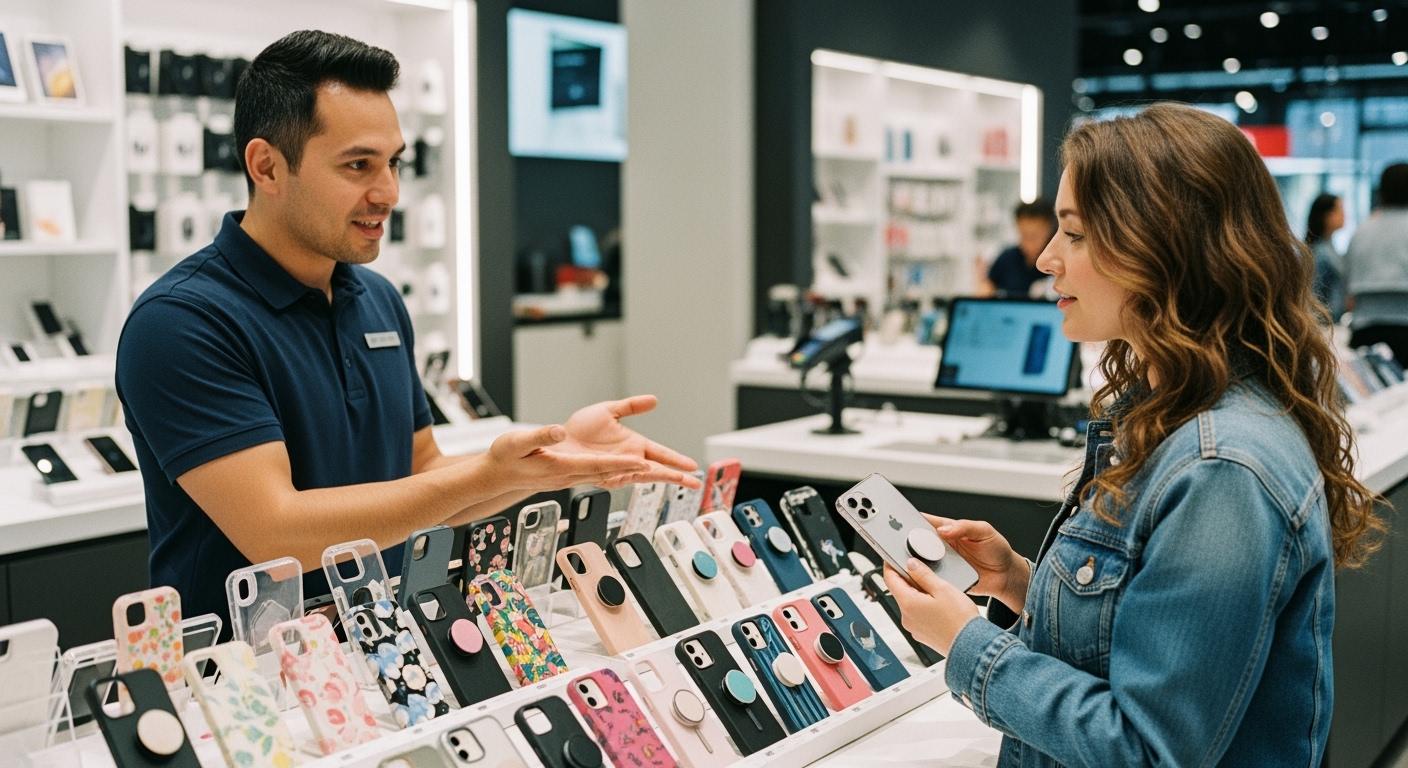
I always study what shoppers want before making decisions. I look at market trends and listen to feedback. Stocking the right products helps me boost sales and keep customers happy. I trust data when learning how retailers choose phone cases. Meeting demand means I stay ahead and offer what people need.
Tip: Listen to feedback and watch sales data to spot trends early.
Key Takeaways
- Understand customer needs by gathering feedback through surveys and direct conversations.
- Analyse sales data regularly to identify trends and adjust inventory accordingly.
- Monitor competitor offerings to find gaps in the market and set competitive prices.
- Stay updated on device trends to ensure your inventory includes cases for both new and older models.
- Utilise customisation options to attract customers looking for unique phone cases.
- Implement effective inventory management practices to avoid overstocking and stockouts.
- Leverage social media for marketing and engaging with your audience to build community.
- Test new products with trial runs to gather feedback before full-scale launches.
How retailers choose phone cases
Choosing the right phone cases for my shop starts with understanding what my customers want. I always focus on how retailers choose phone cases by looking at both direct feedback and broader market trends. This approach helps me align my inventory with real demand and keeps my business ahead in a competitive market.
Identifying customer needs
Surveys and feedback
I often ask my customers what they like and dislike about the phone cases I offer. I use surveys at the checkout counter and send follow-up emails to gather honest opinions. When I listen to feedback, I learn which designs, colours, and features matter most. Sometimes, customers mention frustrations or suggest new ideas. I take these comments seriously and use them to guide my next orders. This method forms a key part of how retailers choose phone cases that truly meet demand.
Analysing sales data
Sales data tells me which phone cases sell quickly and which ones sit on the shelves. I check my sales reports every week. If I see a sudden spike in a certain style, I know there is a trend in the market. When a product does not sell, I ask myself why. Maybe the design is outdated, or the price is too high. Analysing this data helps me avoid overstocking unpopular items and ensures I always have the right mix. This process is central to how retailers choose phone cases that match customer preferences.
Note: I always compare my sales data with feedback from customers. This gives me a complete picture of what works and what does not.
Here is a table showing the main methods I use to identify customer needs:
| Method | Description |
|---|---|
| Understanding consumer behaviour | I focus on what my target customers genuinely need, not just on being first in the market. |
| Analysing competitors | I look at where competitors fall short to spot opportunities. |
| Collecting direct feedback | I gather insights directly from my audience to understand their needs and frustrations. |
| Tracking consumer trends | I monitor shifts in demand to stay ahead of market changes. |
| Using social listening | I surface unprompted needs and frustrations through social media analysis. |
Understanding consumer behaviour
Online price comparison
Many shoppers compare prices online before buying a phone case. I pay attention to this behaviour. I check what other retailers charge for similar products. If my prices are too high, I risk losing sales. If they are too low, I might not cover my costs. By watching these trends, I can adjust my pricing strategy and stay competitive in the market. This step is a vital part of how retailers choose phone cases that appeal to price-sensitive customers.
Device trends
I always track which phone models are popular in the market. When a new device launches, I see a surge in demand for compatible cases. I also notice that some customers still want cases for older models. I make sure my inventory covers both new and older devices. This balance helps me serve a wider range of customers and reduces the risk of unsold stock. Following device trends is another important aspect of how retailers choose phone cases that fit current market needs.
When I analyse consumer behaviour, I use several strategies:
- I curate my product assortment based on predicted trends in specific customer segments.
- I design my store layout to match shopping patterns I observe.
- I create marketing calendars that align with customer lifecycles.
- I develop new products and services when I spot emerging needs through AI analysis.
I also look at how large retailers operate. For example:
- I see how companies like Walmart use AI to improve inventory management and demand forecasting.
- I analyse sales data, market trends, and customer behaviour to predict which products will be in high demand.
- I optimise my stock levels to reduce waste and increase profits.
By following these steps, I make sure I always know how retailers choose phone cases that meet real customer demand. I stay alert to changes in the market and adapt quickly. This approach keeps my business strong and my customers satisfied.

Analysing market trends
Understanding market trends helps me make better decisions about which phone cases to stock. I always start by reading industry reports and watching how competitors operate. This approach gives me a clear view of what customers want and how the market changes.
Industry reports
I rely on industry reports to spot new opportunities and avoid outdated products. These reports show how the phone case market grows and what customers prefer. For example:
- The phone case industry was valued at approximately $14.2 billion in 2020.
- It is projected to reach $18.3 billion by 2025, with a compound annual growth rate of 5.7%.
- Consumers want to protect their smartphones, which are valuable investments.
- There is a growing trend towards personalisation and sustainability in phone case designs.
I use this information to plan my inventory and marketing. I focus on cases that offer protection and allow customers to express their style. I also look for eco-friendly options because sustainability matters more each year.
Trend forecasts
I always check trend forecasts in industry reports. These forecasts help me predict which styles and materials will become popular. I use this knowledge to order new products before demand peaks. I also test new designs on a small scale to see how customers react. This method lets me adapt quickly and stay ahead of competitors.
Seasonal changes
Seasonal changes affect how customers shop for phone cases. I notice that demand shifts throughout the year. For example:
- Seasonal changes influence consumer behaviour, leading to shifts in purchasing patterns.
- Retailers adjust their marketing strategies based on seasonal demand for specific products, such as outdoor items in summer and cosy apparel in winter.
- Understanding these seasonal shifts helps retailers tailor their promotions and product selections, including phone cases, to align with consumer preferences.
I adjust my promotions and product selection to match these patterns. I offer bright, durable cases in summer and stylish, protective cases in winter. This strategy helps me meet customer needs all year.
Competitor analysis
I always study what other retailers offer. Competitor analysis helps me find gaps in the market and set the right prices.
Best-sellers
I look at which phone cases sell best at other shops. I check their websites and social media to see what customers buy most often. I use this information to update my own product range. I also listen to customer feedback to spot upcoming trends.
Pricing strategies
Setting the right price is crucial. I research competitor pricing to establish a competitive price point. I ensure my prices attract customers while maintaining profitability. I analyse market positioning and use data analytics to refine my pricing strategies. I also consider customer willingness to pay and adjust my prices accordingly.
Note: I must quickly adapt to new trends and abandon outdated practices. Continuous evolution of customer preferences and shopping habits requires me to stay vigilant.
I use technology to analyse trends and customer behaviour. I test new products on a smaller scale before full implementation. I develop a flexible strategy that embraces change. This approach keeps my business strong and ready for new opportunities.
Custom phone cases and differentiation
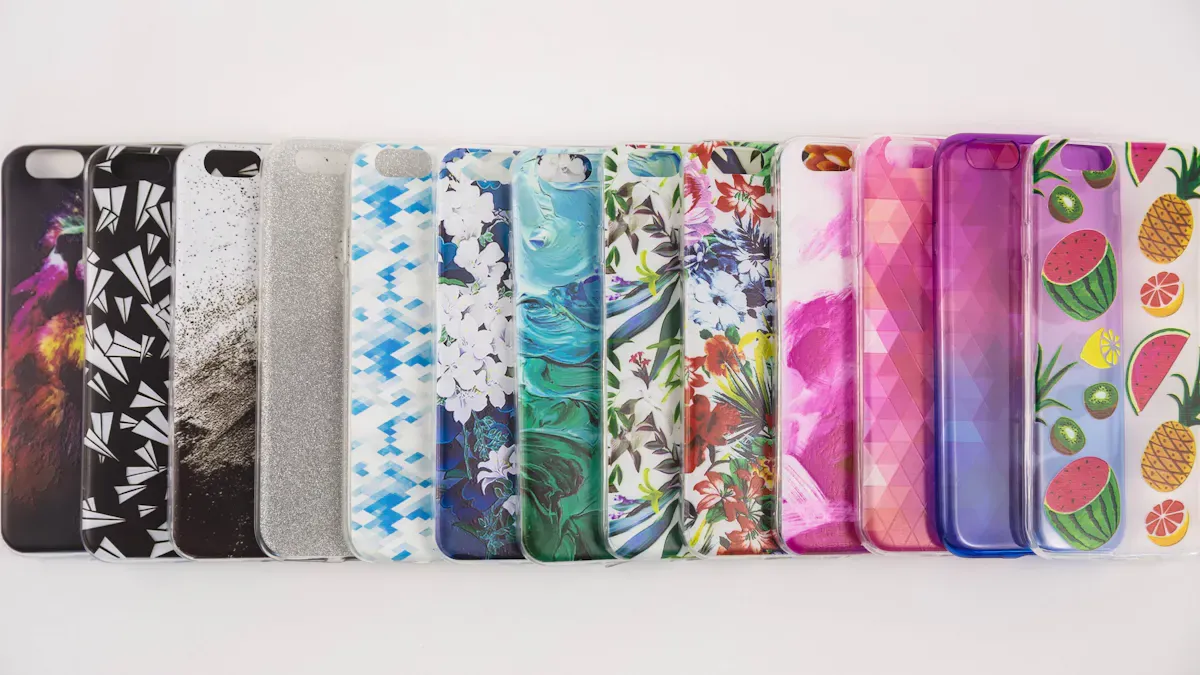
Custom phone cases help me stand out in a crowded market. I always look for ways to offer products that match my customers’ personalities and interests. When I sell custom phone cases, I create collections that appeal to specific groups. This approach lets me build loyalty and attract repeat buyers. I notice that niche collections convert sales better than generic designs. Custom phone cases allow me to focus on what matters to my audience, which strengthens my market position.
Customisation options
Print-on-demand
Print-on-demand services make it easy for me to offer fresh designs without holding excess stock. I can quickly respond to trends and customer requests. When a new phone launches, I time my product releases to capture shoppers who want the latest accessories. This strategy helps me maximise sales and stay relevant. Print-on-demand also lets customers design your case, which increases engagement and satisfaction.
Personalised designs
Personalised designs are popular with shoppers who want something unique. I offer options like names, initials, or custom artwork. These features make custom phone cases more appealing and encourage customers to share their purchases on social media. I use a variety of styles and materials to match different tastes. Here is a table showing the most popular customisation options:
| Customisation Option | Description |
|---|---|
| Ultra-clear cases with bold graphic layers | Designs with full-bleed graphics and neon accents that highlight device colour. |
| Circular-economy materials plus minimalist art | Eco-friendly materials paired with minimalist artwork for sustainability-conscious buyers. |
| 2026 aesthetics – vibrant pastels, kinetic shapes | Movement-inspired designs ideal for social media sharing. |
| High-functionality cases with style | MagSafe compatibility and modular designs for durability and convenience. |
| Micro-niche themes and hyper-personalisation | Collections for specific lifestyle groups, boosting conversion rates. |
| Launch with device drops and collector editions | Product launches timed with new device releases to capture immediate demand. |
Niche targeting
Profitable segments
I focus on niche markets to increase profitability. By targeting specific customer needs, I reduce competition and achieve higher profit margins. I identify gaps in the market, such as custom designs for rare phone models or unique custom phone case designs for hobby groups. This strategy attracts dedicated customers who value personalisation and quality.
Reducing competition
Niche targeting helps me avoid crowded markets. I build collections for defined audiences, which fosters loyalty and encourages repeat purchases. When I sell custom phone cases to these groups, I see consistent demand and less price pressure. I always look for opportunities to create products that resonate with my customers’ identities and interests.
Tip: Timing product launches with major device releases helps me capture high-intent shoppers and maximise sales.
Custom phone cases give me the flexibility to adapt quickly. I use print-on-demand and personalisation to meet changing preferences. I sell custom phone cases to profitable segments and reduce competition by focusing on what my customers want most.
Selecting case types and features
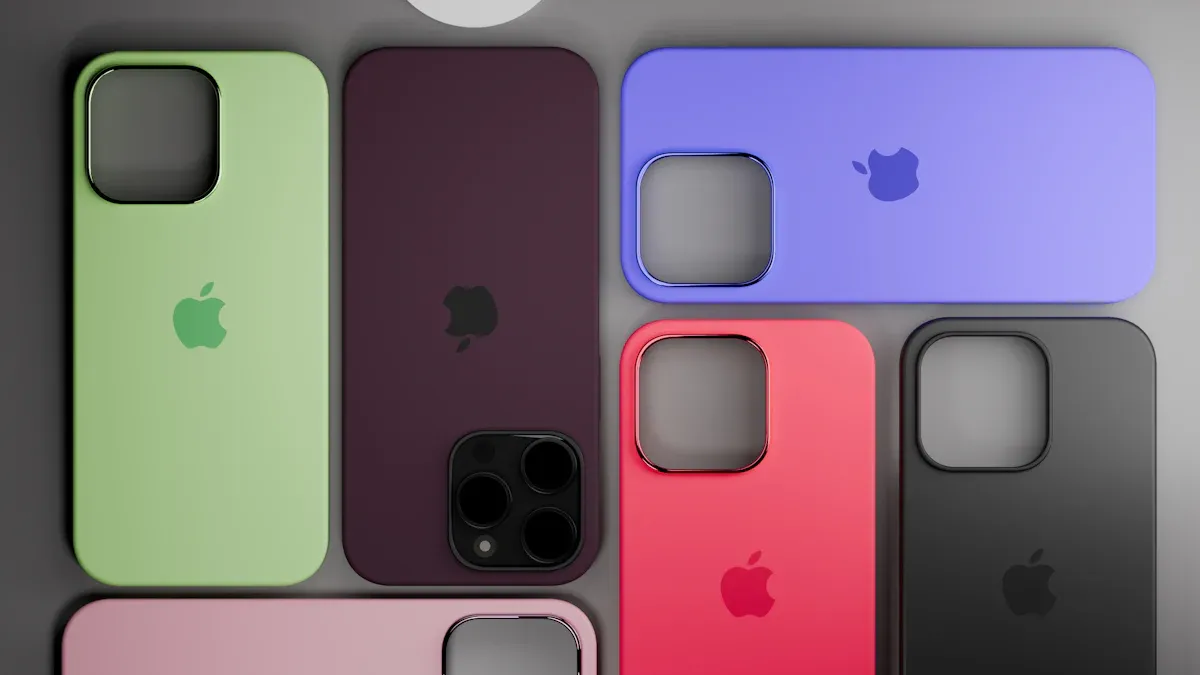
Choosing the right phone cases for my shop means I must look at more than just style. I always consider how well a case fits a device, what materials it uses, and which extra features customers want. This approach helps me offer products that meet both practical and personal needs.
Device compatibility
New releases
When a new phone model comes out, I act fast. I check the exact dimensions and button placements of the latest devices. I make sure my cases match these details. Customers expect a perfect fit and function from day one. If I stock cases that do not fit new phones, I lose sales and trust. I also watch for early leaks and announcements so I can prepare my inventory before the official launch.
Older models
Many customers still use older phones. I keep a selection of cases for these models. Some people want to protect their devices for as long as possible. Others look for replacement cases when their old ones wear out. By offering options for both new and older models, I reach a wider audience and reduce the risk of unsold stock.
Materials and durability
The material of a phone case affects how long it lasts and how happy customers feel with their purchase. I always test different materials to see which ones stand up to daily use. I also ask customers what they prefer. Here is a table that shows the most common materials, their durability, and how customers rate them:
| Material | Impact on Durability | Customer Satisfaction |
|---|---|---|
| Leather | Offers a premium feel but can wear over time | High due to aesthetics and feel |
| Silicone | Provides good grip and shock absorption | Generally high for protection |
| Acrylic | Lightweight but can scratch easily | Moderate, depends on design |
| Tempered Glass | Excellent scratch resistance | High for clarity and protection |
| Vegan Faux Leather | Eco-friendly option with decent durability | Increasingly popular among conscious consumers |
Impact testing
I always check how well a case protects a phone from drops and bumps. I look for cases that pass impact tests. Customers want to know their phones will survive everyday accidents. I share these results with shoppers to help them choose the best option.
Daily use
A good phone case must handle daily wear and tear. I test cases by using them myself and asking staff for feedback. I look for signs of fading, cracking, or stretching. If a case does not last, I remove it from my range. This process helps me keep quality high and customers satisfied.
Functional features
Wallet cases
Some customers want more than just protection. Wallet cases let people carry cards and cash with their phones. I stock several styles, from slim designs to cases with extra pockets. These cases add value and attract shoppers who want extra functionality in one product.
Kickstands
Kickstands make it easy to watch videos or join video calls hands-free. I notice many customers ask for this feature, especially those who use their phones for work or travel. I choose cases with sturdy, easy-to-use kickstands. This small detail can make a big difference in customer satisfaction.
Tip: I always ask customers which features matter most to them. This feedback helps me select cases that offer the best fit and function for their needs.
Sourcing and supplier selection
Choosing the right suppliers shapes my phone case business. I always look for partners who help me manage inventory efficiently and deliver consistent products. I focus on three main areas: minimum order quantity, shipping reliability, and quality control.
Minimum order quantity (MOQ)
Efficient inventory
I pay close attention to minimum order quantity when selecting suppliers. If a supplier offers low MOQ, I can keep my inventory lean. This approach reduces storage costs and frees up cash for other investments. I avoid overstocking by ordering only what I need. Short, predictable production lead times make inventory management easier. I can respond quickly to trends and customer requests.
Production lead times
Production lead times affect how fast I can restock popular phone cases. When lead times are short, I do not need to keep large amounts of safety stock. This saves money and space. Longer lead times force me to hold extra inventory, which increases costs and slows cash flow. I always ask suppliers about their lead times before placing orders. Reliable suppliers help me plan better and avoid disruptions.
- Short lead times allow me to maintain lean inventory.
- Long lead times require higher safety stock, raising storage costs.
- Supplier reliability is crucial. Unreliable partners disrupt lead times and force me to keep more stock.
Shipping reliability
Delivery times
Shipping reliability matters as much as production speed. I track delivery times for every order. Fast, predictable shipping lets me meet customer demand without delay. If a supplier cannot deliver on time, I risk disappointing customers and losing sales. I choose partners who offer clear tracking and consistent delivery schedules.
Inventory impact
Late shipments impact my inventory levels. I must keep extra stock to cover delays, which ties up resources. Reliable shipping reduces this risk. I review supplier performance regularly and switch partners if delivery issues persist. I want to keep my inventory balanced and ready for new trends.
Tip: I always ask for shipping guarantees and monitor delivery performance to protect my business.
Quality control
Sample testing
Quality control is essential for phone cases. I request samples before placing large orders. I test these samples for durability, fit, and finish. If a sample fails, I do not proceed with the supplier. I want every product to meet my standards.
Warranty
A good supplier offers a warranty on their products. This shows confidence in their quality. I check warranty terms and make sure they cover defects and returns. I share warranty details with customers to build trust.
Here is a table showing the most effective quality control measures I use:
| Quality Control Measure | Description |
|---|---|
| Tests | Formal, documented tests at set intervals. |
| Inspection | Analysing production lines to maintain quality. |
| Product Sampling | Random checks for consistency. |
| CAPA | Corrective and preventive actions for issues. |
| Documenting SOPs | Clear procedures for replicable results. |
| Managing Supplier Quality | Ensuring raw materials and components are consistent. |
| Training Management | Staff understand and follow best practices. |
| Change Control | Monitoring and approving quality changes. |
| Regular Process Audits | Checking for gaps or risks in operations. |
I always combine sample testing, supplier audits, and warranty checks to ensure quality. I want every phone case to meet customer expectations and last through daily use.
Inventory management and feedback
Managing my phone case inventory requires careful analysis and regular feedback from customers. I use a mix of technology and direct input to keep my stock balanced and relevant.
Sales analytics
Fast and slow movers
I track which phone cases sell quickly and which ones do not move. I rely on product performance analysis, inventory turnover reports, and category-wise sales insights to guide my decisions. These tools show me what works and what needs improvement.
| Evidence Type | Description |
|---|---|
| Product performance analysis | Helps me assess which phone case products are selling well. |
| Inventory turnover reports | Indicates how quickly phone cases are sold and restocked. |
| Category-wise sales insights | Provides detailed information on sales trends for different categories. |
I also set up daily stock alerts. These alerts help me avoid missed sales opportunities. Clear reports show me which products are profitable and which ones I should phase out.
Stock rotation
I rotate my stock based on sales data. Fast-moving cases stay in prime display areas. Slow movers shift to clearance sections or get bundled with other products. This method keeps my displays fresh and encourages customers to try new designs.
Tip: I always review my sales analytics at the end of each week. This habit helps me spot trends early and adjust my stock before issues arise.
Customer input
Adding requested designs
I value customer feedback when choosing new designs. I use surveys, user testing, and suggestion tools to collect ideas. Surveys give me long-form responses. User testing lets me see how people react to new mockups. Suggestion tools allow customers to submit and vote on their favourite designs.
| Method | Description |
|---|---|
| Surveys | Gather detailed feedback, best for long responses. |
| User Testing | Focus on specific design choices, useful for comparing multiple options. |
| User Suggestion Tool | Allows users to submit and vote on suggestions, revealing new ideas and issues. |
When I see repeated requests for a certain style or feature, I add it to my next order. This approach keeps my range fresh and customer-focused.
Removing unpopular items
I remove designs that do not sell or receive negative feedback. I monitor returns and complaints to spot patterns. If a case gets poor reviews or sits unsold for months, I phase it out. This process helps me avoid wasted space and money.
Inventory levels
Reordering
I use AI-powered systems to manage my inventory levels. These tools process large amounts of data quickly. They help me forecast demand and spot seasonal trends. I can adjust my orders before I run out of popular items or overstock slow sellers.
I also use machine learning to analyse historical sales and external factors. This technology gives me accurate forecasts. I can keep my shelves stocked with the right cases and reduce excess inventory.
Seasonal adjustments
I adjust my inventory for holidays, school terms, and new device launches. AI inventory management systems use real-time data to recommend stock levels. I follow these recommendations to avoid stockouts and reduce waste. This approach keeps my business agile and ready for changes in demand.
Note: Smart inventory management means I always have the right phone cases available, no matter the season or trend.
Marketing and launch strategies
Marketing and launching new phone case designs require a thoughtful approach. I use a mix of online and offline strategies to reach my customers and keep my shop competitive.
Social media marketing
Reaching target audience
I rely on social media to connect with my target audience. I choose platforms where my customers spend their time, such as Instagram and TikTok. I post engaging content that shows off new designs and highlights unique features. I also encourage customers to share their own photos using my cases. This user-generated content builds trust and creates a sense of community.
Here is a table showing the most successful social media marketing strategies I use:
| Strategy Type | Description | Examples |
|---|---|---|
| User-Generated Content | Customers create and share content, building authenticity and trust. | Starbucks’ #RedCupContest, GoPro’s adventure videos |
| Influencer Partnership | I work with influencers to promote my products to their followers. | Daniel Wellington’s micro-influencer strategy |
| Effective Use of Hashtags | I use hashtags to increase visibility and reach new customers. | Hashtags related to trending topics |
| Engaging Content Creation | I post high-quality, interesting content to keep my audience engaged and informed. | Regular posts with tips, stories, and product highlights |
Promoting new designs
When I launch new phone case designs, I create excitement through social media campaigns. I share sneak peeks and behind-the-scenes videos. I also run giveaways and ask followers to vote on their favourite styles. These activities help me build anticipation and drive early sales. Sometimes, I combine online promotions with in-store demonstrations to give customers a hands-on experience.
Responding to device launches
Early stock planning
I always prepare for new device launches by planning my stock early. I follow tech news and monitor upcoming releases. I order compatible cases in advance to ensure I am ready when customers start looking for accessories. This proactive approach helps me avoid stockouts and capture demand from day one.
Launch campaigns
During a device launch, I run targeted campaigns both online and in my shop. I highlight the new cases in my window displays and organise in-store demonstrations to show how well they fit and protect the latest devices. I also send email updates to my subscribers, letting them know about new arrivals and special offers.
Testing new products
Trial runs
Before I commit to a full-scale launch, I test new phone case designs using several methods:
- I try the cases myself to check comfort and durability.
- I ask friends and staff to use them and share honest feedback.
- I offer limited releases to a small group of loyal customers.
These trial runs help me spot any issues and make improvements before a wider launch.
Feedback loops
After launching a new product, I collect feedback from customers. I listen to their opinions and analyse reviews. This feedback loop allows me to refine my phone case offerings and address any concerns quickly. Research shows that businesses using feedback loops can increase customer satisfaction by up to 30%. I use this process to keep my products relevant and ensure my customers stay happy.
I always keep my shelves stocked to avoid disappointing customers. I optimise inventory by analysing each SKU and tracking stock levels in real time. I use demand forecasts to predict what I need. Ongoing research and trend analysis help me stay ahead of competitors and spot new opportunities. I make data-driven decisions and adapt quickly. To improve results, I review my processes often and focus on these steps:
- Monitor inventory turnover rate.
- Assess sell-through rate.
- Track gross margin return on investment.
Regular feedback and smart planning keep my business strong.
FAQ
How do I decide which phone cases to stock?
I always check sales data and customer feedback. I look at device trends and study the phone accessories market. This helps me choose cases that match demand and keep my inventory fresh.
What makes a phone case the best product for the job?
I look for cases that fit well, protect devices, and offer features customers want. I test durability and ask for feedback. I choose cases that meet both practical and style needs.
How can I keep up with new device launches?
I follow tech news and plan my stock early. I order cases for new models before launch. I use trial runs and feedback to adjust my range quickly.
Why is customer feedback important for my business?
Customer feedback shows me what works and what needs improvement. I use surveys and suggestion tools to add popular designs and remove unpopular items. This keeps my shop customer-focused.
How do I manage inventory for seasonal changes?
I use sales analytics and AI tools to forecast demand. I adjust my stock for holidays and device launches. I review inventory levels often to avoid stockouts and reduce waste.
What features do customers ask for most in phone cases?
Customers often request wallet cases, kickstands, and eco-friendly materials. I listen to their needs and add requested features to my range. This helps me stay ahead in the phone accessories market.
How do I ensure quality when choosing suppliers?
I request samples and test them for fit and durability. I check warranty terms and monitor delivery times. I choose suppliers who offer consistent quality and reliable shipping.
Can custom phone cases help my shop stand out?
Custom phone cases let me offer unique designs. I use print-on-demand and personalisation to target niche groups. This builds loyalty and attracts repeat buyers.


 English
 Arabic
 Chinese (Simplified)
 Dutch
Dutch French
 German
 Italian
 Portuguese
 Russian
 Spanish