

Analysis of Production Capacity and Scalability for Phone Case Manufacturers in 2026

Manufacturers can work better and grow faster by using a phone case production capacity guide. This guide uses digital tools and simple workflows. Market leaders change quickly by using smart factories and flexible systems.
Digital twins remove limits of old training methods. They let workers practice with simulations that do not stop real work. This makes training better and helps workers learn more without slowing down production. Digital twins can change and grow with new production needs.
| Benefit | Explanation |
|---|---|
| Reduced operational costs | Automating jobs and cutting extra steps lowers costs. It lets workers focus on important tasks. |
| Greater productivity and flexibility | Simple workflows stop delays. They help teams change plans fast and stay ahead. |
| Improved customer experiences | Faster work and steady quality make clients happy and build trust. |
Key Takeaways
- Use digital tools like smart factories and digital twins to make production faster and cheaper.
- Focus on flexible production systems so you can change quickly when the market or customers want something new.
- Check your factory’s capacity often to find ways to get better and set goals you can reach.
- Connect your supply chain to get materials on time and stop delays in making products.
- Train workers on new technologies to help them learn more and make fewer mistakes during production.
Phone Case Market Trends 2026
Global Growth and Regional Leaders
The phone case market will grow a lot in 2026. More people will buy mobile phone cases as smartphone use rises. APAC will be the top region for phone case sales with a 68% growth rate. North America and Europe will also grow, but not as much as APAC. APAC will be the main reason for the market’s big growth. Many factories in APAC can make lots of mobile phone case products fast. This area has strong supply chains and good technology. North America and Europe care more about brand value and custom smartphone accessories. These places use new designs and materials to get more buyers.
Knowing which region leads the phone case market helps companies plan better. They can build factories in the best spots and fill orders faster.
Demand Drivers and Consumer Shifts
Many things help the phone case market get bigger. People want more smartphone accessories when new phones come out each year. They want cases that keep their phones safe and look cool. The global mobile phone case market also grows because of new materials and smart features. Companies use graphene and degradable PLA to make stronger and greener cases. Some cases have wireless charging or nano self-healing surfaces.
The table below lists the main trends for the phone case market in 2026:
| Trend | Description |
|---|---|
| Industry Chain Integration | Full control from raw materials to finished mobile phone case products. |
| Flexible Production Systems | Quick changes in orders and fast delivery of new smartphone accessories. |
| Digital Asset Reserves | Large 3D model libraries for many phone types. |
| Innovative Materials | Use of graphene and PLA for better and greener mobile phone case options. |
| Cost Optimization Strategies | Lower costs by sharing molds and buying together. |
| Value-Added Services | New features like dynamic images and smart interactive shells. |
| Forward-Looking Technology | Nano self-healing and wireless charging for advanced phone case market products. |
People now want more than just protection from their mobile phone case. They want style, smart features, and eco-friendly choices. Companies that follow these market trends can plan better and grow with the phone case market.
Phone Case Production Capacity Guide
Assessing Current Capacity
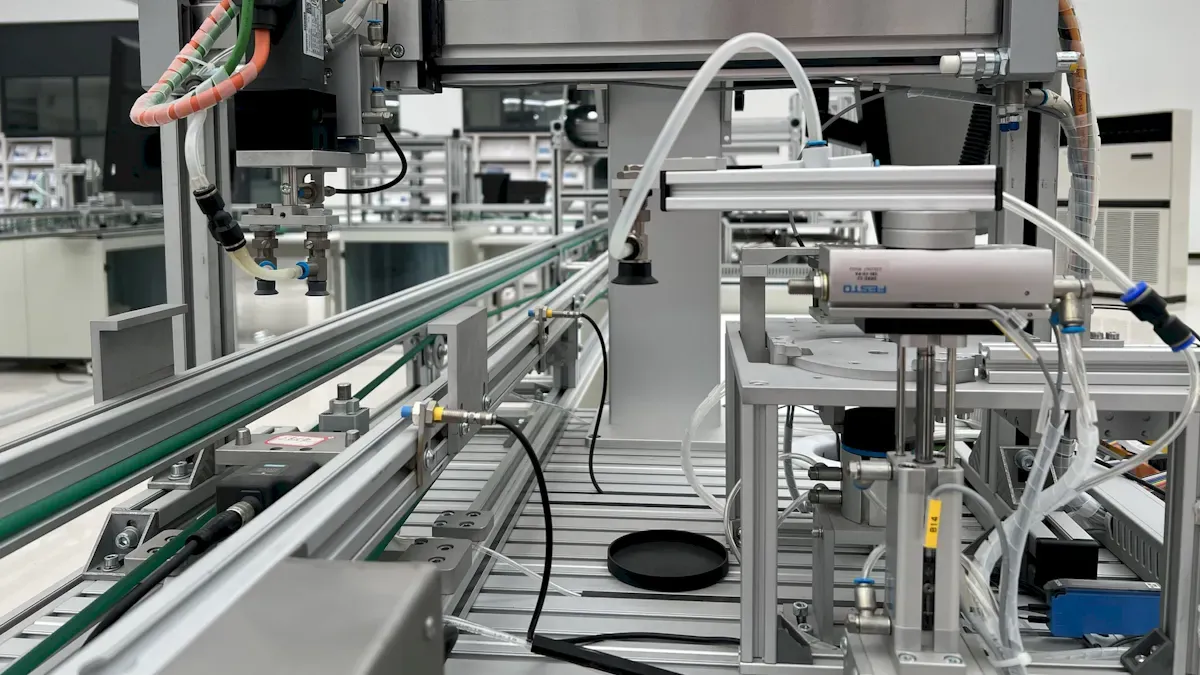
A phone case production capacity guide starts by checking what a factory can do now. Manufacturers use different ways to see how many cases they can make. They watch workers and machines as they work. They also look at old records to find patterns. Workers talk about what slows them down and what helps them. These steps show companies what they are good at and where they need help.
| Method | Description |
|---|---|
| Direct Observation | Physically watching the production process to check how much can be made right now. |
| Historical Data Analysis | Looking at old production numbers to spot trends and see how well the factory uses its time. |
| Consultation with Personnel | Talking to staff to learn about how things work and what problems they face. |
Manufacturers also look at three main numbers:
- Design Capacity: This is the most cases they could make if nothing goes wrong.
- Effective Capacity: This is the best they can do when things like repairs or breaks happen.
- Actual Output: This is how many cases they really make in a certain time.
A phone case production capacity guide helps leaders see how their factory is doing. They can find weak spots and make plans to get better.
Streamlined Production Processes
A phone case production capacity guide also shows how to make work easier. Manufacturers follow steps to help things run smoothly:
- They check how many cases people want and plan their work.
- They keep track of supplies so they do not waste money.
- They work with suppliers to get materials fast.
- They check the quality to stop mistakes and slowdowns.
- They use machines and technology to keep up with orders.
Design for Manufacturability (DFM) is important here. Engineers make products that are easy to build. They pick simple shapes, good materials, and easy steps. This helps teams make more cases with fewer problems.
A phone case production capacity guide shows that new ideas make things better. Teams can change plans quickly and still make good cases.
Digital Capacity and Smart Factories
Digital production capacity changes how factories work. Smart factories use new technology to do more and work better. Machines have sensors that find problems before they get big. This helps fix things early and keeps the line moving.
Smart factories can also change what they make very fast. They can switch to new phone case designs or sizes. Artificial intelligence helps guess what people will buy and changes the plan right away. This helps companies give customers what they want faster.
A phone case production capacity guide shows why digital tools matter. Real-time data helps leaders make fast choices. Smart factories use everything well and grow in a smart way. Companies that use digital production capacity can grow fast and stay ahead of others.
Scalability Strategies for Mobile Phone Case Manufacturers
Flexible Production Systems
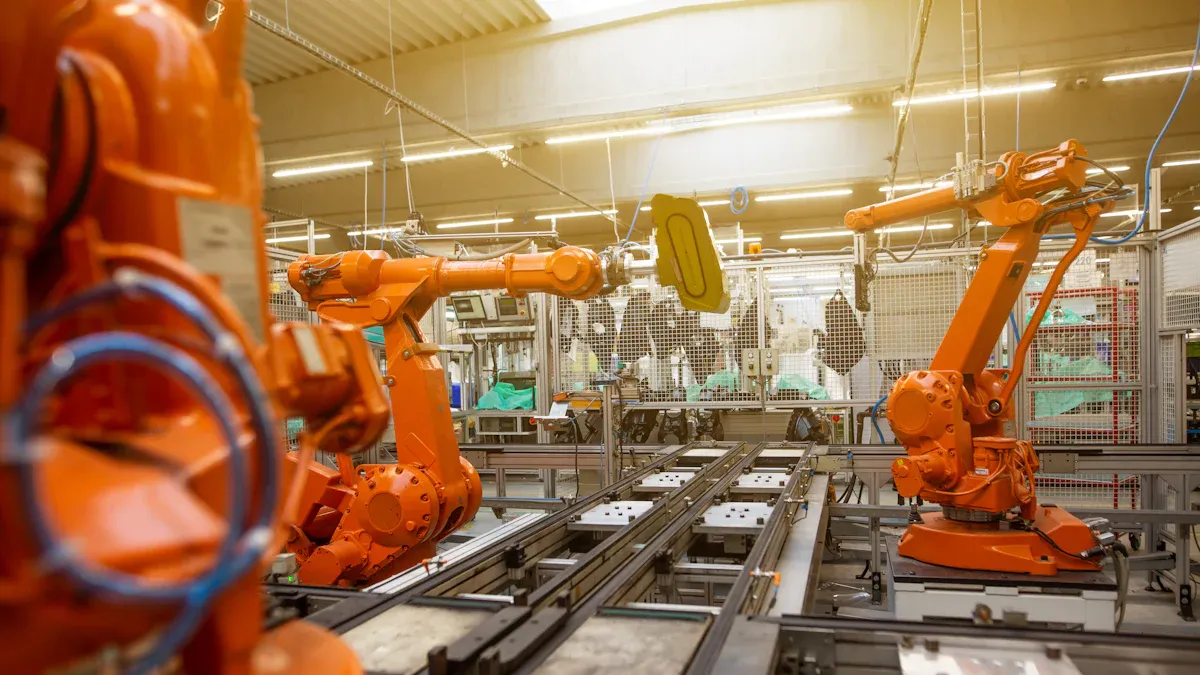
A flexible production system helps companies grow bigger. This system lets them change how they work very fast. They can make different phone case designs or sizes without stopping everything. When the market changes, they can change machines and workers to fit new needs. This way, they do not need to rebuild the whole factory.
Manufacturers use flexible layouts to make custom phone cases. They can add new colors, patterns, or features quickly. The system can handle many orders at the same time. This makes it easy to customize cases for customers. It also helps them try new eco-friendly plastics or recycled materials. Teams can test these new materials without slowing down the main work.
A flexible production system is a good way to grow. Companies can give customers more choices and use green materials. They can also stay ahead of other companies that cannot change fast.
Tip: Flexible systems help companies offer more choices and use green materials. They let companies grow without wasting time or money.
Supply Chain Integration
A strong supply chain plan helps companies grow bigger. They need to connect every step, from raw materials to finished phone cases. Digital tools help them track shipments and manage supplies. These tools also help them get ready for busy times. This plan helps companies grow because it stops delays and saves money.
The table below shows the main parts of supply chain integration for phone case makers:
| Component | Description |
|---|---|
| Digital Supply Chain Solutions | These tools cut down on waiting and costs by fixing problems early and keeping track of supplies. |
| Scalability | This means the supply chain can change when needed and stay flexible. |
| Advanced Technologies | Using AI and other new tools makes factories work better and faster. |
Companies use these tools to handle special orders. They can buy special materials for custom phone cases. They can also switch to green materials when needed. New technology helps them guess what customers will want next. This makes it easier to plan for new trends and materials.
A good supply chain plan also helps with green materials. Companies can find suppliers who sell recycled or biodegradable plastics. They can track these materials from the start to the factory. This helps them show customers that their products are good for the planet.
Risk Management Approaches
Companies face many problems when they try to grow. Machines might break, suppliers might be late, or new materials might not work. A good risk plan helps them get ready for these problems. They can have backup plans for important machines. They can keep extra green materials in case of delays.
Companies also test new materials before using them for big orders. This helps them avoid mistakes that slow down work. They talk with suppliers to make sure they have enough materials for custom cases. They also teach workers how to use new machines or ways of working.
Note: Good risk plans keep work going. They help companies deliver custom phone cases on time, even if problems happen.
Companies that use these plans can grow safely. They can offer more choices, use more green materials, and try new ideas without big risks. This helps them keep growing in the phone case market.
Case Studies: Scaling Success in the Phone Case Market
Asia-Pacific High-Volume Production
Asia-Pacific is number one for making lots of phone cases. Factories in China, Vietnam, and India use smart machines and digital systems. These factories can make millions of cases every month. Robots help move materials and finish products fast. Managers watch data on screens to spot problems early.
Many companies in Asia-Pacific have smart factories. These factories can change what they make very quickly. When a new phone comes out, they switch designs in just a few hours. This helps them fill big orders from phone brands all over the world.
The table below shows how Asia-Pacific factories make so many cases:
| Method | Result |
|---|---|
| Automation | Faster production |
| Digital monitoring | Fewer mistakes |
| Flexible lines | Quick design changes |

Phone Case Market Analysis
These steps help Asia-Pacific stay ahead in the phone case market.
North America and Europe Brand Growth
North America and Europe care about brand value and custom designs. Companies here use smaller factories than Asia-Pacific. They do not make as many cases, but they focus on style and quality. They use advanced materials and eco-friendly ways to make cases.
Many brands work with local suppliers. They try new ideas and sell special editions. Customers in these places want unique cases. Companies use digital design tools to make new looks fast.
Companies in these regions grow by selling custom cases and building strong brands. They use smart manufacturing to keep quality high and waste low.
These case studies show that different places use different ways to win in the phone case market.
Cost-Benefit and Risk Analysis
Investment vs. Return in Scaling
Manufacturers want to know if growing is worth the money. They have to think about what they spend and what they get back. Buying new machines or smart factory tools costs a lot at first. This means paying for equipment, teaching workers, and getting new software. But these things can help make more phone cases faster.
A simple table shows the main costs and what companies get:
| Investment Area | Cost Example | Possible Return |
|---|---|---|
| Automation Equipment | $100,000 for robots | 30% faster production |
| Digital Tools | $20,000 for software | Fewer mistakes, better data |
| Worker Training | $10,000 per team | Higher skill, less downtime |
Tip: Companies that plan their spending and check results make more money. They can also change plans quickly when the market changes.
When companies grow, each phone case costs less to make. They can also take big orders and sell to more people. Over time, the money spent on growing can bring in much more profit.
Mitigating Production Risks
Growing bigger can cause new problems. Machines might stop working. Suppliers might be late. New materials might not work right. Smart companies make plans to stay safe.
Here are some ways companies lower risks:
- Have extra machines ready to use.
- Try new materials before making lots of cases.
- Work with more than one supplier.
- Teach workers how to use new tools and fix problems.
Note: Good risk plans keep work going, even if something goes wrong.
Companies that get ready for risks can keep their promises to customers. They can also stop big losses. By watching for problems and acting fast, they protect their business and keep growing.
Actionable Recommendations for 2026
Steps to Enhance Capacity and Scalability
Manufacturers can follow easy steps to make more phone cases. First, they should check how many cases they make now. This helps them see what needs to get better. Leaders can set goals for each month. They can use digital tools to watch progress and find problems early.
Teams should teach workers how to use new machines and software. This training helps everyone work faster and make fewer mistakes. Companies can use smart machines that fix small issues before stopping work. Managers should talk with suppliers often. Good talks help materials arrive on time.
Tip: Small changes every day can make production faster and better.
The table below shows simple actions and their benefits:
| Action | Benefit |
|---|---|
| Track production daily | Find slow spots quickly |
| Train workers on new tools | Make fewer mistakes |
| Use smart machines | Less downtime |
| Talk with suppliers often | Steady material supply |
Future Opportunities
Manufacturers have many ways to grow in the future. They can use new methods and technology to make more cases and reach more customers.
- Product and process standardization helps factories make the same cases everywhere. This makes it easier to keep working if one factory has a problem.
- 3D printing and additive manufacturing let companies make parts fast. They can use global networks to fill orders quickly.
- Digital twin technology creates a virtual copy of the factory. Leaders can test changes and fix problems before they happen.
- Scalable manufacturing methods let companies change how much they make without stopping everything.
These steps help manufacturers stay ready for new trends. They can grow their business and meet customer needs in 2026 and beyond.
Phone case manufacturers can make more cases and grow by using real-time data, predictive maintenance, and digital twins. They should use digital tools, watch market trends, and keep workflows simple. Some important strategies are: tracking KPIs to help leaders make good choices, using IoT sensors to find problems early, and fixing workflow delays quickly. For future growth, companies should first look at how they work now and what they need. Next, they should make a plan for both short and long-term goals. Then, they should pick technology that can grow with their business.
Putting money into smart and scalable solutions helps companies stay ready when the market changes.
FAQ
What is production capacity in phone case manufacturing?
Production capacity means how many phone cases a factory can make in a certain time. It helps managers get ready for big orders and stop slowdowns.
How do smart factories help phone case makers?
Smart factories use sensors and computers to watch the work. These tools spot problems early and help workers fix them fast. This keeps the work going without stopping.
Why does scalability matter for phone case companies?
Scalability lets companies grow when more people want phone cases. They can add machines or workers without stopping the line. This helps them fill more orders.
What digital tools improve production capacity?
Digital twins, IoT sensors, and real-time data dashboards help leaders see how things are going. These tools show what to fix and help teams make better choices every day.


 English
 Arabic
 Chinese (Simplified)
 Dutch
Dutch French
 German
 Italian
 Portuguese
 Russian
 Spanish