

A Complete Guide to Custom Mold Phone Case Manufacturing for OEMs
I manufacture custom mold phone case OEM products by following a clear process from start to finish. I find that understanding each stage—design, manufacturing, quality control, packaging, and branding—improves both efficiency and reliability. For example, I see how each stage impacts success:
| Stage | Impact on Efficiency and Reliability |
|---|---|
| Design | Meets consumer demands and standards |
| Manufacturing | Speeds up production |
| Quality Control | Keeps high standards with inspections |
| Packaging | Protects product integrity |
| Branding | Boosts market competitiveness |
I value a step-by-step guide because it helps me balance cost, scalability, customization, and equipment choices.
Key Takeaways
- Understand the production process: Follow a clear step-by-step guide from design to distribution to ensure efficiency and quality.
- Prioritize quality control: Implement inspections at every stage to maintain high standards and avoid defects in the final product.
- Choose the right materials: Select plastics like ABS, PC, TPU, or eco-friendly options based on durability and customer needs.
- Embrace automation: Use automated systems to enhance production speed, reduce labor costs, and improve consistency in quality.
- Focus on customization: Offer unique designs and features to meet customer demands and stand out in the competitive market.
- Plan for scalability: Design your manufacturing process to easily adjust to increased demand without sacrificing quality.
- Maintain equipment regularly: Schedule routine maintenance to prevent breakdowns and ensure smooth production operations.
- Protect your intellectual property: Register patents and trademarks to safeguard your designs and maintain a competitive edge.
Custom Mold Phone Case OEM Guide
Process Overview
When I start a custom mold phone case OEM project, I always follow a clear production process. This guide helps me turn an idea into a finished product. I begin with market research and design. I look at what customers want and set the design specifications. Next, I move to prototyping. I use digital tools to create models and test the fit and look. After that, I source materials that meet quality standards. I work with trusted suppliers to get the right plastics or silicone.
Once I have the materials, I start the manufacturing stage. I plan the production process and set up the machines for iphone case manufacturing. I make sure every step follows the guide for quality and efficiency. During assembly, I check that each part fits perfectly. I use inspections and tests to keep the quality high. After assembly, I focus on packaging and labeling. I design packaging that protects the product and matches the brand. Finally, I handle logistics and distribution. I ship the finished cases to retailers or distribution centers and manage inventory.
Here is a table that shows how I transform OEM requirements into a detailed manufacturing plan:
| Stage | Description |
|---|---|
| Concept and Design | Involves market research, design specifications, and prototyping to define the product. |
| Material Sourcing | Identifying and procuring materials from suppliers that meet quality standards. |
| Manufacturing and Assembly | Converting raw materials into products, including production planning and assembly processes. |
| Quality Control | Implementing inspections and tests to ensure products meet specifications. |
| Packaging and Labeling | Developing custom packaging and labeling according to brand regulations. |
| Logistics and Distribution | Shipping finished products to distribution centers or retailers, managing inventory effectively. |
This step-by-step guide keeps the production process organized and efficient. I always check each stage to make sure the iphone case manufacturing meets the highest standards.
Key Benefits for OEMs
I see many benefits when I use a custom mold phone case OEM guide. First, I get full control over the design. I can create unique shapes, colors, and features that set my cases apart. This helps me meet customer needs and stand out in the market. Second, I can scale the production process easily. If I need to make more cases, I adjust the manufacturing plan and increase output. Third, I save costs by planning each step. I avoid waste and reduce mistakes during iphone case manufacturing.
Another benefit is quality assurance. I use inspections and tests at every stage of the production process. This keeps the final product reliable and safe. I also protect my brand by using custom packaging and labeling. This makes my cases look professional and helps with marketing. Finally, I can respond quickly to market changes. If trends shift, I update the guide and change the design or materials. This flexibility keeps my business competitive.
Tip: Using a detailed guide for the production process helps me avoid delays and cost overruns in iphone case manufacturing.
Project Timeline
I always plan the project timeline carefully for custom mold phone case OEM production. I break down the iphone case manufacturing process into clear steps. For example, silicone mold fabrication usually takes about 48 hours. Resin casting can be done on the same day. If I need up to 100 parts, standard delivery takes about 5 days. I can have production-ready parts in just 5 days if I follow the guide closely.
Here is a table that shows a typical project timeline for the production process:
| Stage | Timeline |
|---|---|
| Silicone mold fabrication | 48 hours |
| Resin casting | Same-day |
| Standard delivery for ≤100 parts | 5 days |
| Total production-ready parts | 5 days |
By following this timeline, I keep the production process on track. I deliver finished iphone case manufacturing orders quickly and meet customer deadlines. This organized approach helps me manage resources and avoid bottlenecks.
Design and Prototyping for iPhone Case Manufacturing
OEM Design Specs
When I start a new project for high-quality iphone cases, I always begin with clear design specifications. I talk with clients to understand their needs for custom features, colors, and branding. I focus on design customization because every brand wants something unique. I make sure the design meets both style and function. For example, I check that the case fits the phone perfectly and protects it from drops. I also look at the materials and finishes that match the brand’s image. This step helps me create a custom design that stands out in the market.
CAD and Digital Prototyping
After I gather the design specs, I use CAD software to create digital models. CAD lets me see every detail of the custom case before I make a physical prototype. I can adjust the design quickly if I spot any issues. This digital step saves time and money. I also use CAD to test the design for manufacturability. I make sure the design will work well with the machines and materials I plan to use. This process helps me deliver high-quality iphone cases that meet all requirements.
Rapid Prototyping Methods
I rely on rapid prototyping to turn digital designs into real samples. This step lets me test the look and feel of the case before full production. I use two main methods: 3D printing and CNC machining.
3D Printing
I often use 3D printing to create a master model for the custom mold. This method gives me fast results and lets me check the design customization in just a few days. 3D printing works with many materials, so I can mimic the final product. I use it to make sure the prototype matches the client’s vision for high-quality iphone cases.
CNC Machining
Sometimes, I use CNC machining for parts that need extra strength or detail. CNC machines cut the design from solid material, which gives me a precise prototype. I use this method when I need to test the fit and finish of custom cases. Both 3D printing and CNC machining help me create high-quality iphone cases quickly and cost-effectively.
Here is how I usually approach rapid prototyping:
- I create a master model using 3D printing or CNC machining.
- I make a silicone mold around the master model.
- I cast the prototype using materials that match the final product.
- I cure and finish the prototype for testing.
These steps let me test and improve the design before mass production. I can also show clients a real sample for approval.
Note: Rapid prototyping gives me flexibility and helps me avoid costly mistakes in later stages.
Custom vs. Standard Molds
Choosing between custom and standard molds is a key decision. I use custom molds when I want full control over design customization and brand consistency. Custom molds cost more at first, but they lower the per-unit cost when I make large batches of high-quality iphone cases. Standard molds cost less upfront and work well for urgent needs, but they limit my options for custom features.
| Aspect | Custom Molds | Standard Molds |
|---|---|---|
| Cost | Higher upfront tooling cost, lower per-unit cost with volume | Lower upfront cost, but potentially higher per-unit cost over time |
| Flexibility | Greater design flexibility and consistency across locations | Limited customization, suitable for urgent needs |
| Long-term Operations | Better for long-term reordering and brand consistency | May lack long-term consistency and customization |
I always weigh the benefits of custom molds against the project goals. For most OEMs, custom molds offer the best path to unique, high-quality iphone cases and long-term savings.
Mold Making Techniques
Types of Molds
When I start a new custom phone case project, I always choose the right molds for the job. The two main types I use are steel molds and aluminum molds. Each type has its own strengths for custom plastic tooling and manufacturing.
Steel Molds
I use steel molds when I need high durability and long production runs. Steel molds last a long time, so I can make thousands of cases without losing quality. These molds work well for custom plastic tooling because they handle high pressure during molding. I find steel molds cost more at first, but they save money over time if I plan large-scale manufacturing. I also notice that steel molds give me smooth finishes and tight tolerances, which is important for custom phone cases.
Aluminum Molds
Sometimes, I pick aluminum molds for custom plastic tooling when I want faster turnaround and lower costs. Aluminum molds are lighter and easier to machine, so I can finish tooling quickly. I use them for short runs or when I need to test a new design. Aluminum molds do not last as long as steel molds, but they help me speed up the manufacturing process. I often use aluminum molds for prototypes or limited-edition custom phone cases.
Mold Design for OEMs
I always focus on mold design before starting manufacturing. Good mold design helps me avoid problems during molding and keeps custom plastic tooling efficient. I work with engineers to make sure the molds match the phone case design. I check for features like draft angles, parting lines, and ejector pin locations. These details help me remove the finished case from the mold without damage. I also use software to simulate how plastic will flow inside the mold. This step lets me spot defects before I start manufacturing. Careful mold design saves time and money in custom plastic tooling.
Mold Fabrication Steps
I follow a clear process for mold fabrication in custom plastic tooling. Here are the main steps I use for manufacturing molds:
- I start with design for manufacturability. I review the phone case design and make changes to help with molding.
- I select the right material for the molds, usually steel or aluminum, based on the production needs.
- I run a mold flow simulation using software. This helps me see how the molten plastic will fill the mold and shows me any possible defects.
- I create a prototype mold using 3D printing or CNC machining. This step lets me test the mold before full manufacturing.
- I finish the mold using high-precision CNC machining or electrical discharge machining. This gives me the final custom plastic tooling ready for production.
Tip: I always test the prototype mold before starting mass manufacturing. This step helps me catch problems early and improve the final tooling.
I find that following these steps keeps my custom plastic tooling process smooth and reliable. I can deliver high-quality custom phone cases and keep my manufacturing on schedule.
Mold Maintenance
I always pay close attention to mold maintenance because it keeps my phone case production running smoothly. When I take care of each mold, I avoid unexpected breakdowns and keep my products consistent. I have learned that regular maintenance extends the lifespan of molds and saves money in the long run.
I start by inspecting every mold before and after each production run. I look for signs of wear, damage, or corrosion. If I spot any issues, I fix them right away. This habit prevents small problems from turning into big failures. I also clean the mold surfaces after each use. Dust, plastic residue, and other contaminants can build up quickly. Clean molds produce better phone cases and reduce the risk of defects.
Lubrication is another key step in my routine. I apply the right lubricant to all moving parts of the mold. This keeps the mold operating smoothly and prevents parts from sticking or wearing out. I never skip this step because it helps me avoid costly repairs.
I also believe in strong quality control. I check the mold during production to make sure it creates parts that meet my standards. If I notice any changes in the finished cases, I stop and inspect the mold again. This approach helps me catch issues early and maintain high product quality.
Operator training plays a big role in mold maintenance. I make sure everyone on my team knows how to handle molds properly. I run training sessions that cover cleaning, inspection, and safe operation. Well-trained operators help me spot problems sooner and keep the molds in top shape.
I always choose high-quality materials when I invest in new molds. Durable materials make the mold last longer and resist damage from repeated use. This decision pays off over time because I spend less on repairs and replacements.
Here are the essential practices I follow for mold maintenance:
- Inspect each mold regularly for wear, damage, or corrosion.
- Clean mold surfaces after every production run to prevent buildup.
- Lubricate all moving parts to ensure smooth operation.
- Apply strict quality control checks during and after production.
- Train operators on proper mold handling and maintenance.
- Use high-quality materials for new molds to boost durability.
Tip: Consistent mold maintenance not only extends the life of molds but also improves the quality of every phone case I produce.
By following these steps, I keep my molds in excellent condition. I reduce downtime, improve efficiency, and deliver reliable products to my customers.
Material Selection for Custom Cases
Common Materials (ABS, PC, TPU, Silicone)
When I choose materials for custom phone cases, I always look at the most popular options. I often use ABS, PC, TPU, and silicone. Each material works well with the mold process and fits different needs. ABS is a strong plastic that gives cases a solid feel. I like it because it resists impact and holds color well. PC, or polycarbonate, is another tough plastic. It handles drops and scratches, making it great for protective cases. TPU is softer and more flexible. I use it when I want a case that bends but does not break. Silicone feels smooth and offers a good grip. I find it easy to shape with molds, and it works well for custom designs.
Material Properties
I always check the properties of each plastic before I start the mold process. ABS stands out for its strength and easy molding. It keeps its shape even after many uses. PC gives me clear or colored cases with high impact resistance. I use it when I need a case that will not crack. TPU lets me make custom cases that are flexible and shock-absorbing. It fits snugly around the phone and works well with detailed molds. Silicone is soft and resists heat. I like using it for custom cases that need a smooth finish. Each material reacts differently in the mold, so I test them to see which one fits the project best.
Here is a table that helps me compare these plastics:
| Material | Strength | Flexibility | Grip | Mold Compatibility |
|---|---|---|---|---|
| ABS | High | Low | Medium | Excellent |
| PC | Very High | Low | Medium | Excellent |
| TPU | Medium | High | High | Very Good |
| Silicone | Medium | Very High | Very High | Good |
Tip: I always match the material to the type of mold and the custom features my client wants.
Eco-Friendly Options
I see more clients asking for eco-friendly custom cases. I explore new plastics that are better for the environment. Polyurethane stands out as a strong choice. It gives me durability and versatility. I use it in molds to create cases that last longer and resist wear. Polyurethane costs more at first, but I find it saves money over time because it does not need to be replaced as often. Its strength and insulation make it a better investment than some cheaper plastics. I also look for recycled plastics and biodegradable options. These materials work with most molds, but I test them to make sure they meet my quality standards. When I use eco-friendly plastics, I help my clients reduce their impact on the environment without giving up performance.
Note: Choosing the right plastic for each mold helps me create custom cases that are strong, stylish, and sustainable.
Injection Molding Machines and Production
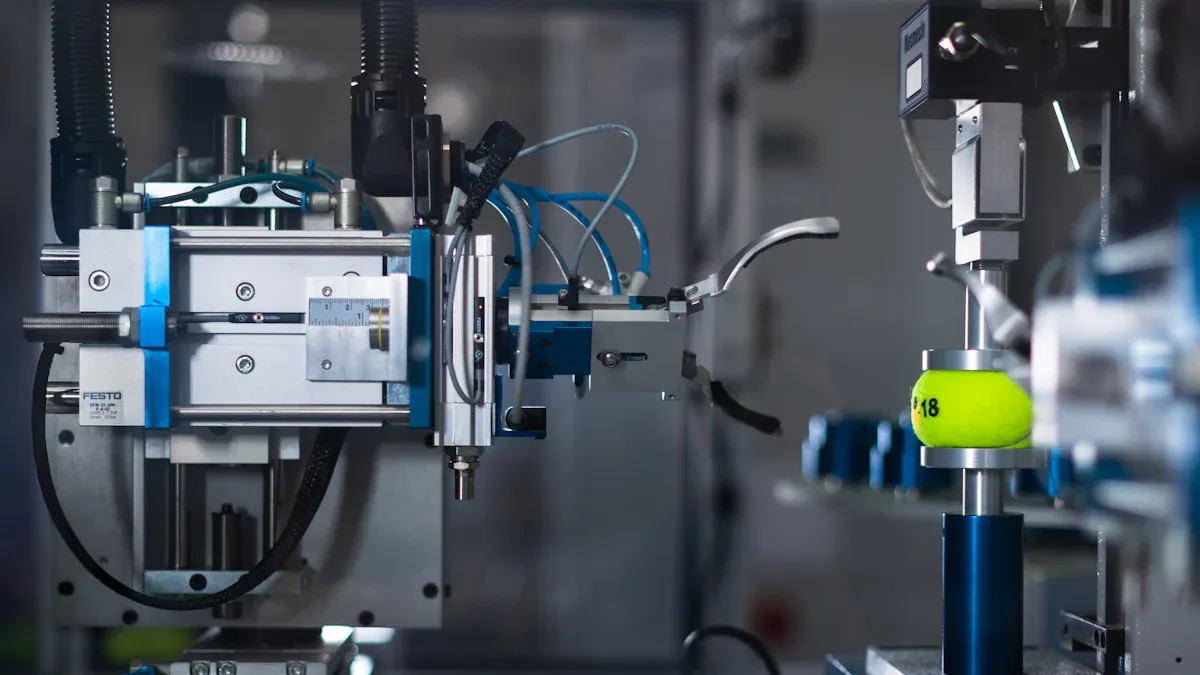
Injection Molding Workflow
When I start making custom phone cases, I always follow a clear injection molding workflow. First, I choose the right mold for the job. I decide if I need a single, multi-cavity, or stack mold. Each type helps me control how many cases I can make at once. I use different molding techniques like insert molding or overmolding to add special features. I pick from over 500 materials, including rigid plastics, elastomers, and rubber. I also select the finish, such as SPI A1 for a glossy look or VDI 3400 for a textured feel. Sometimes, I need painting for extra color. I work with partners who have ISO 9001 certification, so I know the process meets high standards. I can get lead times as low as 7 days and save up to 50% on prototypes by using rapid prototyping and high-volume production.
Here is a table that shows the main features of my injection molding workflow:
| Feature | Details |
|---|---|
| Molding Types | Single, multi-cavity, stack molds |
| Techniques | Insert molding, overmolding |
| Material Options | 500+ materials: rigid plastics, elastomers, rubber |
| Finishes | SPI A1-D3, VDI 3400, painting |
| Lead Times | As low as 7 days |
| Cost Savings | Up to 50% on prototypes |
| Certification | ISO 9001 partner network |
Tip: I always use rapid prototyping and different molding techniques to speed up production and reduce costs.
Key Machine Parameters
I pay close attention to machine parameters during injection molding. The right settings help me avoid defects and make sure every phone case meets my standards. I watch the mold temperature to prevent warping and keep cooling even. I set the injection speed to control how the molten plastic flows. This step helps me avoid air bubbles and other defects. Cooling time is important because it lets the part solidify correctly. I also check the clamping force. If it is too low, I might see flash or other problems on the finished case.
Here is a table that shows the key machine parameters and their impact:
| Machine Parameter | Impact on Quality |
|---|---|
| Mold Temperature | Prevents warpage, ensures even cooling, reduces stress |
| Injection Speed | Controls flow, minimizes air bubbles and defects |
| Cooling Time | Solidifies part correctly, affects overall quality |
| Clamping Force | Prevents defects like flash, ensures proper mold closure |
I always adjust these parameters for each mold and material to get the best results.
Alternative Methods
Sometimes, I use other methods besides injection molding for custom phone cases. These methods help me when I need special shapes or materials.
Compression Molding
I use compression molding when I want to shape rubber or silicone parts. I place the material into a heated mold, then press it until it takes the right form. This method works well for thick or flexible cases.
Overmolding
Overmolding lets me combine two materials in one case. I first mold the base layer, then add a second layer on top. This process gives me cases with soft grips or extra protection.
Other methods I sometimes use include blow molding, rotational molding, thermoforming, extrusion, reaction injection molding, foam molding, coextrusion, structural foam molding, and sheet molding compound. Each method has its own strengths, but I choose the one that fits my project best.
Note: I always match the mold and production method to the design and material for the best quality.
Automation in Production
I always look for ways to make my phone case manufacturing process faster and more reliable. Automation has changed the way I work in my factory. I use robots and automated systems to handle many repetitive tasks. These machines never get tired, so they keep working at the same speed all day. I see big improvements in both quality and output when I use automation.
One of the first things I noticed was how much money I saved. Automated machines help me cut down on labor costs. I need fewer operators on the floor, and I can assign my team to more important jobs. For example, after I installed robotic arms for assembly and inspection, my output increased by 20%. I did not need to hire extra workers to meet higher demand. This change made my business more competitive.
Here is a table that shows the main ways automation helps my production:
| Benefit | Description |
|---|---|
| Cost Saving | Automation leads to significant cost savings in manufacturing processes. |
| Production Stability | Automation enhances production stability, reducing variability in output. |
| Efficiency | Robots outperform humans in repetitive tasks, increasing overall efficiency. |
I also see that automation brings more stability to my production line. Machines do not make as many mistakes as people do. Each phone case comes out the same, with fewer defects. This consistency helps me keep my customers happy and reduces waste. I can trust that every case meets my quality standards.
Automation does more than just save money and time. It also improves the precision of my work. Robotic systems handle tasks like insert molding and quality inspections with great accuracy. They move quickly and place parts exactly where they need to go. This level of precision is hard to match with manual labor. My cases fit better and look more professional because of this.
Here are some ways automation has improved my factory:
- I use robots to load and unload molds, which speeds up the process.
- Automated inspection systems catch defects early, so I fix problems before shipping.
- Machines handle painting and surface treatments, giving each case a perfect finish.
- I track production data in real time, so I can spot issues and make changes fast.
Tip: If you want to boost your production and keep quality high, consider adding automation to your process. Even small changes, like automated inspection, can make a big difference.
I believe automation is the future of custom mold phone case manufacturing. It helps me deliver better products, faster and at a lower cost. I plan to keep investing in new technology to stay ahead in the market.
Post-Processing and Customization
Trimming and Finishing
After I remove each phone case from the mold, I always start with trimming and finishing. The mold sometimes leaves extra plastic, called flash, around the edges. I use sharp tools or small machines to trim away this flash. This step makes sure every case looks clean and fits the phone perfectly. I also check for rough spots or seams left by the mold. I smooth these areas with fine sandpaper or polishing tools. Careful finishing helps me deliver a product that feels good in the hand and matches the high standards my clients expect. I never skip this step because a well-finished case shows the quality of both the mold and the manufacturing process.
Surface Treatments
I use different surface treatments to make my phone cases stronger and more attractive. These treatments help protect the case and improve its look. Here is a table that shows some common surface treatment processes and their benefits:
| Process Type | Description |
|---|---|
| Surface Finishing | Alters the surface of materials to improve resistance to wear, corrosion, and enhance aesthetics. |
| Electroplating | Coats plastic with metal for decorative and protective purposes, enhancing durability and appearance. |
| Material Selection | Use of strong materials like polycarbonate and TPU to protect against drops and scratches. |
I often choose polycarbonate for its impact resistance. TPU gives me flexibility and toughness. Some new cases use self-healing polymers, which repair small scratches and keep the case looking new. When I select the right surface treatment, I make sure the mold supports the process. For example, a smooth mold surface helps with glossy finishes, while a textured mold can create a matte look. I always match the surface treatment to the design and the type of mold I use.
Tip: Good surface treatments not only make the case look better but also help it last longer.
Branding and Color Options
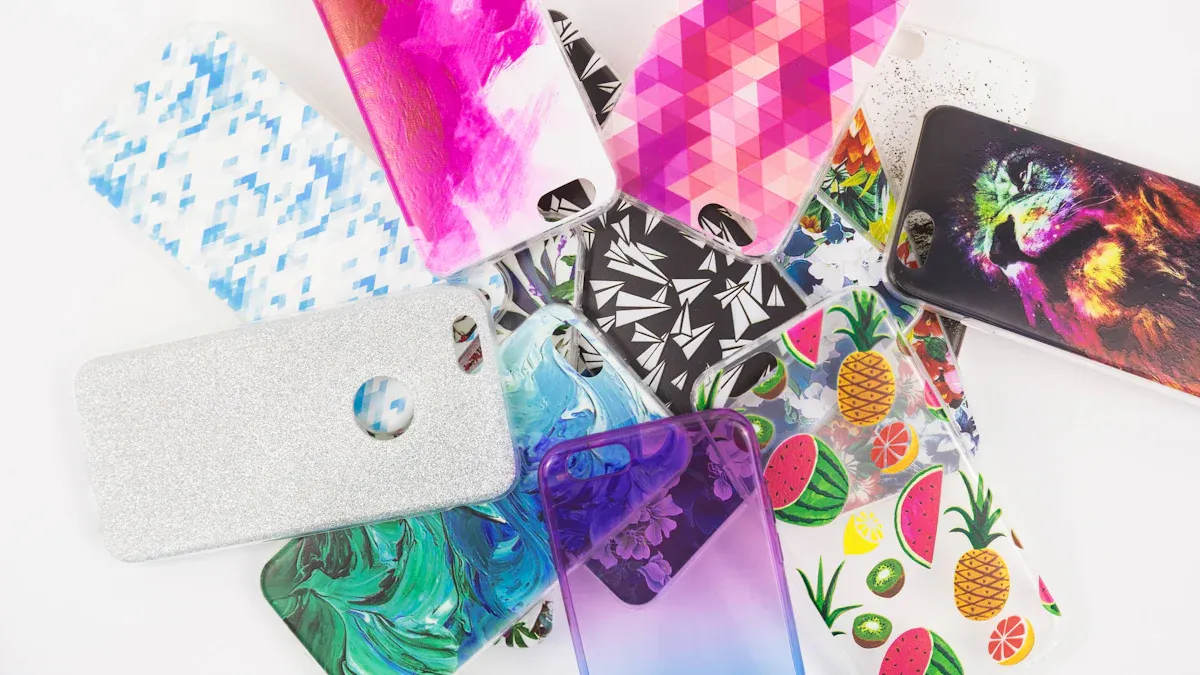
Branding and color customization play a big role in making each phone case unique. My clients often want their logo or special designs on the case. I use several methods to add branding, such as printing, embossing, or even LED logos. Here is a table with some popular customization options:
| Customization Option | Description |
|---|---|
| LED Logo | Show your brand on every machine |
| Stickers | Add custom graphics or slogans |
| Software | Tailor features for your market |
| Case Materials | Offer different styles and feels |
Many customers want unique designs that stand out. Some want to express their personality or give special gifts. Others like to match their phone case with their mood or outfit. I make the customization process fun and easy, so clients can see their ideas come to life quickly. I use the right mold to support different colors and finishes, making sure each case meets the client’s vision.
Note: Fast and flexible customization helps me meet market trends and keep my products in demand.
Key OEM Considerations
Scalability
When I plan a custom phone case project, I always think about scalability. I want my manufacturing process to grow with demand. I start by choosing a mold that supports high-volume production. If I expect orders to increase, I invest in multi-cavity molds. These molds let me produce more cases at once. I also look at my equipment. Automated machines help me scale up quickly. I can add more machines or upgrade existing ones as my business grows. I track production data to spot bottlenecks. If I see slowdowns, I adjust my workflow or add new resources. Scalability means I can meet large orders without losing quality. I keep my process flexible so I can respond to market changes fast.
Tip: I always test my mold and manufacturing setup with a small batch before scaling up. This step helps me catch problems early.
Cost and Budget
Cost control is a big part of my custom phone case manufacturing. I start by setting a clear budget for each project. I list every expense, from mold design to material sourcing. I compare the cost of steel molds and aluminum molds. Steel molds cost more upfront but last longer. Aluminum molds are cheaper but wear out faster. I choose the mold that fits my budget and production goals. I also look for ways to save money. Bulk material purchases often lower costs. Automation reduces labor expenses. I monitor waste during manufacturing. If I see too much scrap, I adjust my process or retrain my team. I always balance quality with cost. Cutting corners on molds or materials can lead to defects and returns. I prefer to invest in reliable molds and efficient manufacturing methods.
Here is a table that helps me track costs:
| Expense | Description | Savings Strategy |
|---|---|---|
| Mold Design | CAD, prototyping, testing | Use rapid prototyping |
| Material Sourcing | ABS, PC, TPU, silicone | Buy in bulk |
| Manufacturing | Machine operation, labor | Automate processes |
| Quality Control | Inspections, testing | Early defect detection |
Lead Time and Supply Chain
Lead time affects every part of my custom phone case manufacturing. I plan each step to keep production on schedule. I start by estimating how long mold fabrication will take. Steel molds need more time than aluminum molds. I work with suppliers who deliver materials quickly. Delays in material sourcing can slow down manufacturing. I use software to track shipments and inventory. If I see a delay, I contact my supplier right away. I also build extra time into my schedule for unexpected issues. Fast lead times help me meet customer deadlines and keep my business competitive. I always review my supply chain after each project. If I find weak spots, I look for new partners or change my process.
Note: Reliable suppliers and efficient mold design help me shorten lead times and avoid production delays.
IP Protection
When I work on custom mold phone case projects, I always pay close attention to intellectual property (IP) protection. My designs, molds, and branding ideas are valuable assets. If I do not protect them, I risk losing my competitive edge. I have learned that strong IP protection keeps my business safe and helps me build trust with clients.
I start by understanding the main types of IP that matter in phone case manufacturing:
| IP Type | What It Protects | Example |
|---|---|---|
| Patent | New inventions or unique mold designs | Special shock-absorbing mold |
| Trademark | Brand names, logos, or slogans | My company logo on cases |
| Copyright | Original artwork or graphics | Custom patterns or images |
| Trade Secret | Confidential processes or formulas | Unique material blends |
I always register my patents and trademarks as soon as I create something new. This step gives me legal rights and stops others from copying my work. I file for patents if I invent a new mold feature or a special locking mechanism. I register trademarks for my brand name and logo. For custom artwork, I use copyright registration to protect my designs.
Tip: I keep detailed records of every design, prototype, and production step. These records help me prove ownership if someone tries to copy my work.
I also use non-disclosure agreements (NDAs) when I work with suppliers, designers, or partners. An NDA is a legal contract that stops others from sharing my confidential information. I make sure everyone who sees my designs signs an NDA before I show them any details.
Here are some steps I follow to protect my IP:
- I register patents, trademarks, and copyrights for all new designs.
- I use NDAs with every partner, supplier, and employee.
- I limit access to sensitive files and molds in my factory.
- I mark all confidential documents as “Proprietary” or “Confidential.”
- I monitor the market for copies or counterfeit products.
Sometimes, I find that someone has copied my design or logo. When this happens, I contact a lawyer right away. I send a cease-and-desist letter to stop the infringement. If needed, I take legal action to defend my rights.
Note: Protecting IP is not just about legal steps. It also means building a culture of respect for innovation in my company.
By taking these actions, I keep my ideas safe and maintain my reputation in the market. I encourage every OEM to make IP protection a top priority in custom mold phone case manufacturing.
Phone Case Manufacturing Equipment Overview
Injection Molding Machines
When I set up my workshop, I always start with the right phone case manufacturing equipment. Injection molding machines form the backbone of my production line. These machines melt plastic pellets and inject them into custom molds. I choose machines based on the size and shape of the phone cases I want to make. A good phone case machine maker helps me select the right model for my needs. I look for machines with precise temperature control and strong clamping force. These features help me avoid defects and keep my manufacturing process smooth. I also check the machine’s cycle time. Faster cycles mean I can produce more custom cases in less time.
CNC and 3D Printers
I rely on CNC machines and 3D printers for both prototyping and making custom molds. CNC machines cut metal or plastic with high accuracy. I use them to create detailed mold parts or even small batches of custom phone cases. 3D printers let me turn digital designs into real objects quickly. I often print prototypes to test new ideas before starting full-scale manufacturing. These printers work with many materials, so I can experiment with different looks and feels. A reliable phone case machine maker offers both CNC and 3D printing solutions. This flexibility helps me stay creative and respond to customer requests fast.
Here is a table that compares CNC machines and 3D printers in my workflow:
| Equipment | Main Use | Strengths |
|---|---|---|
| CNC Machines | Mold making, prototyping | High precision, durability |
| 3D Printers | Prototyping, samples | Speed, design flexibility |
Automation Solutions
I always look for ways to improve my manufacturing process. Automation solutions play a big role in my factory. Robots and automated systems handle repetitive tasks like loading molds, trimming parts, and inspecting finished cases. This phone case manufacturing equipment helps me boost output and reduce errors. I use sensors and software to track each step of the process. Automated machines work around the clock, so I can meet large orders without hiring more staff. A trusted phone case machine maker can help me set up custom automation that fits my production goals. Automation not only saves money but also keeps my quality high.
Tip: Investing in modern phone case manufacturing equipment and automation lets me stay ahead in a fast-changing market.
Equipment Maintenance
I always treat equipment maintenance as a top priority in my phone case manufacturing process. Well-maintained machines help me avoid costly breakdowns and keep production running smoothly. I learned early that regular care extends the life of my equipment and improves the quality of every phone case I make.
I follow a strict maintenance schedule for each type of machine in my workshop. Here is how I organize my routine:
- Injection Molding Machines:
I check oil levels and hydraulic systems every week. I clean the injection unit and inspect the mold clamps for wear. I also calibrate the temperature controls to prevent overheating. If I notice any leaks or strange noises, I stop the machine and fix the problem right away. - CNC Machines:
I wipe down the machine after every use to remove dust and metal shavings. I lubricate moving parts and check the spindle alignment. I replace cutting tools before they become dull. This keeps my molds and prototypes precise. - 3D Printers:
I clean the print bed and nozzles after each job. I update the firmware regularly and check for filament jams. I store filament in a dry place to prevent moisture damage. - Automation Systems:
I inspect sensors and robotic arms for loose connections. I test emergency stops and safety features every month. I back up software settings and update control programs as needed.
Tip: I keep a maintenance log for every machine. This helps me track repairs, spot patterns, and plan for replacements before a breakdown happens.
Here is a table that summarizes my key maintenance tasks:
| Equipment | Daily Tasks | Weekly Tasks | Monthly Tasks |
|---|---|---|---|
| Injection Molding Machine | Clean surfaces | Check hydraulics | Inspect heaters |
| CNC Machine | Remove debris | Lubricate parts | Align spindle |
| 3D Printer | Clean print bed | Check nozzles | Update firmware |
| Automation System | Visual inspection | Test sensors | Update software |
I train my team to spot early warning signs, such as vibration, overheating, or error messages. I encourage everyone to report issues immediately. Quick action prevents small problems from turning into major failures.
I also invest in high-quality replacement parts. Cheap parts may save money at first, but they often cause more trouble later. I work with trusted suppliers who understand the needs of phone case manufacturing.
Note: Consistent equipment maintenance saves me time, reduces waste, and keeps my customers happy with reliable products.
Quality Control and Certifications
In-Process Checks
I always make sure to use strong quality control measures during every stage of manufacturing. I check each custom phone case as it moves through the production line. I look for defects in the mold, such as warping or incomplete filling. I use visual inspections and automated sensors to catch problems early. I also measure the thickness and weight of each case. These checks help me keep the quality high and avoid costly mistakes later. I train my team to follow strict quality control measures. We use checklists to make sure we do not miss any steps. I believe that catching issues early in manufacturing saves time and money.
Tip: I always document every in-process check. This record helps me find patterns and improve my quality control measures for future custom projects.
Final Inspection
Before I ship any custom phone case, I run a final inspection. I use quality control measures to check the fit, finish, and durability of each product. I test the case by snapping it onto a phone and checking for a secure fit. I look for scratches, color issues, or rough edges left by the mold. I also test the case for drop resistance and flexibility. My team uses both manual and automated tools for these tests. We follow a set of quality control measures for every batch. If a case does not meet my standards, I remove it from the shipment. I want every customer to receive a product that shows my commitment to quality.
Here is a simple checklist I use for final inspection:
- Check fit on device
- Inspect surface for defects
- Test color consistency
- Confirm flexibility and strength
- Review branding and custom features
Industry Certifications
I know that industry certifications prove my commitment to quality and strong manufacturing practices. I work hard to meet standards like ISO 9001, which focuses on quality management systems. I also follow RoHS and REACH guidelines to make sure my custom cases are safe and eco-friendly. These certifications show my customers that I use the best quality control measures in every step of manufacturing. I display my certifications on my website and packaging. This builds trust and helps me stand out in the custom phone case market.
| Certification | Focus Area | Benefit to OEMs |
|---|---|---|
| ISO 9001 | Quality management | Consistent quality, fewer defects |
| RoHS | Material safety | Safe, eco-friendly products |
| REACH | Chemical compliance | Meets global safety standards |
Note: I always keep my certifications up to date. This helps me maintain high quality and meet the needs of my custom manufacturing clients.
Challenges and Solutions
Design and Mold Issues
I often face design and mold issues when I start a new phone case project. Sometimes, the design looks great on paper but does not work well in real life. I have seen cases where the mold does not release the part cleanly, or the details do not show up as expected. These problems can slow down production and waste materials.
To solve these issues, I always review the design with my team before making the mold. We use CAD software to spot weak points or areas that might cause trouble. I run mold flow simulations to see how the plastic will fill the mold. This step helps me catch problems early. If I find a design flaw, I fix it before cutting any metal. I also make a prototype using 3D printing. This lets me test the fit and function without spending a lot of money.
Here are some common design and mold issues I see:
| Issue | Solution I Use |
|---|---|
| Poor mold release | Add draft angles, polish mold surface |
| Incomplete details | Adjust mold temperature and pressure |
| Warping or distortion | Improve cooling system, change design |
Tip: I always test the mold with a small batch before full production. This step saves time and money.
Material Problems
Material problems can ruin a batch of phone cases. I have seen plastics that do not melt evenly or react badly with the mold. Sometimes, the color does not match the sample, or the material is too brittle.
I solve these problems by working closely with my suppliers. I ask for material samples and run tests before I order in bulk. I check the melt flow rate and make sure the material matches my needs. If I see color issues, I adjust the pigment or switch suppliers. I also store materials in a dry, cool place to prevent moisture damage.
Here is a quick checklist I use to avoid material problems:
- Test material samples before bulk orders
- Check melt flow and compatibility with mold
- Store materials properly to avoid moisture
Note: Good communication with suppliers helps me catch material problems early.
Production Delays
Production delays can hurt my business and upset my customers. I have faced delays from machine breakdowns, late material deliveries, or design changes at the last minute.
To keep production on track, I plan every step and build extra time into my schedule. I keep spare parts for my machines and train my team to fix small problems fast. I use software to track shipments and inventory. If a supplier is late, I call them right away and look for backup options.
Here are some ways I reduce production delays:
- Schedule regular machine maintenance
- Track inventory and shipments daily
- Communicate with suppliers and customers
Tip: I always have a backup plan for key steps in the process. This helps me deliver on time, even when things go wrong.
Cost Overruns
I have learned that cost overruns can quickly turn a profitable phone case project into a financial headache. When I manage custom mold phone case manufacturing, I always keep a close eye on my budget. Even with careful planning, unexpected costs can appear at any stage. I have seen extra expenses come from design changes, material price increases, machine breakdowns, or delays in the supply chain.
One time, I underestimated the cost of a new mold design. The client requested last-minute changes, which forced me to redo the CAD files and order new tooling. This mistake added both time and money to the project. I realized that clear communication with clients at the start helps prevent these surprises. Now, I always confirm the final design before I begin mold fabrication.
Material costs can also rise without warning. I remember when the price of silicone jumped due to a shortage. I had to pay more to keep production on schedule. To avoid this, I now build a buffer into my material budget. I also keep a list of backup suppliers. If one supplier raises prices, I can quickly switch to another.
Machine downtime is another source of cost overruns. If a key piece of equipment breaks, I lose both time and money. I schedule regular maintenance and keep spare parts on hand. This habit reduces the risk of unexpected repairs.
Here is a table that shows common causes of cost overruns and how I handle them:
| Cause | My Solution |
|---|---|
| Design changes | Confirm specs before production |
| Material price hikes | Build budget buffer, use backups |
| Machine breakdowns | Regular maintenance, spare parts |
| Supply chain delays | Track shipments, plan ahead |
| Quality rework | Early inspections, train team |
Tip: I always review my project costs weekly. This habit helps me spot overruns early and take action before they get out of control.
I also use software to track every expense. I enter costs for materials, labor, and shipping as soon as I get the invoice. This real-time tracking gives me a clear picture of my spending. If I see costs rising in one area, I investigate right away.
Sometimes, I need to make tough choices to stay within budget. I might switch to a different material or adjust the production schedule. I always explain these changes to my clients. Honest communication builds trust and helps everyone understand the reasons behind cost decisions.
By staying alert and flexible, I keep cost overruns from hurting my business. Careful planning, regular reviews, and open communication are my best tools for managing project budgets.
Trends and Innovations
Advanced Materials
I see a big shift in the materials I use for custom phone cases. In the past, I relied mostly on ABS, PC, TPU, and silicone. Now, I explore new advanced materials that offer better performance and sustainability. For example, I use bio-based plastics made from plants. These materials help me reduce my carbon footprint. I also test recycled plastics. They let me reuse waste and create strong, attractive cases.
Some of my clients want cases with extra features. I use materials with antimicrobial properties. These cases help keep phones cleaner. I also try self-healing polymers. When a case gets scratched, the material repairs itself. This keeps the case looking new for longer. I see more demand for lightweight composites. These materials protect phones without adding bulk.
Here is a table that shows some advanced materials I use and their benefits:
| Material Type | Key Benefit |
|---|---|
| Bio-based Plastics | Eco-friendly, renewable |
| Recycled Plastics | Reduces waste, sustainable |
| Antimicrobial Polymers | Healthier, cleaner surface |
| Self-healing Polymers | Longer-lasting, durable |
| Lightweight Composites | Strong, slim design |
Note: I always test new materials to make sure they meet my quality standards before using them in production.
Digitalization
Digital tools have changed the way I design and manufacture phone cases. I use advanced CAD software to create detailed 3D models. This lets me see every angle and spot problems before I make a prototype. I also use simulation software. It helps me predict how materials will flow in the mold. This step saves me time and money.
I rely on digital platforms to manage my supply chain. I track orders, shipments, and inventory in real time. This helps me avoid delays and keep my clients updated. I also use digital quality control systems. Automated sensors check each case for defects as it moves down the line. I get instant feedback and can fix problems right away.
Tip: Embracing digitalization helps me work faster, reduce errors, and deliver better products to my customers.
Customization at Scale
I notice that more customers want unique phone cases. They want to choose colors, add names, or upload their own designs. In the past, I could only offer this for small batches. Now, new technology lets me customize cases at scale.
I use digital printing to add logos, patterns, or photos directly onto each case. This process is fast and flexible. I also use modular molds. I can swap out parts of the mold to create different shapes or features without making a whole new tool. Automation helps me handle large orders with many custom options.
Here are some ways I offer customization at scale:
- Digital printing for fast, full-color designs
- Modular molds for flexible shapes
- Automated order tracking for personalized requests
Callout: Customization at scale helps me meet market trends and keep my business competitive.
Market Outlook
I see the custom mold phone case market changing quickly. Every year, I notice new trends and shifts in what customers want. I believe that staying alert to these changes helps me keep my business strong and ready for the future.
Right now, I see demand for custom phone cases growing. More people want unique designs and better protection for their devices. I get more requests for cases with special features, like antimicrobial surfaces or eco-friendly materials. I think this demand will keep rising as smartphones become even more important in daily life.
I also watch technology shape the market. Automation and digital tools make it easier for me to produce high-quality cases at lower costs. I use 3D printing and advanced CAD software to speed up design and prototyping. These tools help me respond faster to customer requests and market trends. I expect more factories to adopt these technologies soon.
Sustainability stands out as a key trend. Many of my clients ask for recycled or biodegradable materials. I see big brands setting goals to reduce plastic waste. I believe that using eco-friendly materials will become a standard in the industry. I already test new bio-based plastics and recycled polymers in my production line.
Global competition keeps me on my toes. I see more manufacturers from different countries entering the market. To stay ahead, I focus on quality, fast delivery, and strong customer service. I also protect my designs and brand with patents and trademarks.
Here is a table that sums up the main forces shaping the market:
| Trend | My Observation | My Response |
|---|---|---|
| Customization Demand | More requests for unique designs | Offer flexible options |
| Technology Adoption | Faster, smarter production tools | Invest in automation |
| Sustainability | Clients want eco-friendly materials | Test and use green plastics |
| Global Competition | More players in the market | Focus on quality and IP |
Tip: I always review market reports and talk to my clients to spot new trends early. This habit helps me plan my next steps and stay competitive.
Looking ahead, I feel confident about the future of custom mold phone case manufacturing. I plan to keep learning, invest in new technology, and listen to my customers. By doing this, I can grow my business and meet the needs of a changing market.
I always start with a clear plan for custom mold phone case manufacturing. I focus on quality at every step. I use customization and personalization to meet client needs. I test new materials for customized phone protection. I also explore functional customization to add value. I stay updated on trends and review my process often. For OEMs starting out, I suggest connecting with trusted suppliers and joining industry groups for more resources.
FAQ
What is the minimum order quantity for custom mold phone cases?
I usually set the minimum order quantity at 500 units. This helps me cover the cost of mold creation and setup. For smaller runs, I recommend using standard molds.
How long does it take to make a new mold?
I can finish a new mold in 2 to 4 weeks. The timeline depends on the design complexity and the material I choose for the mold.
Can I use my own design for the phone case?
Yes, I accept custom designs. I work with your CAD files or sketches to create a unique mold that matches your vision.
What materials do you recommend for durable phone cases?
I often use polycarbonate (PC) or thermoplastic polyurethane (TPU). These materials give strong protection and last a long time. I test each material to match your needs.
How do you ensure quality during production?
I check every stage with in-process inspections and final tests. I use automated sensors and manual checks. This process helps me catch defects early and deliver high-quality cases.
Can I add my logo or custom branding to the cases?
Absolutely! I offer printing, embossing, and even LED logo options. I help you choose the best method for your brand.
What certifications do your phone cases meet?
My cases meet ISO 9001 for quality management. I also follow RoHS and REACH standards for safety and environmental compliance.
What should I do if I want eco-friendly phone cases?
I suggest using bio-based or recycled plastics. I test these materials for strength and appearance. I help you choose the best eco-friendly option for your project.


 English
 Arabic
 Chinese (Simplified)
 Dutch
Dutch French
 German
 Italian
 Portuguese
 Russian
 Spanish