

3 ways a sustainable phone case factory helps the planet
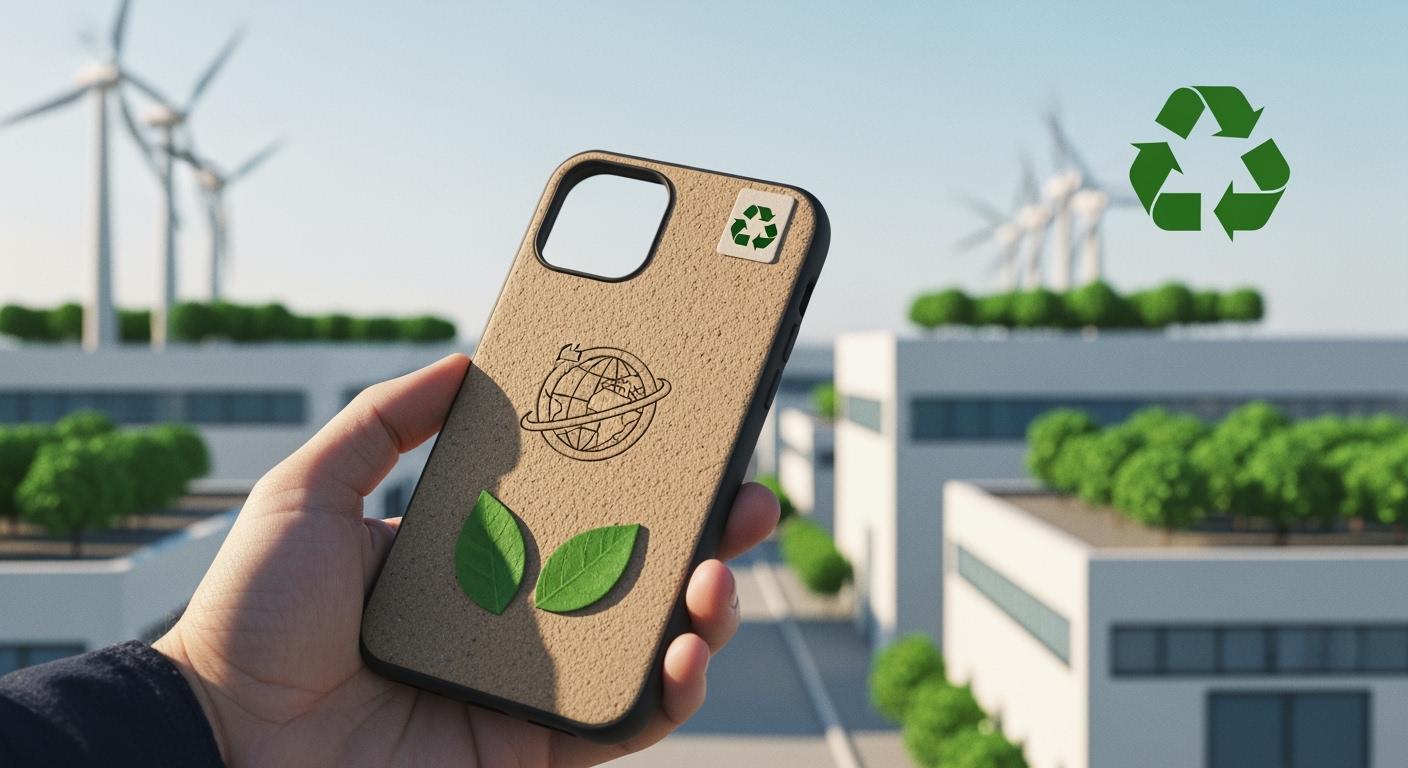
Imagine a world where your phone case does more than just protect your device from gravity’s cruel jokes. A sustainable phone case factory turns that dream into reality. These factories swap out harmful materials for earth-loving alternatives, slash energy use like a ninja, and treat waste like yesterday’s news. Your next phone case could be the hero the planet needs—no cape required! 🌱
Key Takeaways
- Sustainable phone case factories use eco-friendly materials like plant-based plastics and recycled content, reducing pollution and landfill waste.
- Choosing a phone case made from biodegradable or compostable materials helps the environment by breaking down naturally and avoiding toxic waste.
- Energy-efficient manufacturing practices, such as using solar and wind power, lower carbon emissions and promote cleaner air.
- Factories that prioritize waste reduction recycle scraps and aim for zero waste, turning leftover materials into new products.
- Support brands that practice supply chain transparency, ensuring ethical sourcing and fair treatment of workers.
- Local sourcing of materials strengthens communities and reduces transportation emissions, making your purchase more impactful.
- Participate in recycling programs and take-back initiatives to give your old phone cases a new life and keep waste out of landfills.
- Educate yourself and others about sustainable practices, turning your phone case choice into a statement for environmental advocacy.
Eco-Friendly Materials

A sustainable phone case factory does not settle for boring old plastic. It goes on a treasure hunt for materials that love the earth as much as you love your phone. Let’s dig into the wild world of eco-friendly options.
Biodegradable Options
Plant-Based Plastics
Picture this: your phone case starts its life as a humble plant. Factories like Pela Case and Greencases use plant-based plastics made from things like cornstarch or sugarcane. These materials break down in compost, not in a landfill. You won’t find them haunting the planet for centuries. Instead, they return to the earth, like a superhero hanging up their cape after a job well done.
Compostable Materials
Twig Case Co. and EcoBlvd take things a step further. They craft cases from compostable materials, including flax straw and wheat fiber. Toss one of these cases in your backyard compost, and it will disappear faster than your favorite snack at a party. No toxic leftovers. No plastic ghosts. Just pure, natural goodness.
Recycled Content
Post-Consumer Plastics
Some factories see trash as treasure. They scoop up old water bottles and food containers, then transform them into new phone cases. This process keeps plastic out of oceans and landfills. It also gives your sustainable phone case a cool backstory. Imagine telling your friends, “My case used to be a soda bottle!”
Upcycled Paper and Wood
Innovation doesn’t stop at plastic. Companies like EcoBlvd experiment with upcycled paper and wood. They use materials like Richlite, which blends recycled paper with resin for a sturdy, stylish finish. Bamboo and even apple-based bioplastics join the party. These materials look good, feel good, and do good.
Non-Toxic Additives
A sustainable phone case factory skips the nasty stuff. No toxic dyes. No weird chemicals. Only safe, non-toxic additives make the cut. That means your phone case won’t leach harmful substances into your pocket or the planet. You get peace of mind, and the earth gets a break.
Fun Fact: Choosing a sustainable phone case can help reduce pollution, cut down on landfill waste, and support companies that care about the environment. Your phone gets protection, and the planet gets a high-five.
Energy-Efficient Manufacturing
Factories that make phone cases don’t just sit around flipping light switches. They chase energy savings like a squirrel after an acorn. Let’s peek behind the curtain and see how these factories turn power into planet-friendly magic.
Renewable Energy Use
Factories like The Mobile Case Factory and Huarui Corp. have ditched fossil fuels. They harness the sun and wind to keep their machines humming. Imagine a factory roof covered in solar panels, soaking up rays like a sunbathing cat.
Solar Power
Solar panels work overtime. They grab sunlight and turn it into electricity. The Mobile Case Factory runs its presses and dryers with solar power. The sun doesn’t send a bill. It just keeps shining. That means fewer carbon emissions and more high-fives for the planet.
Wind Power
Wind turbines spin like giant pinwheels. Huarui Corp. uses wind power to keep its machines moving. The wind never runs out of breath. It keeps the factory running, even when the weather gets wild. Wind power means less pollution and more clean air.
Efficient Machinery
Old machines guzzle energy like a thirsty camel. New machines sip it like a fancy tea drinker. Factories upgrade their equipment to save power and cut emissions.
Low-Emission Equipment
Low-emission machines don’t puff out smoke. They run quietly and efficiently. The Mobile Case Factory swapped out old presses for new ones that use less energy. The result? A smaller carbon footprint and a happier planet.
Automation
Robots don’t take coffee breaks. Automated systems work fast and smart. They use just enough energy to get the job done. Huarui Corp. installed robots that assemble cases with precision. Less wasted energy. More sustainable phone case production.
Emission Reduction
Factories track their emissions like a detective follows clues. They set goals to shrink their carbon footprint. They use renewable energy, efficient machines, and clever automation. Every watt saved means less pollution. Every emission cut means a cleaner world.
Tip: When you choose a sustainable phone case, you support factories that care about energy. Your phone stays safe, and the planet gets a breath of fresh air.
Quick Table: Energy Choices and Impact
| Energy Source | Impact on Planet |
|---|---|
| Solar Power | Low emissions |
| Wind Power | Clean air |
| Efficient Machinery | Less energy used |
| Automation | Reduced waste |
Factories that make sustainable phone cases don’t just protect your device. They protect the planet, too. Energy-efficient manufacturing turns every case into a tiny superhero.
Waste Reduction & Circular Practices
Factories that make phone cases can be messy. Not the sustainable ones! These factories treat waste like a villain in a superhero movie. They fight it at every turn, using clever tricks and smart systems.
Lean Production
Lean production means factories only make what people need. No mountains of extra cases. No piles of leftover parts. Just the right amount, at the right time.
Scrap Reuse
Scrap pieces don’t get tossed in the trash. They get a second chance at greatness. Workers collect leftover bits of plastic, paper, or bamboo. Machines melt them down or mash them up. The scraps become new phone cases, ready for action. It’s like a recycling party, and everyone’s invited.
Minimal Waste
Factories set big goals: zero waste. They measure every ounce of material. If something falls on the floor, someone picks it up. If a case comes out wonky, it gets fixed or recycled. Waste doesn’t stand a chance.
Tip: Next time you hold a sustainable phone case, remember—its factory probably turned yesterday’s scraps into today’s hero.
Recycling Programs
Recycling isn’t just for your kitchen bin. Factories run their own recycling programs, both inside and outside their walls.
In-House Recycling
Inside the factory, bins collect every leftover. Machines chew up old cases and spit out fresh material. Nothing goes to waste. Workers love the challenge—how little can they throw away this month?
External Partnerships
Some factories team up with recycling companies. They send off scraps, old cases, and packaging to partners who know how to give them new life. These partnerships keep waste out of landfills and oceans.
| Recycling Program | What Happens to Waste? |
|---|---|
| In-House Recycling | Turned into new cases |
| External Partnerships | Made into other products |
Take-Back Programs
Take-back programs are like a phone case reunion. When your case gets tired, you send it back to the factory. They recycle it, reuse it, or turn it into something wild and new. Some brands even reward you with discounts or cool swag. You get a fresh case, and the planet gets a break.
Note: Waste reduction and circular practices make every sustainable phone case a champion for the earth. Less trash, more treasure.
Sustainable Phone Case Packaging
Compostable Packaging
Picture this: You rip open your new phone case, and the packaging doesn’t fight back. No plastic fortress. No endless tape. Just a simple, compostable wrap that feels like it belongs in your garden, not a landfill. Compostable packaging for phone cases is a game-changer. These materials break down in industrial composting environments, so they don’t stick around for centuries. Landfills shrink, and the planet breathes a sigh of relief. Factories use eco-friendly materials certified for compostability, and some even print with degradable soy ink instead of petroleum-based inks. That means your packaging is safer for you and the earth. It’s like giving the planet a hug every time you unbox a new case.
Tip: Toss compostable packaging in your green bin, not the trash. The worms will thank you.
Minimalist Design
Less is more. That’s the motto for minimalist packaging. No more wrestling with layers of plastic or digging through mountains of bubble wrap. Minimalist design means factories use only what’s necessary—nothing extra, nothing wasted. They swap out plastic films for aqueous oil, slashing plastic usage by 46.3 metric tons for every 10 million phones. Lighter packaging and right-sized boxes mean less paper, too. In fact, this approach cuts paper usage by 5% each year. Your sustainable phone case arrives safe and sound, without the guilt trip. The planet gets a break from excess, and you get a package that’s easy to open and easy on the eyes.
- No unnecessary plastic
- Lighter, smarter boxes
- Less waste, more style
Recycled Materials
Some packaging gets a second chance at pipeline glory. Factories use recycled paper, cardboard, and even old phone cases to create new packaging. This isn’t just about saving trees—it’s about closing the loop. Recycled materials keep waste out of landfills and oceans. They also give packaging a cool, rustic look that says, “I care about the planet.” Some brands even print fun facts or plantable seeds on their boxes. Unboxing becomes an adventure, not just a chore.
| Packaging Material | Environmental Benefit |
|---|---|
| Compostable Wrap | Breaks down, no landfill |
| Minimalist Box | Less material, less waste |
| Recycled Paper | Saves trees, closes loop |
Fun Fact: The next time you open a phone case, check the box. It might have lived a past life as a pizza box or a school notebook.
Water Conservation
Saving water in a phone case factory might sound as wild as a fish riding a bicycle, but it’s real—and it’s awesome. Sustainable factories treat water like liquid gold. They don’t let a single drop go to waste. Let’s dive into the splashy world of water conservation!
Closed-Loop Systems
Imagine a water park where every splash, spray, and slide gets recycled for the next round of fun. That’s the magic of closed-loop systems in sustainable factories. Water enters the system, does its job, and then gets cleaned and reused—over and over again. No water escapes. No rivers cry out for mercy.
- How does it work?
- Machines use water to cool, clean, or shape phone cases.
- Instead of dumping used water, the factory collects it.
- Filtration systems scrub the water clean.
- Freshly filtered water jumps back into action, ready for another round.
Did you know? Some factories reuse up to 95% of their water thanks to closed-loop systems. That’s like refilling your water bottle all year and never running out!
Closed-loop systems don’t just save water. They also keep nasty chemicals out of rivers and lakes. The planet gets cleaner water, and factories get a gold star for responsibility.
Efficient Cleaning
Factories love clean machines. Dirty equipment makes messy phone cases, and nobody wants that. But old-school cleaning methods waste buckets of water. Sustainable factories have a better plan.
- High-pressure sprayers blast away grime with less water. Think of a superhero hose, not a leaky garden tap.
- Ultrasonic cleaners use sound waves to shake dirt loose. It’s like a tiny earthquake for germs and gunk.
- Eco-friendly soaps break down grease without polluting water. These soaps play nice with the environment.
| Cleaning Method | Water Used | Environmental Impact |
|---|---|---|
| High-pressure Spray | Low | Minimal |
| Ultrasonic Cleaning | Very Low | Super Clean |
| Eco-friendly Soap | Low | Safe for Nature |
Tip: Next time you see a shiny new phone case, remember—smart cleaning saved gallons of water behind the scenes.
Water conservation in sustainable factories isn’t just a drop in the bucket. It’s a tidal wave of positive change. Every phone case made with less water means more for the planet, more for the future, and more for you to brag about at your next eco-friendly hangout. 💧🌎
Supply Chain Transparency
Ever wonder what happens before your phone case lands in your mailbox? The journey is more epic than a superhero origin story. Supply chain transparency means you get a backstage pass to every step, from raw materials to the final product. No secrets, no shady business—just honest, open storytelling.
Ethical Sourcing
Factories with nothing to hide love to show off their supply chains. They treat transparency like a badge of honor. Imagine a world where you can trace your phone case back to the bamboo forest or the recycled soda bottle it came from. That’s ethical sourcing in action.
Ethical sourcing means factories pick partners who play fair. Workers get treated right. Materials come from places that respect the planet. No mystery ingredients. No midnight deals in dark alleys. Just clear, honest sourcing.
Here’s a quick look at what makes supply chain transparency tick:
| Key Element/Practice | Description |
|---|---|
| Definition of Supply Chain Transparency | The practice of sharing information about the production process to ensure accountability. |
| Importance of Information Sharing | Enhances transparency and compliance, reducing risks and improving brand loyalty. |
| Use of Technology | Companies utilize blockchain, AI, and analytics to manage data and track goods effectively. |
| Regular Communication | Essential for maintaining transparency; includes supplier conferences for feedback and clarity. |
| Standardized Processes | Simplifies data collection on quality, safety, and ethical conduct across different suppliers. |
Factories use technology like blockchain and AI to track every step. It’s like giving each phone case a digital passport. Regular chats with suppliers keep everyone honest. Standardized processes make sure every case meets the same high standards—no matter where it starts.
Tip: When you buy from a transparent brand, you support fair wages, safe working conditions, and a cleaner planet. Your phone case becomes a tiny ambassador for good.
Certifications
Certifications are like gold stars for grown-ups. They prove that a factory walks the walk, not just talks the talk. When you spot these badges, you know your phone case comes from a place that cares.
Let’s check out two of the most popular certifications in the sustainable phone case world:
| Certification | Description | Purpose |
|---|---|---|
| Sedex | Focuses on ethical data management and transparency in supply chains. | Helps monitor audits and supplier practices effectively. |
| EcoVadis | Provides structured performance measurement and sustainability ratings. | Assists in benchmarking and evaluating sustainability efforts. |
Sedex keeps an eye on ethical data and makes sure factories follow the rules. EcoVadis rates factories on how green and responsible they are. These certifications help you spot the real eco-heroes in a sea of imposters.
Fun Fact: Some brands display their certifications right on their websites or packaging. It’s like a secret handshake for eco-conscious shoppers.
Supply chain transparency isn’t just a buzzword. It’s your ticket to a guilt-free phone case—one that looks good, feels good, and does good, all the way from the factory floor to your front door.
Community & Environmental Impact
Local Sourcing
Sustainable phone case factories love to keep things close to home. They don’t just order materials from faraway lands and hope for the best. Instead, they look around their own neighborhoods and say, “Hey, let’s work together!” Local sourcing means factories buy bamboo from the farmer down the road or recycled paper from the next town over. This approach keeps delivery trucks from guzzling gas on cross-country road trips. Less travel means less pollution. The air gets cleaner, and the planet gets a break.
Factories that source locally also help their communities grow. They create jobs for neighbors. They support small businesses. Money stays in the local economy instead of vanishing into a corporate black hole. It’s like a group project where everyone actually does their part—and nobody gets stuck doing all the work.
Tip: When you buy a phone case made with local materials, you’re not just protecting your phone. You’re cheering for your hometown heroes.
Here’s a quick look at the perks of local sourcing:
| Benefit | Why It Matters |
|---|---|
| Fewer Emissions | Shorter trips mean cleaner air |
| Stronger Communities | More jobs and local business support |
| Fresher Materials | Less time in transit, better quality |
Education & Advocacy
Sustainable factories don’t just make phone cases. They also make noise! These companies love to shout from the rooftops about protecting the planet. They host workshops at schools, run eco-friendly challenges, and share tips on social media. Some even invite students to tour their factories and see the magic in action. Imagine a field trip where you learn how yesterday’s pizza box becomes tomorrow’s phone case. That’s a story worth telling at lunch.
Education sparks change. When people know how their choices affect the earth, they start to care. They recycle more. They ask questions. They become eco-warriors, one phone case at a time.
- Factories create fun videos about recycling.
- They hand out guides on composting.
- They team up with local groups to clean up parks.
Fun Fact: Some brands plant a tree for every phone case sold. That’s right—your next phone case could grow into a forest!
Advocacy doesn’t stop at the factory gate. These companies push for better laws and greener policies. They join forces with environmental groups. They speak up at city meetings. Their goal? A world where every phone case helps the planet, not hurts it.
So, the next time you snap on a sustainable case, remember: you’re part of a movement. You’re not just holding a phone—you’re holding a piece of the future. 🌍📱
A sustainable phone case does more than shield your phone—it gives the planet a fighting chance. Factories lead the charge with smart choices:
| Aspect | Why It Matters |
|---|---|
| Eco-friendly Materials | Bio-based and recycled materials slash emissions and pollution. |
| Energy Efficiency | Smarter energy use means less pollution and a happier Earth. |
| Waste Reduction | Clever design and recycling keep trash out of landfills and oceans. |
Want to join the movement?
- Pick brands that value transparency and responsible sourcing.
- Recycle your old cases and choose products built to last.
- Dive into resources about ethical manufacturing and e-waste.
Every small choice adds up. Share what you’ve learned and help turn every phone case into a planet-saving sidekick!
FAQ
What makes a phone case “sustainable”?
A sustainable phone case uses earth-friendly materials, saves energy, and fights waste like a superhero. It protects your phone and the planet at the same time. 🌎📱
Can a compostable phone case really break down in my backyard?
Some can! Check the label. If it says “home compostable,” toss it in your compost pile. If not, look for industrial composting. Worms and microbes do the heavy lifting.
Are recycled phone cases as strong as regular ones?
Absolutely! Recycled cases can handle drops, bumps, and even the occasional dance-off with gravity. They pass the same tests as traditional cases—sometimes with extra style points.
Do sustainable factories cost more to run?
Sometimes, yes. But smart factories save money by using less energy and fewer materials. Over time, the planet and your wallet both win. It’s a double victory!
How do I recycle my old phone case?
Check with the brand! Many offer take-back programs. Drop your old case in the mail, and it gets a new life. No landfill, no guilt.
Will a sustainable case fit my phone model?
Most brands cover popular models. Some even make cases for rare phones. Always double-check before you buy—no one likes a wardrobe malfunction!
Why should I care about supply chain transparency?
Transparency means no secrets. You know where your case came from and who made it. It’s like reading the credits after a great movie—everyone gets the recognition they deserve.
Can I still get cool designs with eco-friendly cases?
You bet! Sustainable doesn’t mean boring. Expect bold colors, wild patterns, and even plant-based glitter. Your phone can look good and do good at the same time.


 English
 Arabic
 Chinese (Simplified)
 Dutch
Dutch French
 German
 Italian
 Portuguese
 Russian
 Spanish